

Tempura Masa
Tokyo
Tempura
Twenty Years at the Okura, One Counter in Ginza
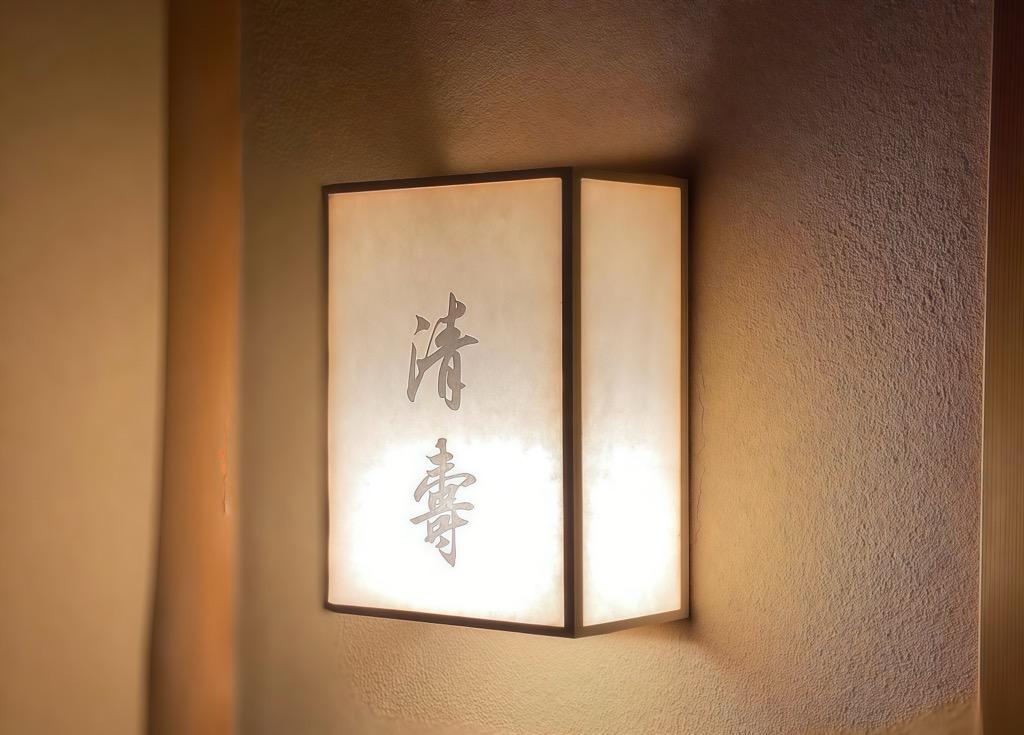
There is no music at Tempura Masa. Down an alley off Chuo-dori, behind a noren in the ground floor of an unremarkable building, the only soundtrack is the fryer — the low, steady hiss of batter meeting oil, ten seats of pale white-wood counter, and a room quiet enough to hear it. The restaurant takes no walk-ins. Every seat is reserved.
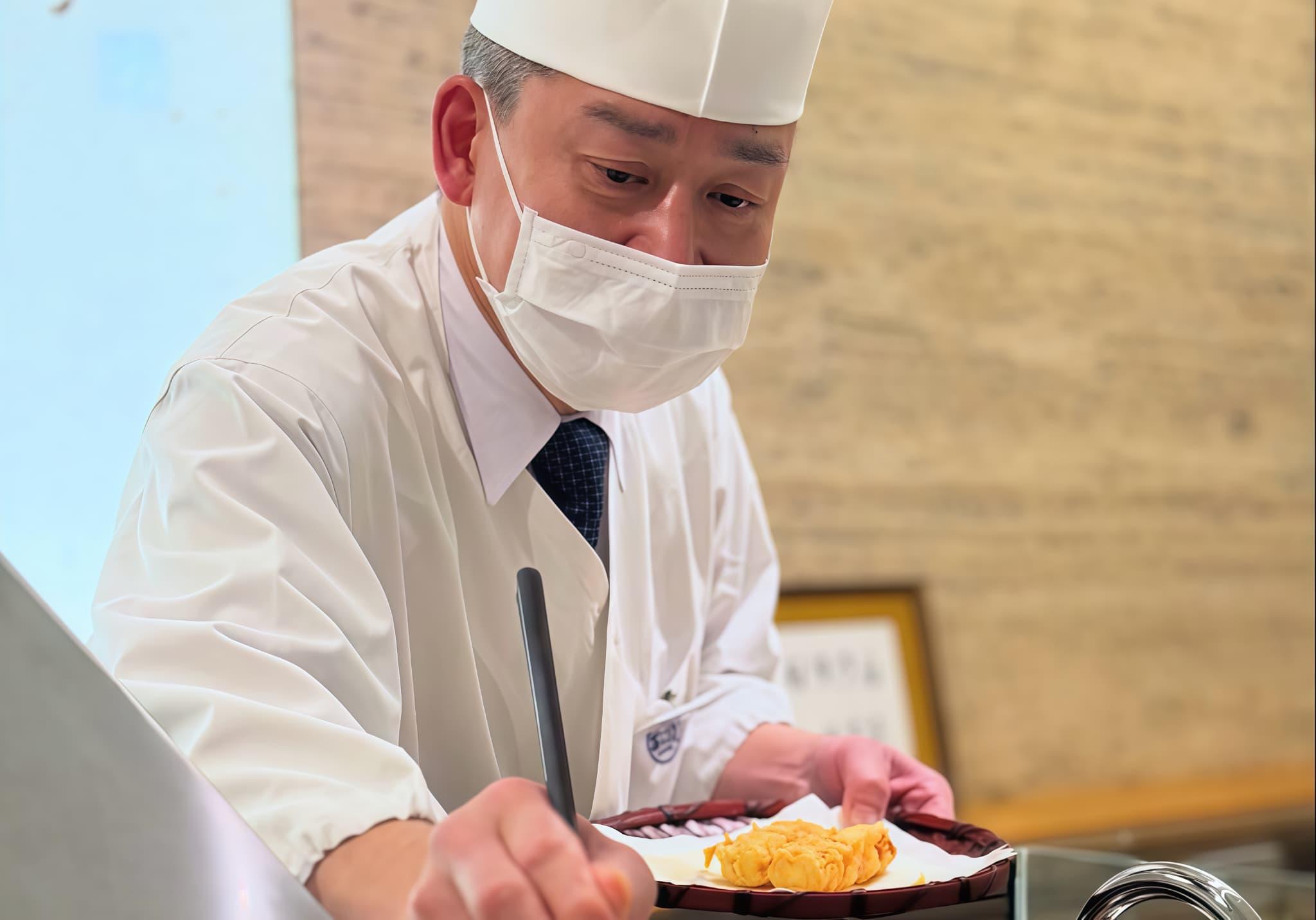
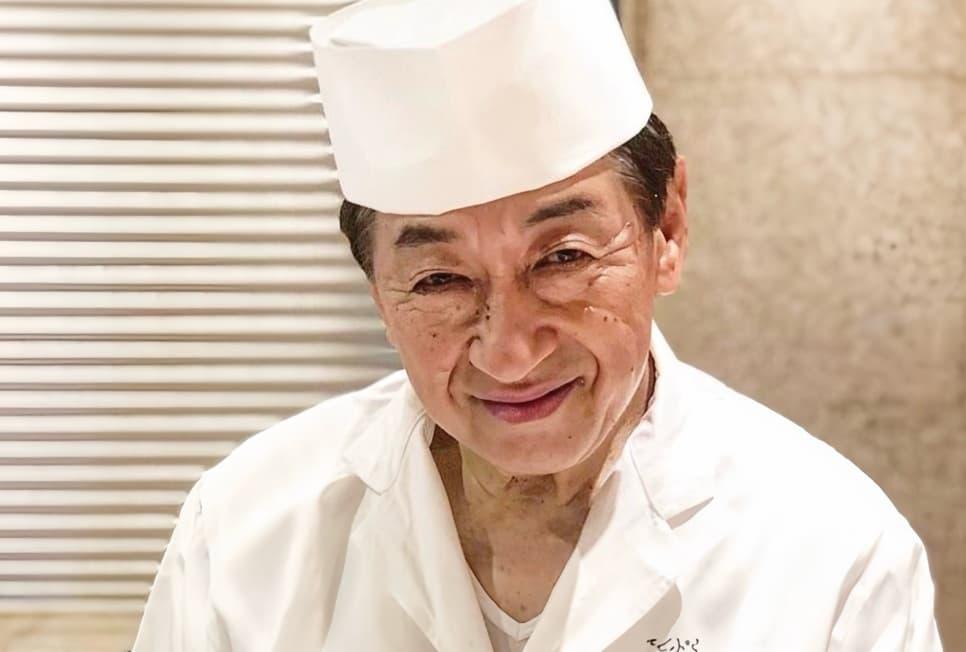
The man behind the oil is Yoshinobu Yamada, who spent twenty years in the Japanese kitchens of Hotel Okura — home to Yamazato, the dining room whose dedicated tempura station has quietly produced masters for decades. His style is orthodox to the point of principle. Nothing here is deconstructed or reinvented; as one Tokyo critic put it, good ingredients deserve to be treated with proper manners. In 2022, Tabelog named the restaurant one of Japan's hundred best tempura counters.
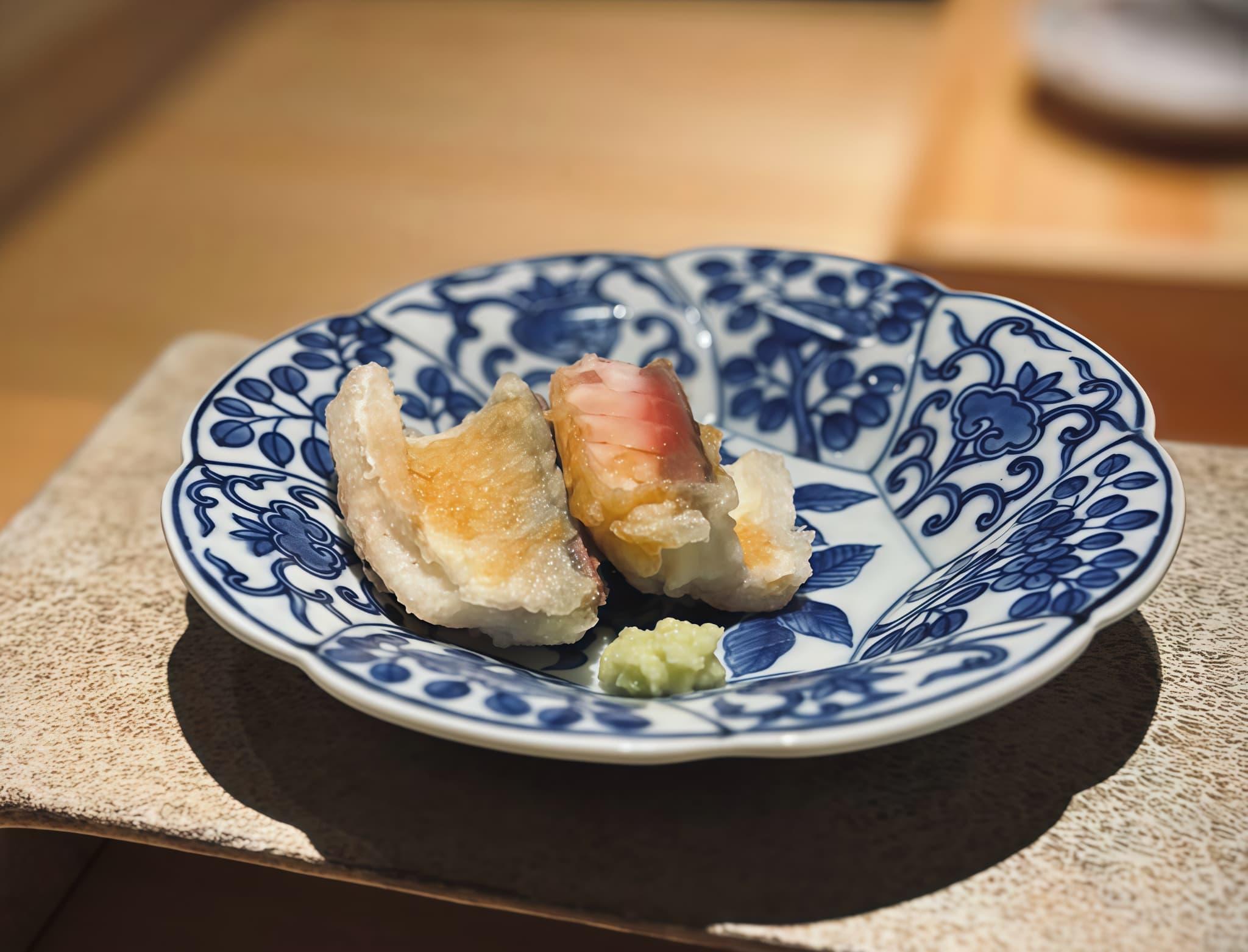
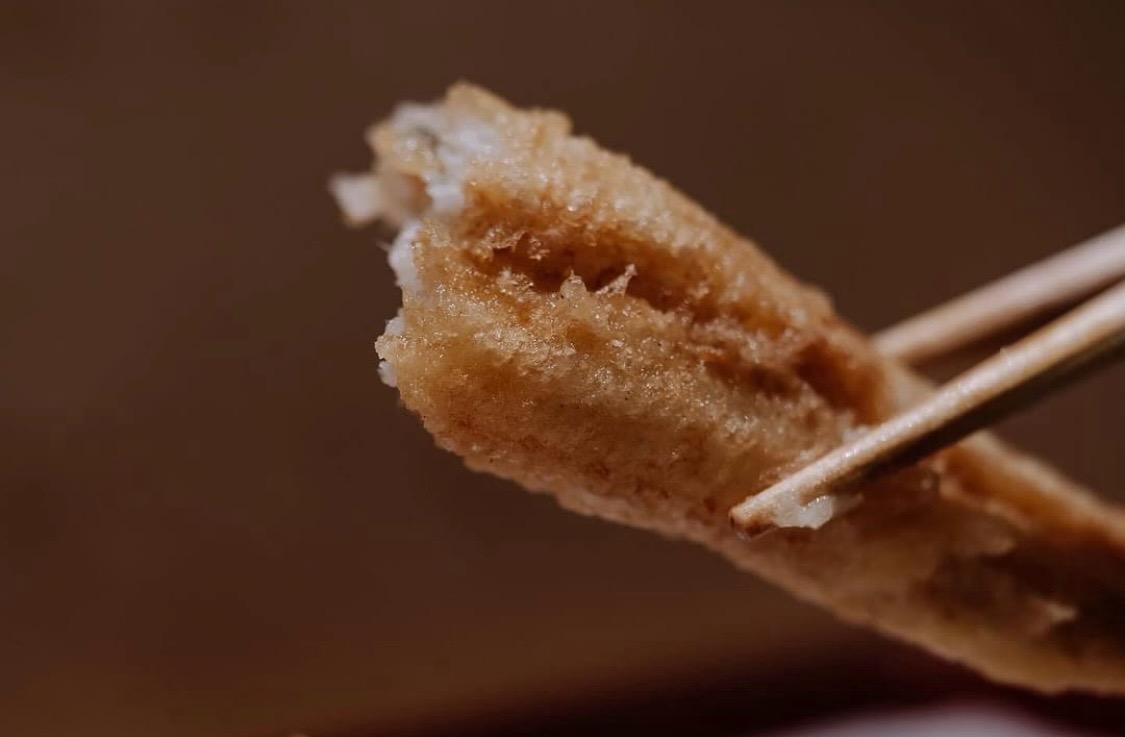
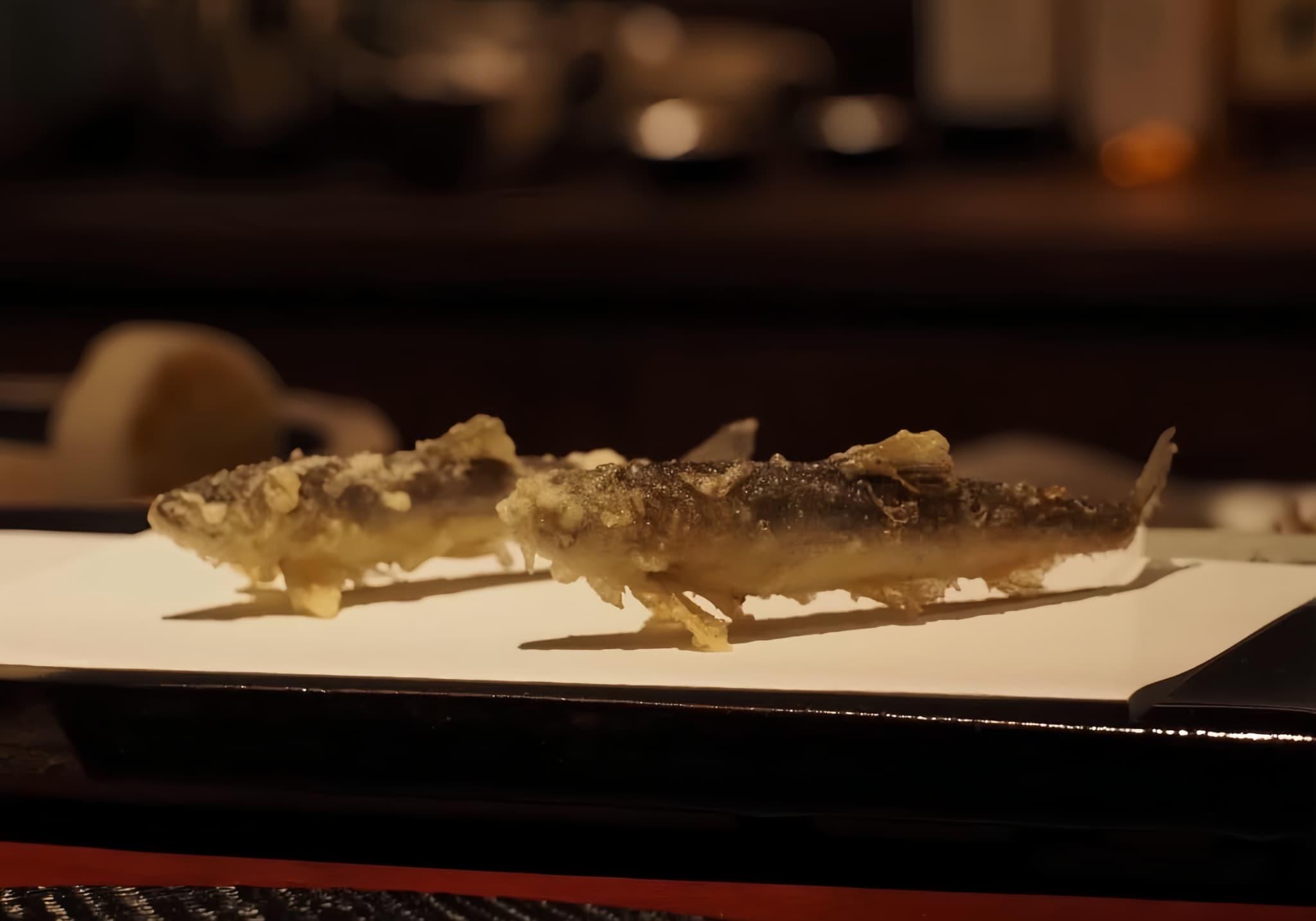
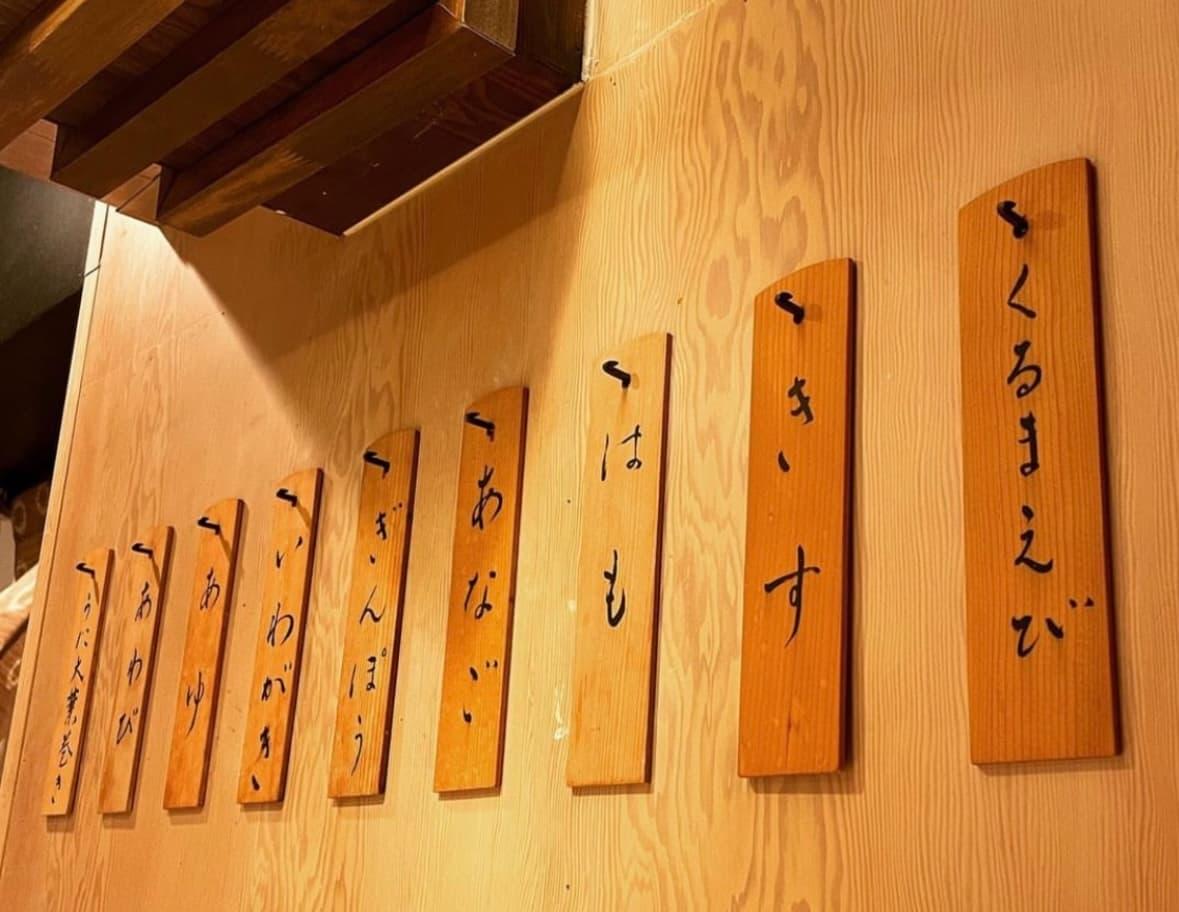
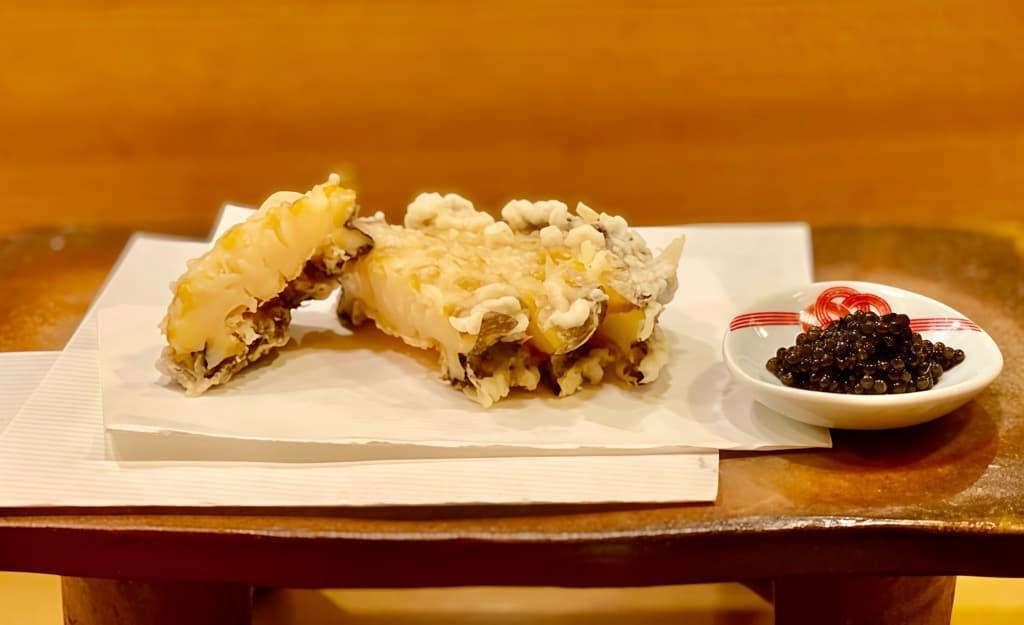
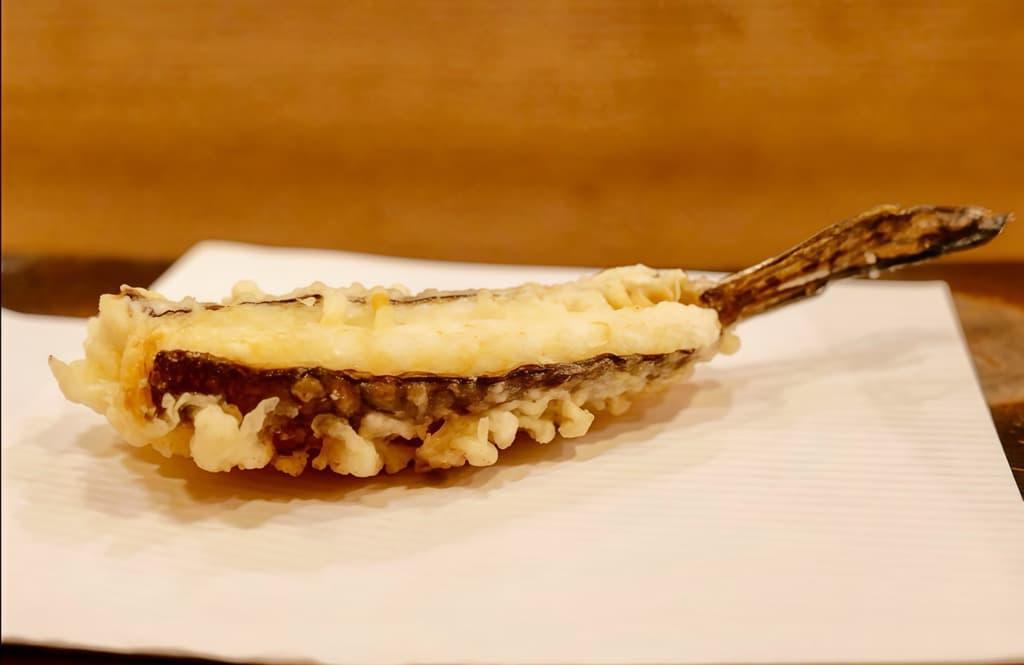
The batter is thin enough to read the ingredient through it. The course opens with crisped shrimp legs — a salty, brittle handshake — then moves one piece at a time, each landing when the previous one is finished: live kuruma prawn, kisu, corn scraped sweet from the cob, lotus root, maitake mushroom. Kisu and megochi are the tell. These are fish that taste better fried than raw, and a counter that handles them well is doing tempura for its own sake, not as a sideshow to sashimi.
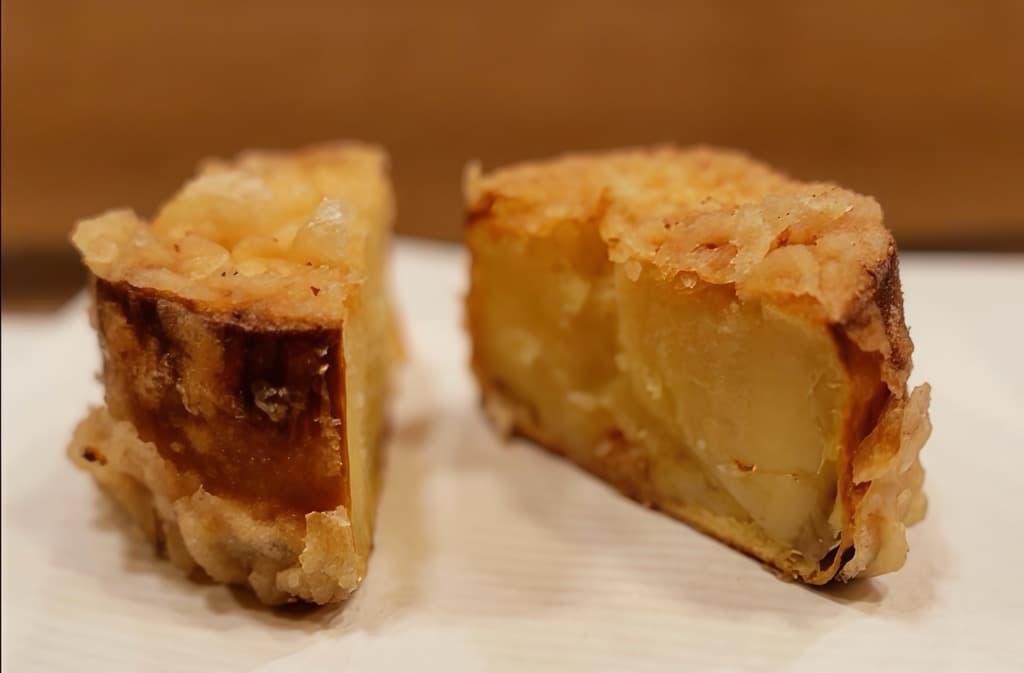
Three pieces have become quiet legends among regulars. Raw uni wrapped in a shiso leaf and fried for a breath — the outside set, the center still cool and barely warmed, which is the point: uni, like an egg yolk, peaks just short of cooked. Eggplant that changes with the season — red nasu, mizu-nasu — fried without surrendering a drop of its water. And hairy crab: a whole steamed kegani, hand-picked by the entire staff and pressed into a single bar, for one bite per guest.
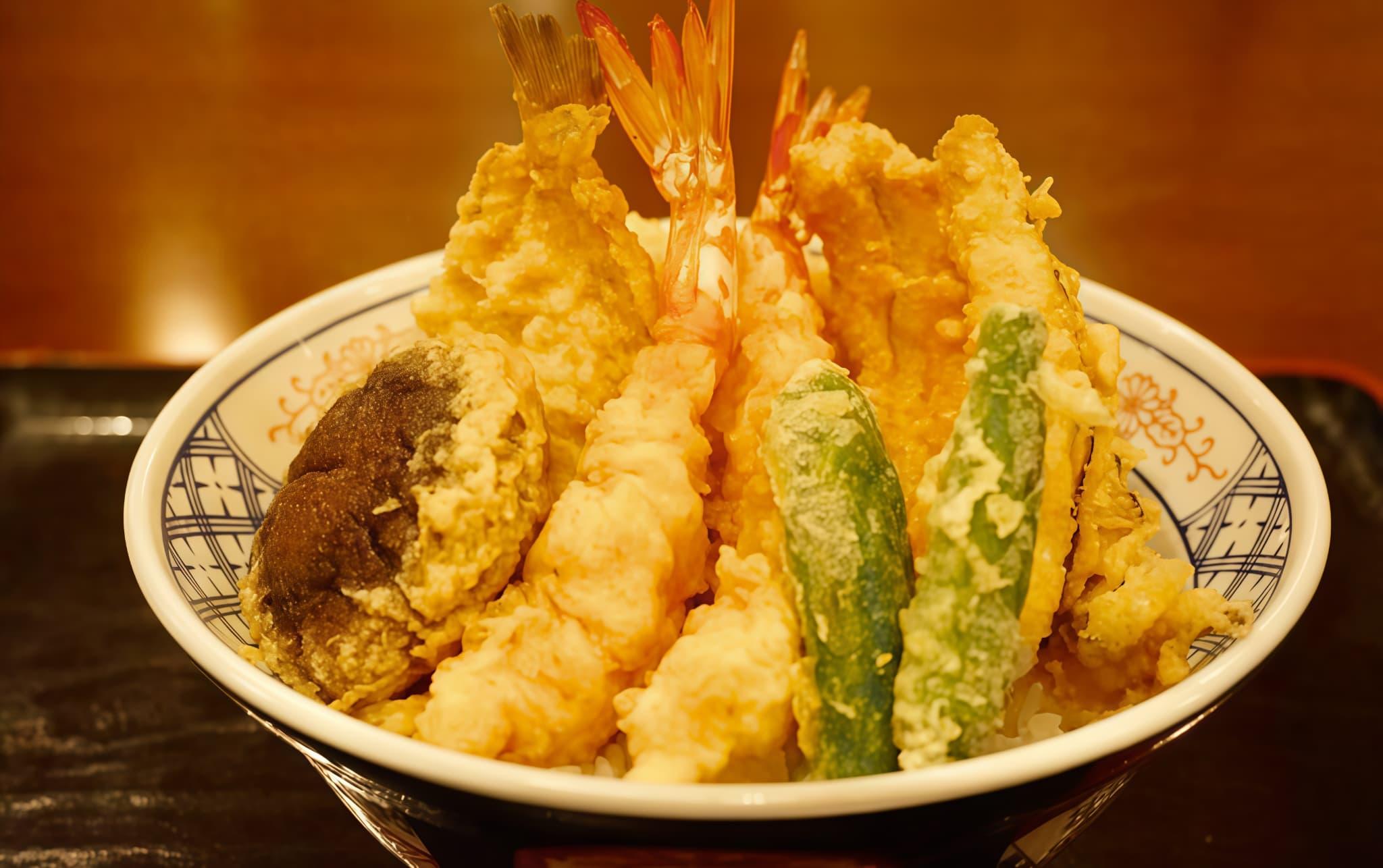
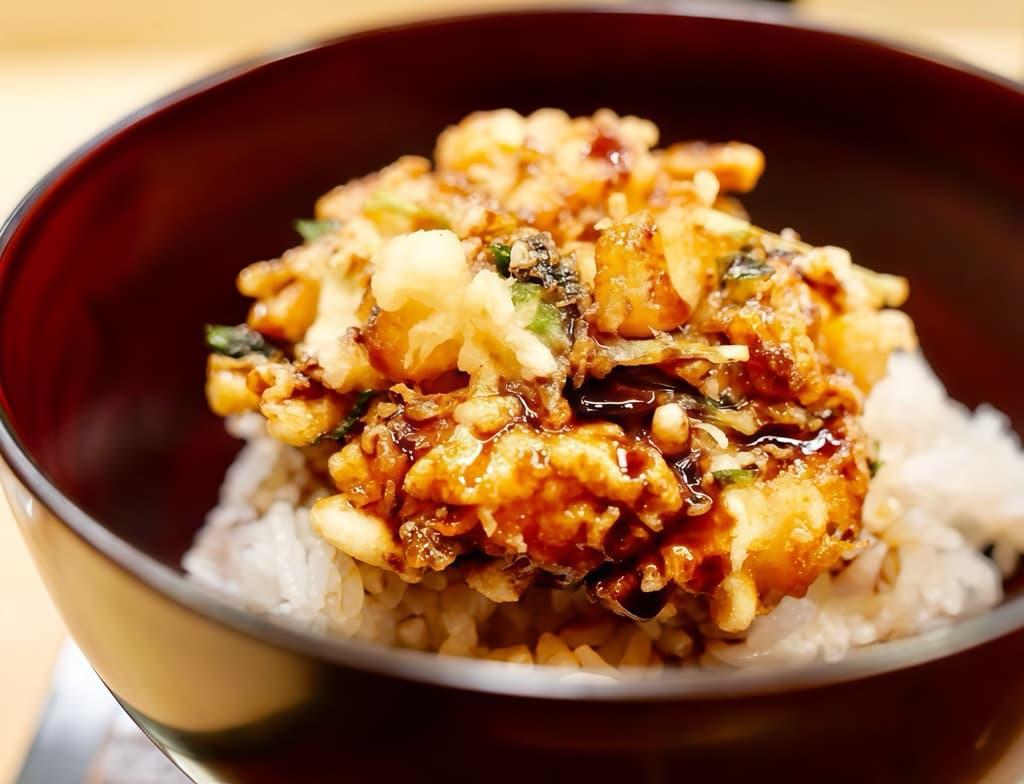
The finish is a choice. First-timers order the kakiage-don, the fritter set over rice cooked to order in a clay pot. Regulars almost universally take the tencha instead — the same kakiage lowered into slightly firm rice and a broth of dashi cut with green tea. A slice of Shine Muscat, and the hiss of the fryer finally stops.
The chef works with his wife, and the service matches the food: soft, unhurried, precise without stiffness — Ginza's quietest argument that the next generation of tempura masters is already standing behind a counter, fully formed.
How to Book Tempura Masa
The restaurant is reservation-only — no walk-ins, roughly ten counter seats, and demand from the Hyakumeiten listing keeps them full. Send us your dates and party size; we call in Japanese and confirm your seats. You hear from us only when the reservation is secured. Flat booking fee, no markup on the menu. If the uni tempura or the hairy crab matters to you, say so when you book — both move with the seasons, and we confirm availability with the counter before your visit.
Courses
The menu is decided by the market each morning, so no two visits read the same. What never changes is the architecture: the course opens with crisped shrimp legs, then moves one piece at a time — shellfish, white fish like kisu, and whatever vegetables the season argues for — each landing only when the previous one is finished.
Signatures to ask about, in their seasons:
Raw uni wrapped in shiso, flash-fried with the center left rare
Eggplant — red nasu or mizu-nasu — fried without losing its water
Hairy crab (winter): a whole steamed kegani, hand-picked into a single bar, one bite per guest
The finish is a standing choice, year-round: the kakiage-don on clay-pot rice, or the tencha — the regulars' pick — the same kakiage lowered into dashi cut with green tea. Current course prices: confirm when you book — we quote the restaurant's real menu price plus our flat fee only.
Frequently Asked Questions
Tempura Masa
Yes — the restaurant is entirely reservation-only, with about ten counter seats. Walk-ins are not accepted. Tell us your dates and we call the restaurant in Japanese to secure yours.
Ground floor of the Nishi-Shichibankan building, in an alley just off Chuo-dori — about a ten-minute walk from both Ginza Station (Ginza Line) and JR Shimbashi Station.
Different in temperament, not in tricks. Chef Yamada trained for twenty years at Hotel Okura, and his tempura is deliberately orthodox — thin batter, classic ingredients, exact timing. If you want theater, look elsewhere; if you want kisu and megochi fried by someone who believes tempura needs no improvement, this is the counter.
Courses

Lunch
Omakase
Booking fee ¥1,500
Lunch
Lunch Omakase
Booking fee ¥1,500

Dinner
Omakase
Booking fee ¥1,500
Restaurant information
| Working Hours | 12:00 - 14:30 18:00 - 21:30 |
|---|---|
| Seats | 10 |
| Payment | Visa, MasterCard, Diners, American Express, Cash |
| Smoking | Not Allowed |
| Alcohol take-in | Not Allowed |
| Phone number | 03-3571-1380 |
| Address | 1F Nishi Shichibankan Building, 7-7-16 Ginza, Chuo-ku, Tokyo, Japan |
Location map

2026
October
More counters we can secure for you
Picked by the same team — similar style or nearby.