

Tenichi Honten
Tokyo
Tempura
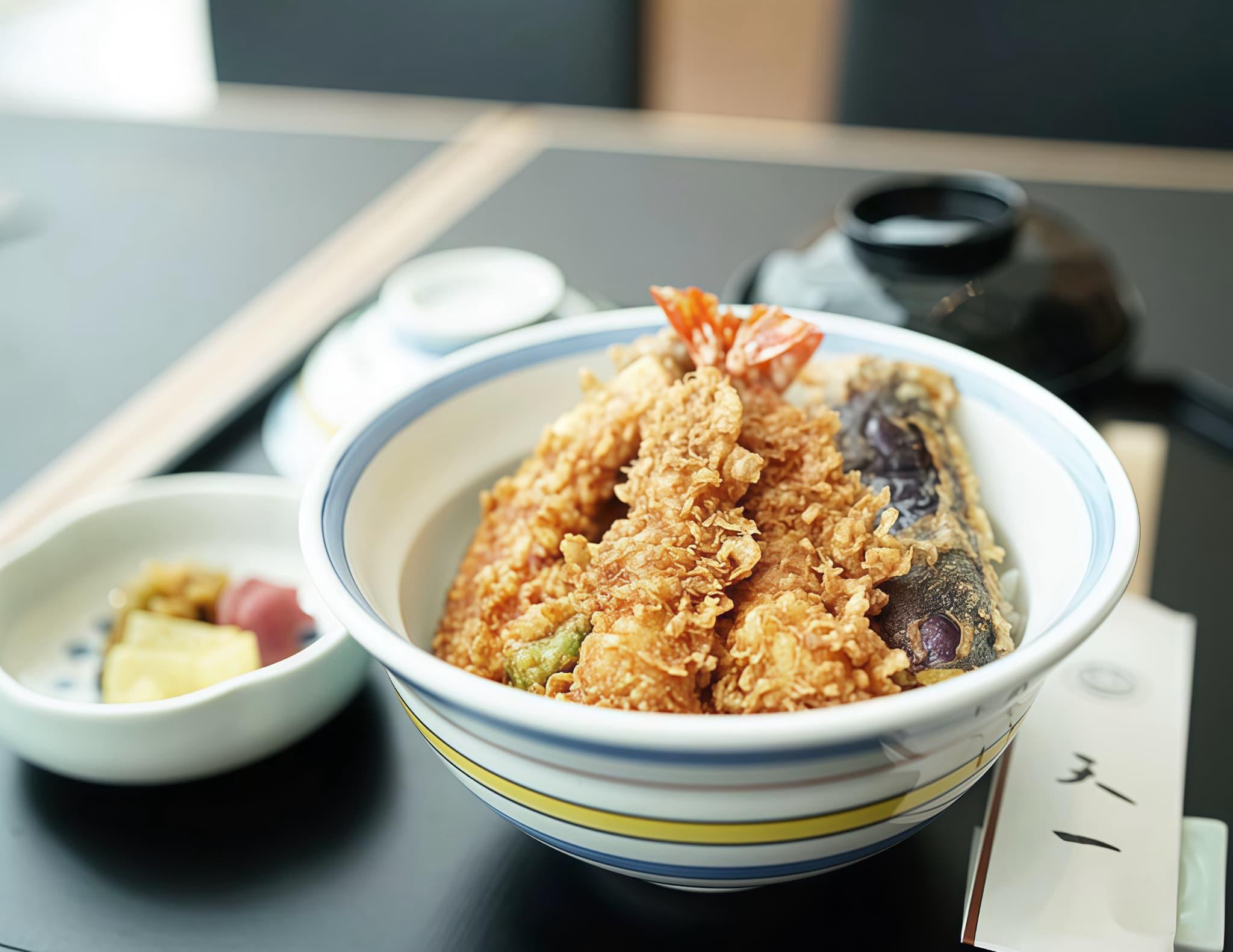
The benchmark for Edo-style tempura.
Tenichi Ginza is one of the longest established names in Tokyo tempura. Founded in 1931, the flagship stands on Harumi dori in central Ginza, where it has welcomed generations of local regulars, business guests, and international visitors. The room is spacious and calm, with pale wood counters and a quiet formality that feels natural rather than staged.
For many diners, Tenichi is a reference point for Edo style tempura in the same way Kyubey is for traditional sushi. Not because it relies on nostalgia, but because its techniques helped define the standard that later restaurants built from.
The kitchen works in the classic Tokyo style. Sesame oil and cottonseed oil are blended according to the ingredient being fried. Batter thickness, coating method, and frying temperature are adjusted piece by piece. Today, many younger tempura chefs use similar principles, whether directly or indirectly.
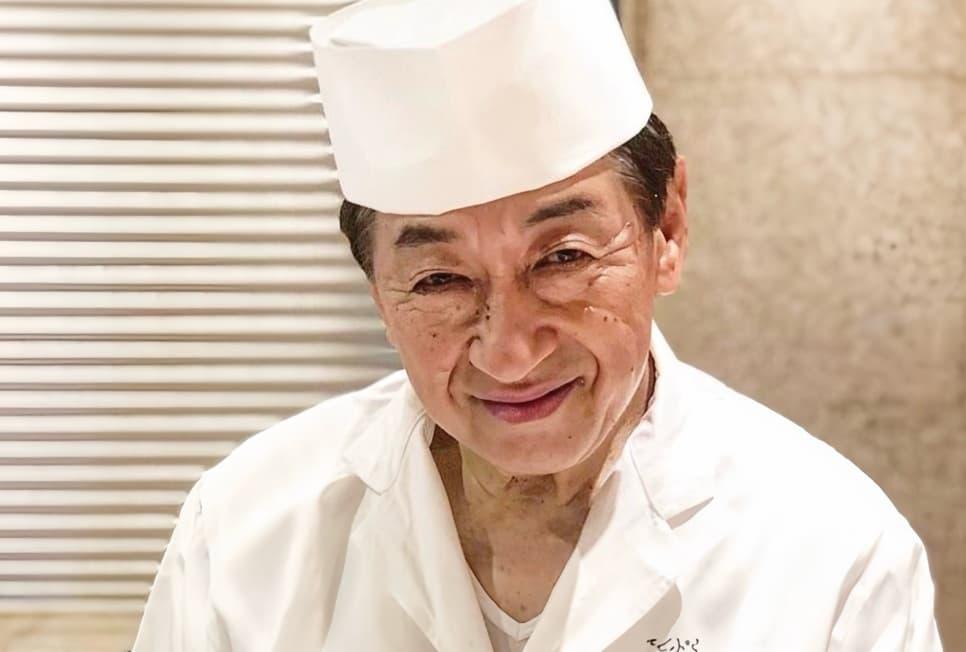
That influence can be seen across Tokyo. Several respected counters are led by chefs who trained here before opening their own restaurants, including Ten Yokota, Nii Tome, Tempura Asanuma, and Tenhaku. Each now has its own style, but the shared fundamentals remain easy to recognize.
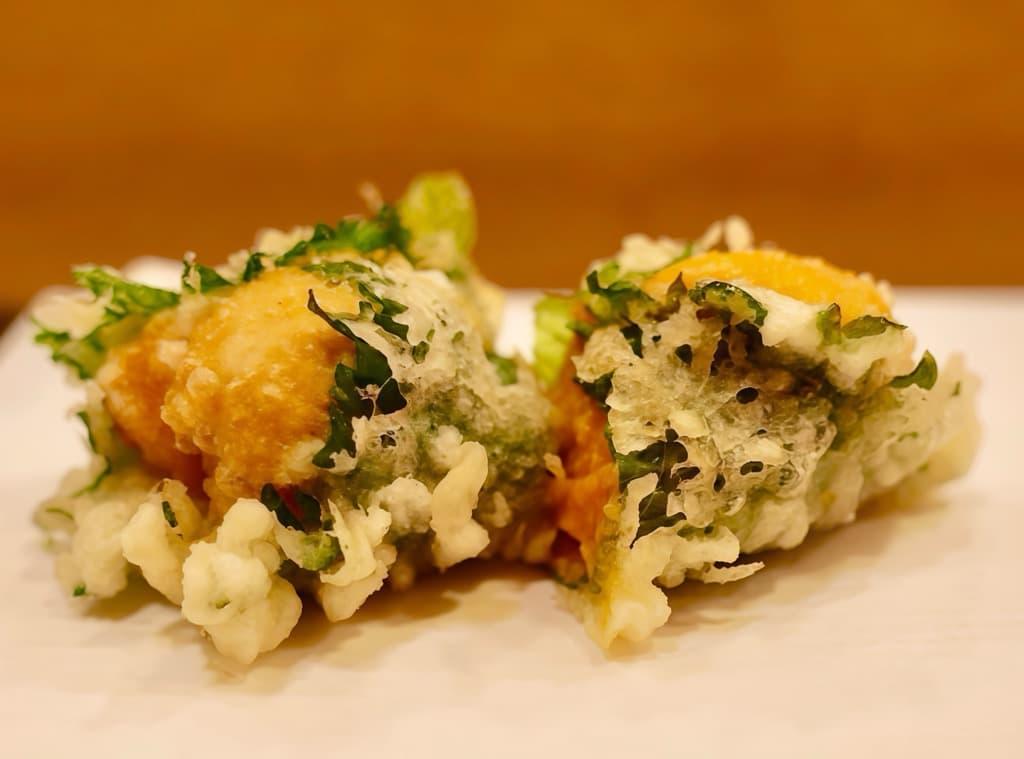
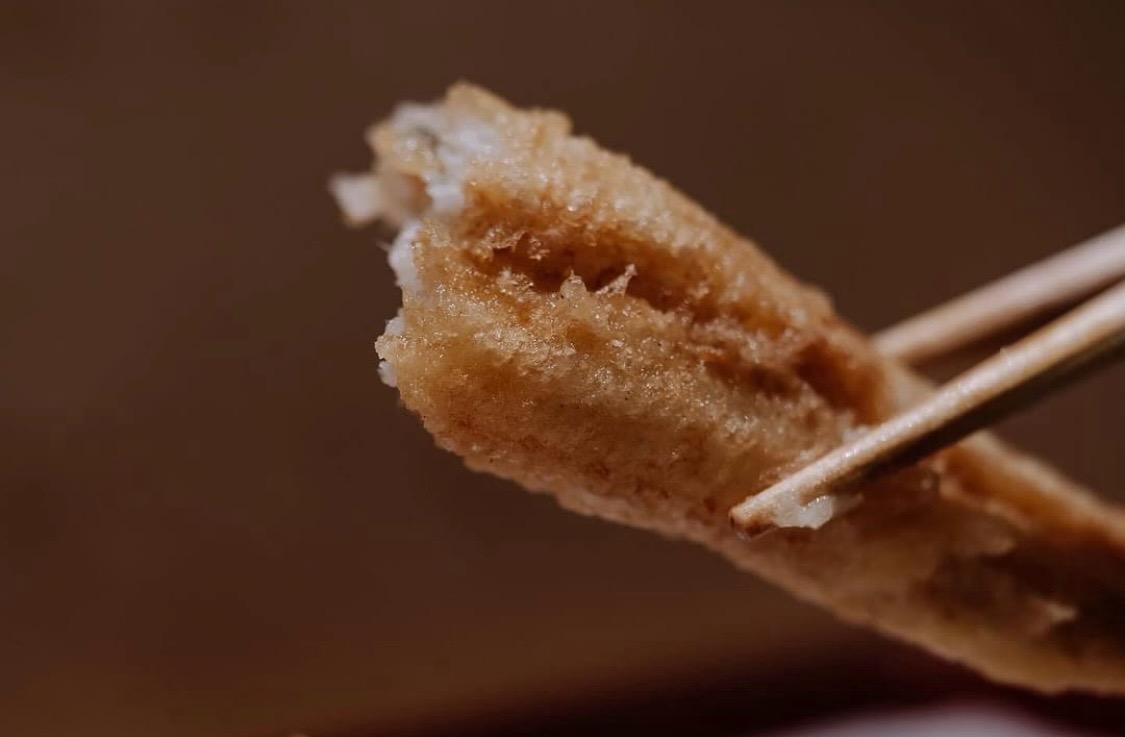
At the Ginza flagship, the cooking stays focused and direct. Batter is light and thin. The aroma of oil is present but never heavy. The frying is controlled so the ingredient keeps its own moisture and character.
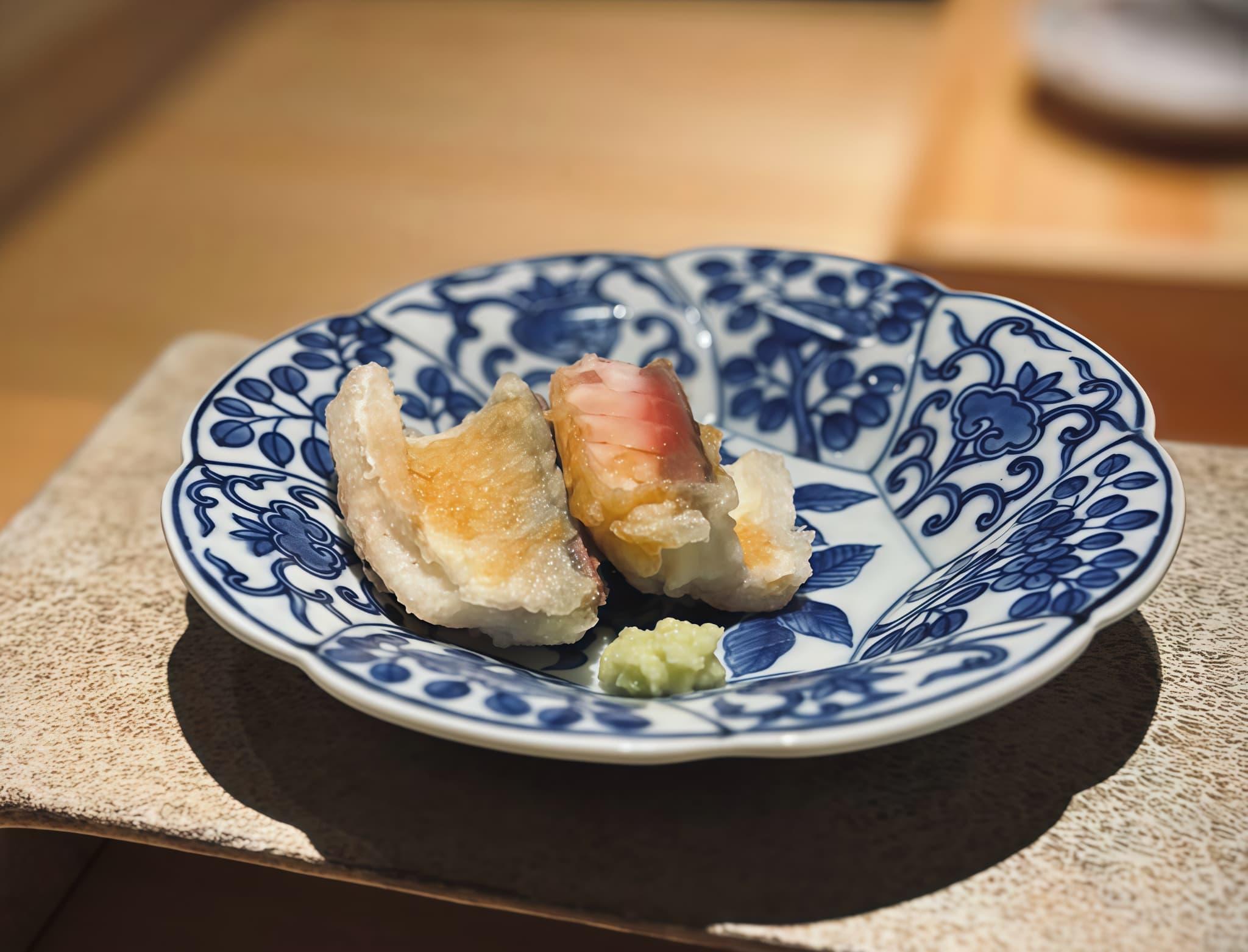
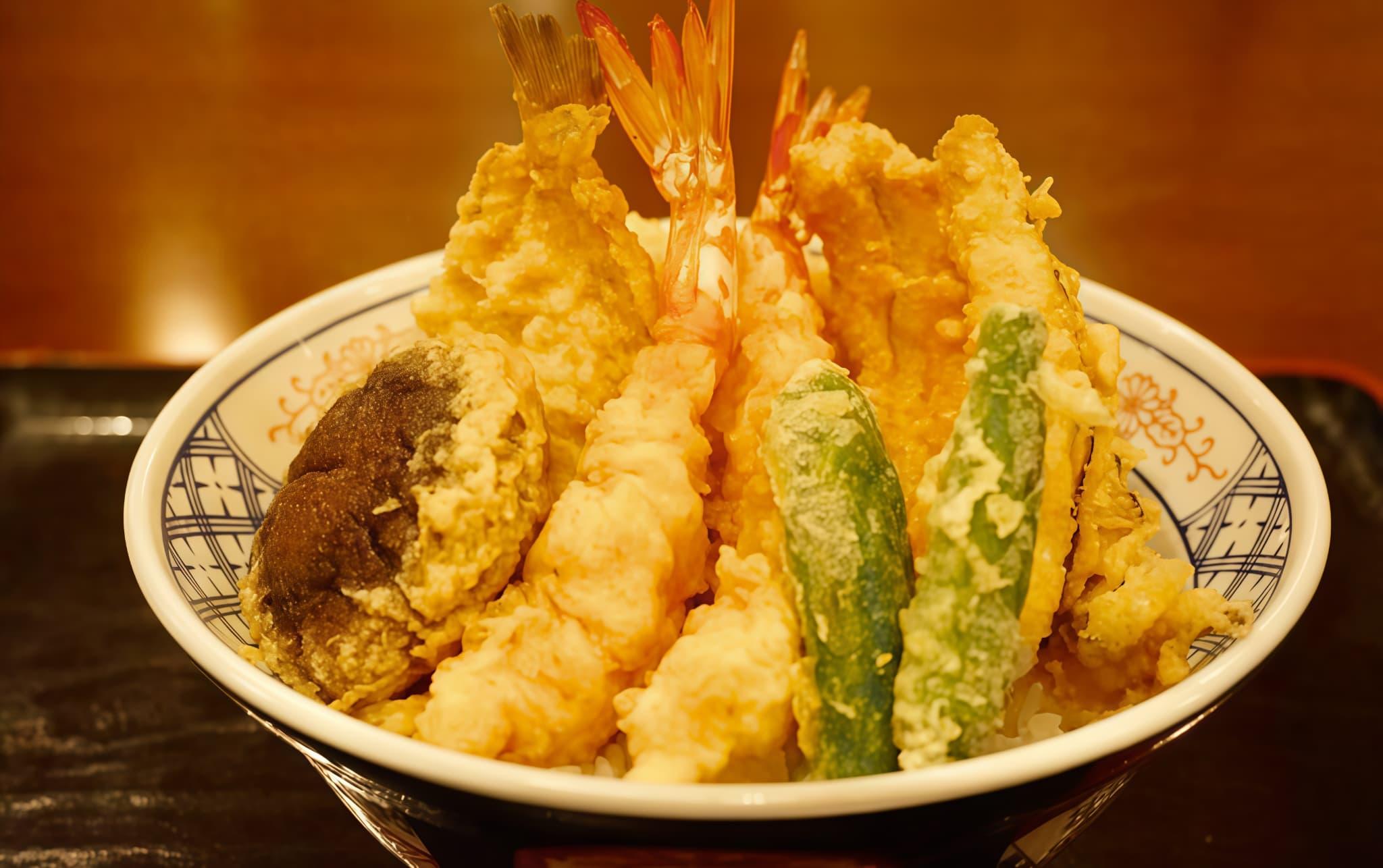
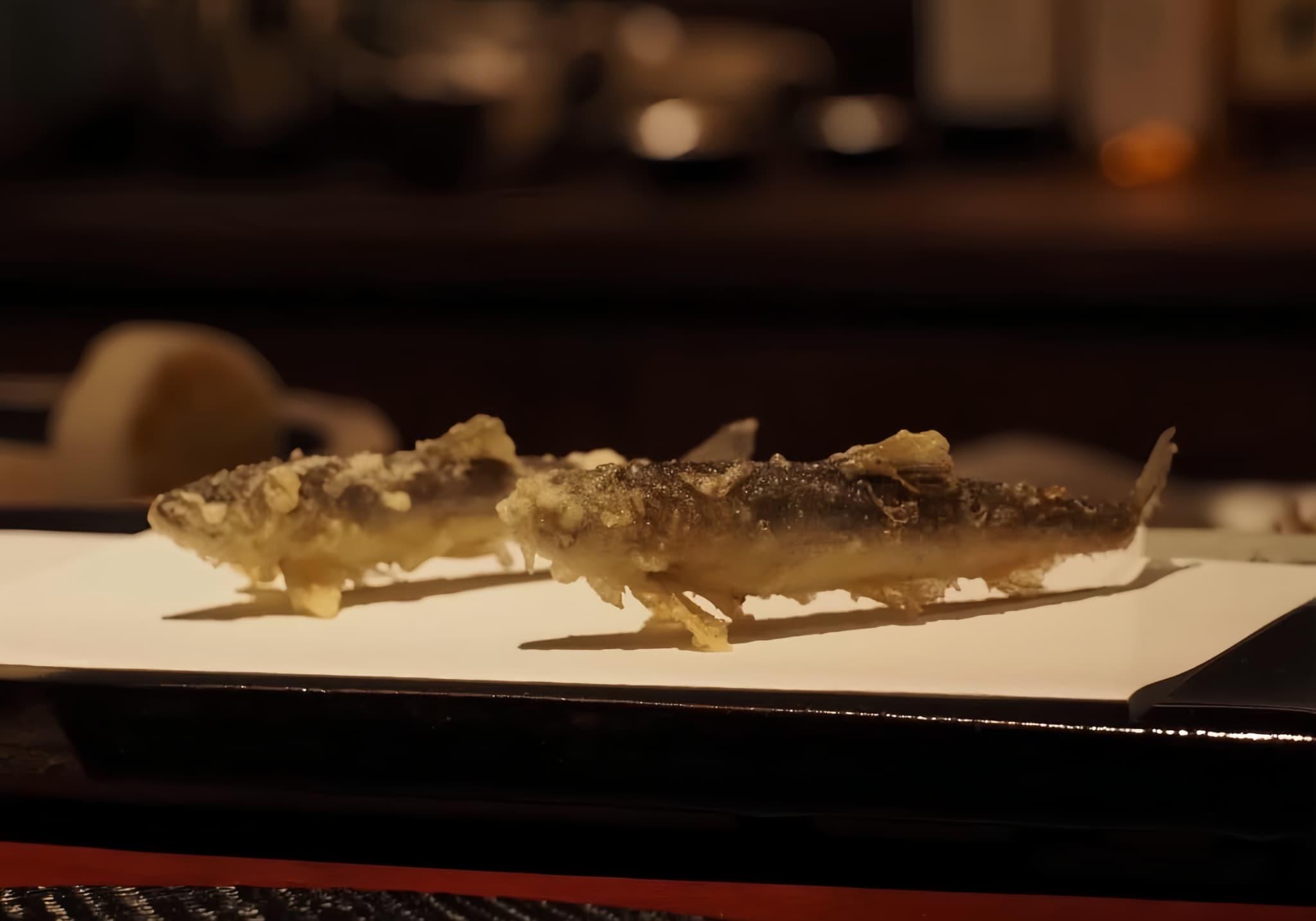
Shrimp, kisu, scallops, anago, and seasonal vegetables appear in their classic forms. Nothing is pushed toward novelty. The pleasure comes from precision and timing.
Courses usually follow a traditional flow, beginning with a small appetizer before moving into shrimp, fish, vegetables, and a final rice dish such as tendon or tencha. One of the strengths of the meal is how light it feels from start to finish. Careful oil management and decades of refinement keep the sequence balanced.
The restaurant has long experience serving guests from overseas, and international diners are welcomed with ease. It does not rely on decorative ideas of Japan. What it offers is straightforward: serious tempura, properly made.
Tenichi Ginza is not the place for experimentation. It is where many diners come when they want to understand the classic form at a high level.
Reservations are recommended. TableEX can arrange your booking directly and help secure the best available seating for your visit.
Courses

Lunch
Hana (Flower)
Booking fee ¥1,000
Lunch
Tsuki (Moon)
Booking fee ¥1,000
Lunch
Yuki (Snow)
Booking fee ¥1,000

Dinner
Ume (Plum)
Booking fee ¥1,000
Dinner
Momo (Peach)
Booking fee ¥1,000
Dinner
Sakura (Cherry Blossom)
Booking fee ¥1,000
Restaurant information
| Working Hours | 11:30 - 16:00 16:00 - 22:00 |
|---|---|
| Seats | 41 |
| Payment | Visa, MasterCard, Diners, American Express, Cash |
| Smoking | Not Allowed |
| Alcohol take-in | Not Allowed |
| Phone number | 050-5448-8842 |
| Address | 6-6-5 Ginza, Chuo-ku, Tokyo, Japan |
Location map

2026
October
More counters we can secure for you
Picked by the same team — similar style or nearby.