

Tempura Kitagawa
Tokyo
Tempura
The Quiet Tempura Counter Everyone Is Talking About
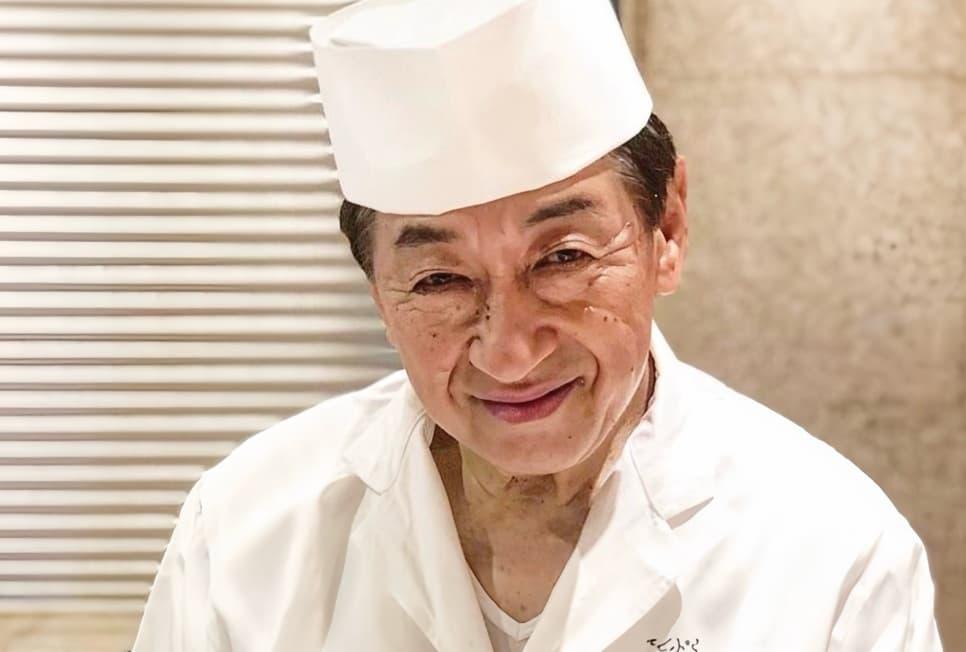
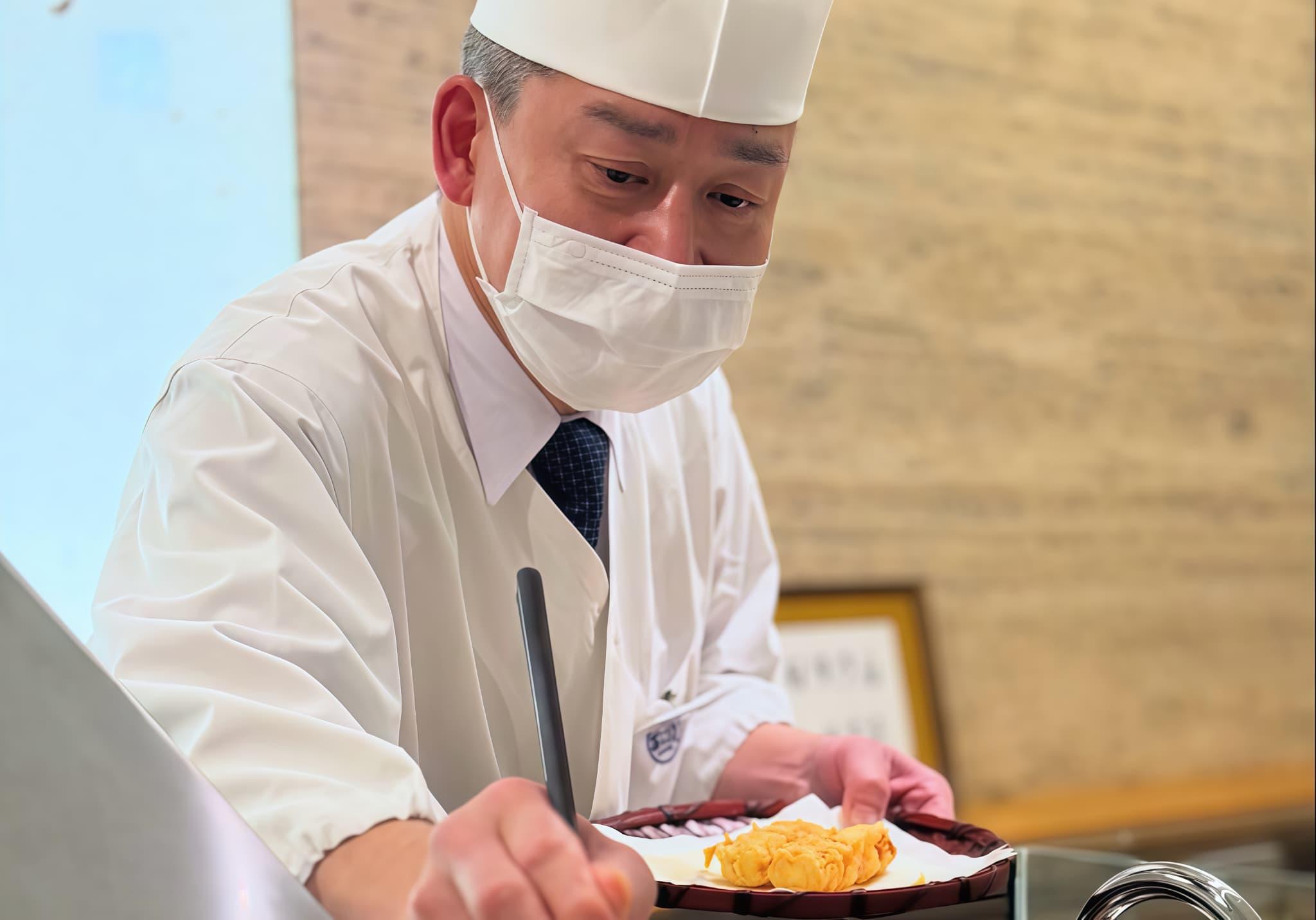
Tempura Kitagawa, which opened in January 2025 in Ebisu, marks the arrival of a new voice in Tokyo’s tempura scene. Calm, quiet, and deliberate—every movement behind the counter carries intent. Standing there is Naohiko Murata, a chef from Shizuoka who found his calling not through heritage but revelation.
Murata’s path is far from typical. He entered his family’s sushi restaurant at seventeen, left the trade in his twenties, and spent over a decade working outside the kitchen. Then, in his mid-thirties, a single meal at Tempura Naruse changed everything. The precision, the silence, the sheer clarity of flavor—it was a turning point.
From that day forward, Murata devoted himself to mastering tempura on his own. He read, fried, failed, and refined, spending four years building a personal theory of heat, oil, and batter. Yet one question remained: could his method hold up in the rhythm of a live counter?
To test himself, Murata joined Tempura Kondo in Ginza, one of Japan’s most revered tempura institutions. It was there that he learned what books could never teach—the invisible art of timing.
He recalls, “When I was alone, I was cooking for the ingredient. At Kondo, I learned to cook for people.”
He discovered how to listen to the sound of oil, how to pace a meal for ten guests at once, how to find stillness before the first bite. That year became the bridge between theory and expression.
At most tempura restaurants, the course begins with shrimp. At Kitagawa, it starts with tachiuo—beltfish sourced from Sasue Maeda Fish Shop, the legendary Shizuoka wholesaler whose name has become synonymous with Japan’s best seafood. Murata, who shares Maeda’s hometown roots, speaks of him with deep respect.
“With today’s ikejime and chilling methods, fish arrive in better condition than ever. There’s no need to rush. Time itself can be seasoning,” he says.
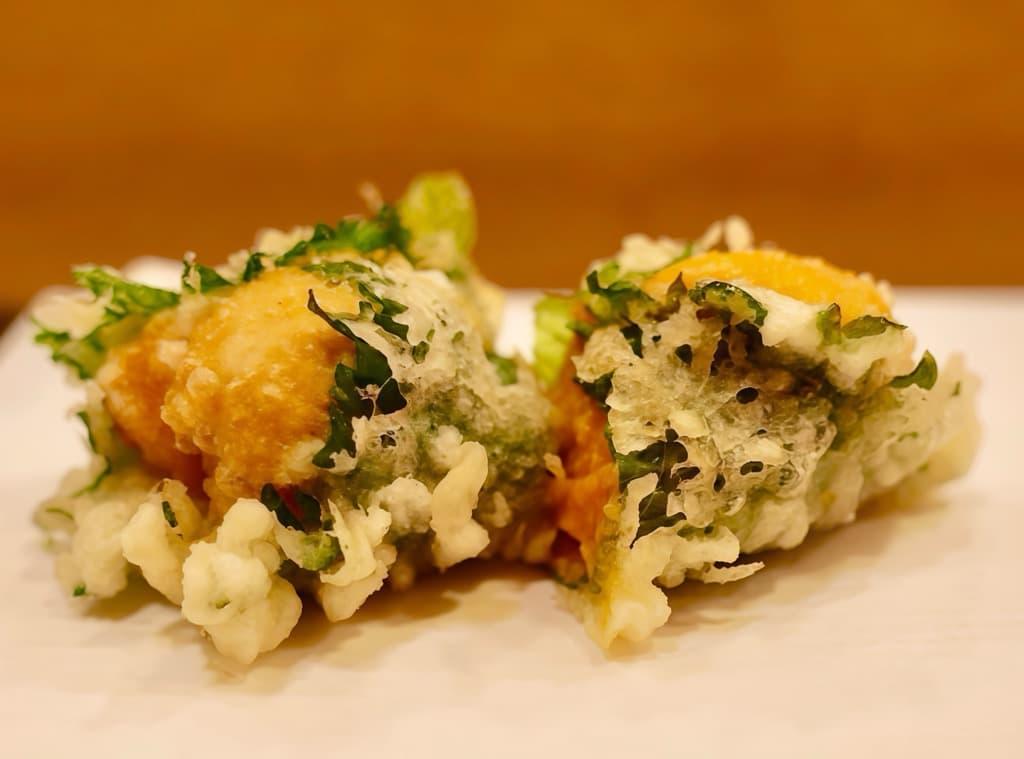
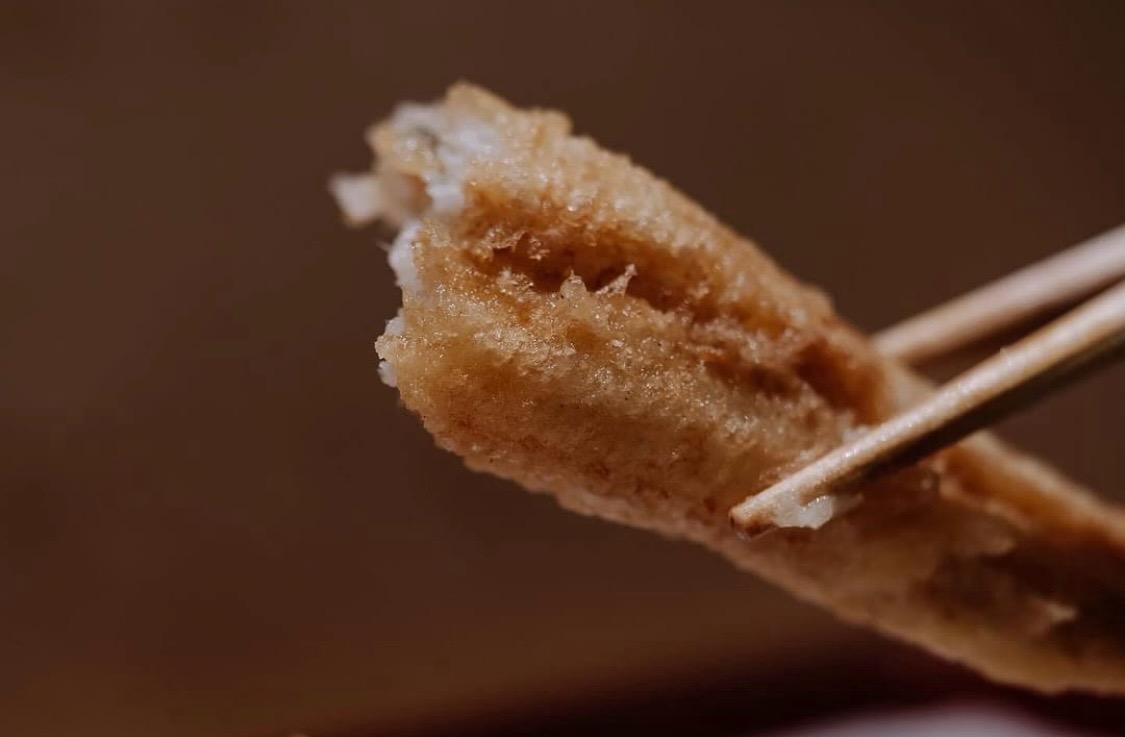
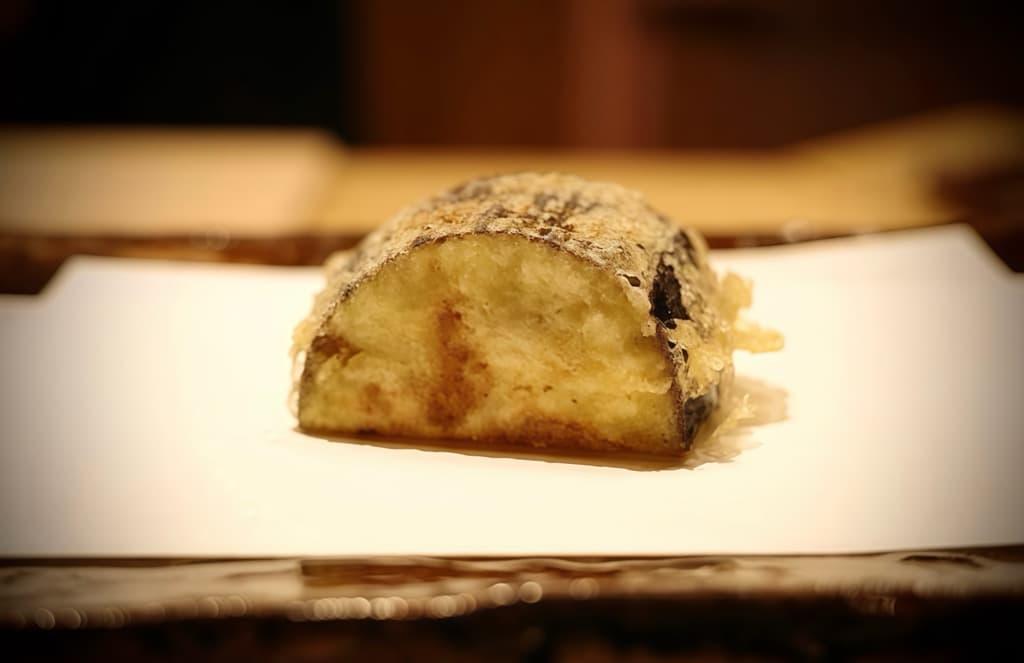
The tachiuo is rested for three to five days, allowing moisture to leave and flavor to condense. It’s then coated in a batter made from whipped egg whites—a technique that traps air and forms a shell so fine it’s almost translucent. Fried at a quiet 170°C, the sound of the oil is barely audible. The result: light, crisp, and fragrant, revealing the natural sweetness of the aged fish.
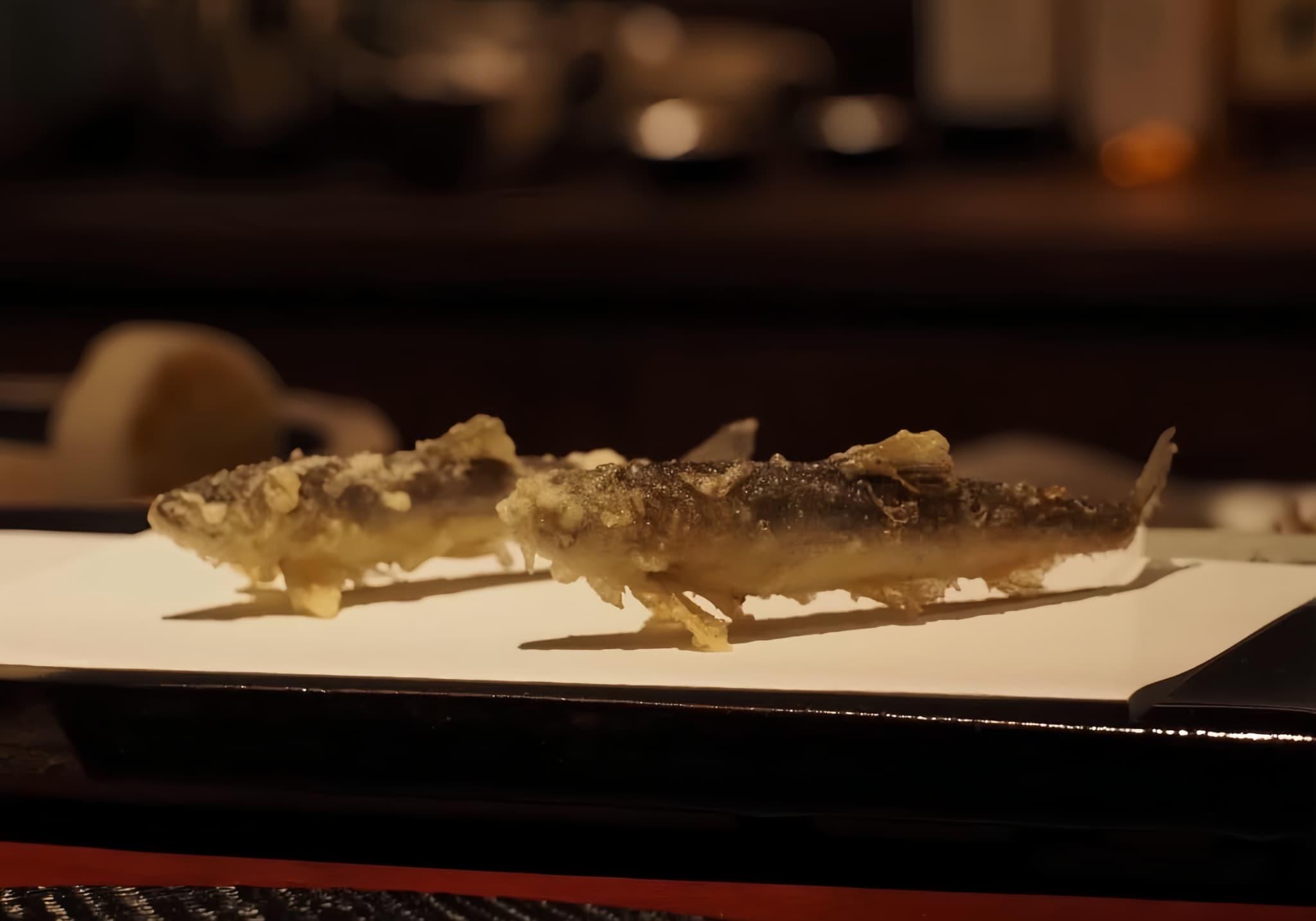
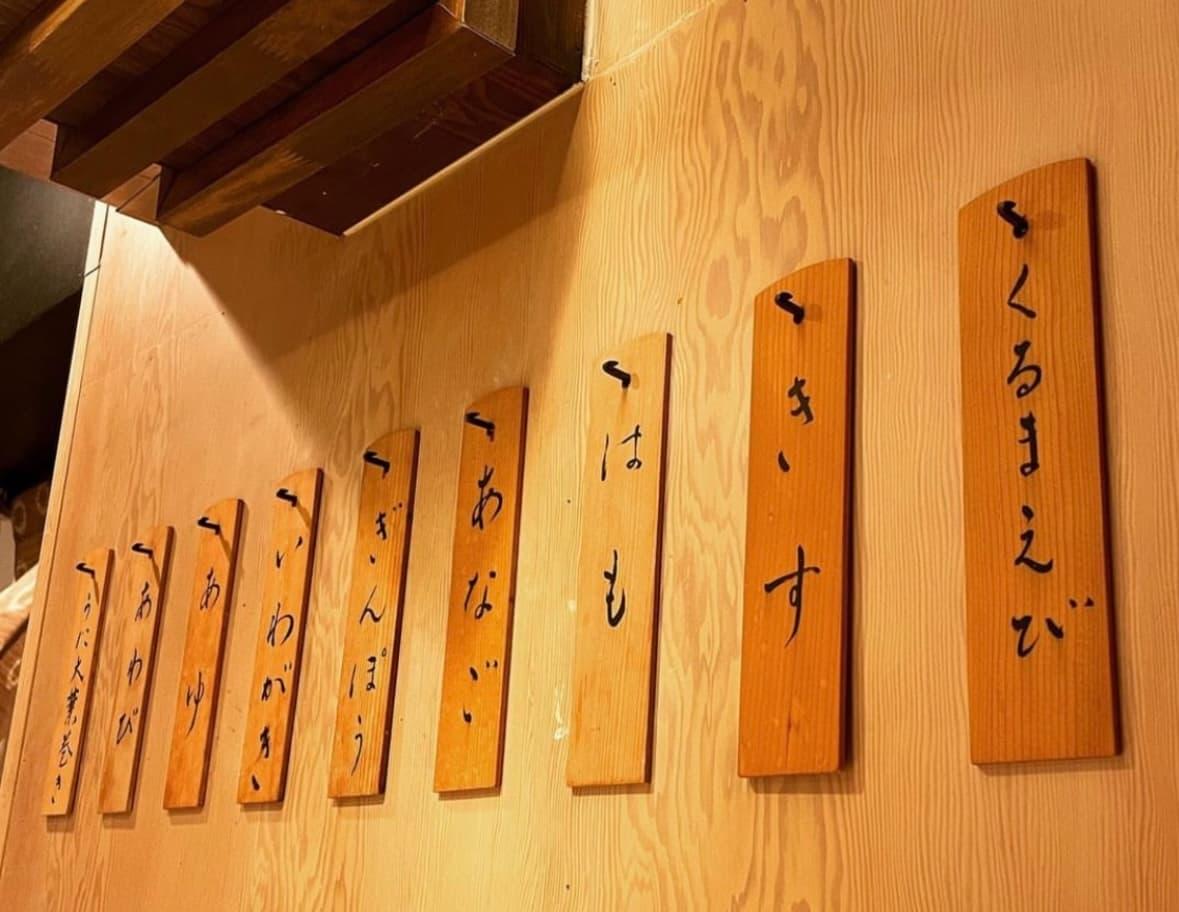
This quiet precision defines Kitagawa’s style. Murata’s tempura is restrained and transparent, each piece fried at its own rhythm. He changes the oil twice during every service, maintaining an almost clinical clarity. Kuruma ebi (tiger prawn) comes out soft and sweet, aji (horse mackerel) and ebodai (butterfish) supple and aromatic—each sourced from Sasue Maeda and aged to perfection.
For a Tokyo restaurant, the ingredient quality here is exceptional. Many tempura counters in the capital rely on predictable supply chains that rarely surprise. Kitagawa breaks that mold, importing the same caliber of fish used by Shizuoka’s top sushi restaurants. The difference is unmistakable: clean, mineral-driven flavor, no trace of fatigue or age.
Then comes the Red Moon potato, a dish that captures Murata’s personality in full. Instead of frying it once, he repeats the process—fry, rest, fry again—up to ten times, like the slow sear of a roast. The starches caramelize, sweetness deepens, and the interior turns silky and rich. It’s obsession turned into tenderness.
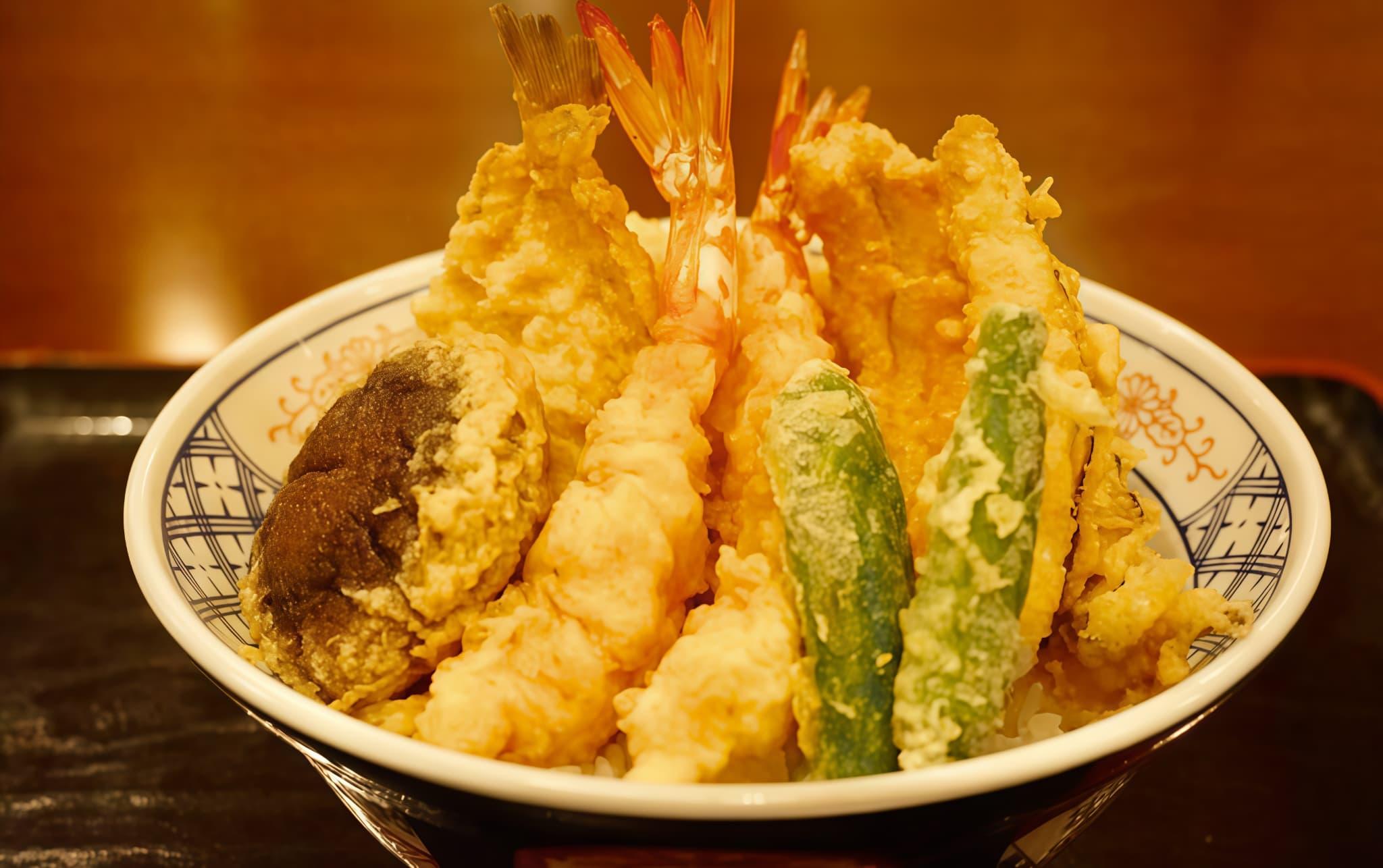
The meal ends with a choice of tendon or tencha. The latter uses a dashi made from tebiyama-style hand-dried bonito flakes, a centuries-old Shizuoka method that produces an intoxicating aroma. When the kakiage lands in the broth, it releases a gentle hiss—the sound of closure.
In recent years, many of Tokyo’s leading tempura chefs have emerged from the Mikawa Zezankyo lineage, defining the capital’s contemporary style with their ultra-refined technique and minimalist aesthetic.
Against that backdrop, Tempura Kitagawa stands out as something different—an independent voice shaped not by lineage but by curiosity, precision, and an almost scientific sense of patience.
Murata may not yet match the finesse of masters like Naruse, but his instinct for sourcing and his restraint in frying set him apart from Tokyo’s typical counters. His fish, his oil, even his silences carry intent.
He’s not just replicating tradition—he’s reinterpreting what it means to be modern in tempura.
A newcomer with rare potential, Tempura Kitagawa may well become the restaurant that redefines what “Tokyo-style tempura” can be.
Murata’s path is far from typical. He entered his family’s sushi restaurant at seventeen, left the trade in his twenties, and spent over a decade working outside the kitchen. Then, in his mid-thirties, a single meal at Tempura Naruse changed everything. The precision, the silence, the sheer clarity of flavor—it was a turning point.
From that day forward, Murata devoted himself to mastering tempura on his own. He read, fried, failed, and refined, spending four years building a personal theory of heat, oil, and batter. Yet one question remained: could his method hold up in the rhythm of a live counter?
To test himself, Murata joined Tempura Kondo in Ginza, one of Japan’s most revered tempura institutions. It was there that he learned what books could never teach—the invisible art of timing.
He recalls, “When I was alone, I was cooking for the ingredient. At Kondo, I learned to cook for people.”
He discovered how to listen to the sound of oil, how to pace a meal for ten guests at once, how to find stillness before the first bite. That year became the bridge between theory and expression.
At most tempura restaurants, the course begins with shrimp. At Kitagawa, it starts with tachiuo—beltfish sourced from Sasue Maeda Fish Shop, the legendary Shizuoka wholesaler whose name has become synonymous with Japan’s best seafood. Murata, who shares Maeda’s hometown roots, speaks of him with deep respect.
“With today’s ikejime and chilling methods, fish arrive in better condition than ever. There’s no need to rush. Time itself can be seasoning,” he says.
The tachiuo is rested for three to five days, allowing moisture to leave and flavor to condense. It’s then coated in a batter made from whipped egg whites—a technique that traps air and forms a shell so fine it’s almost translucent. Fried at a quiet 170°C, the sound of the oil is barely audible. The result: light, crisp, and fragrant, revealing the natural sweetness of the aged fish.
This quiet precision defines Kitagawa’s style. Murata’s tempura is restrained and transparent, each piece fried at its own rhythm. He changes the oil twice during every service, maintaining an almost clinical clarity. Kuruma ebi (tiger prawn) comes out soft and sweet, aji (horse mackerel) and ebodai (butterfish) supple and aromatic—each sourced from Sasue Maeda and aged to perfection.
For a Tokyo restaurant, the ingredient quality here is exceptional. Many tempura counters in the capital rely on predictable supply chains that rarely surprise. Kitagawa breaks that mold, importing the same caliber of fish used by Shizuoka’s top sushi restaurants. The difference is unmistakable: clean, mineral-driven flavor, no trace of fatigue or age.
Then comes the Red Moon potato, a dish that captures Murata’s personality in full. Instead of frying it once, he repeats the process—fry, rest, fry again—up to ten times, like the slow sear of a roast. The starches caramelize, sweetness deepens, and the interior turns silky and rich. It’s obsession turned into tenderness.
The meal ends with a choice of tendon or tencha. The latter uses a dashi made from tebiyama-style hand-dried bonito flakes, a centuries-old Shizuoka method that produces an intoxicating aroma. When the kakiage lands in the broth, it releases a gentle hiss—the sound of closure.
In recent years, many of Tokyo’s leading tempura chefs have emerged from the Mikawa Zezankyo lineage, defining the capital’s contemporary style with their ultra-refined technique and minimalist aesthetic.
Against that backdrop, Tempura Kitagawa stands out as something different—an independent voice shaped not by lineage but by curiosity, precision, and an almost scientific sense of patience.
Murata may not yet match the finesse of masters like Naruse, but his instinct for sourcing and his restraint in frying set him apart from Tokyo’s typical counters. His fish, his oil, even his silences carry intent.
He’s not just replicating tradition—he’s reinterpreting what it means to be modern in tempura.
A newcomer with rare potential, Tempura Kitagawa may well become the restaurant that redefines what “Tokyo-style tempura” can be.
Courses

Dinner
Omakase
Booking fee ¥1,000
JPY20,500
(Tax Incl.)
Restaurant rules
Please refrain from wearing strong fragrances, including perfumes, fabric softeners, or scented sprays, when visiting the restaurant.
Substitutes are not accepted. The guest who made the reservation must attend in person.
Substitutes are not accepted. The guest who made the reservation must attend in person.
Restaurant information
| Working Hours | 17:30〜23:00 |
|---|---|
| Seats | 8 |
| Payment | Visa, MasterCard, Diners, American Express, Cash |
| Smoking | Not Allowed |
| Alcohol take-in | Not Allowed |
| Phone number | 080-3000-7735 |
| Address | 1-17-15 Ebisuminami, Shibuya-ku, Tokyo, Japan |
Location map
Request
Instant Reservation
2026
October
M
T
W
T
F
S
S
27
28
29
1
2
3
4
5
6
7
8
9
10
11
12
13
14
15
16
17
18
19
20
21
22
23
24
25
26
27
28
29
30
31
Checking request availability…
Checking request availability…
More counters we can secure for you
Picked by the same team — similar style or nearby.