

Sushi Matsumoto
Kyoto
Sushi
From Shimbashi Shimizu to Kyoto
In Kyoto, a city historically shaped by kaiseki rather than sushi, truly serious Edomae sushi remains surprisingly rare. Many shops now advertise red vinegar shari and Tokyo style techniques, but most eventually soften their edges to match Kyoto's gentler palate. Sushi Matsumoto stands apart precisely because it refuses to do that.
Chef Daisuke Matsumoto is the top disciple of Shimbashi Shimizu, one of Tokyo's most uncompromising Edomae masters. Matsumoto first encountered Shimizu's sushi while training at Kyubey in Ginza and was so deeply affected by the flavor that he left to join the Shimizu counter directly, spending five years learning under his mentor's side.
At 31, despite having no personal connection to Kyoto, he chose to open his own restaurant in Gion. Even now, he jokes that he still feels slightly like an outsider in Kyoto. That outsider perspective may be exactly what gives Sushi Matsumoto its identity. Rather than adapting himself to Kyoto, Matsumoto brought Tokyo style Edomae sushi into Kyoto almost unchanged.
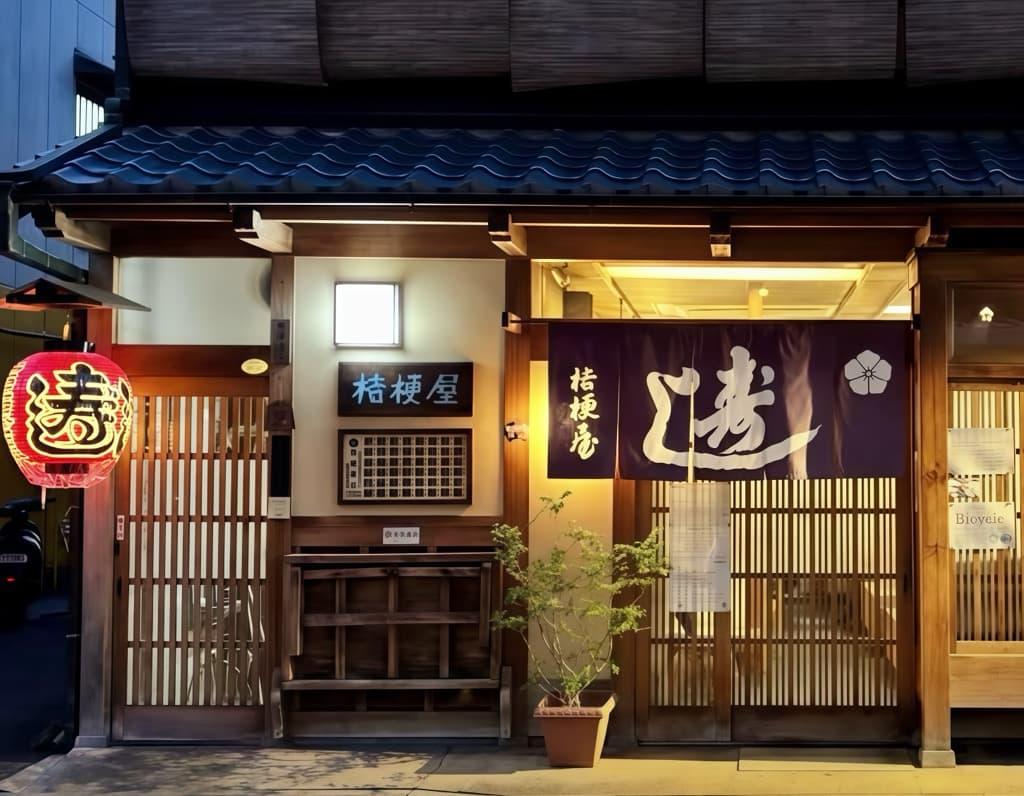
The restaurant sits in the heart of Gion, blending naturally into Kyoto's traditional streetscape. The exterior feels elegant and understated, almost like a refined kaiseki restaurant. Walking through the noren carries a real sense of anticipation. Inside, the lighting is intentionally subdued. The room feels unmistakably Kyoto in appearance, yet the aroma tells a different story: sharp vinegar, fish, seaweed, and the clean scent of a serious sushi counter. That contrast is one of the restaurant's defining pleasures.
Everything here revolves around the shari.
Matsumoto's shari is among the boldest in Japan. He uses no sugar whatsoever, relying only on red vinegar and a notably assertive level of salt. The rice is cooked slightly firm, with clear grain definition and a loose texture that falls apart quickly in the mouth. The acidity is aggressive, sharp, and completely unapologetic.
Even within Tokyo, this style would be considered strong. In Kyoto, it feels almost radical.
Matsumoto openly says he intentionally pushes the seasoning harder. Rather than gently supporting the neta, the shari challenges it directly. At times, the aroma of the red vinegar nearly overtakes delicate fish. Yet with stronger preparations, the balance becomes thrilling.
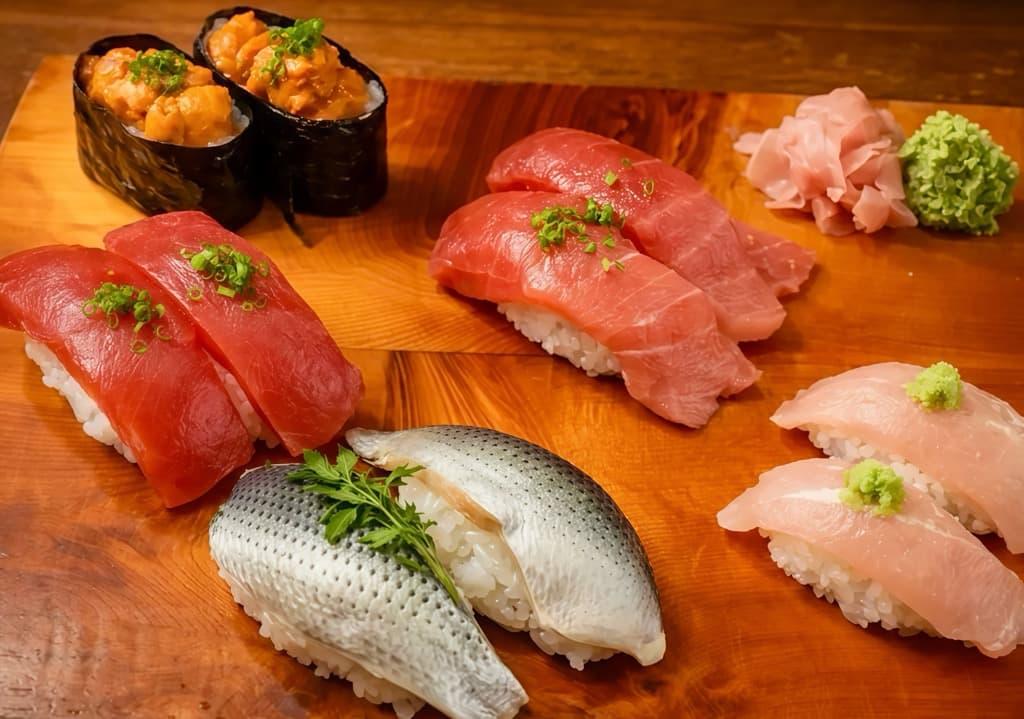
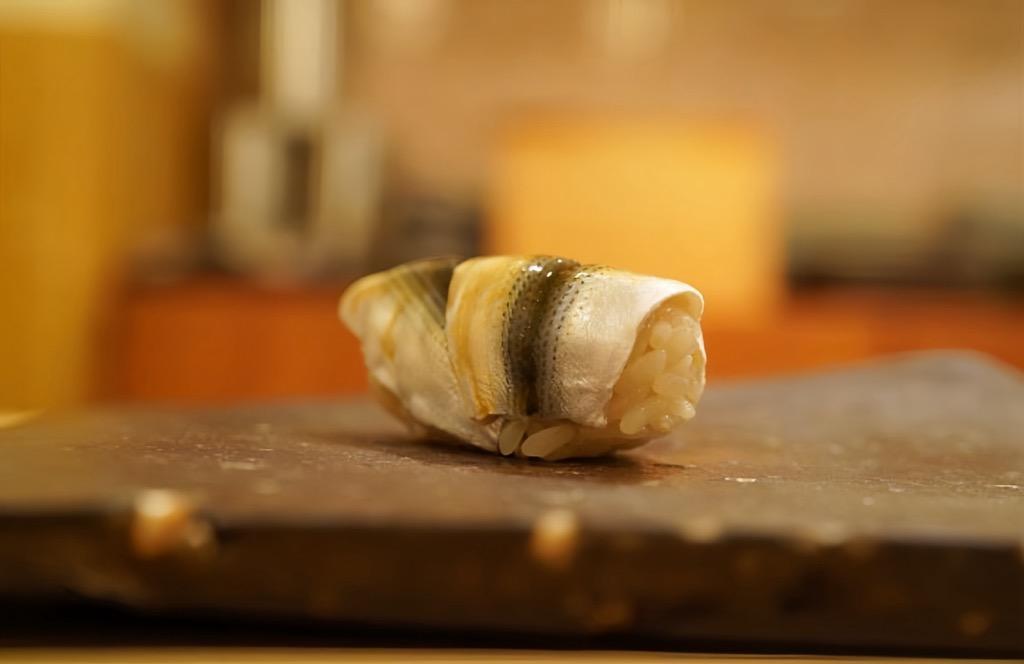
His kohada perfectly captures this philosophy. He cures it heavily in vinegar, concentrating both aroma and umami into a tight, powerful expression of classic Edomae technique. Matsumoto himself proudly says he believes his kohada is the best anywhere. After tasting it, the confidence no longer sounds exaggerated.
Maguro works especially well with this style of shari. Fatty cuts from Oma gain clarity and sweetness against the sharp acidity, creating strong contrast rather than simple harmony. Simmered clam with thick nikiri also pairs beautifully with the rice. On the other hand, more delicate fish such as amadai or kuruma-ebi occasionally struggle against the sheer force of the red vinegar. That tension becomes part of the experience itself.
Ingredient sourcing follows the same philosophy: flavor first, origin second.
Roughly two thirds of the seafood comes from Toyosu Market, especially classic Edomae staples like kohada. At the same time, Matsumoto actively sources fish from Western Japan whenever quality is superior. Akashi sea bream is lightly aged to create sticky sweetness and deeper aroma. Sawara receives a gentle smoking treatment that adds fragrant depth without overwhelming the flesh. A lightly seared and marinated winter buri from Himi was particularly memorable, delivering explosive fat, smoke, and mature fish aroma all at once.
The otsumami courses are equally refined without becoming overly elaborate. Akashi octopus, ark shell clam, spring cabbage with clam broth, child ayu, tairagai, and squid filled with roe all show careful restraint rather than flashy creativity. Shellfish preparation throughout the course is especially strong. Tsubugai, cut with remarkable precision, preserves its firm texture while remaining surprisingly clean on the bite.
Even the tamago leaves an impression. Layered almost like a gradient, it resembles a refined custard more than traditional sushi tamago. Lightly fragrant on the surface, soft and pudding-like inside, it reflects the same meticulous attention seen throughout the meal.
Matsumoto's personality mirrors his sushi. Service is concise, dry, and free of unnecessary performance. There is no attempt to entertain guests with exaggerated hospitality. Instead, the focus remains entirely on the craft itself. For serious sushi lovers, that straightforward atmosphere feels reassuring rather than cold.
Kyoto is no longer a city without high level sushi. Yet even now, Sushi Matsumoto remains uniquely important because it does not behave like a Kyoto sushi restaurant trying to imitate Edomae. It feels like an authentic Tokyo Edomae counter that simply happens to exist in Kyoto.
Overview
| Cuisine | Sushi |
|---|---|
| Area | Gion, Kyoto |
| Chef | Daisuke Matsumoto |
| Background | Shimashi Shimizu |
| Shari | Strong acidity, Red vinegar based |
| English support | Limited |
Courses

Lunch
13-piece Nigiri
Booking fee ¥1,000
Lunch
17-piece Nigiri
Booking fee ¥1,000
Lunch
3 Appetizers + 12-piece Nigiri
Booking fee ¥1,000

Dinner
Omakase
Booking fee ¥1,000
Restaurant information
| Working Hours | 11:30 - 14:00 17:00 - 23:00 |
|---|---|
| Seats | 11 |
| Payment | Visa, MasterCard, Diners, American Express, Cash |
| Smoking | Not Allowed |
| Alcohol take-in | Not Allowed |
| Phone number | 075-531-2031 |
| Address | 570-123 Gionmachiminamigawa, Higashiyama-ku, Kyoto-shi, Kyoto, Japan |
Location map

2026
October
More counters we can secure for you
Picked by the same team — similar style or nearby.