

Tempura Matsu
Kyoto
Kaiseki
Tempura as Part of a Larger Japanese Course
Located along the right bank of the Katsura River in Arashiyama, Kyoto, Tempura Matsu is a restaurant that quietly resists easy categorization. Despite its scenic setting near one of Kyoto’s most visited areas, it is not designed for casual sightseeing diners. The restaurant accepts reservations by phone only, does not take credit cards, and sits slightly removed from the main tourist flow near Togetsukyo Bridge. These factors have kept it relatively under the radar for visitors from Tokyo and overseas. At the same time, it has earned consistent support from Kyoto’s local gourmets and repeat guests, reflected in its Tabelog Bronze Award and its reputation as a reliable destination rather than a trend driven spot.
The kitchen is led by the second generation of the family, while his mother continues to handle service and his sister assists on the floor, maintaining a family run structure that has been in place since the restaurant’s early days. What has changed significantly is the culinary direction. The current chef trained extensively outside the tempura tradition, with experience in both French fine dining under the Alain Ducasse group in Tokyo and classical Japanese cuisine at establishments such as Kitcho and Miyamaso. Rather than advertising these credentials, the restaurant allows them to surface naturally through the composition and execution of the dishes. This background explains why Tempura Matsu has evolved from a straightforward tempura house into a restaurant whose core now lies closer to kaiseki.
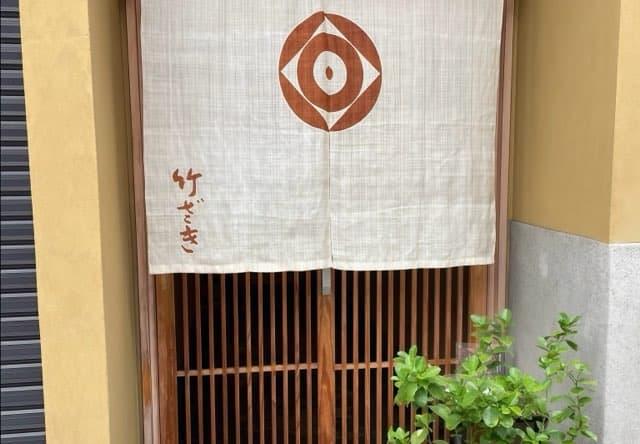
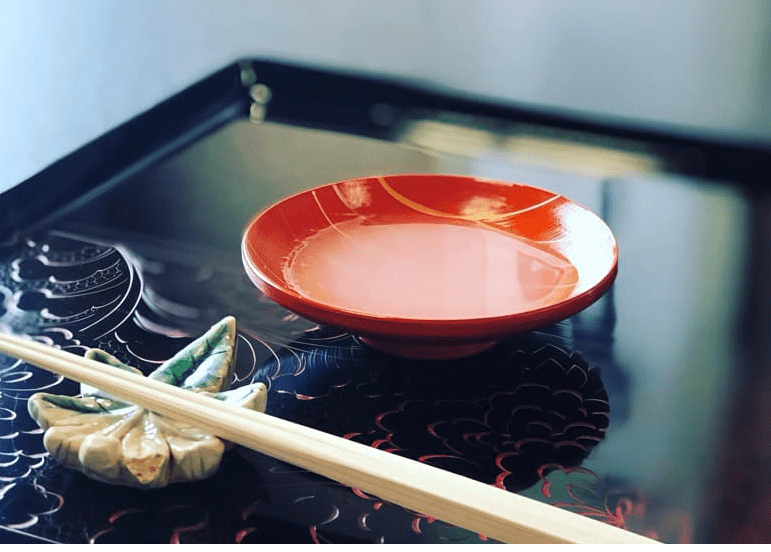
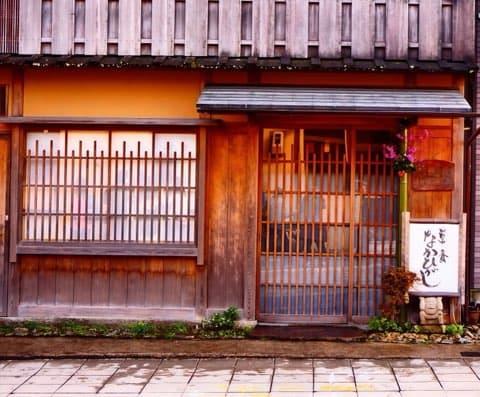
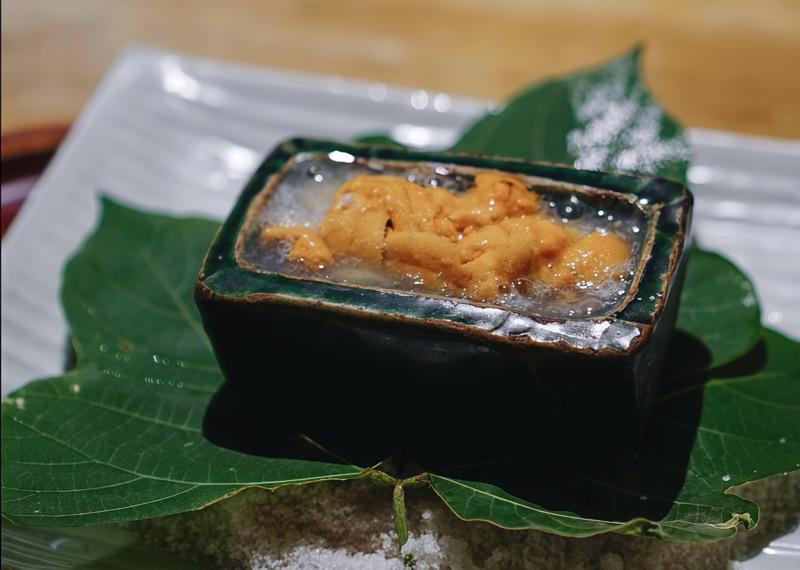
The exterior remains modest and unassuming, resembling a traditional tempura shop rather than a destination restaurant. Inside, the space opens immediately onto the kitchen, surrounded by counter seating that faces large windows overlooking the Katsura River. The first floor consists of counter and table seating, while the second floor offers private tatami rooms, making it a comparatively large establishment for a tempura restaurant. One of the defining elements of the interior is the tableware. Antique and museum level ceramics are used regularly, including works by figures such as Kitaoji Rosanjin and Kawai Kanjiro. These pieces come from a collection inherited from the chef’s mother, who had deep ties to the world of ceramics. The use of such vessels is not ornamental; they are integrated into daily service, reinforcing the restaurant’s emphasis on craft and continuity.
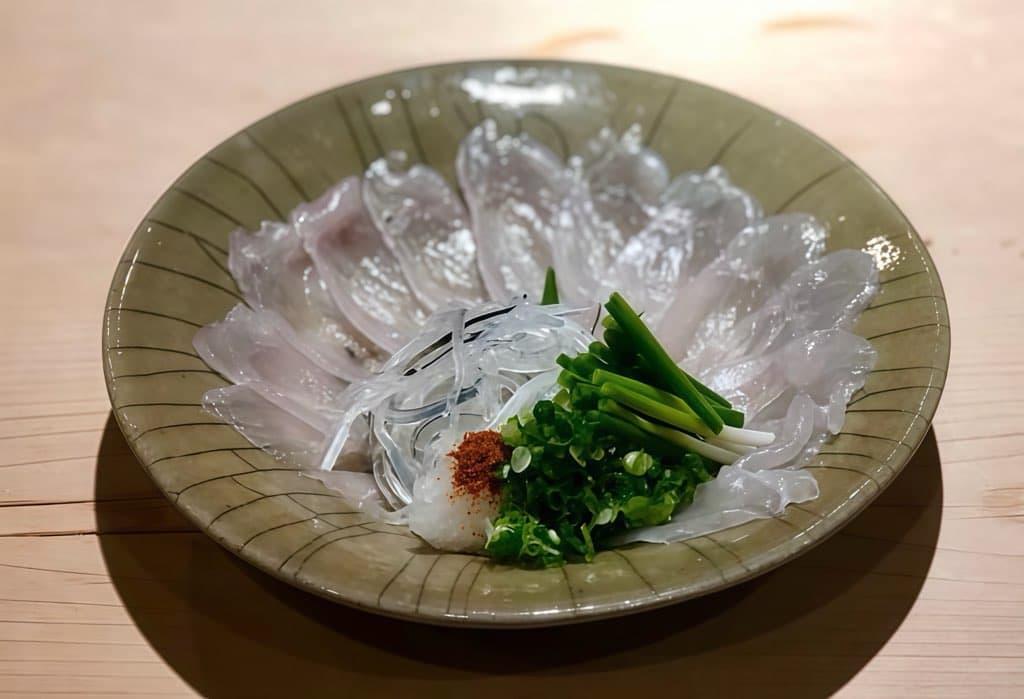
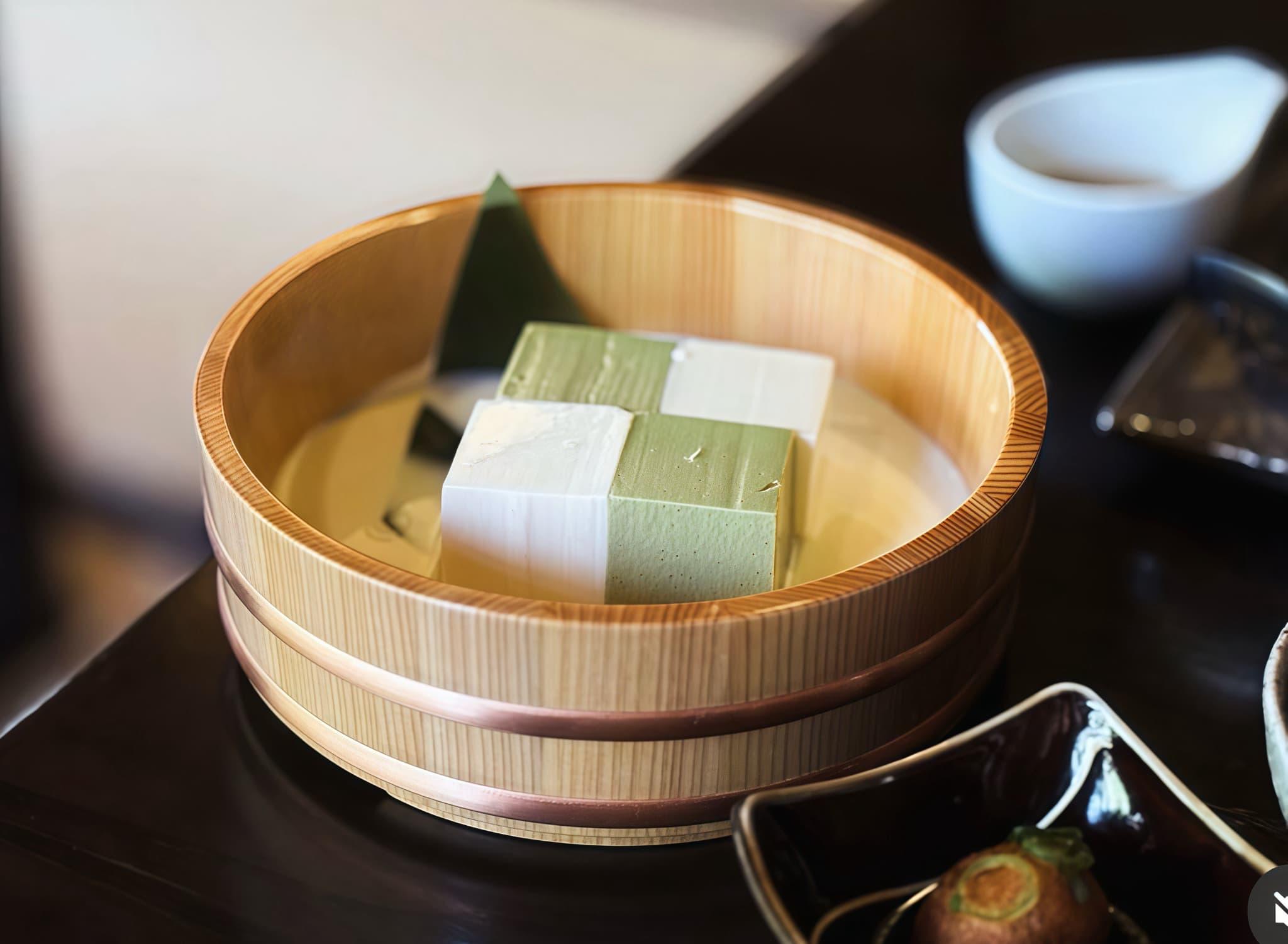
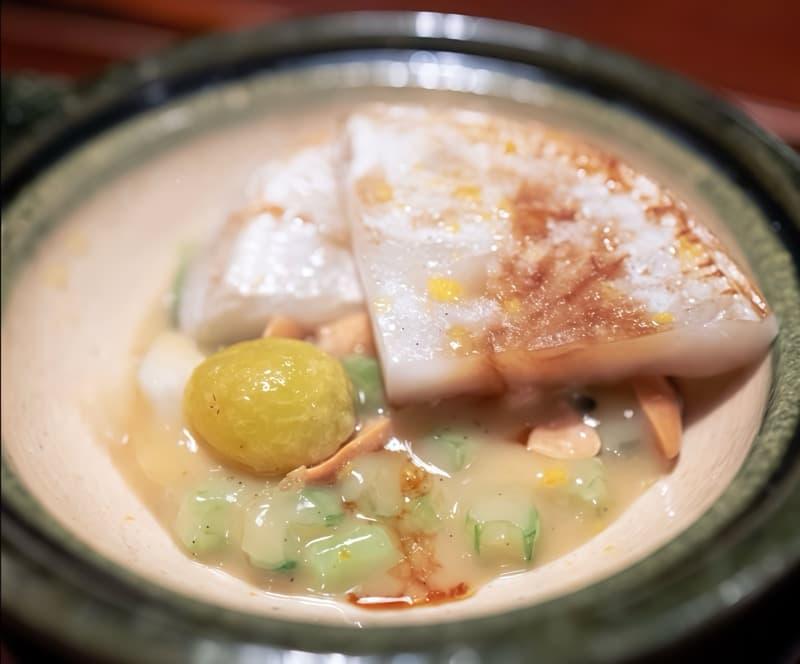
Although the restaurant carries the name “Tempura Matsu,” the course structure makes it clear that tempura is not the sole focus. The meal typically begins with dishes such as house made karasumi served with freshly cooked rice, followed by refined seasonal appetizers, sashimi, charcoal grilled fish, soups, and sushi. Only after this sequence does the course transition into tempura. This ordering is deliberate. Tempura functions as an important element within the course, but it does not dominate the experience. The emphasis is placed on balance, pacing, and cohesion rather than volume.
The individual dishes demonstrate the chef’s strengths clearly. The house made karasumi is lightly salted and finished rare, allowing its umami to stand out when paired with warm rice and nori. Charcoal grilled Spanish mackerel is seared firmly on the skin while remaining rare inside, finished with sudachi or a ponzu based jelly that adds brightness without masking the fish. Bamboo shoots, harvested in the morning, are simply boiled in water to preserve their natural sweetness and crisp texture. Sushi and soup courses are executed at a level that would not feel out of place in a dedicated kaiseki restaurant, reinforcing that these are not secondary offerings.
The tempura portion typically features seasonal ingredients such as koshiabura, shirauo, prawn, new onion, and whiting. The batter is light, the oil restrained, and the frying precise, allowing the inherent sweetness and aroma of each ingredient to come through clearly. The number of pieces is intentionally limited, but the sequence feels complete rather than abbreviated. Increasing the quantity would disrupt the balance established earlier in the course, and the restraint here reflects a conscious design choice rather than an omission.
What the guest gains from a visit to Tempura Matsu is not spectacle or overt luxury. Instead, the experience is defined by the alignment of environment, food, and rhythm. The view of the Katsura River, the patina of the interior, the presence of antique ceramics, and the understated hospitality of a family run operation all reinforce the food rather than compete with it. Visitors expecting a traditional tempura counter may initially be surprised, but those approaching the meal as a Japanese course rooted in tempura techniques will find the structure logical and satisfying.
Tempura Matsu succeeds because it does not attempt to please everyone. It is best suited for diners who want to explore a broader interpretation of Japanese cuisine, where tempura exists alongside kaiseki rather than above it. For those willing to travel to Arashiyama with the intention of eating well rather than simply sightseeing, this restaurant offers a compelling reason to make the journey.
Courses

Lunch
Lunch Omakase
Booking fee ¥1,000
Lunch
Lunch Omakase
Booking fee ¥1,000

Dinner
Dinner Omakase
Booking fee ¥1,000
Dinner
Dinner Omakase
Booking fee ¥1,000
Restaurant information
| Working Hours | 12:00 - 13:30 18:00 - 19:30 |
|---|---|
| Seats | 30 |
| Payment | MasterCard, Cash |
| Smoking | Not Allowed |
| Alcohol take-in | Not Allowed |
| Phone number | 075-881-9190 |
| Address | 21-26 Umetsu Onawabacho, Ukyo-ku, Kyoto, Japan |
Location map

2026
September
More counters we can secure for you
Picked by the same team — similar style or nearby.