

Kitenya
Kyoto
Tempura
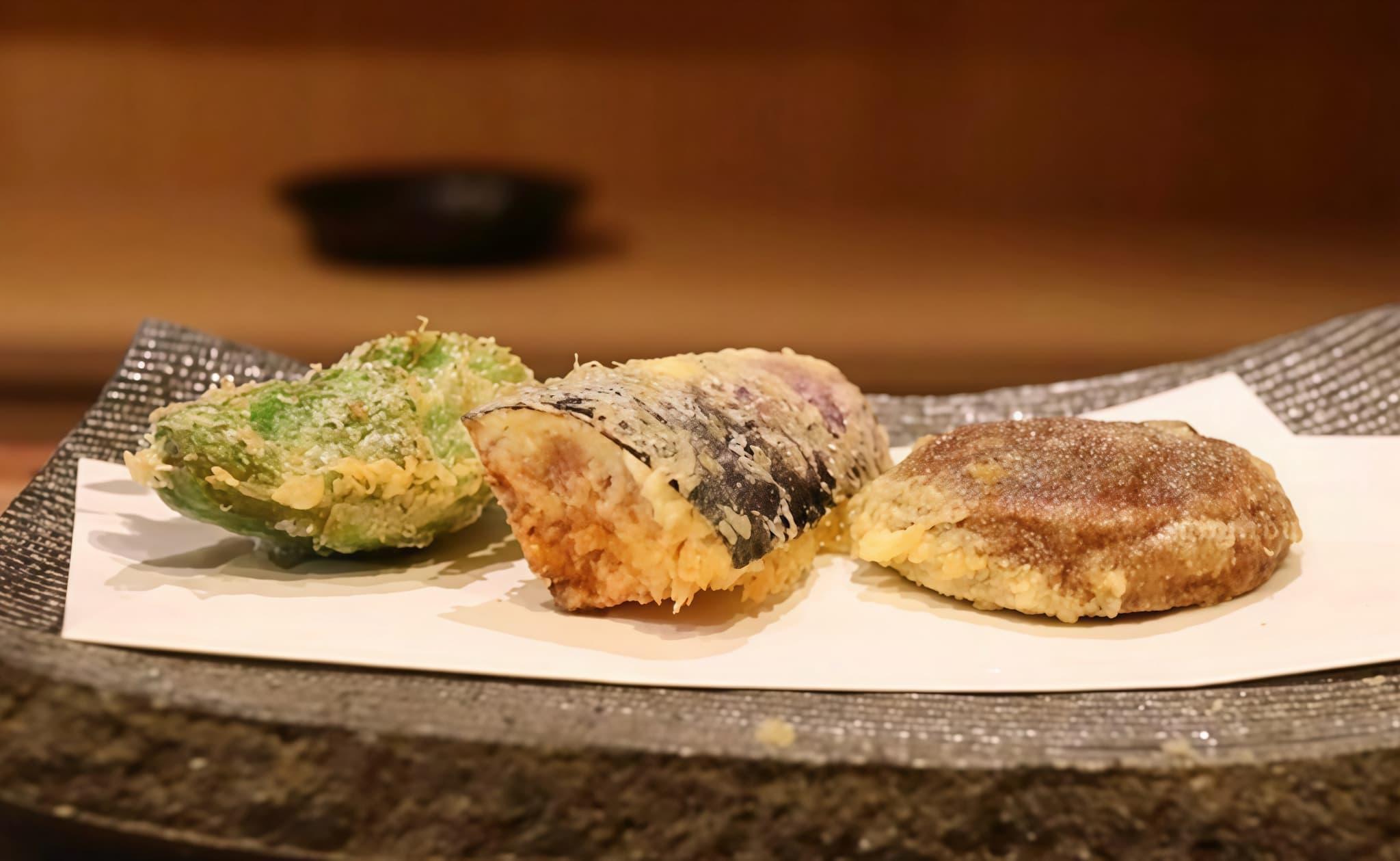
Vegetables rewritten by oil and timing.
Kitenya sits quietly off Ayakoji Street, a compact counter-driven tempura house where the cooking happens right in front of you. The moment you take a seat, you notice how the chef controls heat, timing, and oil with absolute focus. Everything is served one piece at a time, straight from the fryer.
The style is defined by an extremely thin coating and clean, oil-free finish. Rather than shaping flavors with heavy batter, the chef uses tempura as a way to draw out what each ingredient naturally carries. The result is direct, clear and surprisingly expressive.
Certain pieces stand out immediately. The slice of raw daikon is a signature: dropped into the oil without pre-cooking, it softens from within while staying lightly crisp outside, and its natural sweetness becomes vivid. Carrot takes on a deeper aroma and warmth. Sweet potato is almost dessert-like, with a dense, gentle sweetness that lingers without heaviness.
Seafood is handled with the same precision. The prawns stay firm and juicy under the delicate coating. Kisu is fluffy and clean. Oyster bursts with its own brine and richness. Seasonal items such as shirauo or young ayu shift the tone of the course depending on the time of year, which makes each visit different.
Rice, akamiso soup with tenkasu, and simple side dishes—kombu and shiitake simmered together, a small vegetable bowl—play the role of resetting the palate without interfering with the flow of the tempura.
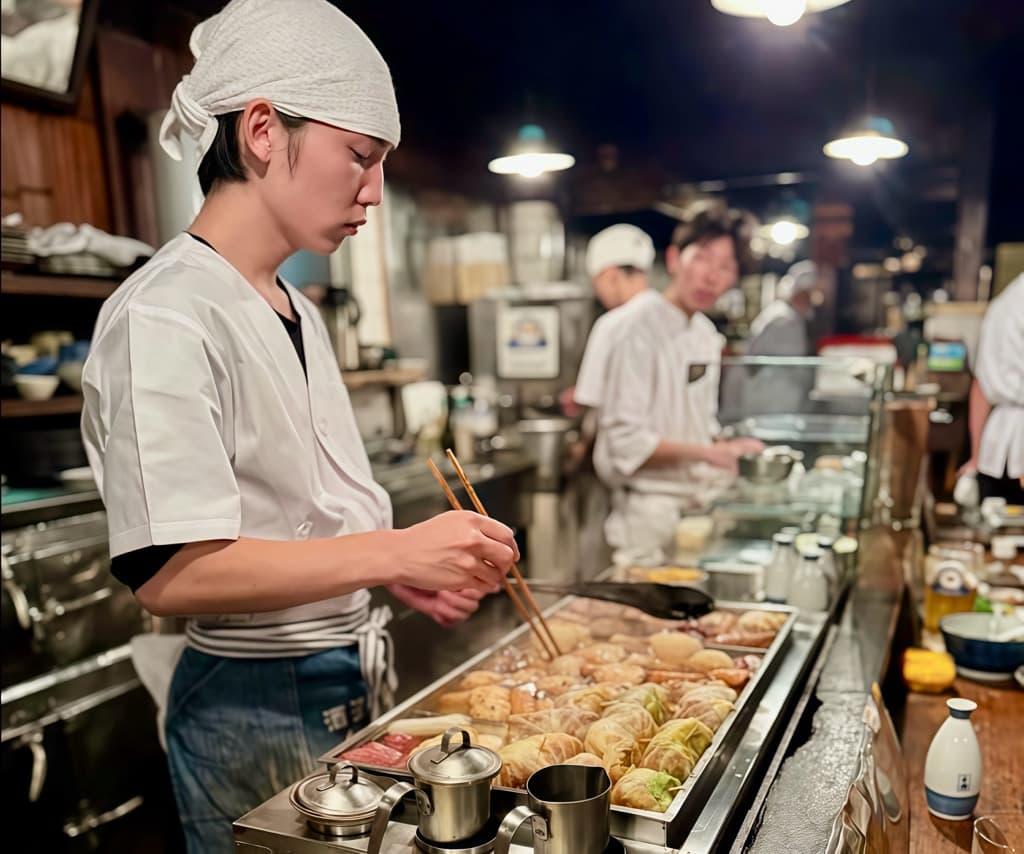
Because all seats at the counter face the chef, you watch each step: how the batter clings, how the bubbling changes, how ingredients are pulled at the exact second they’re ready. This is where the restaurant shows its true value. A small dining room with tables in the back offers a quieter option, but the counter is where Kitenya is most compelling.
For Kyoto, where many tempura restaurants sit at the luxury tier, Kitenya offers rare balance: skilled frying technique, seasonal ingredients, and a price point that stays accessible. It’s a place that can genuinely shift how you think about tempura. After finishing the course, many guests realize how much flavor can be drawn from a single ingredient when the frying is this precise.
If you want to experience tempura not as side dish but as a focused craft, Kitenya delivers that with clarity and confidence.
Frequently Asked Questions
Kitenya
Send a request through TableEX and our concierge secures your seat. There's a quiet table area in the back, but the counter — where you watch the chef fry each piece to the exact second it's ready — is where Kitenya is most compelling. We recommend requesting the counter.
A compact, counter-driven tempura house just off Ayakoji Street in Kyoto. The style is defined by an extremely thin coating and a clean, oil-free finish — tempura used to draw out each ingredient's natural character rather than mask it. In a city where tempura often sits at the luxury tier, Kitenya offers rare balance: high skill, seasonal ingredients, and an accessible price.
Yes. With advance reservation, Kitenya prepares a dedicated vegetarian or vegan course. Even the tentsuyu dipping broth is made with a plant-based dashi, so vegetarian and vegan guests can enjoy the full tempura experience with confidence. Please let us know your dietary needs when booking.
The course is served one piece at a time, straight from the fryer. Signature pieces include the raw daikon — dropped into the oil uncooked so it softens within while staying crisp — along with carrot, almost dessert-like sweet potato, firm juicy prawns, fluffy kisu, and briny oyster. Seasonal items like shirauo or young ayu change the
Very much so. Counter seats face the chef, so you follow every step — how the batter clings, how the bubbling shifts, when each piece is pulled. Many guests leave realizing how much flavor precise frying can draw from a single ingredient. It's an approachable way to experience tempura as a focused craft rather than a side dish.
Courses

Lunch
Jō Course (Upper)
Booking fee ¥1,000
Lunch
Toku Jō Course (Premium Upper)
Booking fee ¥1,000
Lunch
Omakase Course
Booking fee ¥1,000

Dinner
Kurenai (Red) – 8 dishes
Booking fee ¥1,000
Dinner
Fuji (Wisteria) – 8 dishes
Booking fee ¥1,000
Dinner
Akane (Deep Red) – 11 dishes
Booking fee ¥1,000
Dinner
Kiwami (Premium)
Booking fee ¥1,000
Restaurant rules
Restaurant information
| Working Hours | 12:00 - 14:00 18:00 - 23:00 |
|---|---|
| Seats | 24 |
| Payment | Cash |
| Smoking | Not Allowed |
| Alcohol take-in | Not Allowed |
| Phone number | 075-365-9108 |
| Address | 230-9 Shinmeicho, Shimogyo-ku, Kyoto, Japan |
Location map

2026
October
More counters we can secure for you
Picked by the same team — similar style or nearby.