

Pizza Studio Tamaki (PST) Roppongi
Tokyo
Pizza
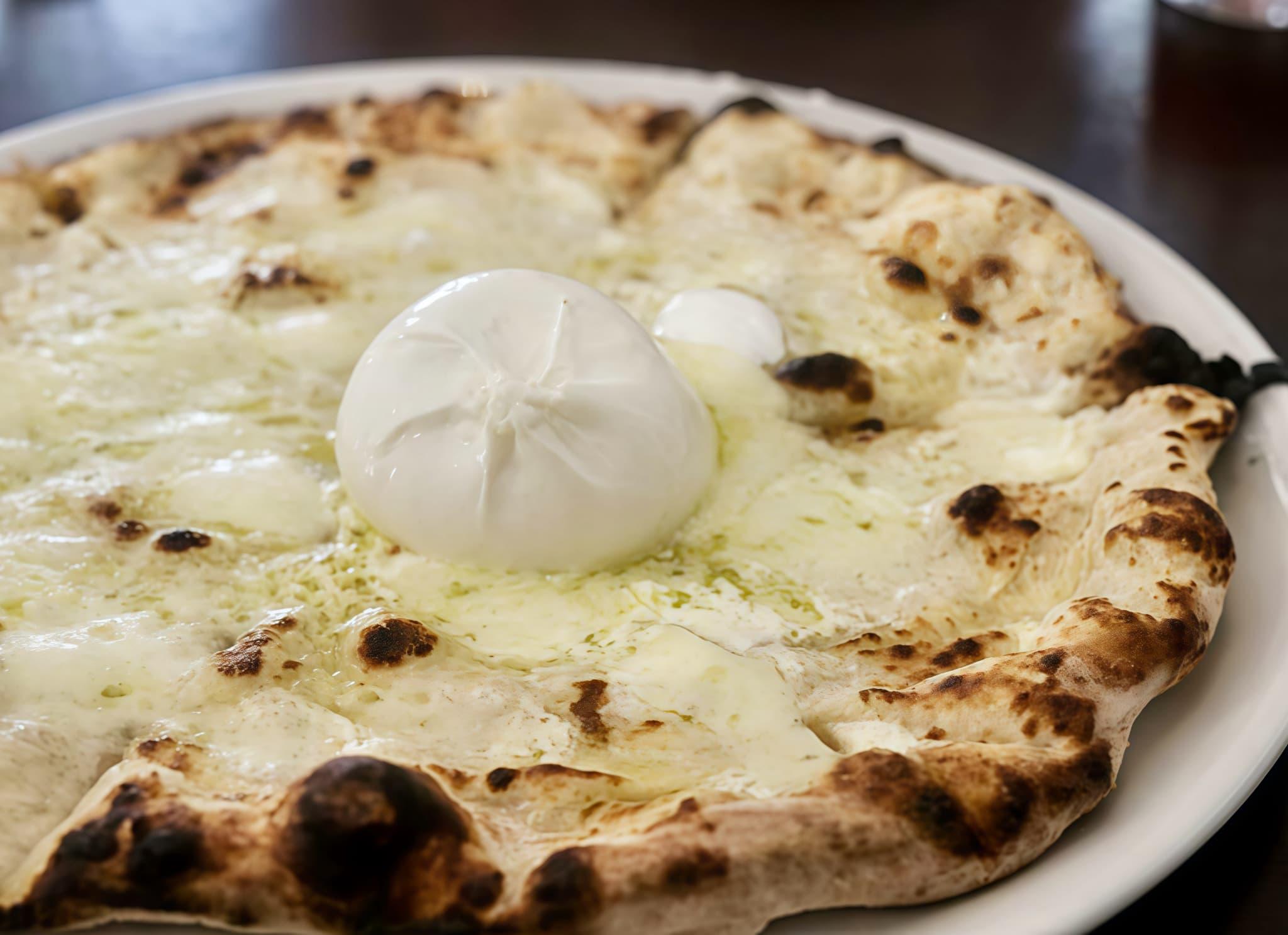
Not Naples, Not Tokyo. Just PST.
Please note: TableEX does not handle reservations for PST Roppongi. This location takes bookings by phone only, directly with the restaurant. Below you'll find exactly how to book it yourself — and two guaranteed alternatives we can secure for you.
How to Book PST Roppongi (Direct)
Reservations are accepted by telephone only, starting exactly one month before your dining date. Weekend slots often fill within hours of the window opening.
Seating is limited to a strict 90-minute window, and arriving 5+ minutes late is treated as a cancellation. Plan your transport carefully.
No online booking exists for this location. If you cannot call a Japanese phone number from overseas, see the alternatives below.
Want a Guaranteed Seat Instead?
PST Higashi-Azabu — Request via TableEX:
The original 2017 shop, 15 minutes away near Tokyo Tower. Same proprietary dough, same Okinawan-salt technique, same signature Tamaki pizza — and we can secure your table for ¥1,000 per guest.FREY's Famous Pizzeria (Roppongi) — Request via TableEX:
Staying in Roppongi? Shogo Yamaguchi trained in the same SAVOY lineage as Tamaki. Three pizzas, one at a time, absolute precision — and bookable through us.
About PST Roppongi
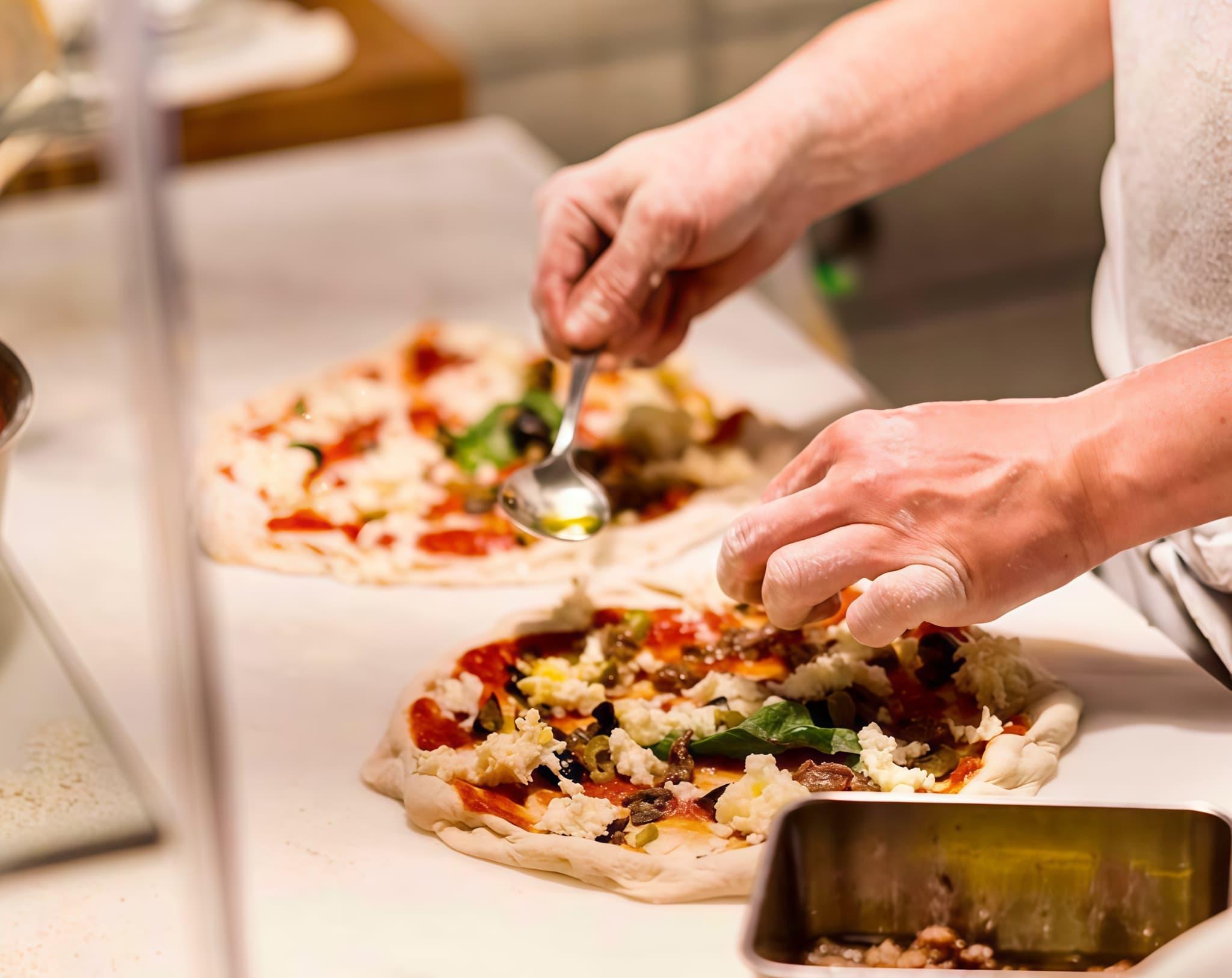
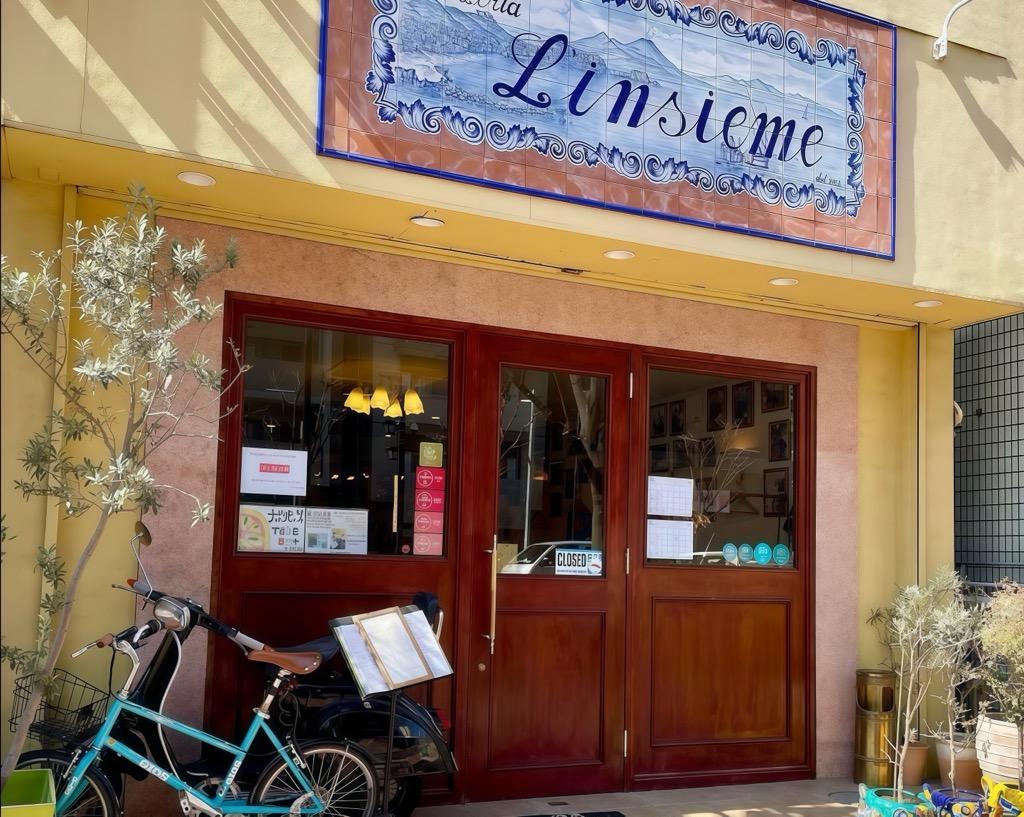
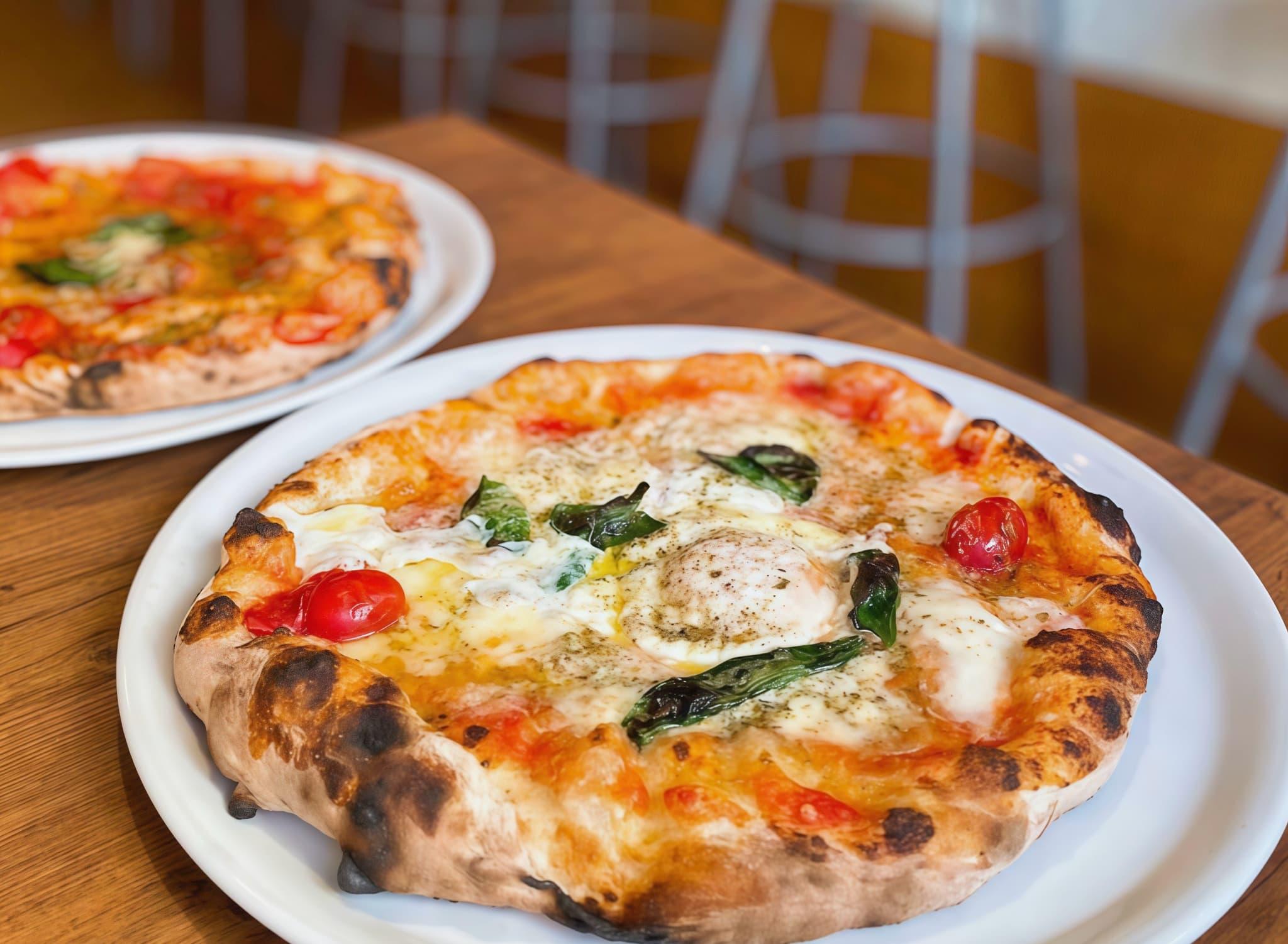
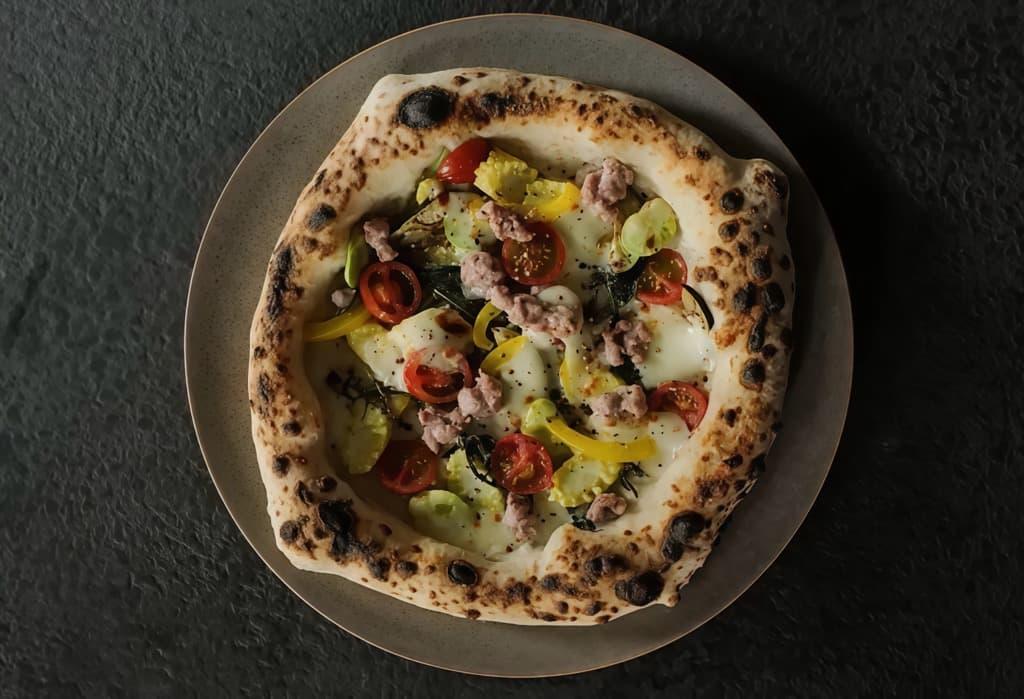
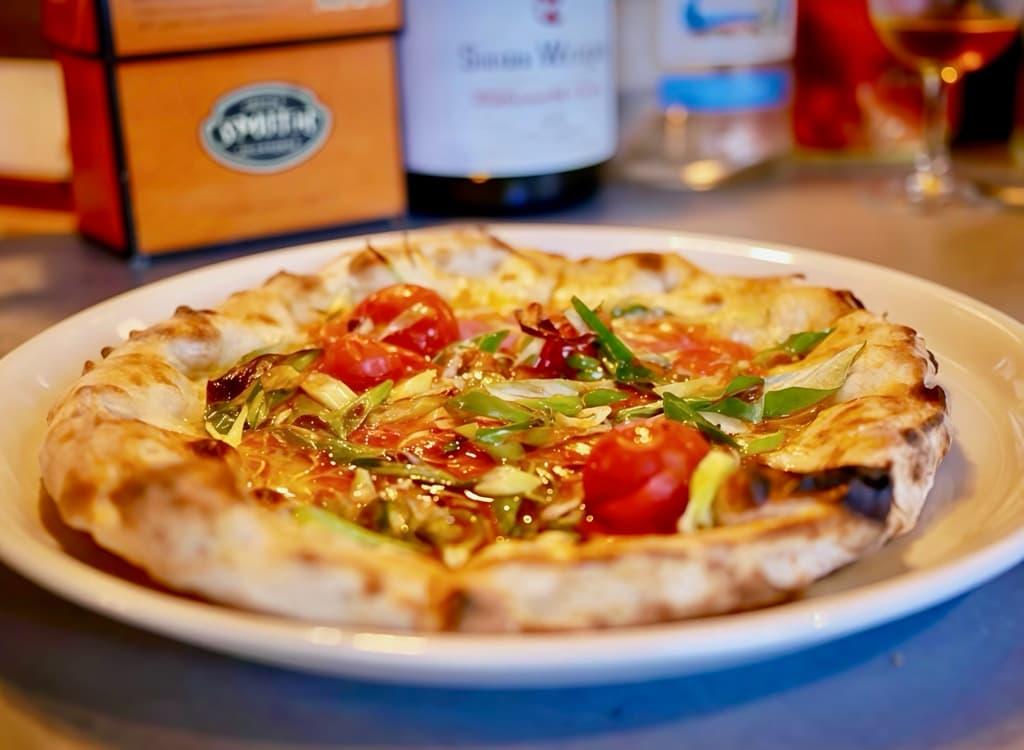
PST Roppongi stands as the more spacious, composed counterpart to the original Higashi-Azabu shop, offering a clearer view into what Pizza Studio Tamaki is ultimately trying to achieve. Positioned slightly off Roppongi's main streets, the restaurant attracts an international crowd while maintaining the calm, deliberate pace of a serious dining room. Recognized by the Michelin Bib Gourmand, PST has earned its reputation not through novelty, but through a disciplined pursuit of a pizza style that exists nowhere else.
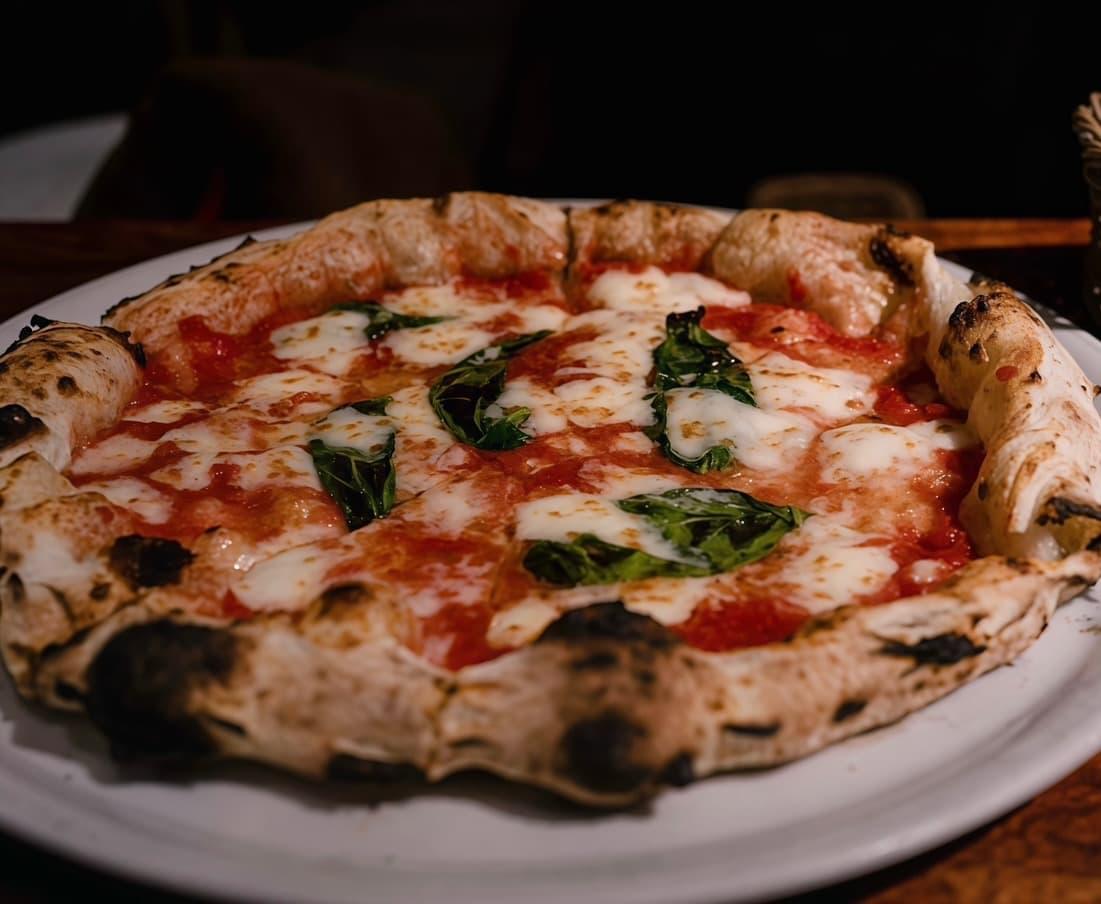
At the center of the operation is Tsubasa Tamaki, who trained extensively at SAVOY's Azabu-Juban and Mishuku locations before opening the first PST in Higashi-Azabu in 2017, followed by this Roppongi outpost in 2018. While his foundation is unmistakably Neapolitan, Tamaki has never aimed to reproduce Naples in Tokyo. His focus has always been on recalibrating pizza for Japanese palates — lighter, sharper, and more precise — while retaining the integrity of wood-fired technique.
Essential Booking Rules & Frequently Asked Questions
Q: Can TableEX reserve PST Roppongi for me?
A: No. PST Roppongi is outside our reservation service. We can, however, secure the original PST Higashi-Azabu or FREY's Famous Pizzeria in Roppongi — both deliver the same SAVOY-lineage wood-fired craft.
Q: How do I make a reservation for PST Roppongi?
A: By telephone only, directly with the restaurant. The booking window opens exactly one month before your desired date, and weekend slots often fill within hours.
Q: What is the dining time limit?
A: Seating is strictly limited to 90 minutes. Arrive exactly on time to maximize your dining duration.
Q: What happens if I am running late?
A: PST maintains a very strict punctuality policy. Being 5 minutes late or more is treated as a cancellation.
Q: How are the two PST locations different?
A: Higashi-Azabu (2017) is the compact original — an eight-seat counter and a faster rhythm. Roppongi (2018) is larger and calmer, built for slower meals and shared plates. The dough, the salt, and the signature Tamaki pizza are the same. If your priority is securing a seat without phone calls in Japanese, Higashi-Azabu via TableEX is the practical choice.
Q: Is there a specific way to enjoy the pizza at PST?
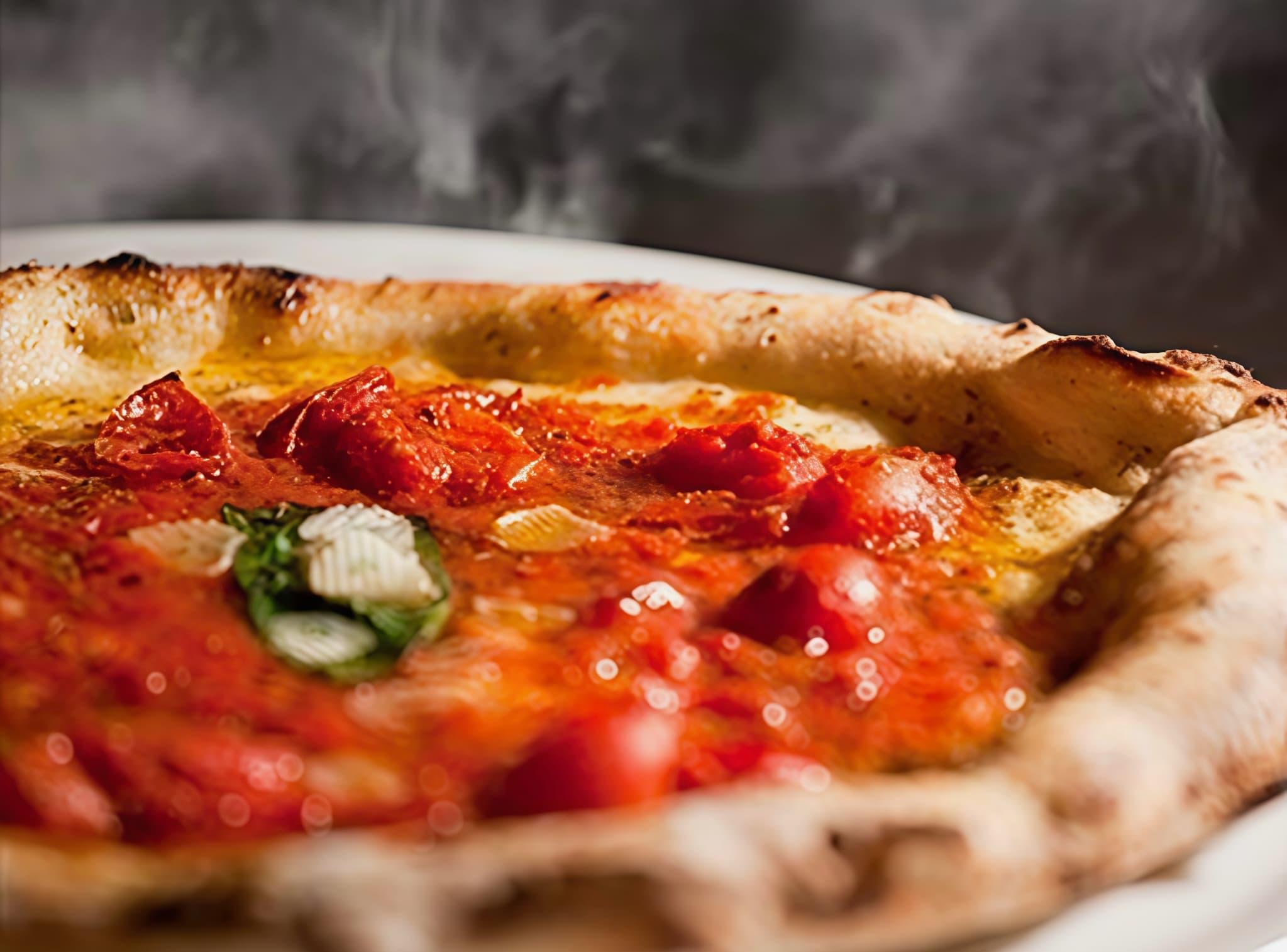
A: Chef Tamaki's pizza is served at a peak temperature of nearly 1000°F. It is best enjoyed immediately — the "first 60 seconds" are crucial for the ultimate flavor and texture.
▼ You May Also Like:
If the uncompromising craft of PST left an impression on you, these four establishments—each a master of their respective elements—are essential additions to your Tokyo and Kyoto itinerary:
PST Higashi-Azabu (Higashi-Azabu) The spiritual sibling and the very location where Tsubasa Tamaki first cemented his "PST" legacy. While sharing the same DNA as the Roppongi branch, the Higashi-Azabu original offers a more intimate, neighborhood-centric vibe. It remains a pilgrimage site for those who want to experience the sheer, salty crunch of the Tamaki-style crust in the setting where it all began.
Seirinkan (Nakameguro) The "Godfather" of Japanese Neapolitan pizza. Step into Susumu Kakinuma’s steampunk-inspired gallery to experience the legendary Marinara that redefined the nation’s pizza culture. A temple of minimalism where jazz, fire, and dough converge.
Pizzeria da Peppe Napoli Sta’ Ca’ (Kamiyacho) For a vibrant, joyful slice of Naples under the Tokyo Tower. Home to the world-famous "Don Salvo" star-shaped pizza, Peppe’s craftsmanship is a brilliant, high-energy contrast to the stoic focus of Nakameguro.
FREY’s Famous Pizzeria (Roppongi) Run by a disciple of the SAVOY lineage, Shogo Yamaguchi maintains an extreme focus on the dough. With a menu of only three varieties and a refusal to bake multiple pies at once, this is where you go for absolute clarity and precision.
Sam woodfired (Hatsudai) A quiet, one-man operation that honors the integrity of heritage grain. Takachi Goto’s tiny neighborhood hideaway offers a soulful, personal wood-fired experience that is quickly becoming a favorite among Tokyo’s most discerning pizza enthusiasts.
Courses

Lunch
à la carte ※Sat/Sun only.
Booking fee ¥1,000

Dinner
à la carte
Booking fee ¥1,000
Restaurant information
| Working Hours | 17:00~22:00 |
|---|---|
| Seats | 48 |
| Payment | Visa, MasterCard, Diners, American Express, Cash |
| Smoking | Not Allowed |
| Alcohol take-in | Not Allowed |
| Phone number | 03-6434-7932 |
| Address | 7-6-2 Roppongi, Minato-ku, Tokyo, Japan |
Location map

2026
August
More counters we can secure for you
Picked by the same team — similar style or nearby.