

Ginza Sushi Aoki
Tokyo
Sushi
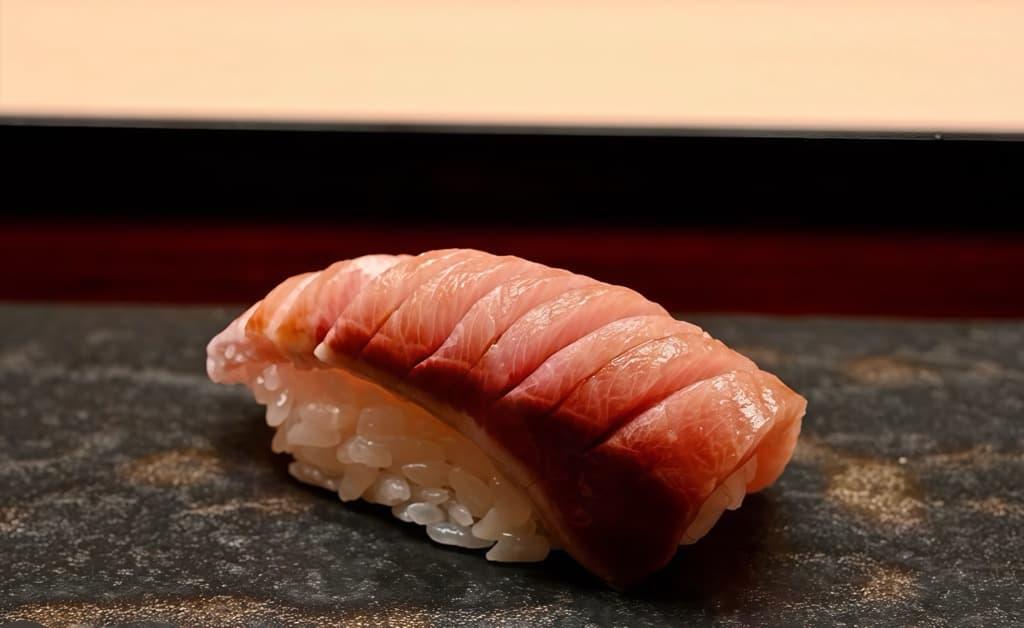
Edomae, executed without compromise.
Ginza is full of famous sushi counters. Some are nearly impossible to book. Others dominate social media feeds and attract diners from around the world. At first, Sushi Aoki seemed like it belonged in that category. The reputation was already there. The accolades were well established. Yet after sitting at the counter and eating a few pieces, it becomes clear that Aoki operates in a different world altogether.
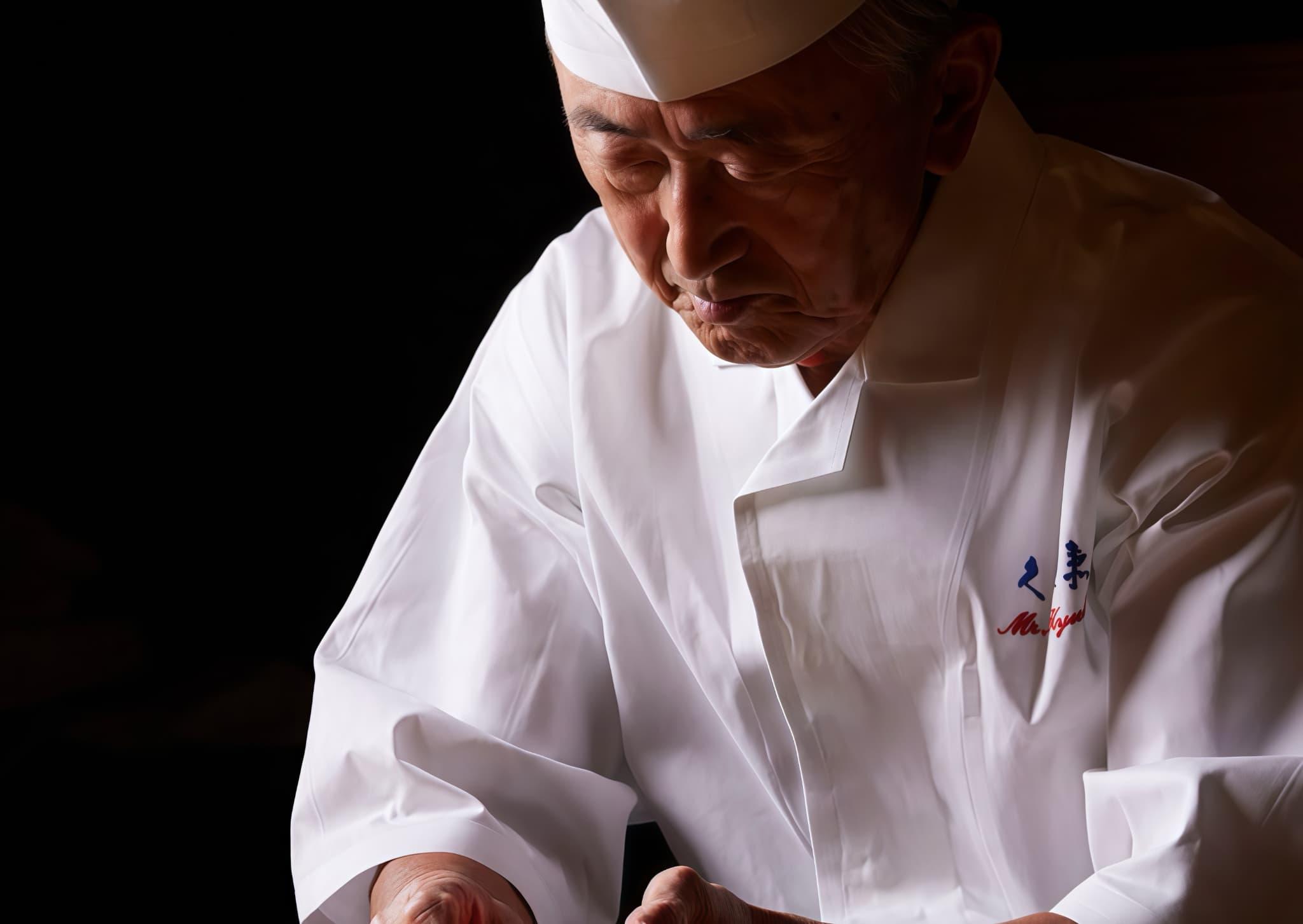
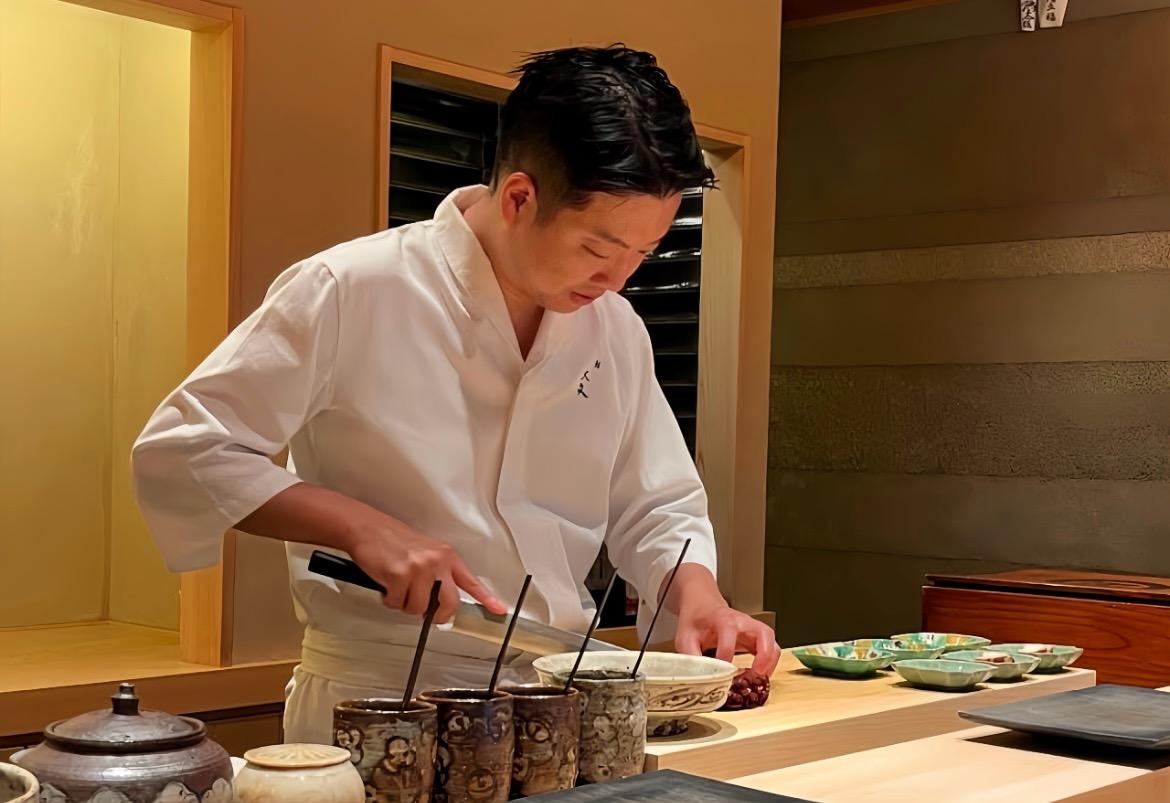
There is no performance here. No lengthy discussion of aging techniques. No rare ingredients presented for effect. No attempt to turn dinner into a spectacle. What remains is fish and rice—nothing more, and nothing less. The restaurant's entire identity is built around how far those two elements can be refined. Chef Toshikatsu Aoki inherited more than a business; he inherited a lineage. His father trained in the Nakata tradition, one of the foundations of modern Edomae sushi, and much of what happens at the counter today reflects decades of accumulated knowledge rather than contemporary trends.
The restaurant relocated in 2022, bringing its main counter and private dining concept together into a single space. The room is understated, anchored by a pale wood counter that naturally directs attention toward the food. Unlike many luxury sushi restaurants that have adopted the atmosphere of fine dining establishments, Sushi Aoki still feels unmistakably like a traditional sushi-ya. The focus remains exactly where it should be: on what arrives across the counter.
That philosophy is perhaps most visible in the shari. At a time when many Tokyo sushi chefs favor assertive red-vinegar rice, Aoki continues to rely primarily on rice vinegar. The seasoning is gentle, the temperature slightly warm, and the rice never competes with the fish. At first it may seem restrained. As the meal progresses, however, the logic becomes obvious. The shari is designed to disappear into the neta, allowing the fish to speak first.
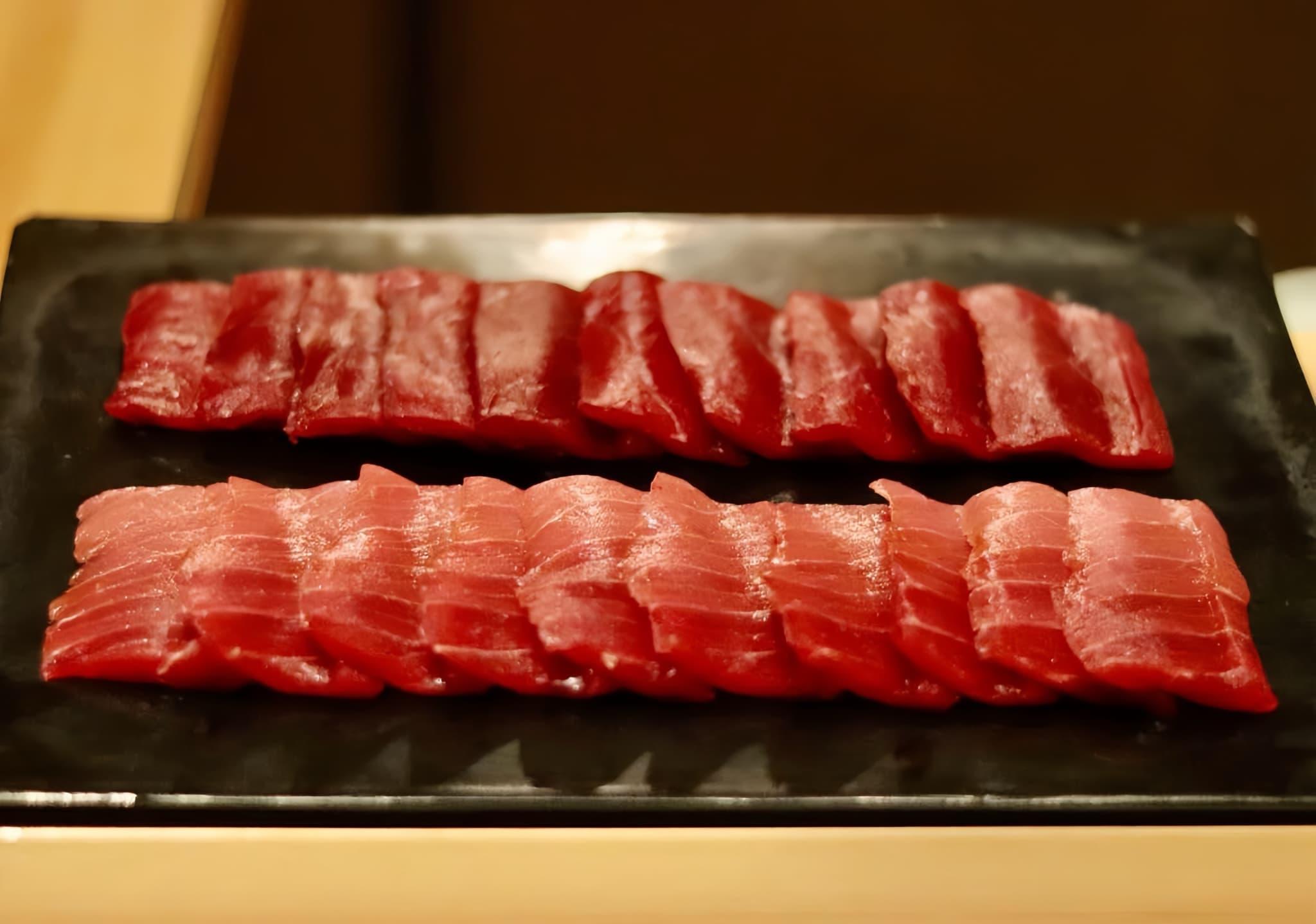
Nowhere is this more apparent than with the tuna. Each morning, the team visits multiple specialist wholesalers, selecting fish according to the condition of the day rather than following a fixed purchasing routine. Akami, chutoro, and otoro are treated as entirely separate preparations. Chutoro may be layered in thin overlapping slices to control richness and texture. Akami is seasoned with remarkable precision to emphasize its natural acidity and depth. The result is that each cut expresses a different side of the same fish. Rather than tasting tuna, you feel as though you are tasting a series of individual dishes.
The same attention extends throughout the course. Kohada retains its identity without being overwhelmed by vinegar. Aji delivers richness while preserving its natural aroma. Every piece feels measured rather than manipulated. Even during the sparse summer months, when many sushi restaurants struggle to maintain variety, Aoki regularly serves more than twenty kinds of fish and shellfish. Long-standing relationships with specialist wholesalers allow the restaurant to sustain a breadth of selection that few counters can consistently achieve.
Several preparations also serve as reminders of the restaurant's roots. Sakura-ni octopus, gently simmered after careful salting, possesses both fragrance and softness without sacrificing structure. A small prawn wrapped in seasoned flakes—a technique rarely seen today—appears as a compact expression of an older Edomae vocabulary. These are not nostalgic gestures. They remain on the menu because they continue to work.
At the same time, Aoki is not frozen in tradition. Contemporary ideas appear throughout the meal, but only when they serve the ingredient. Scampi is roasted shell-on to develop aroma while retaining a semi-translucent center. Oyster is brushed with a reduction made entirely from its own juices, concentrating sweetness and salinity without introducing outside flavors. These touches feel modern, yet they never disrupt the rhythm of the meal or challenge the restaurant's identity. They simply expand the possibilities of Edomae sushi.
What makes Sushi Aoki memorable is not a single signature piece. There is no dramatic moment designed to leave diners speechless. In fact, the restaurant's greatest strength often reveals itself days later. You find yourself thinking about the meal again. Then again. And when the urge for sushi returns, Aoki is often the first counter that comes to mind.
Over time, that quiet consistency has made Sushi Aoki one of the defining counters in Tokyo. Not because it chases attention, but because it has never needed to.
Overview
| Cuisine | Sushi |
|---|---|
| Area | Tokyo, Ginza |
| Chef | Toshikatsu Aoki |
| Background | Yoshino in Ginza |
| Shari | Mild acidity, Red & rice vinegar blend |
| English support | Limited |
Courses

Dinner
Nigiri only
Booking fee ¥1,000
Dinner
Omakase
Booking fee ¥1,000
Dinner
Special Omakase
Booking fee ¥1,000
Restaurant information
| Working Hours | 12:00 - 14:00 17:00 - 22:00 |
|---|---|
| Seats | 8 |
| Payment | Visa, MasterCard, Diners, American Express, Cash |
| Smoking | Not Allowed |
| Alcohol take-in | Not Allowed |
| Phone number | 03-3289-1044 |
| Address | 4F, 6-7-7 Ginza, Chuo-ku, Tokyo, Japan |
Location map

2026
October
More counters we can secure for you
Picked by the same team — similar style or nearby.