


Tokyo’s Top 7 Tempura Restaurants to Try in 2026
Last Edit: 2026.04.02
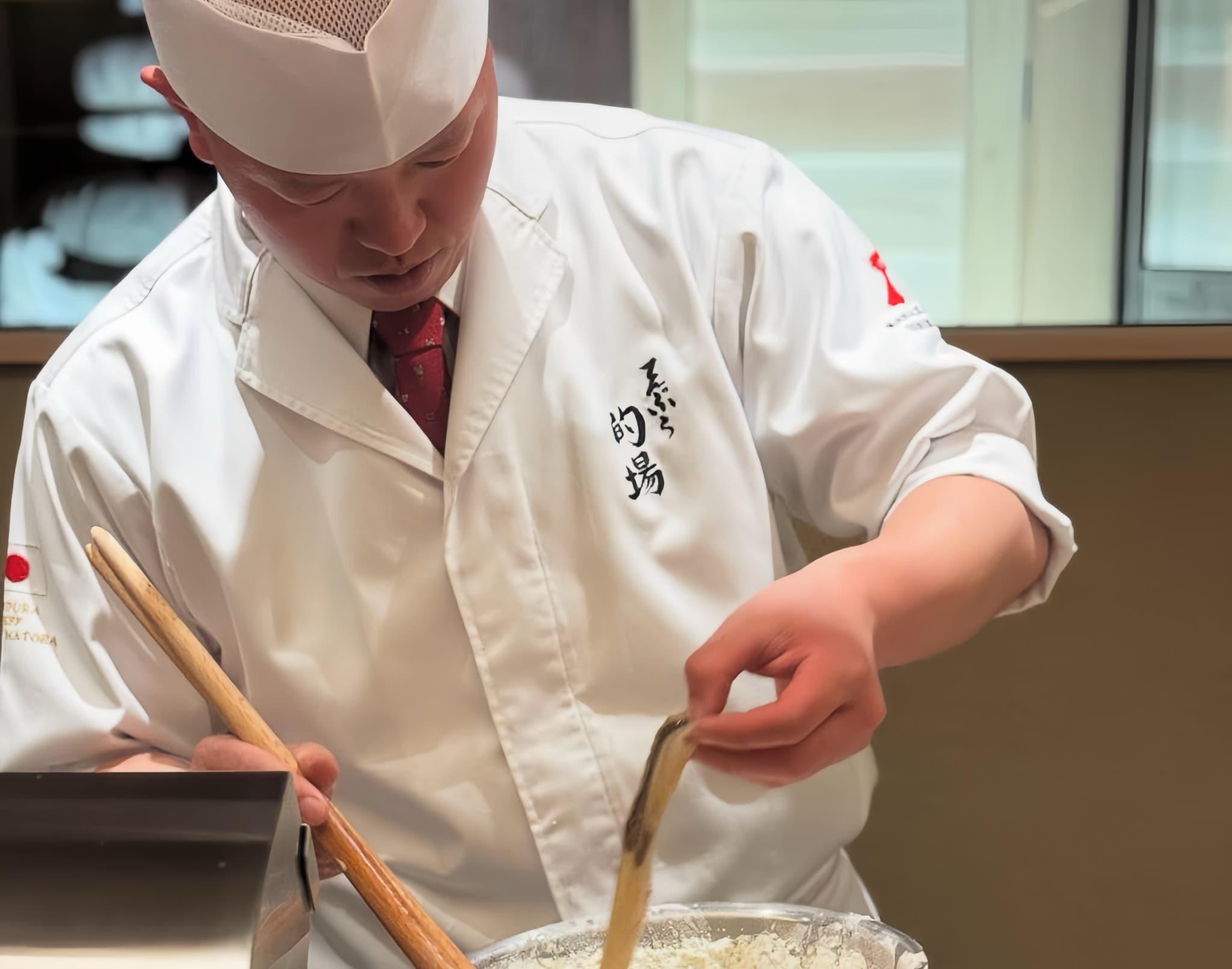
Hello from the TableEX editorial team. The team’s love for tempura goes a bit too far. Some members claim they can tell how the oil is behaving just by the way the batter stands on the neta. Maybe a little obsessive—but that’s the kind of food lovers we are. The sound of oil rising. The fragrance that bursts the instant the tempura hits the oil. That fleeting moment when batter and ingredient become one in perfect harmony— we live for that moment, keeping our eyes glued to Tokyo’s best tempura counters day after day. This time’s theme: “Tokyo Tempura – The Ultimate Line-up Right Now.” In today’s Tokyo, chefs are moving beyond the boundaries of classic Edomae style, honoring tradition while expressing their own ideas of what tempura can be— through ingredient selection, frying rhythm, and the scent of oil that fills the air. No gimmicks, no empty nostalgia. Every detail—from the temperature of the oil to the thickness of the batter— reveals each chef’s individuality and pride. Now, tempura has become something to choose by who fries it. This article highlights the most exceptional counters representing the forefront of Tokyo’s tempura scene. When planning your next trip to Tokyo, make sure to include at least one of these unforgettable counter experiences.
1. Nakagawa
Tucked away from the spotlight, Nakagawa is one of those places that chefs and ingredient suppliers whisper about with deep respect. At the helm is Takashi Nakagawa, a veteran who spent 17 years honing his skills at Mikawa Kayabacho. Thoughtful and precise, Nakagawa even wrote The Science of Tempura—a title that perfectly captures his analytical approach to the craft. His style follows the classic Mikawa philosophy: fast, high-heat frying that leaves a golden, airy crust and a rare, barely-touched center. While he once dabbled in more unusual ingredients like flounder and sea bream, he has since returned to the essentials of Edo-style tempura, refining his focus on what he calls “the necessity of frying.” The results are spectacular. The shrimp, eel, and scallops are textbook-perfect—crisp, juicy, and full of character. And if you visit in the fall, don’t miss the matsutake. Lightly fried, aromatic, and quietly luxurious, it’s a highlight of the seasonal menu. This isn’t a flashy restaurant, nor is it trying to chase trends. But for those who value precision, restraint, and the quiet confidence of true technique, Nakagawa is one of Tokyo’s most compelling tempura experiences. We’d happily make it a monthly ritual.

2. Tempura Yaguchi
There’s a certain kind of magic to great tempura—the kind that crisps on the outside while gently steaming within. It’s a craft that demands more time to master than even sushi or kaiseki, and Chef Kazuki Yaguchi has certainly put in the years. After 22 years of training at the iconic Mikawa Zezankyo, Yaguchi now runs his own kitchen, where a handwritten certificate from his mentor, Tetsuya Saotome, still hangs with pride. The style here is unmistakably Mikawa: high-heat frying that locks in flavor and draws moisture from within, giving the tempura its signature crunch and clarity. But what really makes Yaguchi’s tempura stand out is the batter—light, clean, and always in harmony with the ingredient it wraps. Even after ten or more pieces, each bite feels fresh. Somehow, the course never gets heavy, and you find yourself anticipating what’s next. While he stays rooted in tradition, Yaguchi is quietly refining and experimenting. He’s not trying to reinvent tempura overnight—but if you pay attention, you’ll notice subtle shifts, personal touches, signs of a craftsman gently carving out his own path. Add to that his calm, kind presence behind the counter, and you’ve got a place that feels both masterful and welcoming. For anyone serious about tempura, Yaguchi is a must.
3. Tempura Taku
After making waves in Saitama, chef Takumi Masuda moved Tempura Taku to Kagurazaka—and within eight months, it was listed in the Michelin Guide Tokyo 2025. Despite having no formal training in tempura, Masuda has earned a following with his clean, confident style and keen sense of flavor. Tempura is fried in safflower oil, giving it a pale, crisp finish. Seafood like rare Kinmedai(splendid alfonsino)and Aori ika(bigfin reef squid)is excellent, but the vegetables truly shine. Shiitake mushrooms, zucchini blossoms—each delivers surprisingly vivid flavor. Masuda often pairs ingredients with unique sauces. One example: ume plum paste blended with shaved katsuobushi. Every detail feels thoughtful and precise. With just eight counter seats and one seating per night, the experience is intimate and unhurried. In a city packed with tempura legends, Tempura Taku offers a fresh and focused take that’s well worth a visit—especially before the waitlist grows even longer.
4. Seiju
Tucked away in the quiet streets of Tsukiji, Seiju is a long-time favorite among serious tempura fans—and even top sushi chefs. Yoshiaki Shimizu opened the restaurant in 2008 after training at the classic Akasaka spot Rakutei, and his cooking reflects a deep sense of care and balance. Tempura here is feather-light and pale in color, thanks to taihaku sesame oil. The dipping sauce is bright with katsuo dashi, daikon is grated fresh to order, and every garnish—from Sanuki salt to organic lemon—is carefully chosen. The ingredients are first-rate: kuruma ebi(Japanese tiger prawn)fried rare to draw out sweetness, Hamo(pike conger)and Anago(conger eel)with a delicate golden tint, and rarer items like sake lees tempura made from Mimuro Sugi. There’s also a surprisingly deep wine list, especially for a tempura restaurant, with a Burgundy focus. If you enjoy refined tempura with personality and a good glass of wine, Seiju is a place to remember.
5. Tempura Aratamikawa
Among Tokyo’s tempura restaurants, none is drawing more attention than Arata Mikawa. Chef Hisao Ogawa trained under Tetsuya Saotome of the legendary Mikawa Zezankyo, and was entrusted with the name “Arata” to carry on the tradition in his own way. Ogawa’s technique mirrors the Mikawa style—frying ingredients at high heat to intensify flavor—but his touch is unmistakably personal. The batter starts with a crisp snap and melts into a delicate coating, never oily or heavy. Even a full omakase feels surprisingly light. The menu centers on Edomae classics like Ika(squid), Kisu(whiting), Ebi(shrimp), and Anago(conger eel), but also includes thoughtful additions such as Kasugo(young sea bream)and Hamaguri(clam). These variations reflect Ogawa’s commitment to evolving tradition with integrity. Arata Mikawa is not just a tribute to the past—it is a quiet but confident step into the future of tempura. For those seeking depth and craftsmanship, this is a name to watch.
6. Tempura Maehira
In the world of Edomae tempura, much attention is paid to the Mikawa school—but chef Tomokazu Maehira is making a compelling case for the Yamanoue lineage. After serving as head chef at the historic Yamanoue, Maehira opened his own restaurant to focus purely on tempura, and it shows in every detail. He adapts the oil blend during the meal—starting with a mix of Taihaku and Taikou sesame oils, then switching to pure Taihaku toward the end to keep the finish light. The course structure also breaks convention. Rather than open with shrimp, Maehira begins with lighter items like white fish or squid, alternating seafood and vegetables with balance and care. Scallops are fried in stages to show contrasting textures. Gobō is aged in-house for two months. Even the piman (green pepper) is sourced directly from farms to ensure it can be served whole. He creates original pieces too—like komatsuna roots or baby scallops with young green onion wrapped in nori. Awarded a Michelin star in 2019, Maehira is still somewhat under the radar—but his quiet precision and bold ideas make him one of Tokyo’s most exciting tempura chefs today. A must-visit for those seeking something beyond the expected.
7. Tempura Kitagawa
Opened in 2025 in Ebisu, Tempura Kitagawa introduces a calm, precise new voice to Tokyo’s tempura world. Chef Naohiko Murata, from Shizuoka, came to cooking late—after a decade outside the trade—but a life-changing meal at Tempura Naruse set him on a path of self-study and devotion. To test his skill, Murata trained at Tempura Kondo in Ginza, where he learned to “cook for people, not just ingredients.” That philosophy defines his work today—quiet, patient, and deeply focused. His signature tachiuo (beltfish) from Sasue Maeda Fish Shop is aged up to five days, coated in an airy egg-white batter, and fried at low temperature for a translucent, fragrant finish. Other highlights include kuruma ebi (tiger prawn), aji (horse mackerel), and the Red Moon potato, fried and rested repeatedly until its sweetness deepens. The meal ends with tencha, tempura over dashi made from hand-dried bonito flakes of Shizuoka. Unaffiliated with any major lineage, Murata blends science, restraint, and intuition—an independent spirit poised to redefine what Tokyo-style tempura can be.