

Miyoshi
Kyoto
Wagyu
Where Wagyu Becomes Japanese Cuisine
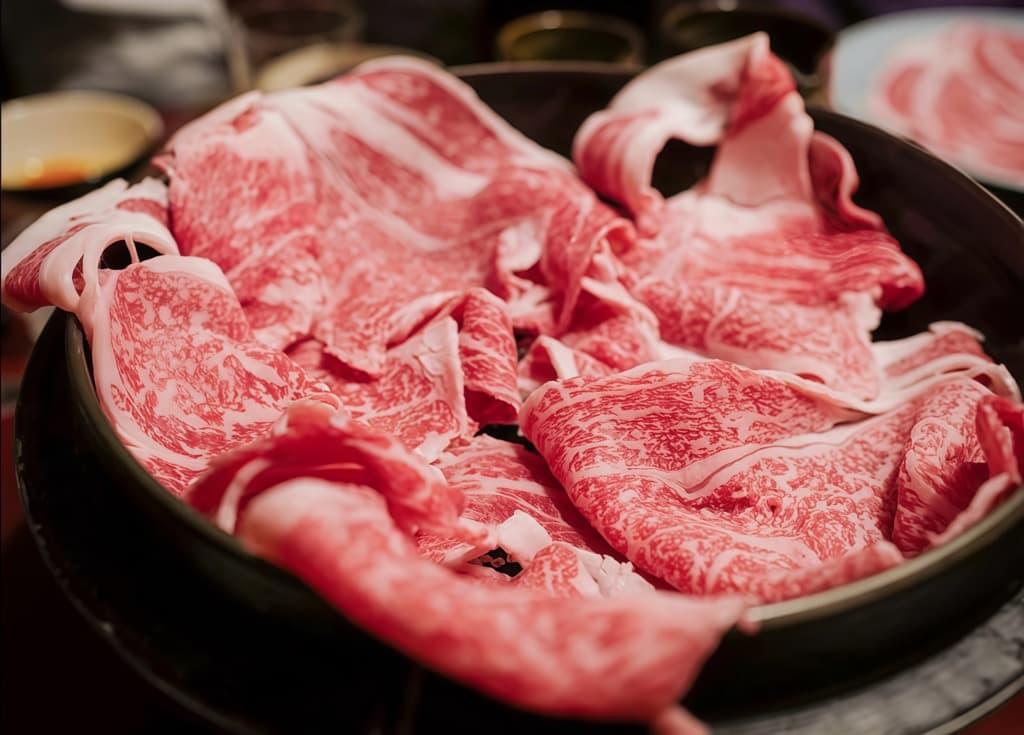
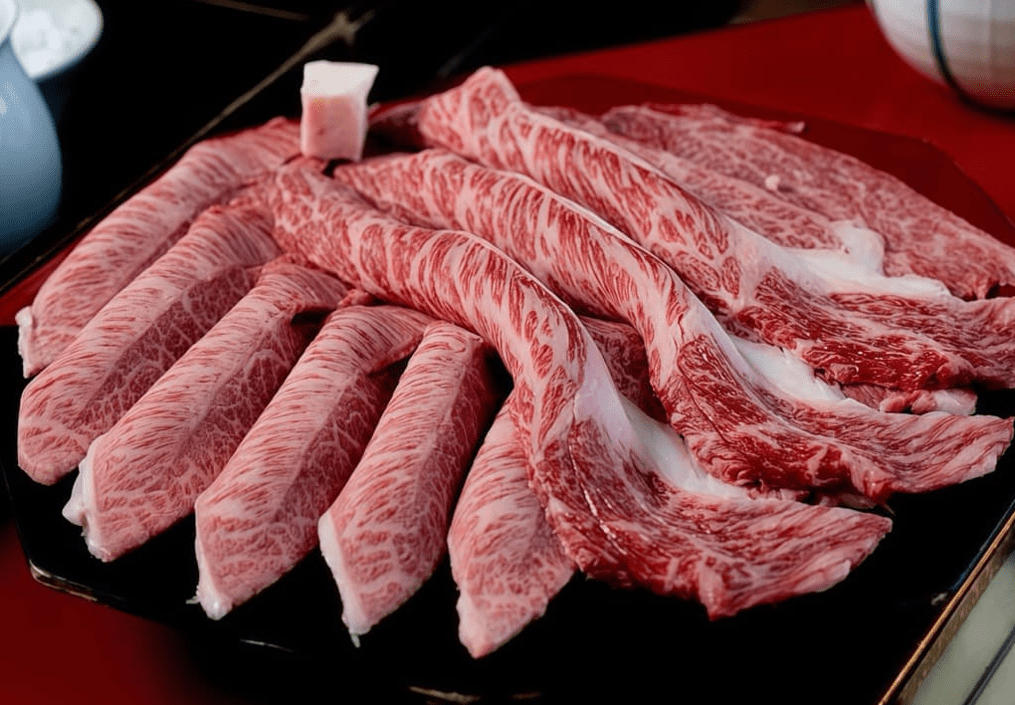
Niku no Takumi Miyoshi operates in a category that still has no clean English label. Meat kaiseki comes closest: wagyu expressed through the methods, structure, and sensibility of traditional Japanese cuisine. When the restaurant opened in 2004, few places approached beef this way. Miyoshi helped establish that format and has continued refining it ever since. It is not a steakhouse, not yakiniku, and not a kaiseki restaurant that simply includes beef. It stands in the space between them, borrowing from all three while remaining distinct from each.
The idea behind the restaurant is clear. Wagyu is a product of Japan, and Chef Ito has long argued that it deserves the same technical care given to the country’s finest seasonal ingredients. When carefully sourced beef is handled through kaiseki technique, different qualities emerge. Fat behaves differently. Umami unfolds differently. The relationship between the meat and the ingredients around it changes according to the method used to frame the dish.
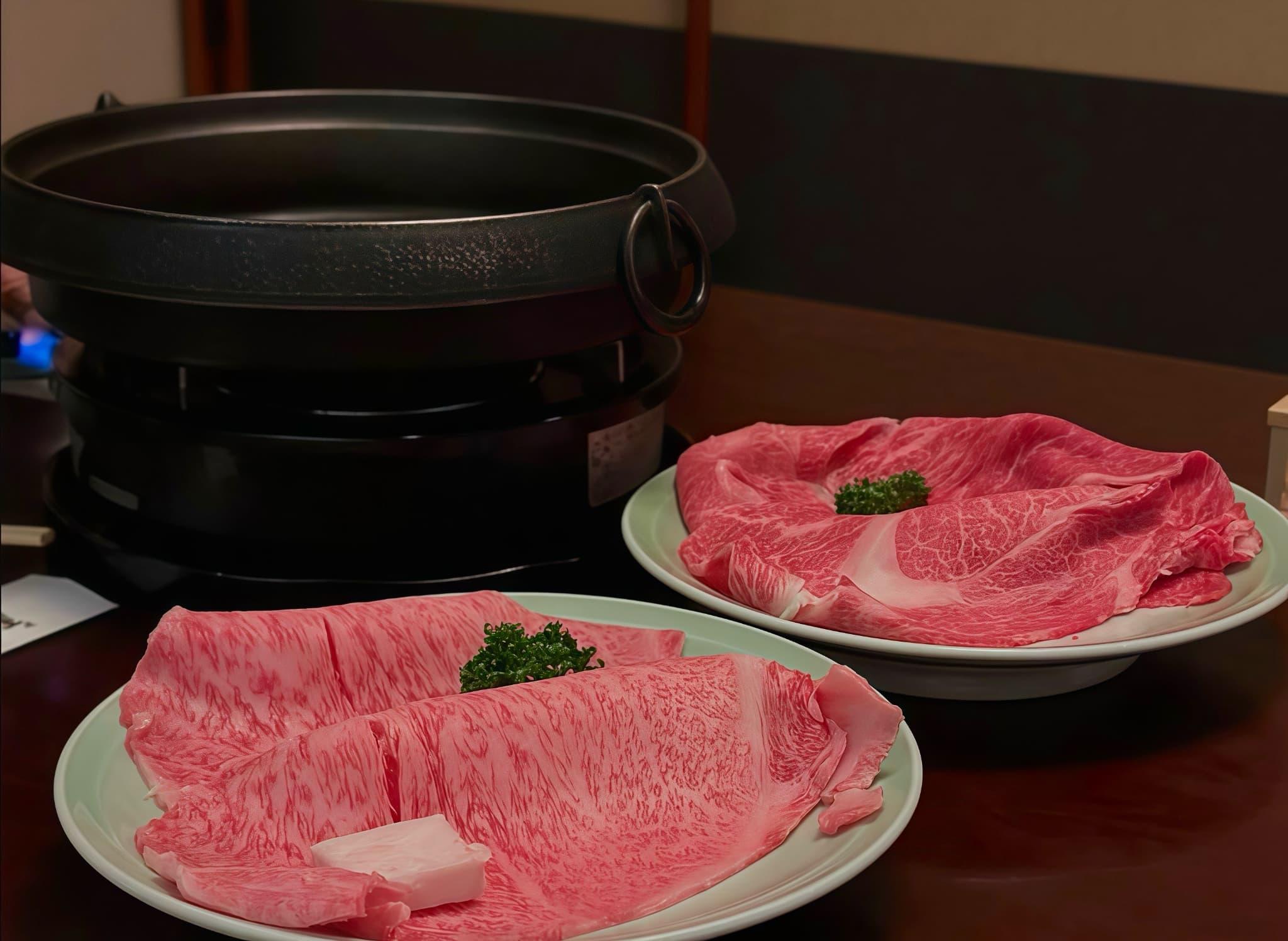
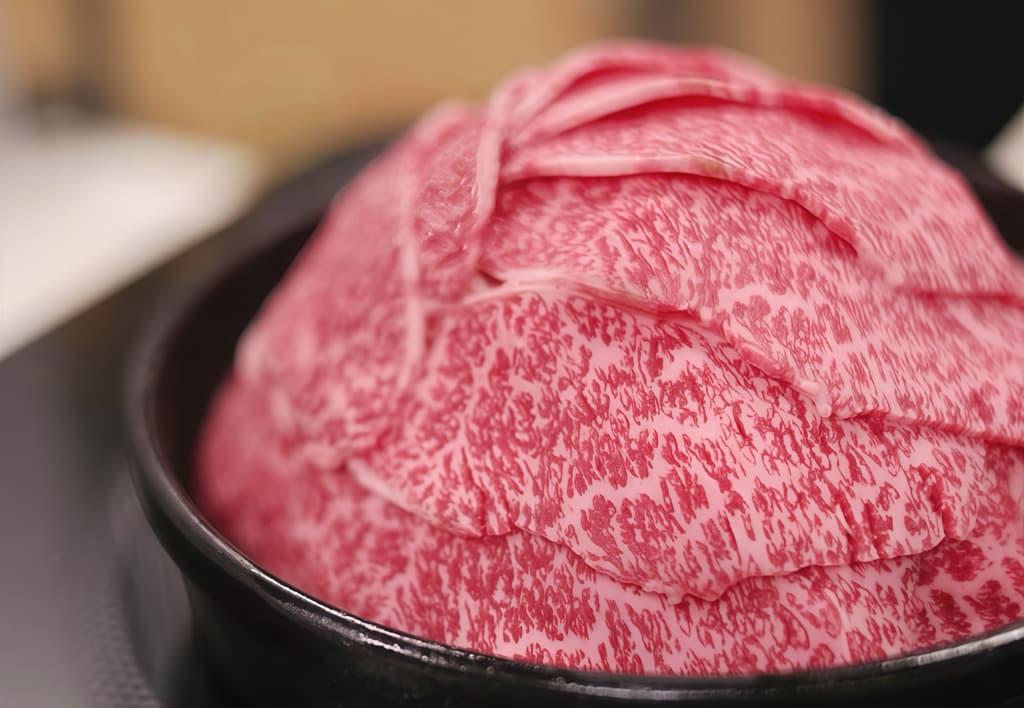
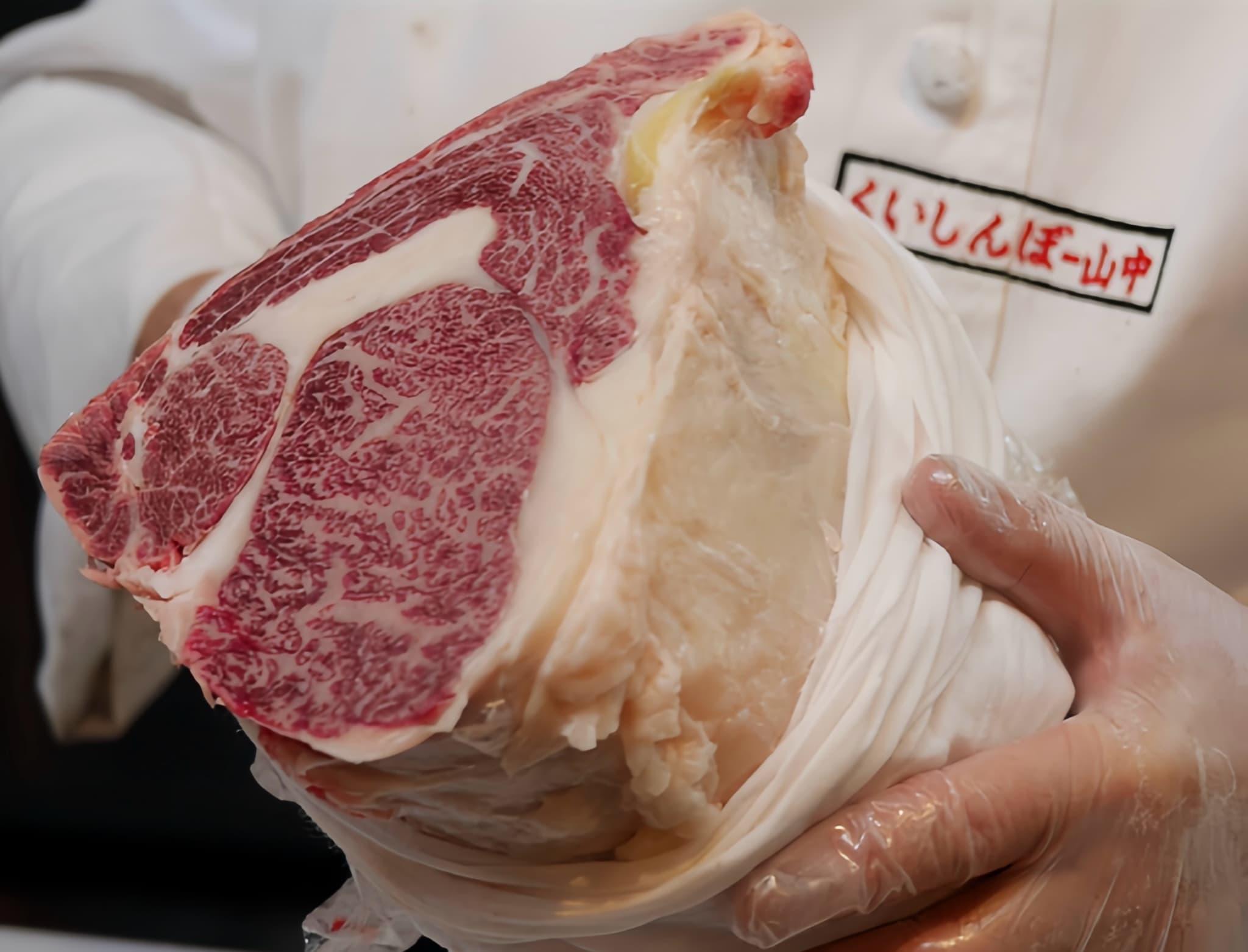
That same precision appears in sourcing. Much of the beef served here comes from pure Tajima lineage cattle raised in Hyogo Prefecture, the bloodline regarded as the original foundation of wagyu marbling and flavor. For Matsusaka beef, Miyoshi uses only Tokusan Matsusaka, a designation limited to cattle with confirmed pure Tajima ancestry. It accounts for only a small percentage of total Matsusaka production. The same standard applies to Omi beef, with Chef Ito personally selecting animals from the pure Tajima line. His view is simple: all wagyu can be delicious, but pure Tajima cattle produce the intensity and physical impact he seeks in every course.
The menu moves wagyu through several expressions during the meal. In some dishes it takes the lead. In others it supports the seasonal ingredient beside it. One of the clearest examples is the kombu cured wagyu tongue. Rare black wagyu tongue is wrapped in kelp, drawing out sweetness while adding deeper savory notes. The texture becomes remarkably smooth, and the result explains why a kaiseki approach matters here.
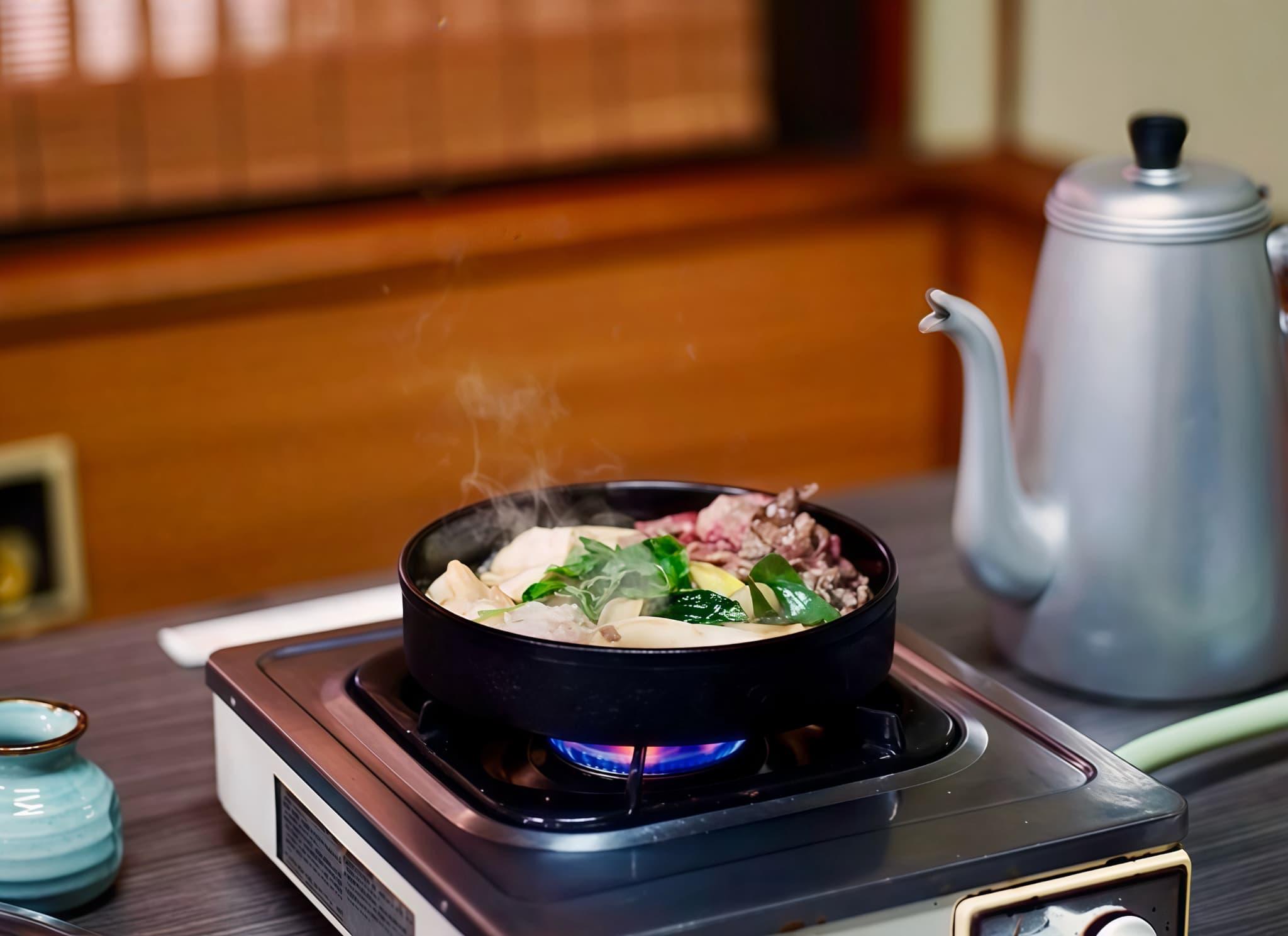
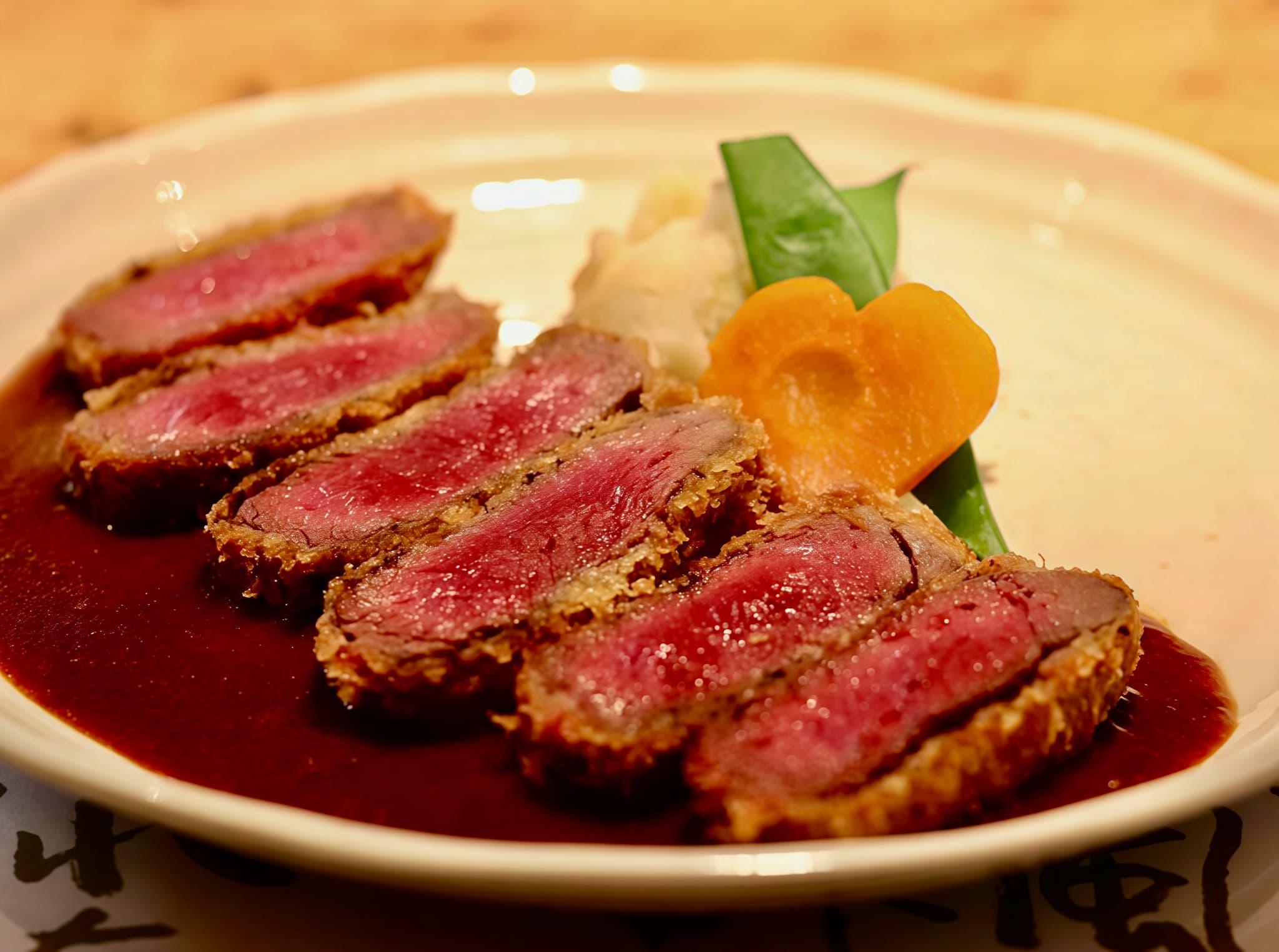
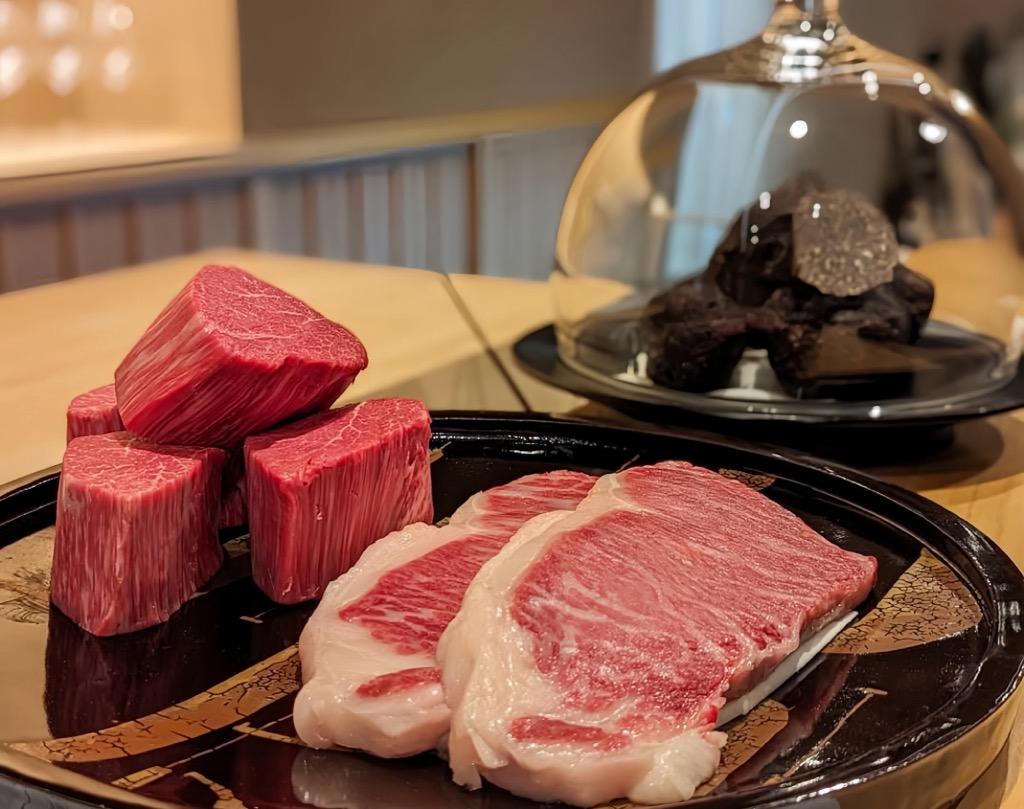
Before the sukiyaki course, thick cuts of sirloin and tenderloin are grilled slowly over charcoal. The sirloin carries rich marbling, yet the finish remains clean rather than heavy. Leaner beef flavor stays present alongside the fat instead of disappearing beneath it. Chef Ito attributes that balance to the Tajima bloodline itself and to years spent studying cattle directly at the farm level.
The restaurant has six counter seats and a single table for eight guests. Since opening, Chef Ito has continued visiting the farms that supply the restaurant, speaking of that relationship in terms of responsibility as much as sourcing. His aim is to cook each animal as beautifully as possible, with respect for the work behind it.
For a first visit, the counter is the stronger choice. Watching the dishes develop one by one, with the kitchen in full view and the course arriving directly from the chef, gives a clearer sense of what makes Miyoshi unique.
Courses

Dinner
Omakase
Booking fee ¥1,000
Restaurant rules
All guests with the same reservation time will begin the course together, so punctuality is essential. Please be sure to arrive on time. Reservations will be treated as same-day cancellations if guests arrive more than 30 minutes after the reserved time. Please understand that in the event of a delay, the meal may not be served.
Guests with dislikes or allergies are kindly asked to inform the restaurant at the time of booking. Reservations cannot be accepted for those unable to consume raw meat or other raw items.
Restaurant information
| Working Hours | 17:00 - 23:00 |
|---|---|
| Seats | 8 |
| Payment | Visa, MasterCard, Diners, American Express, Cash |
| Smoking | Not Allowed |
| Alcohol take-in | Not Allowed |
| Phone number | 075-561-2508 |
| Address | 570-15 Gionmachiminamigawa, Higashiyama-ku, Kyoto-shi, Kyoto, Japan |
Location map

2026
October
More counters we can secure for you
Picked by the same team — similar style or nearby.