

Higashiyama Muku
Tokyo
Kaiseki
Modern Japanese Cuisine, Stripped to Its Core
Tokyo's Japanese cuisine scene has been moving in a predictable direction since the pandemic. Prices have risen sharply at sushi and kaiseki restaurants across the city, and the gap between what a serious meal costs and what it delivers has widened at many counters. Higashiyama Muku opened in Nakameguro in 2023 and immediately occupied a position that the market had left open: serious Japanese cooking, sourced and executed at a high level, priced below ¥20,000. In a neighborhood where the dining culture skews toward style over substance, that combination has been noticed.
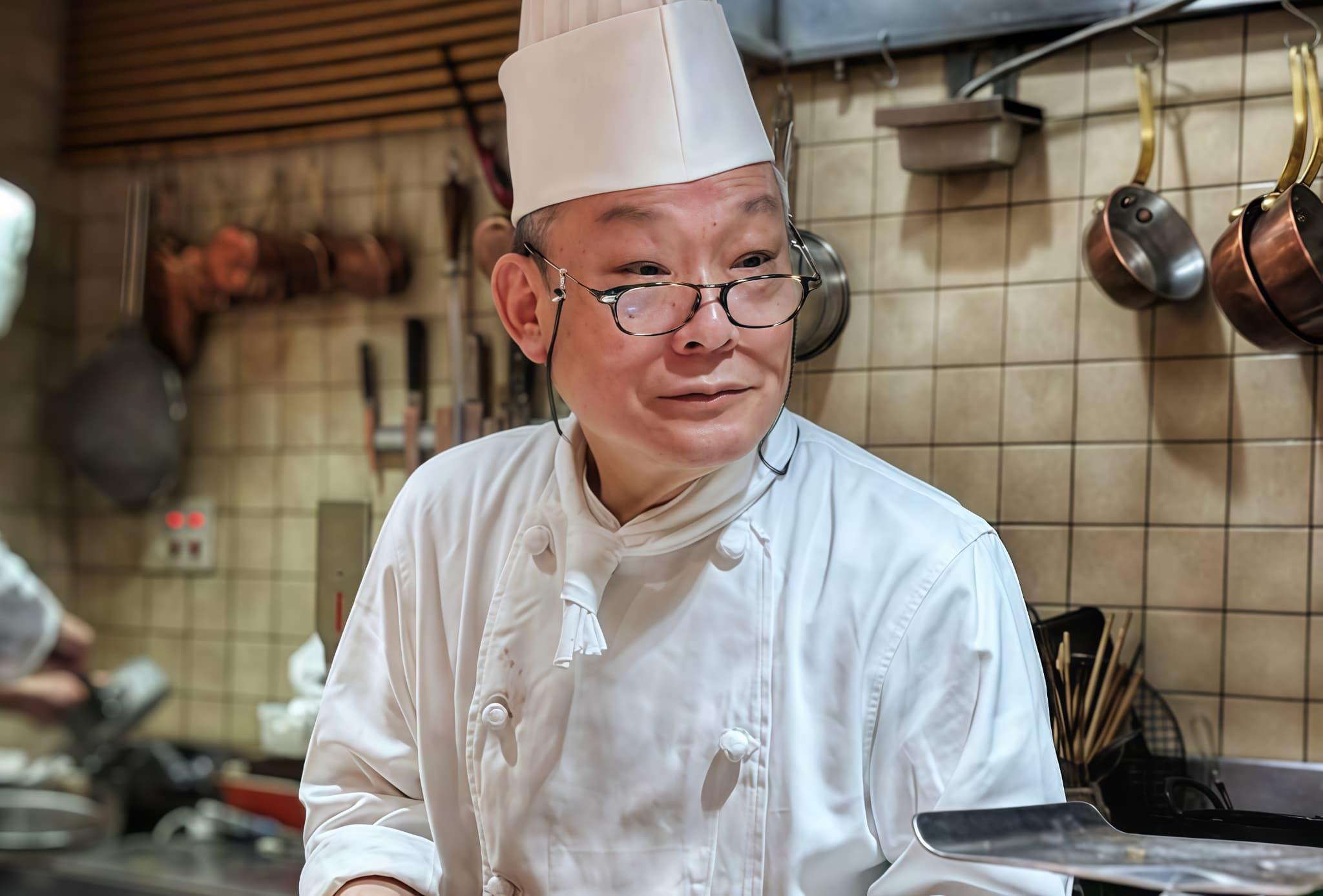
Chef-owner Mishima spent seven years as head chef at Tsuruju in Kanagawa Prefecture before opening independently. The training produced a technical foundation that is visible in the cooking, but the direction he has taken from that foundation is distinctly his own. His stated philosophy is straightforward: take ingredients that might seem ordinary and elevate them to extraordinary quality through meticulous attention rather than through the addition of luxury components. The approach sounds simple and is not.
The dashi is where the philosophy becomes most legible. Mishima uses aged kombu from Okui Kaiseido, stored for nine years — a product that most kitchens would not seek out because the cost and the sourcing effort are significant, and the difference from standard kombu, while real, requires a palate calibrated enough to register it. The bonito comes from Ukaishoten in Hongo, chosen for the particular character of their catch and how it combines with the aged kombu. The dashi that results from these two specific ingredients is the foundation that everything else is built on, and Mishima treats it accordingly.
The suppon — softshell turtle — demonstrates the specificity with which Mishima approaches individual ingredients. For grilling, he uses fatty male suppon from Nagasaki, whose fat content and texture respond to direct heat in a way that makes the grilled preparation work. For soup, he alternates between suppon from Hattori Nakamura farm, whose flavor profile is better suited to the longer, slower extraction that broth requires. The distinction between the two uses — grilling versus soup — and the decision to source different animals for each purpose reflects a level of ingredient-specific thinking that most kitchens do not practice even when they use suppon at all.
The cooking style resists easy categorization, which is part of what makes it interesting. Tokyo kaiseki tends toward addition — building complexity through layering of flavors and techniques. Kyoto kaiseki tends toward subtraction — removing elements until the essential character of an ingredient is revealed. Mishima's approach is neither. He is not adding unnecessary elements, but he is also not stripping toward minimalism as an aesthetic end. The goal is the optimal expression of each ingredient, arrived at through whatever combination of technique and restraint that particular ingredient requires. The result varies by dish and by season, which is why the menu reads differently at different times of year and why regulars return with that frequency.
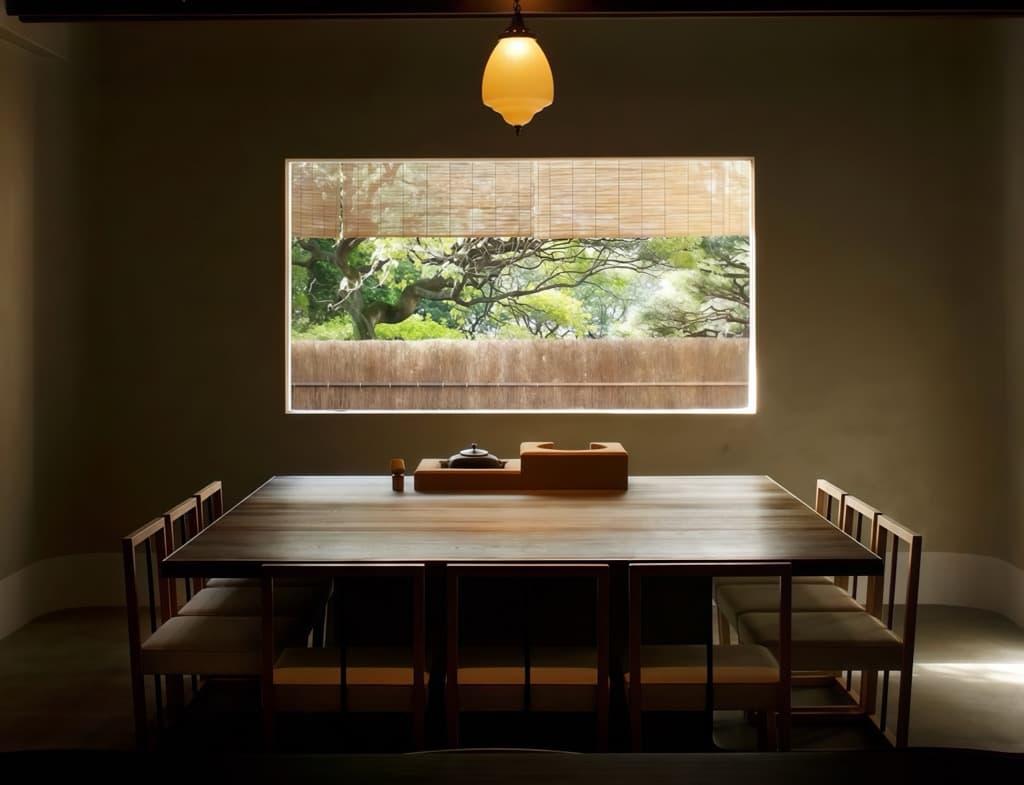
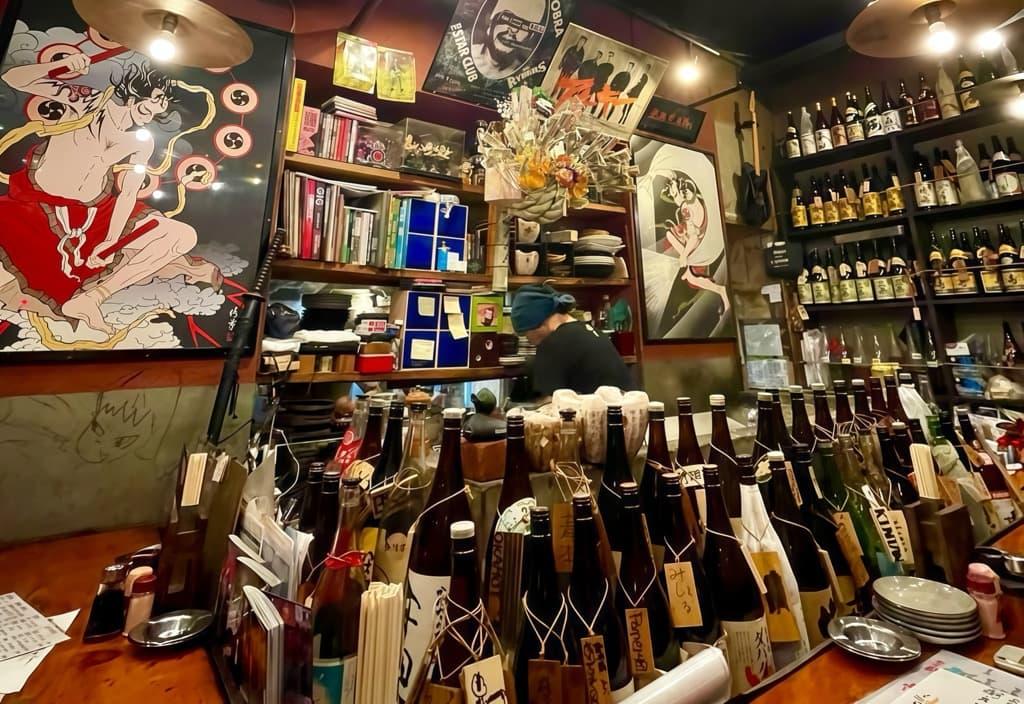
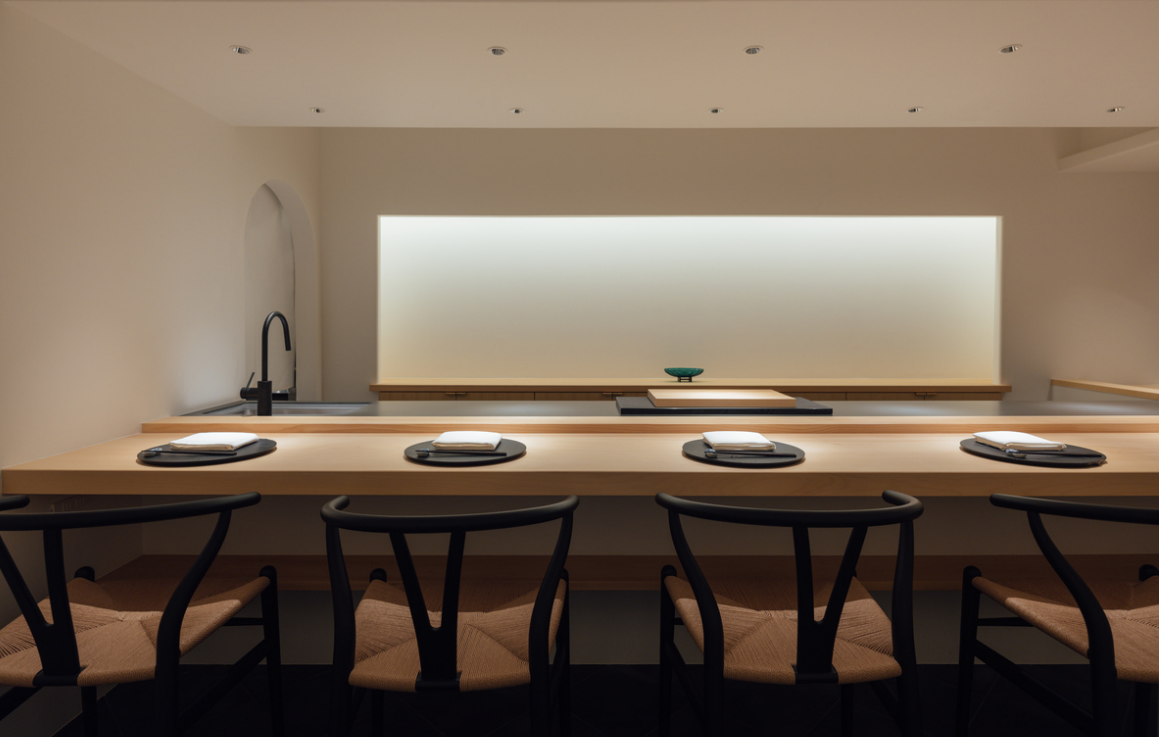
The interior reflects the same thinking. The room is stripped of decorative elements that would compete with attention to the food, and the two-hour meal unfolds in an atmosphere of unusual clarity. Guests who have eaten here describe the experience of finishing the course as one of unexpected lightness — the kind of feeling that a meal built on restraint and precision tends to produce when it works, and that a more elaborate or richer meal rarely achieves.
Word has spread through the kind of network that operates without press coverage — regulars who are reluctant to share the discovery, recommendations passed between people who trust each other's judgment rather than published guides. Reservations now require significant advance planning. The combination of Mishima's approach and the current pricing will not remain as accessible as it is now indefinitely, and the counter is worth finding while the equation still holds.
Courses

Dinner
Omakase course
Booking fee ¥1,000
Restaurant rules
Any additional orders beyond the drinks and course menu will need to be settled by you on the day
If you are more than 10 minutes late without contacting us, we will consider it a cancellation.
Restaurant information
| Working Hours | 18:00- |
|---|---|
| Seats | 8 |
| Payment | Visa, MasterCard, Diners, American Express, Cash |
| Smoking | Not Allowed |
| Alcohol take-in | Not Allowed |
| Phone number | 070-3149-4112 |
| Address | 1-15-5 Higashiyama Meguro-ku |
Location map

2026
October
More counters we can secure for you
Picked by the same team — similar style or nearby.