

Tofu Ryori Matsugae
Kyoto
Kaiseki
Two Tofus in a Painter's House
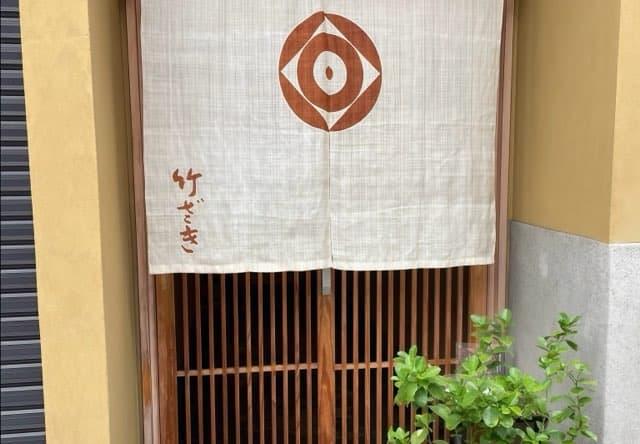
By the Arashiyama end of Togetsukyo Bridge there is a gate that looks like it belongs to a ryokan. Step through and the famous soba shop Yoshimura is on your right; keep walking to the building at the back, trade your shoes for a cubby at the door, and you are inside what used to be the villa of Kawamura Manshu, a Meiji-era painter of the Kyoto school. The house has been opened up room by room — a counter here, a converted storehouse there, private rooms, and a garden terrace that looks straight at the bridge.
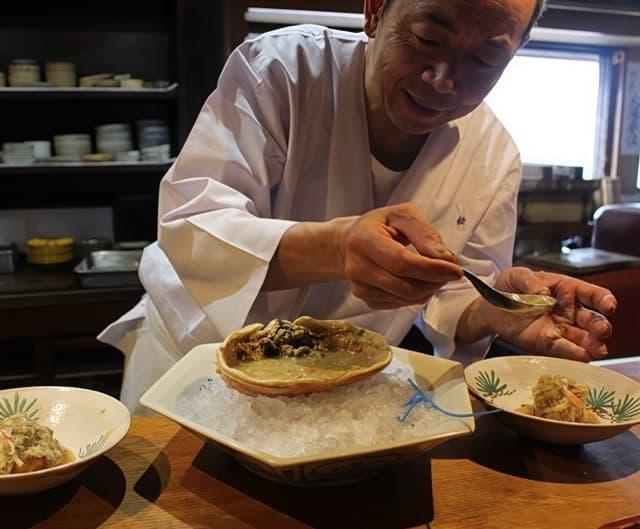
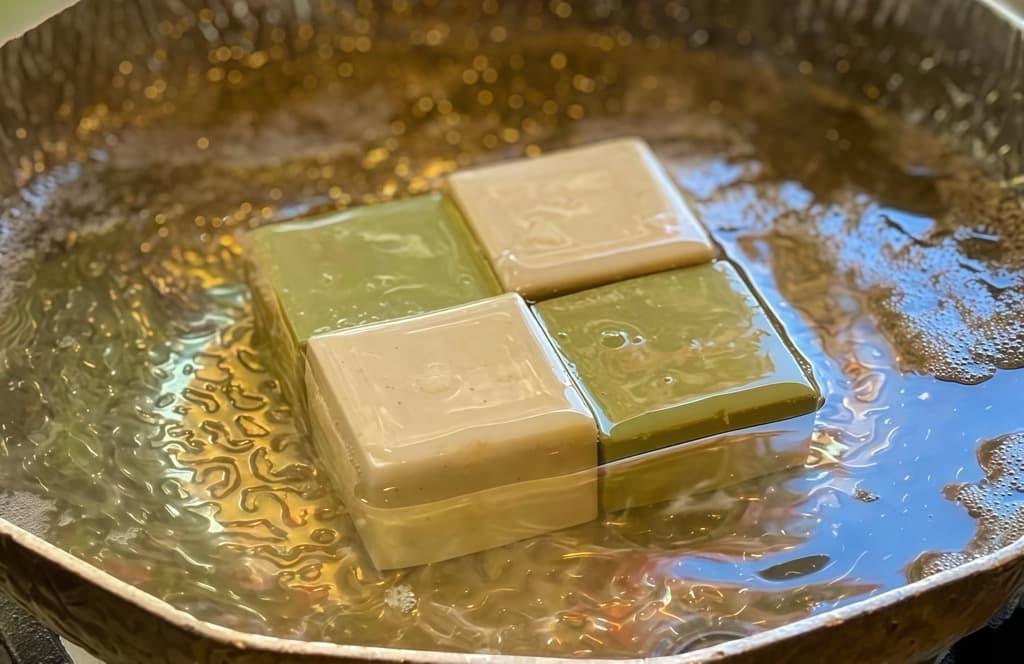
The kitchen makes two tofus, and the pair is the signature. One is soba tofu, pale and faintly nutty, with buckwheat worked into the soy; the other is matcha tofu, green with Uji tea and gently bitter at the finish. Both are made from Japanese soybeans bought directly from growers, set with nigari drawn from the deep seawater off Muroto. You meet them twice in a meal — chilled together in a small cedar pail, or trembling in a pot of yudofu — and season them yourself, with salt or with a white-miso tare that regulars find quietly addictive.
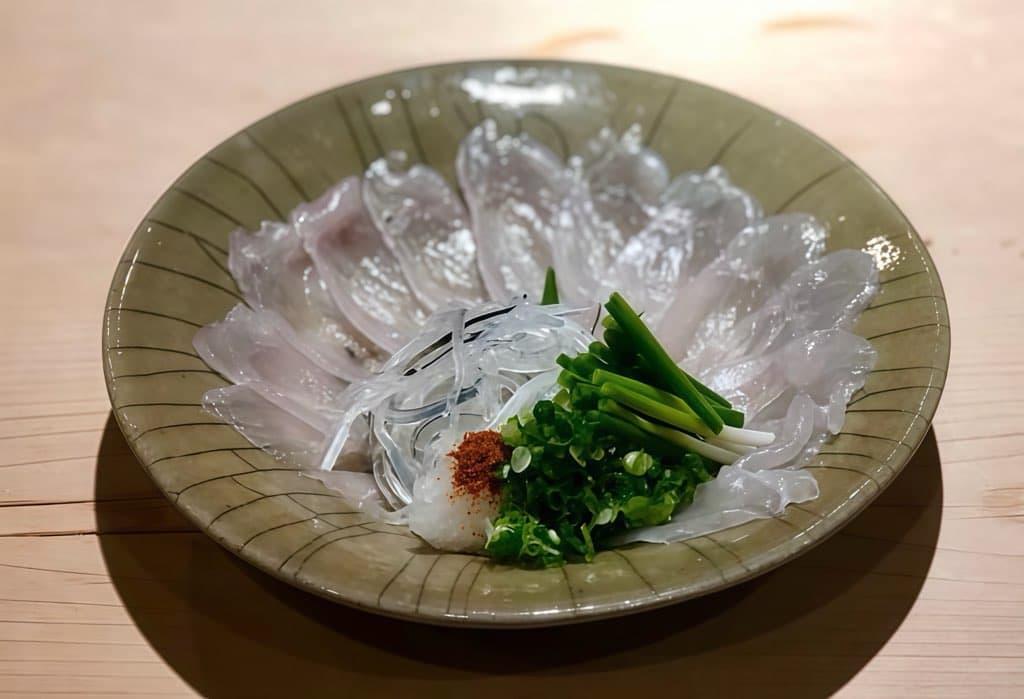
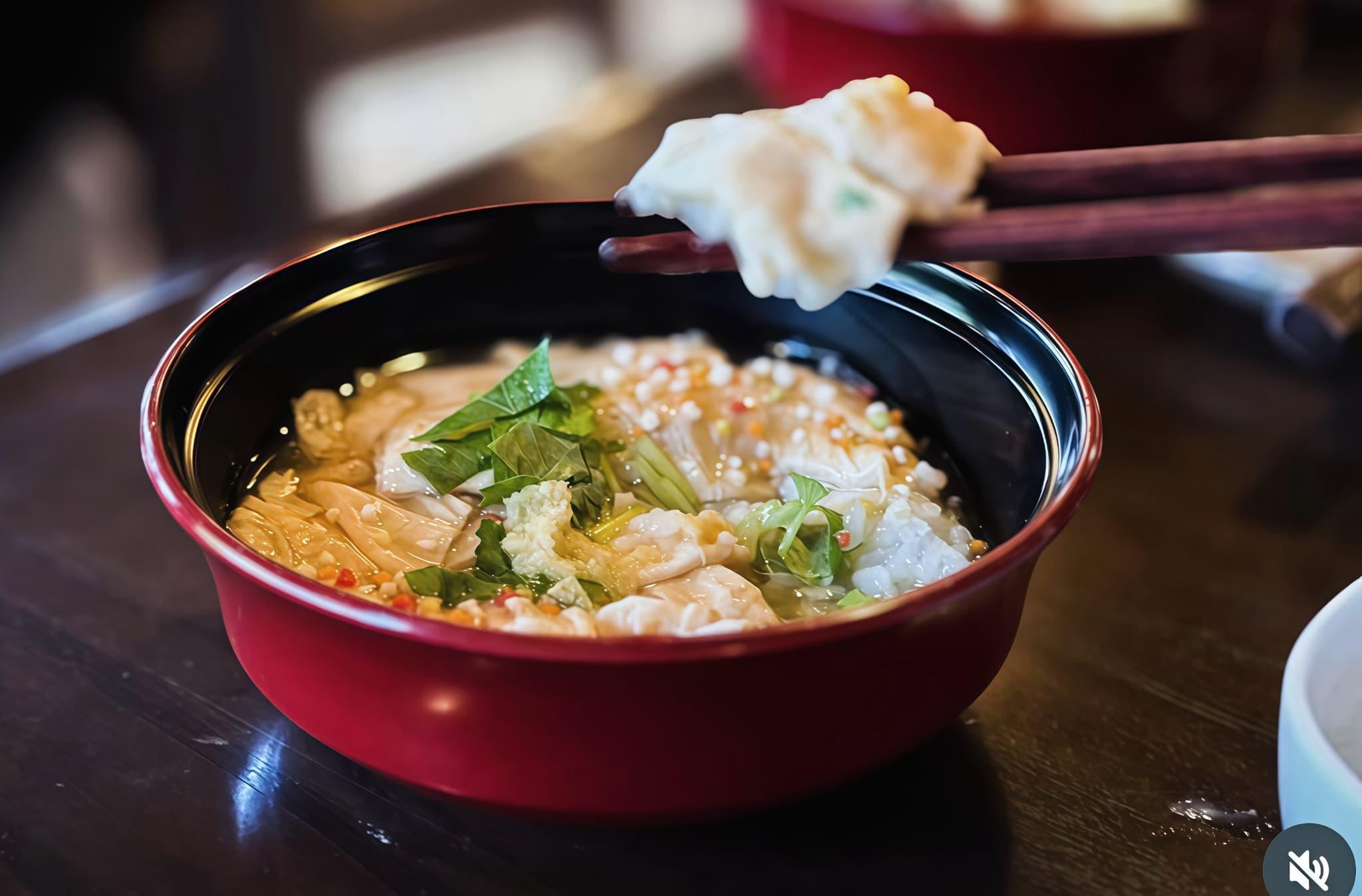
The courses are built like small kaiseki. Three obanzai open the meal — on a given day, a crisp fu-monaka wafer, a square of silky fukusa tamago studded with crunchy kikurage, or a soft-simmered pork kakuni that surprises people who assumed an all-tofu lunch. Then the tofu, then tempura: hand-pulled yuba fried into brittle sheets, and in season, a small turnip that has converted more than one first-timer. The meal closes with a choice of carbohydrates that reads like a menu of house hits — a sesame-soy-milk tantan somen served hot or cold with the seasons, or the yuba ankake don: rice blanketed in sheets of freshly lifted yuba, sealed under a dashi-dark glaze, scattered with mitsuba and five-color arare that crackle against all that softness. The pickles are made with soba koji — yuzu daikon, kombu — sweet in a way salt alone can't manage.
Everything here is lunch. The house opens at 11:00 and closes by 16:30, serves no dinner, and fills accordingly: on weekends a line forms before noon, and the guests who reserved walk past it. One recent visitor counted party after party with bookings being seated while the walk-ins waited. That is the entire argument for reserving — this is not a restaurant you gamble on between the bamboo grove and your train.
The soba lineage next door shows up at dessert. Because the group runs Yoshimura, the sweets lean on buckwheat: a soba-tea cheesecake, soba- tea ice cream, and a much-fought-over roll cake, all under ¥700 — worth staying for, with a pot of roasted soba-cha, especially if you've claimed a terrace seat and the light is good on the river.
Arashiyama has grander, older tofu institutions attached to temples, with prices to match. Matsugae's position is different: painter's house, handmade tofu, view of the bridge — at a lunch price most travelers can say yes to without arithmetic. That is exactly why the queue exists.
Courses at Tofuryori Matsugae
HANNARI SET — ¥1,980
The light course: three Kyoto obanzai, tofu salad, your choice of the yuba ankake don or a tempura don, and soba-koji pickles. The gentlest introduction to the house.
MATSUGAE — ¥2,560
The namesake: three obanzai, the seasonal tempura platter, your tofu served hot (yudofu) or cool in the cedar pail (teoke), the yuba ankake don, and soba-koji pickles.
AYAKAZE — ¥3,180(house recommendation)
The full repertoire: three obanzai, hand-lifted hikiage yuba, tofu hot or in the pail, seasonal tempura, soba-berry chirimen rice, the sesame–soy-milk tantan nyumen (served as chilled somen in warm months), and soba-koji pickles. If it's your one lunch here, this is the one. All three courses carry the two house tofus — soba and matcha — and the choice between hot and cold service runs with the seasons. Seasonal limited menus (summer, autumn) rotate alongside; we confirm the current lineup when we book.
Frequently Asked Questions
Tofu Ryori Matsugae
Strongly recommended. The restaurant serves lunch only, and on weekends and in cherry-blossom or autumn-leaf season the walk-in line forms before noon. Reserved guests are seated ahead of the queue — we call in Japanese and secure your table in advance.
Mostly, but not strictly — and this matters. The tofu, yuba, and tempura are plant-based, but the opening obanzai plates can include dishes like simmered pork, and dashi may be fish-based. If you are vegetarian or vegan, tell us when you book: we confirm with the kitchen in Japanese exactly what can be adapted, before you sit down rather than at the table.
Same two tofus, different temperatures. Yudofu arrives warm, barely simmering in a pot — the classic Kyoto winter form. The teoke (cedar pail) version is served cool, which sharpens the soba aroma and the matcha's edge. Most courses let you choose; in summer the pail is the move, in maple season the pot.
No. Matsugae serves lunch and café items only, 11:00–16:30. If your Arashiyama day runs late, we can book your dinner elsewhere in Kyoto — tell us the neighborhood.
The gate is at the foot of Togetsukyo Bridge — about ten minutes on foot from the bamboo grove and five from Tenryu-ji's main entrance. It slots naturally between a morning in the grove and an afternoon on the river.
Courses

Lunch
à la carte
Booking fee ¥1,000
Lunch
Hannari Set
Booking fee ¥1,000
Lunch
Matsugae
Booking fee ¥1,000
Lunch
Ayakaze
Booking fee ¥1,000
Restaurant information
| Working Hours | 11:00 - 16:00 |
|---|---|
| Seats | 72 |
| Payment | Visa, MasterCard, Diners, American Express, Cash |
| Smoking | Not Allowed |
| Alcohol take-in | Not Allowed |
| Phone number | 075-872-0102 |
| Address | 3 Saga Tenryuji Susukinobabacho, Ukyo-ku, Kyoto, Japan |
Location map

2026
October
More counters we can secure for you
Picked by the same team — similar style or nearby.