

Gohanya Isshin
Tokyo
Izakaya
One of Tokyo’s Most Comforting Modern Izakaya
Gohanya Isshin sits just three minutes from Daikanyama Station, tucked into the basement level of Twin Building Daikanyama along Old Yamate Street. Head down the staircase beside the neighborhood police box and the glow of the dining room immediately comes into view through the glass entrance. The restaurant is best known for its long lunch lines, but people who return regularly tend to prefer it at night.
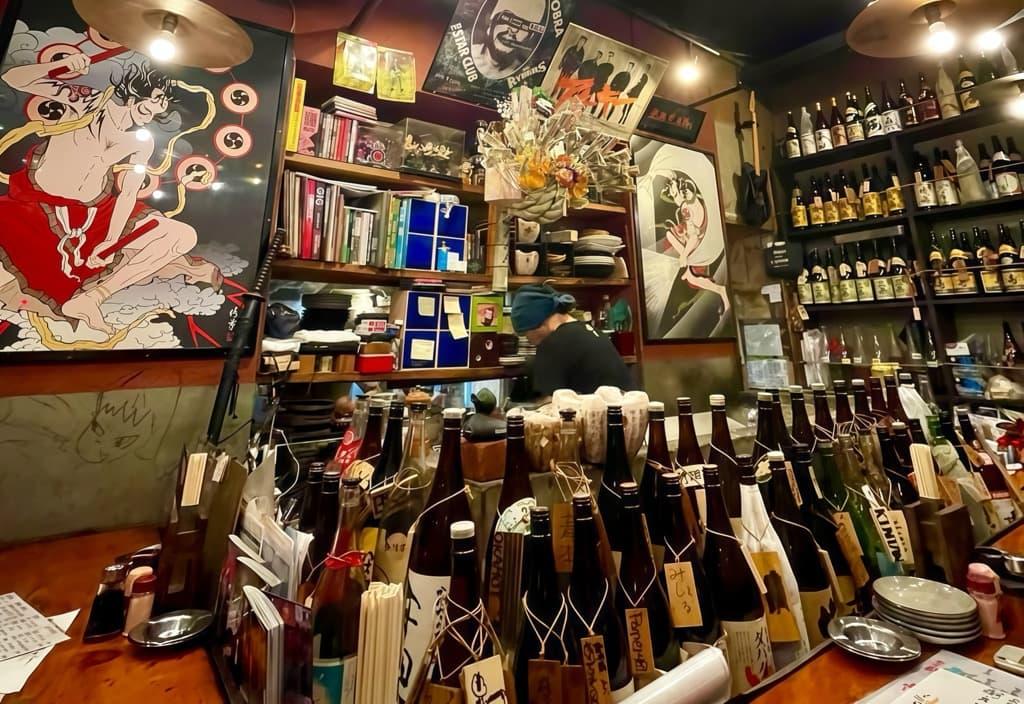
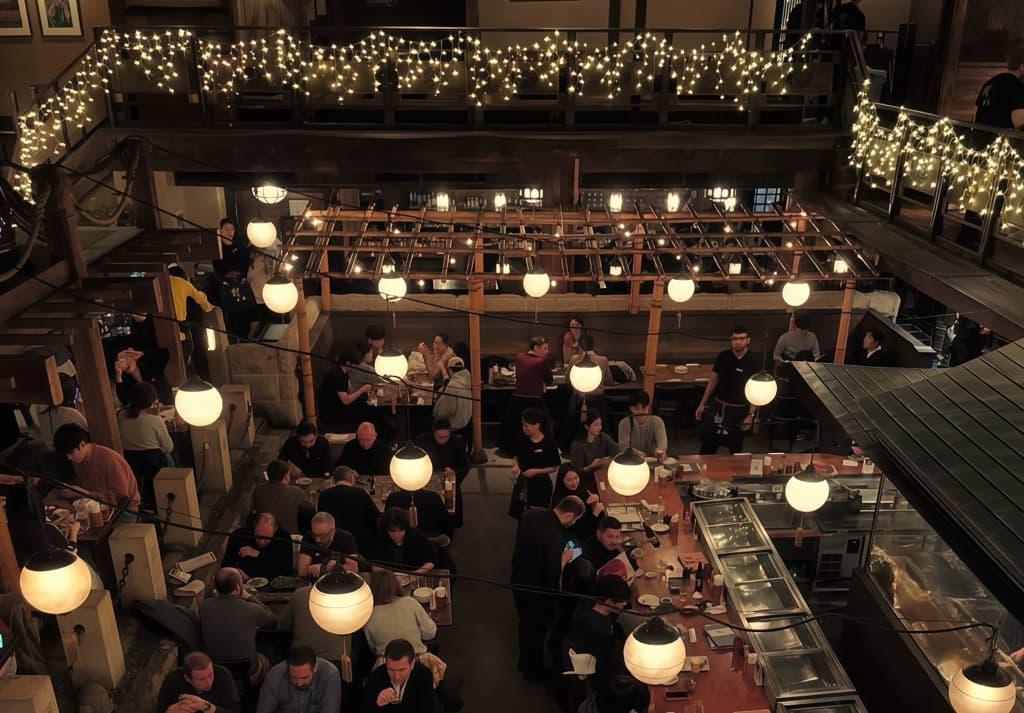
Opened in December 2013, the restaurant asks guests to remove their shoes before entering. Inside, the atmosphere is warm and understated, with wood-lined interiors and low lighting that feel surprisingly relaxed for a basement space. There is a distinct Daikanyama polish to the room, though it never slips into formality. Counter seats make it easy to visit alone, and solo diners blend naturally into the flow of the restaurant.
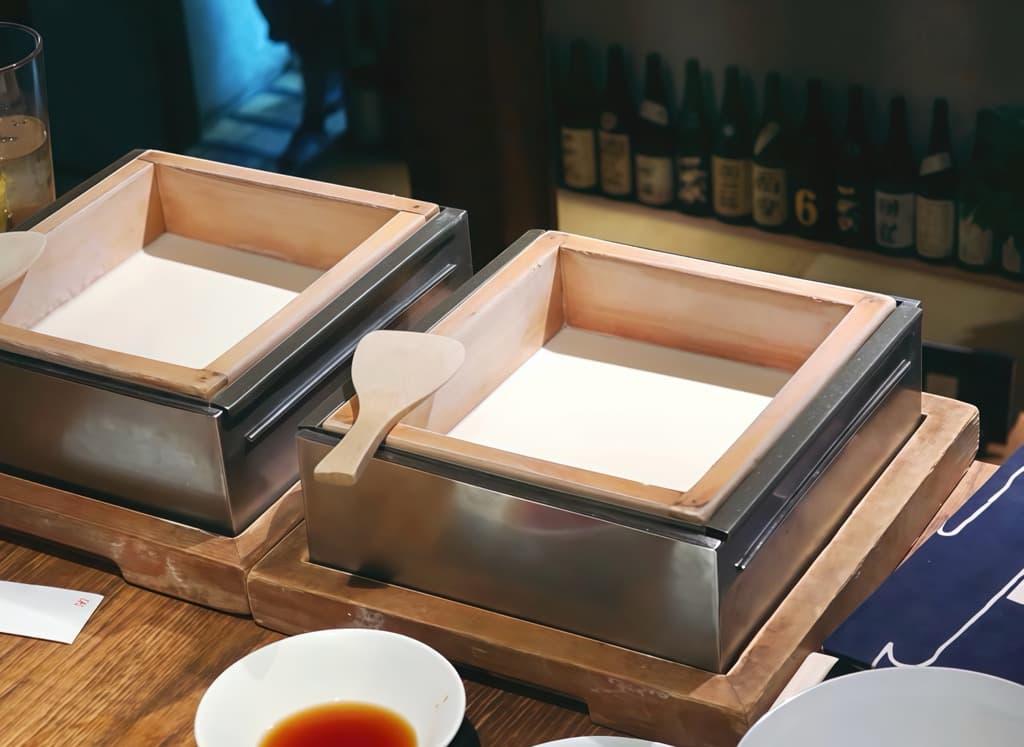
Rice is the foundation of the entire place. The restaurant uses a custom blend of white rice polished through a traditional milling method, then cooked fresh every day in triple hagama iron pots. The aroma of freshly cooked rice drifts through the dining room constantly. Even before sitting down, it becomes clear why the restaurant built its reputation around it. The signature sea bream ochazuke works because the rice itself already feels complete.
Lunch focuses on set meals, but dinner shifts fully into izakaya mode. Guests order small dishes, drink sake, and eventually finish with rice or ochazuke. The menu includes dishes stamped with a "Bimi" seal marking recommended items, and first-time visitors could comfortably build an entire meal from those selections alone.
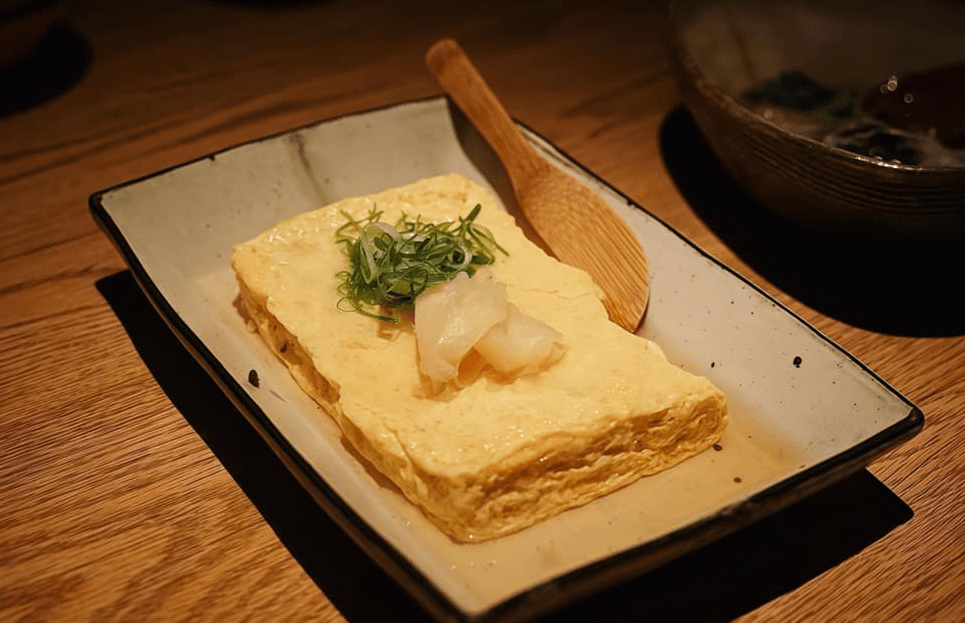
The dashimaki tamago is made to order one roll at a time. As chopsticks break into the surface, hot dashi spills outward, while the gari placed on top cuts through the richness unexpectedly well. The texture stays soft and delicate without losing definition, which explains why so many regulars order it automatically.
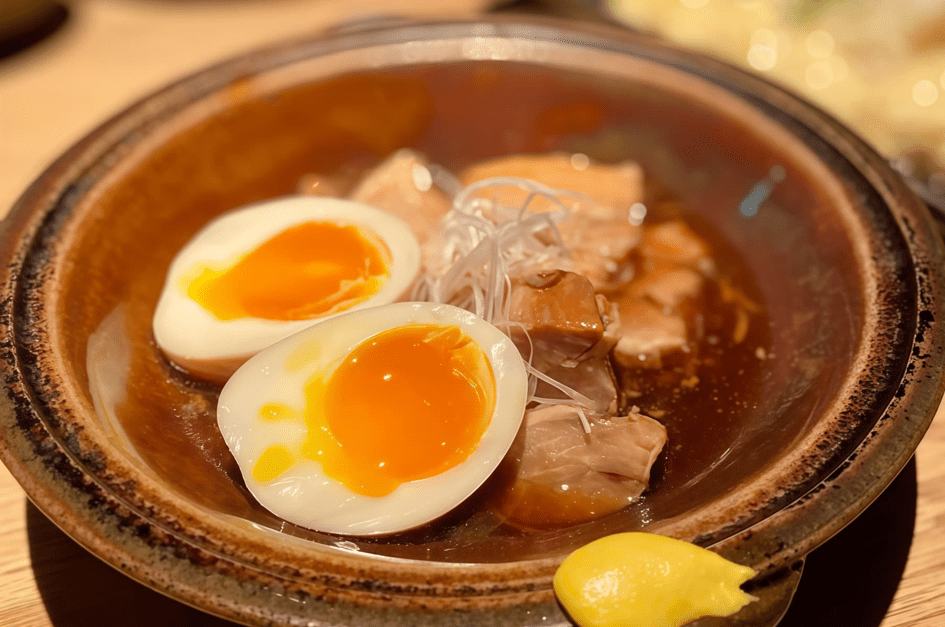
The braised pork kakuni remains one of the restaurant's signatures. The meat is simmered until it can nearly be separated with chopsticks alone, served alongside a soft-boiled egg whose yolk mixes naturally into the sauce. Tsukune topped with onsen egg follows a similar direction, sweet soy glaze pulling the dish firmly toward both sake and rice.
Among the lighter dishes, the duck and watercress dressed with wasabi works especially well at the beginning of the meal. The bitterness of the greens and the richness of the duck stay balanced by the sharpness of the wasabi. Warm vegetables dressed in tomato miso arrive with deeper flavor than expected, the acidity of the tomato keeping the dish from becoming heavy.
Several fried dishes stand out. The agedashi eggplant and nama-fu absorbs enough dashi that the eggplant nearly collapses, while the chewy wheat gluten retains its structure. Fried daikon with tororo kombu is one of the more unusual plates on the menu, the broth-soaked radish crisp on the outside and soft inside, with the kelp slowly releasing umami as you chew. The yuba shumai is also larger and more substantial than expected, carrying a surprising amount of meat juices beneath the delicate tofu skin.
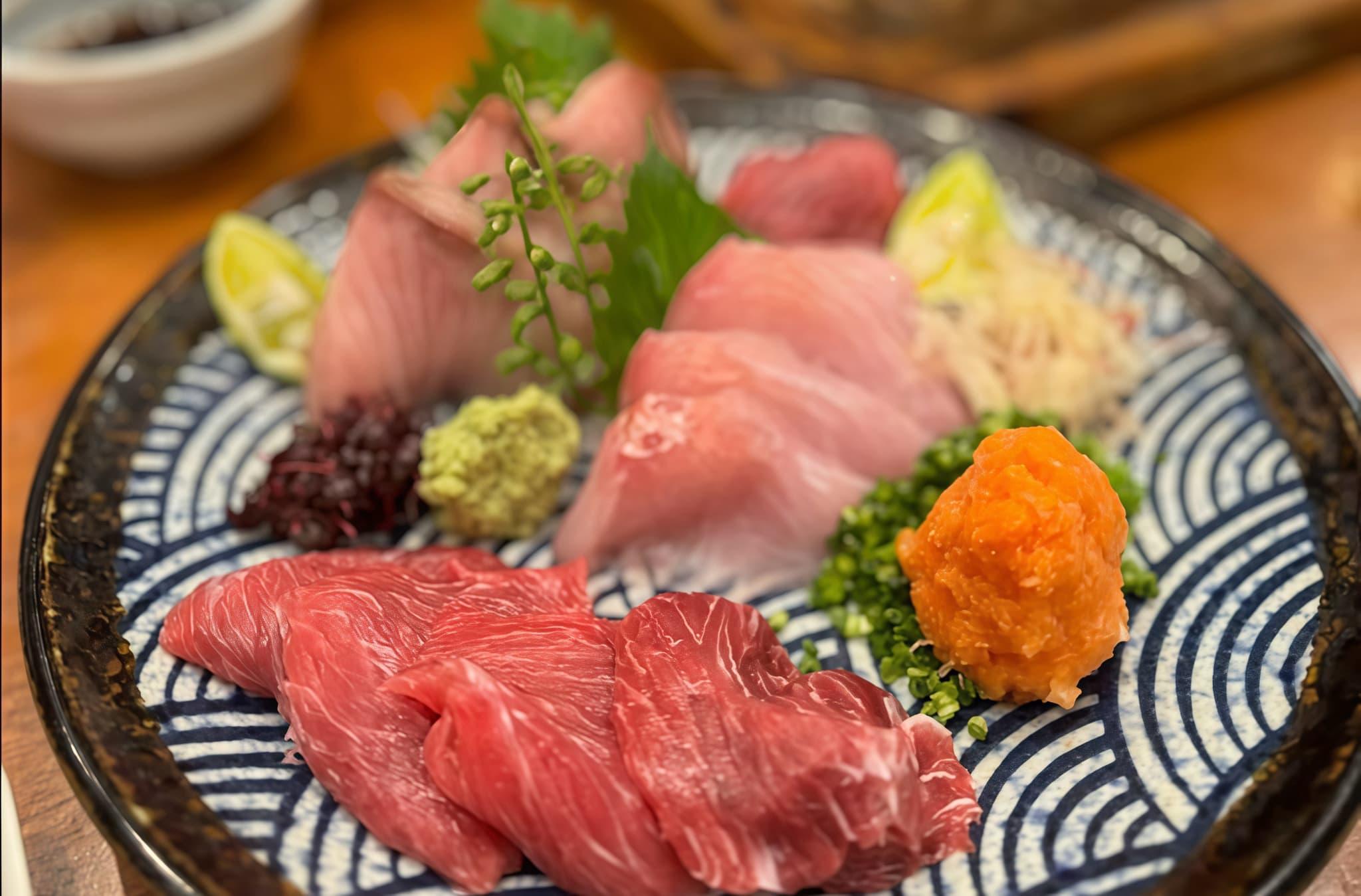
Seafood is handled carefully throughout. Sashimi arrives thick-cut on black plates lined with wire mesh. Lean tuna carries deep, direct flavor, while the white fish selections are clean and slightly sweet. The sourcing is honest and the fish tastes like itself.
The grilled mackerel is another dish worth ordering. The skin is deeply browned and crisp, with plenty of grated daikon layered over the top to keep the richness balanced. A small serving of bright red vinegared vegetables alongside it refreshes the palate between bites and pairs naturally with sake. It arrives on a green Oribe-style plate, which suits the dish well.
One slightly unexpected dish is the salmon and shiso pastry fry. The cross section reveals the filling immediately, and the contrast between crisp pastry and soft interior gives it a more modern feel than many traditional izakaya dishes. Somehow it still fits the atmosphere naturally.
The sake list changes regularly and usually includes around twenty bottles from across Japan. Juyondai appears occasionally, and the selection encourages ordering by the glass alongside different dishes throughout the evening. The restaurant clearly attracts serious sake drinkers as much as food-focused guests.
Desserts are handled with the same care as the savory menu. White peach tiramisu, salted caramel cheese ice cream, and muscat grape kinako mousse all lean lighter than expected, finishing the meal without weighing it down.
Dinner reservations can be surprisingly difficult to secure, especially on weekends. Even two weeks ahead, only early evening seating may remain available. For many people, Isshin begins as a famous lunch destination. In reality, the restaurant makes the most sense at night, when the room slows down and the food, sake, and rice all settle into their proper rhythm.
Gohanya Isshin: Reservation & Dining FAQ
Is a reservation required for dinner?
Yes, securing a dinner table can be surprisingly difficult, particularly on weekends. Even two weeks in advance, you may find only early evening slots available. While Isshin is highly famous for its lunch lines, the restaurant settles into its proper rhythm at night, making dinner reservations essential to experience the full menu.
How is the beverage selection?
The restaurant caters seriously to sake enthusiasts. The list changes regularly, featuring around twenty distinct bottles from across Japan—including rare finds like Juyondai on occasion. Ordering by the glass is encouraged to complement the progression of your meal.
What is the dress code and atmosphere?
There is no formal dress code; the vibe carries a distinct Daikanyama polish without feeling stiff. Upon entering the warm, wood-lined basement space, guests are required to remove their shoes. The counter seating is highly accommodating for solo travelers, blending them naturally into the relaxed flow of the room.
Courses

Dinner
à la carte
Booking fee ¥1,000
Dinner
Omakase
Booking fee ¥1,000
Restaurant information
| Working Hours | 17:00 - 23:00 |
|---|---|
| Seats | 73 |
| Payment | Visa, MasterCard, Diners, American Express, Cash |
| Smoking | Not Allowed |
| Alcohol take-in | Not Allowed |
| Phone number | 03-6455-1614 |
| Address | B1F Twin Bldg. Daikanyama Wing A, 30-3 Sarugakucho, Shibuya-ku, Tokyo, Japan |
Location map

2026
October
More counters we can secure for you
Picked by the same team — similar style or nearby.