

Mishima Tei
Kyoto
Wagyu
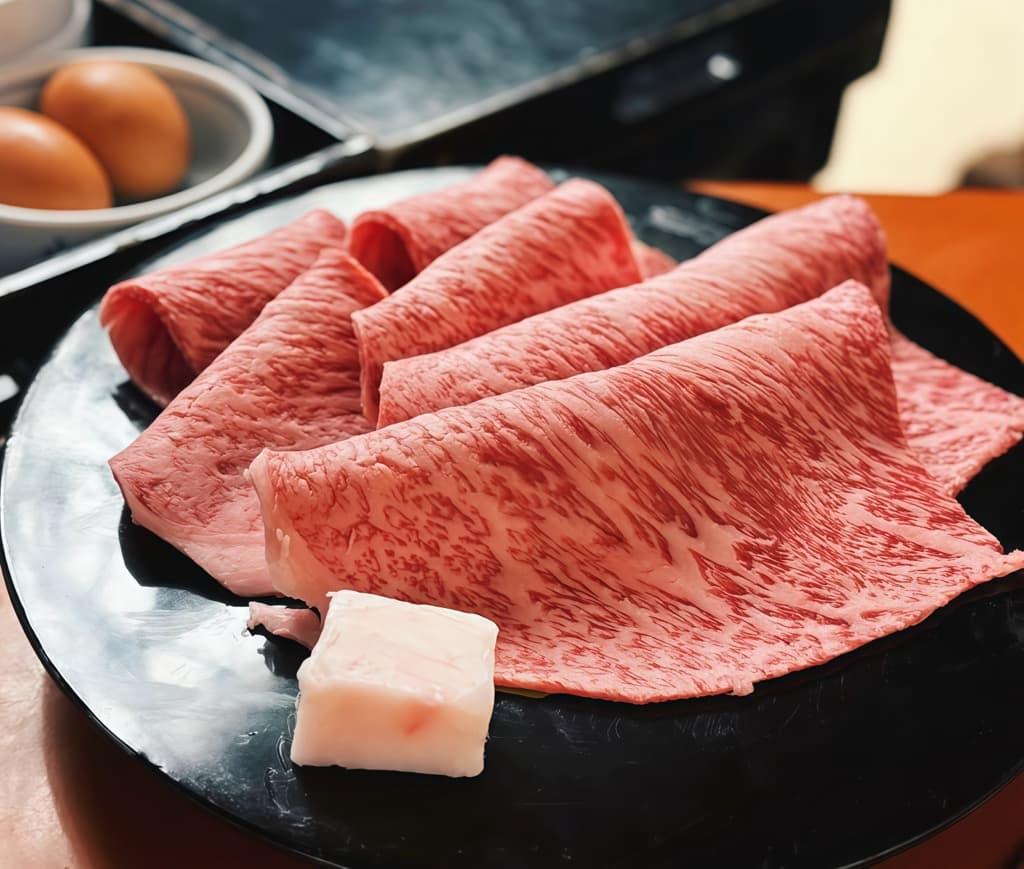
Classic Kyoto Sukiyaki in a Meiji Era Setting
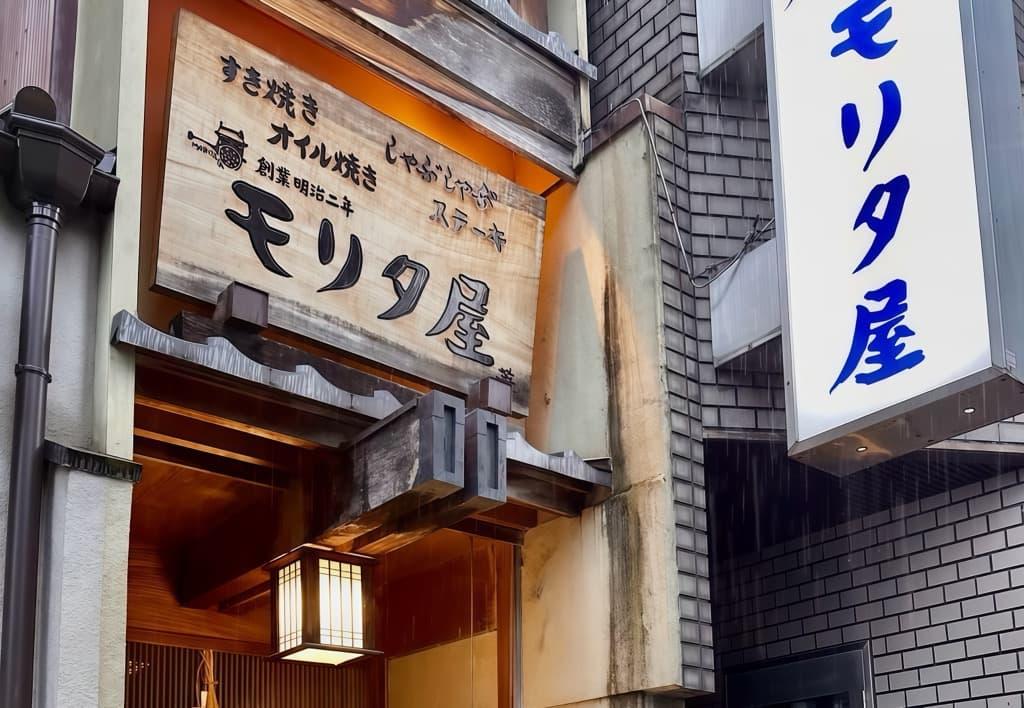
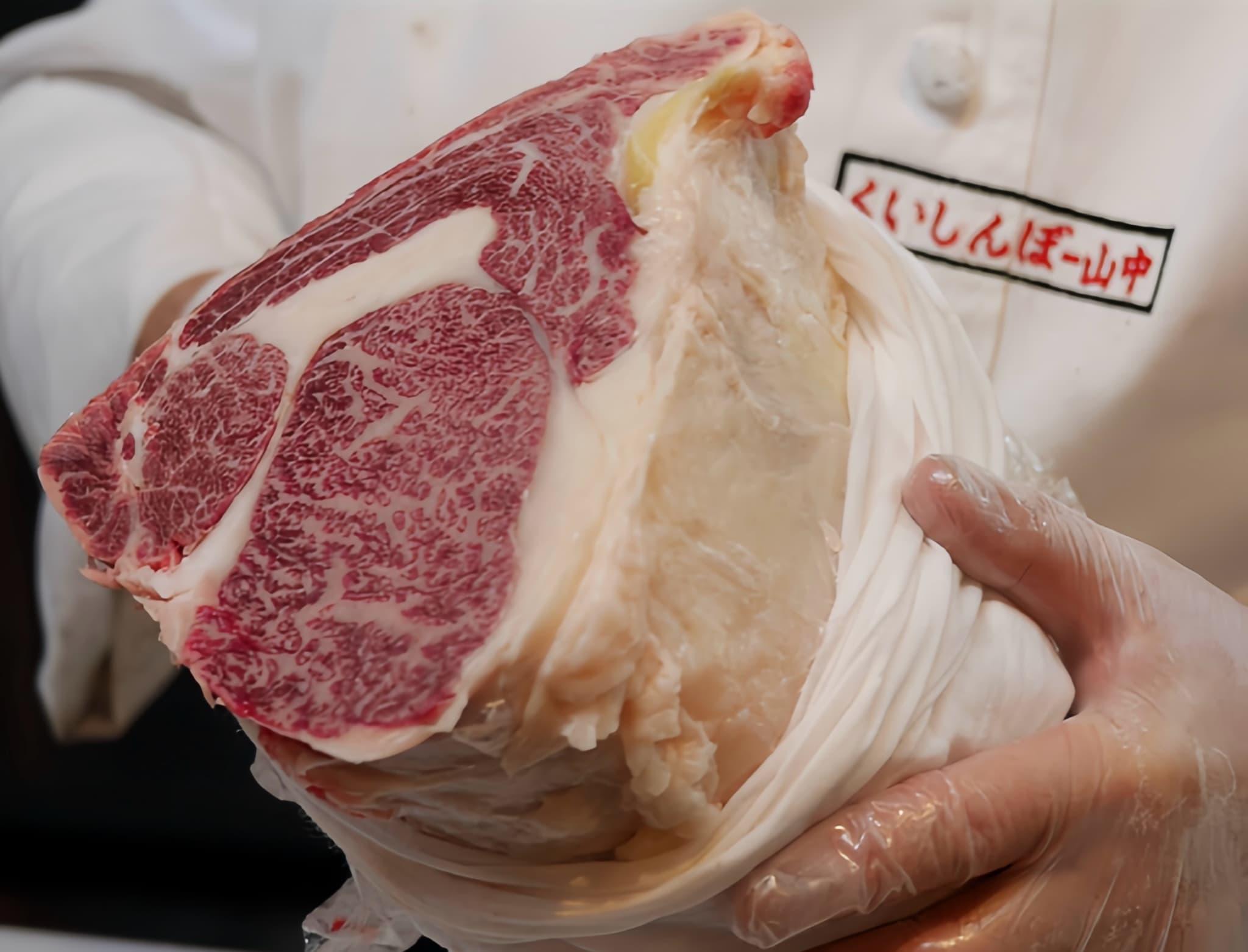
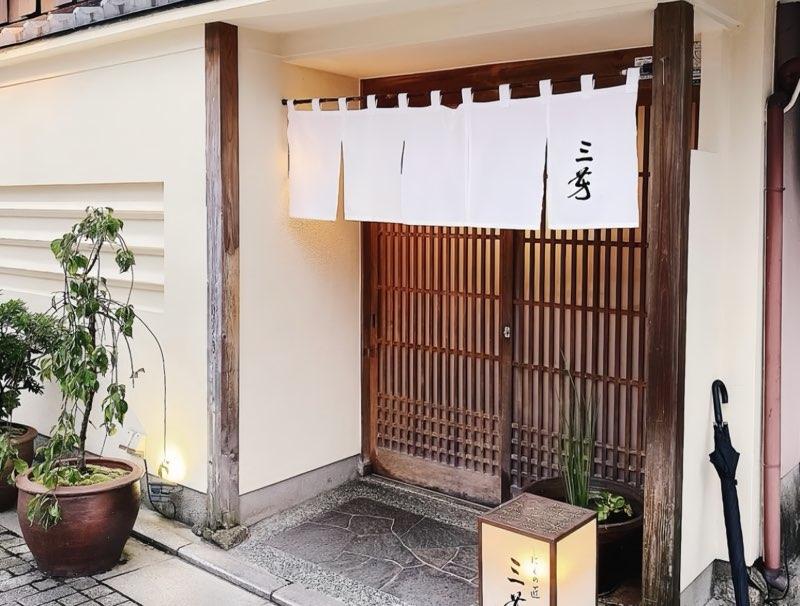
Mishima Tei Main Store stands along the Teramachi Sanjo arcade, where one of Kyoto’s busiest shopping streets suddenly gives way to a facade that looks almost untouched by time. Founded in 1873, it is one of the city’s established names in sukiyaki. The wooden exterior, old gas lamps, and traditional frontage feel genuine rather than staged. Beside the entrance sits the attached butcher shop, a small detail that immediately reminds you beef has always been central to the business.
Inside, the sense of age continues. Guests are received at the entrance and guided through dark timber corridors and stairways that still carry the atmosphere of another era. The dining rooms are private and comfortable, with horigotatsu seating in many rooms that makes a longer meal easy. It feels formal enough for celebrations or business use, but not stiff.
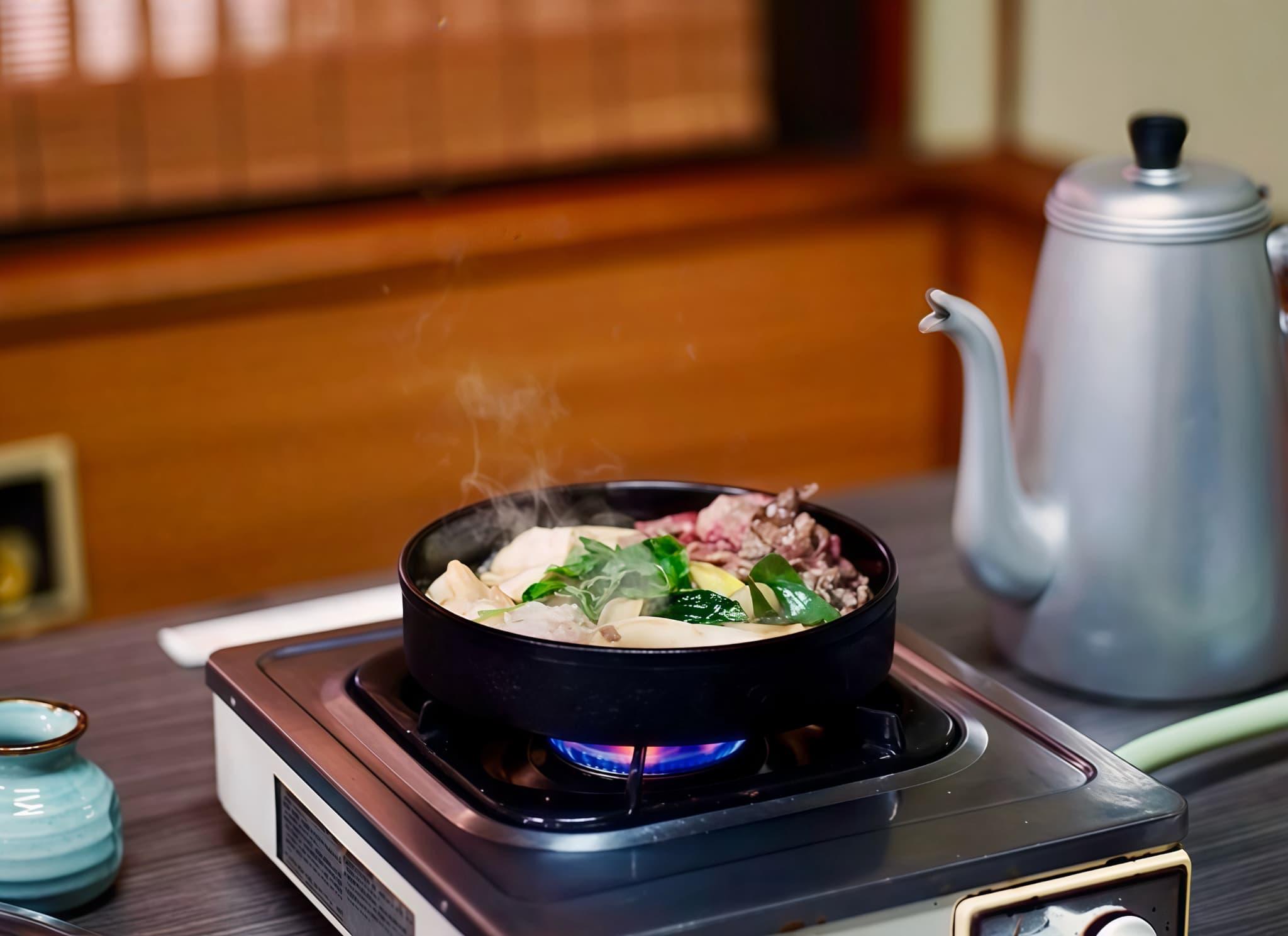
One of the strongest parts of the experience is that the cooking is handled for you. A dedicated attendant prepares the entire meal at the table and controls the timing from start to finish. It changes the pace of dinner. Instead of watching the pot anxiously or adjusting seasoning yourself, you can focus on the room, the conversation, and what arrives next.
Courses differ mainly by the grade of beef, with several menu tiers available. Guests can also choose from different cooking styles, including sukiyaki, oil grilling, mizutaki, and mizore style preparations. For many first time visitors, however, sukiyaki is the reason to come.
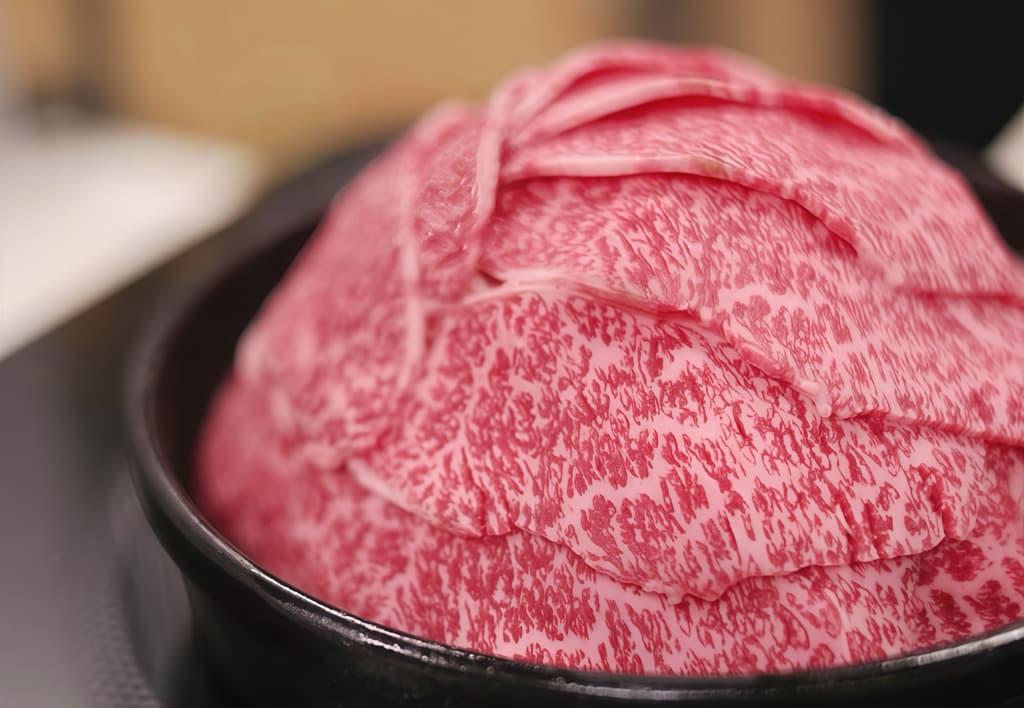
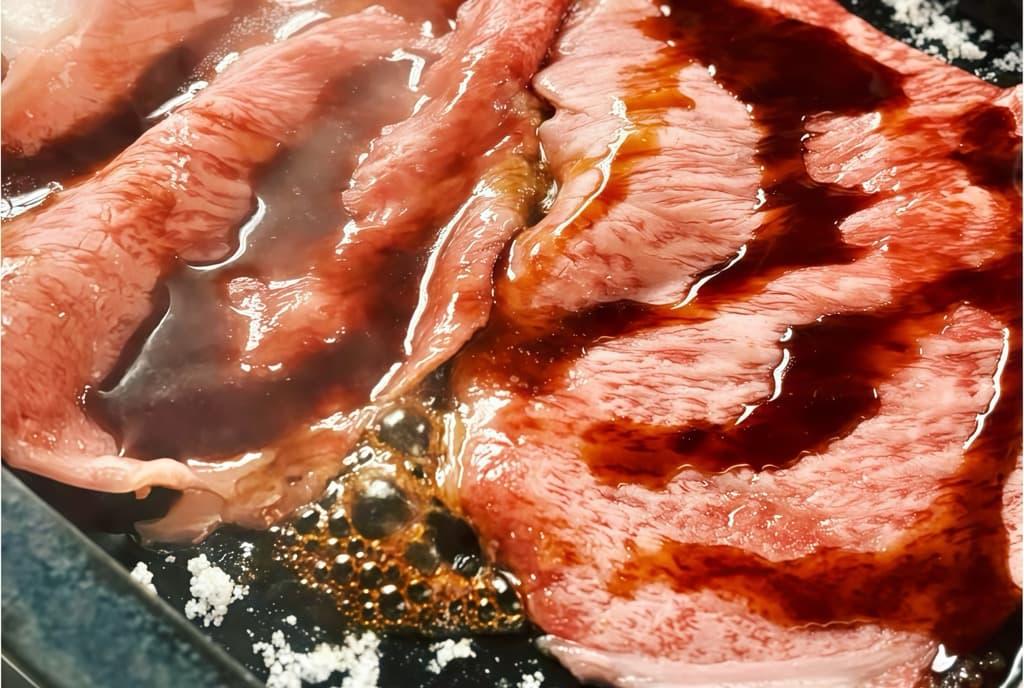
The house style follows the Kansai method. Sugar is scattered onto the hot iron pan first, then added lightly again over the marbled beef. A house soy sauce with kombu dashi is used sparingly rather than poured in heavily. There is no large pool of simmering broth. The effect is closer to grilling than stewing, with sweetness and beef aroma developing directly on the surface of the meat.
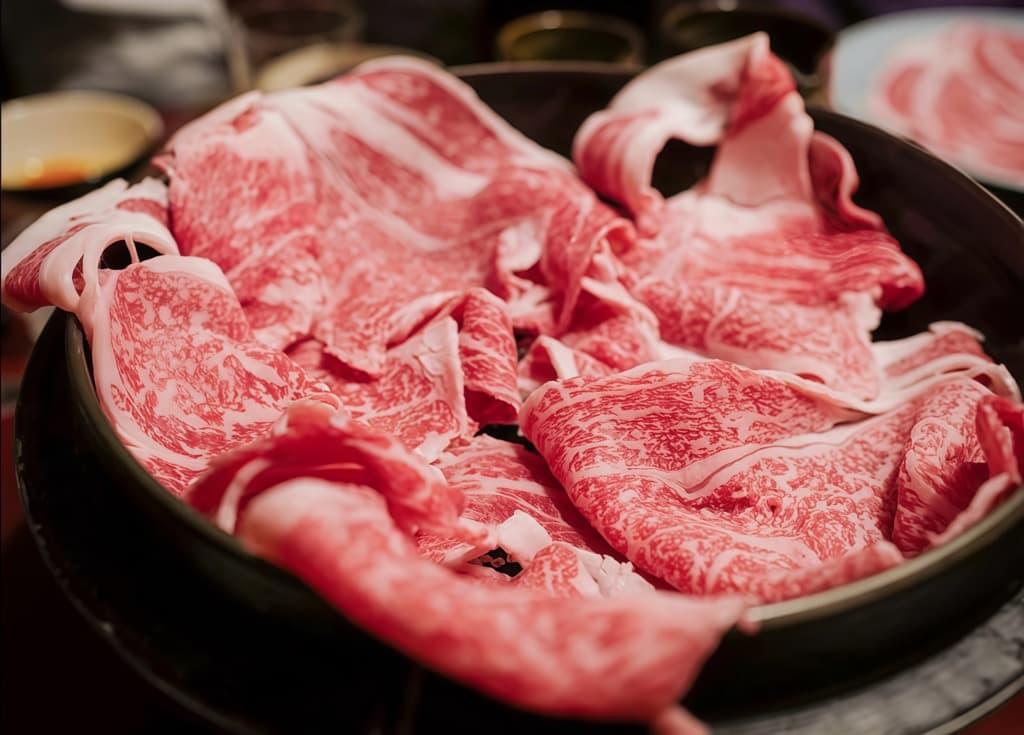
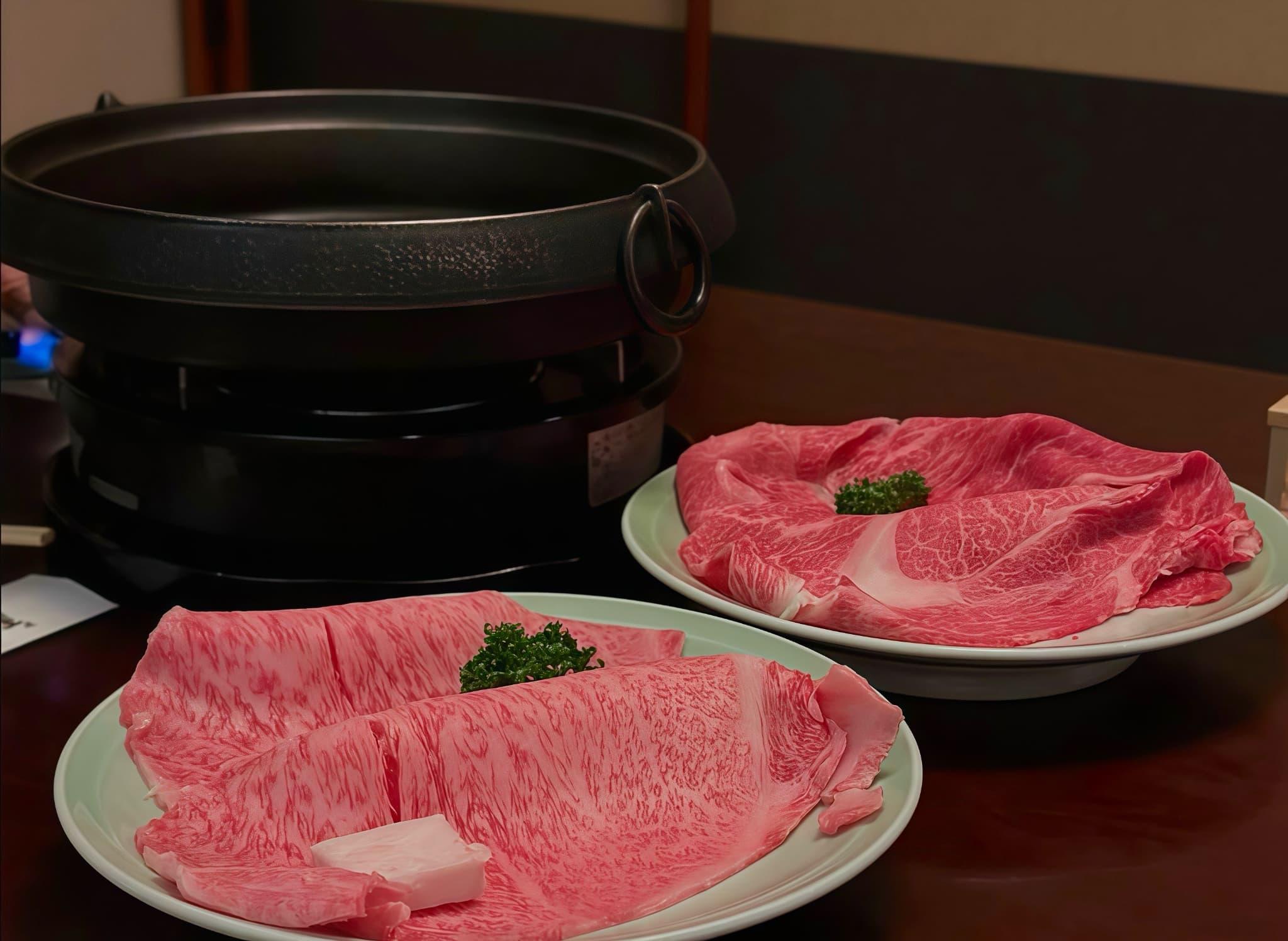
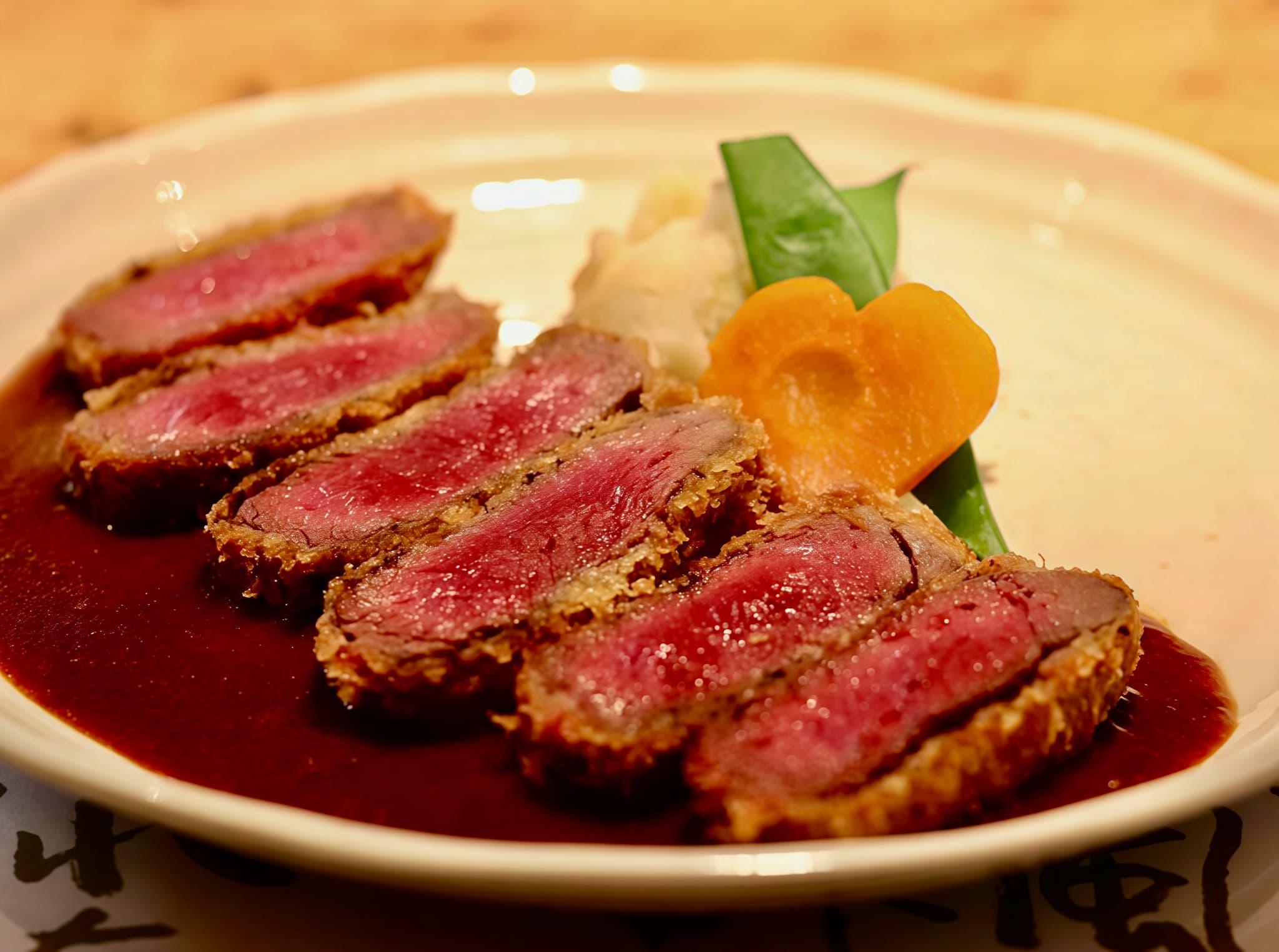
The beef itself is thinly sliced and richly marbled, luxurious without needing a large portion to make its point. Dipped into fresh egg, it delivers the sweetness and richness people hope for when they order sukiyaki. Staff may recommend wrapping the beef with mitsuba before eating, which adds a fresh herbal note that keeps the richness in check.
Vegetables deserve real attention here. Kujo leeks, onions, shiitake, tofu, fu, shirataki, eggplant, peppers, and other seasonal ingredients take on the sauce left in the pan. Even diners who come focused on the beef often end up talking about the vegetables afterward. The green leaves of the Kujo leek, in particular, have more sweetness and character than many visitors expect.
The meal finishes simply and well. Rice served with beef shigureni and Kyoto pickles makes a satisfying final course, followed by fruit such as the sweet, juicy sand dune melon from Kyotango.
Mishima Tei suits diners who want more than just a famous name. You come for the beef, but also for the old Kyoto setting, the calm private rooms, and the confidence that comes from a restaurant that has repeated the same essentials for generations. Weekend and peak season demand can be strong, so reservations are recommended. We are happy to assist with arrangements if useful.
Selecting Your Experience: A Guide to Mishima Tei’s Courses
At Mishima Tei, the choice of course defines the narrative of your evening. Whether you seek a full traditional Kaiseki experience or wish to focus entirely on the pinnacle of aged Wagyu, each selection offers a unique window into Kyoto’s beef culture.
1. The "Hana" Course (Sukiyaki Kaiseki)
The ultimate expression of the fifth-generation proprietor’s vision. This is a full-course "Sukiyaki Kaiseki" that weaves seasonal Kyoto delicacies into the meal.
The Beef:
Premium-grade aged Wagyu, specifically selected for its harmony with the seasonal appetizers.
The Menu:
Seasonal appetizers (Hassun), earthen teapot soup (Dobinmushi), signature Sukiyaki, clay-pot rice with beef shigureni, seasonal fruit, Japanese sweets, and Matcha.
Best For:
Guests seeking a ceremonial, multi-course journey to celebrate a major milestone.
Note: Requires reservation 2 days in advance. Available only after 5:00 PM.
2. The "Gokujo-Tsuki" Course (The Absolute Pinnacle)
This course focuses entirely on the meat, featuring only the highest-certified cattle in the Japanese market, including award-winning Wagyu and certified Kobe Beef.
The Beef:
The absolute highest grade of Black Wagyu. It boasts the most intricate marbling and a melt-in-the-mouth texture that is certified as the peak of the industry.
The Menu:
Light starter, signature Sukiyaki, rice with beef shigureni, and seasonal fruit.
Best For:
True beef connoisseurs who want to experience the rarest and most prestigious Wagyu in existence.
3. The "Tsuki" Course (The Signature Standard)
The signature course of Mishima Tei for over 150 years. It showcases the legendary aged beef that defined the restaurant's reputation.
The Beef:
High-grade aged Wagyu. While one step below the "Gokujo," it offers a profound umami and aroma that far surpasses typical luxury beef.
The Menu:
Light starter, signature Sukiyaki, rice with beef shigureni, and seasonal fruit.
Best For:
First-time visitors who want the most authentic, balanced, and historic Mishima Tei experience.
4. The "Lunch" Course (The Classic Introduction)
An accessible entry point into the world of Mishima Tei, offered only during midday hours.
The Beef:
Excellent quality aged Wagyu suited for a lighter midday feast.
The Menu:
Signature Sukiyaki, rice with beef shigureni, and seasonal fruit.
Best For:
Travelers wanting to experience the historic main store and expert service in a more casual setting.
Mishima Tei Main Store: Essential Guide for Your Visit
Choosing Your Course: Hana, Tsuki, or Gokujo-Tsuki
The menu offers three main courses: Hana, Tsuki, and Gokujo-Tsuki. These categories primarily reflect the grade of meat and the intensity of the marbling. Regardless of your choice, you will experience the profound umami of Mishima Tei’s signature aged beef. For first-time visitors, the "Tsuki" course is especially popular for its perfect balance of meat and seasonal vegetables.
Lunch vs. Dinner: From Casual Luxury to a Grand Evening
The lunch course is remarkably accessible given the restaurant's history and quality, making it an ideal luxury stop during a day of sightseeing in Kyoto. However, to fully immerse yourself in the silence and heavy atmosphere of this historic landmark for a special occasion, the evening private room experience is incomparable.
Modern Comforts in a Historic Setting
Despite its long history, Mishima Tei accepts all major credit cards, IC cards, and QR code payments, ensuring a smooth experience for international guests. While the building is a historic wooden structure, most private rooms are equipped with horigotatsu (sunken floors), allowing you to relax and enjoy your meal without worrying about your seating posture.
Mishima Tei Main Store: Frequently Asked Questions
Is the restaurant child-friendly?
Yes. Since all dining is in private rooms, families with children can enjoy their meal comfortably. Many rooms have sunken floors, making it a relaxed environment for guests of all ages.
Is there a dress code?
There is no strict rule, but smart casual attire is recommended for such a prestigious and historic establishment. As you will be removing your shoes, wearing clean socks is advised.
Can you accommodate allergies or dietary restrictions?
Yes. Since the attendant prepares the meal in front of you, adjustments for egg allergies or specific vegetable dislikes can be handled smoothly. Please inform us of any requirements at the time of booking so we can prepare alternatives in advance.
Courses

Lunch
Lunch Course
Booking fee ¥1,000

Dinner
Tsuki Course
Booking fee ¥1,000
Dinner
Premium Tsuki Course
Booking fee ¥1,000
Dinner
Hana Course
Booking fee ¥1,000
Dinner
Premium Hana Course
Booking fee ¥1,000
Restaurant information
| Working Hours | 11:00 - 21:00 |
|---|---|
| Seats | 250 |
| Payment | Visa, MasterCard, Diners, American Express, Cash |
| Smoking | Not Allowed |
| Alcohol take-in | Not Allowed |
| Phone number | 075-221-0003 |
| Address | 405 Sakuranocho, Nakagyo-ku, Kyoto, Japan |
Location map

2026
October
More counters we can secure for you
Picked by the same team — similar style or nearby.