

Renkonya
Kyoto
Izakaya
A Living History of Kyoto’s Home-Style "Obanzai" in an Edo-Period Machiya
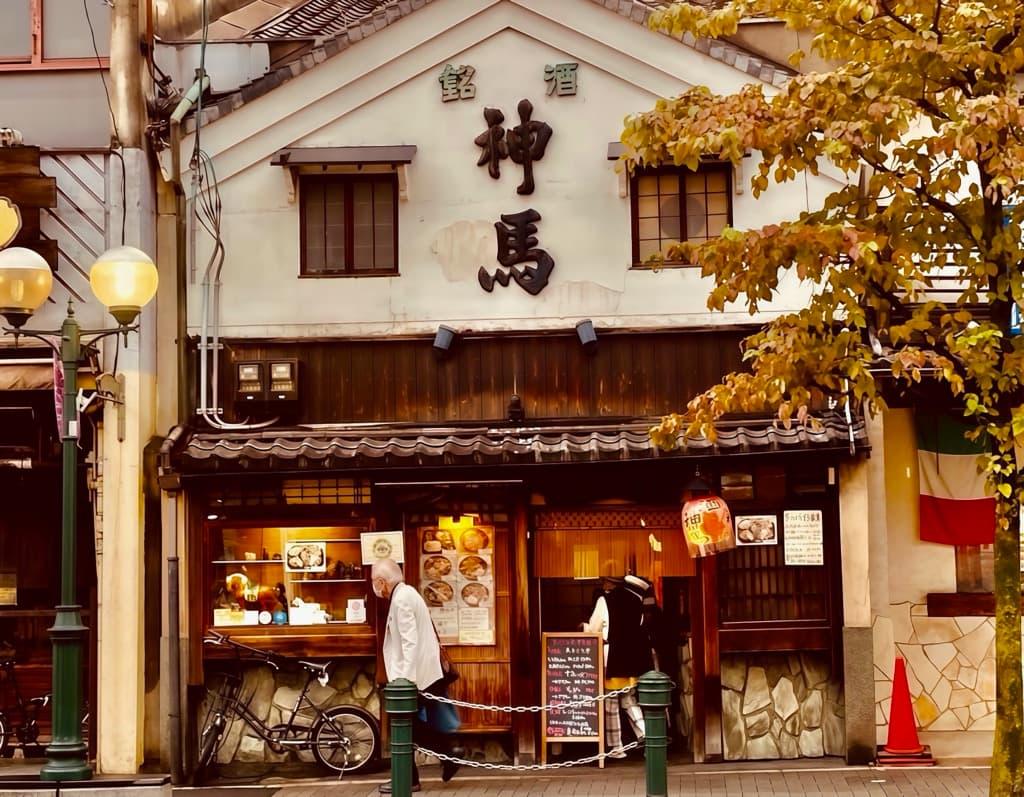
Renkonya is the kind of place you could walk past without noticing, then remember long after the trip is over. Along West Kiyamachi beside the sound of the Takase River, it stands among newer beer pubs and cafes with a completely different presence. The tavern opened in 1950, and according to third generation proprietress Miki Ito, she was told that when the first owner started, there were only a handful of places like it in the area.
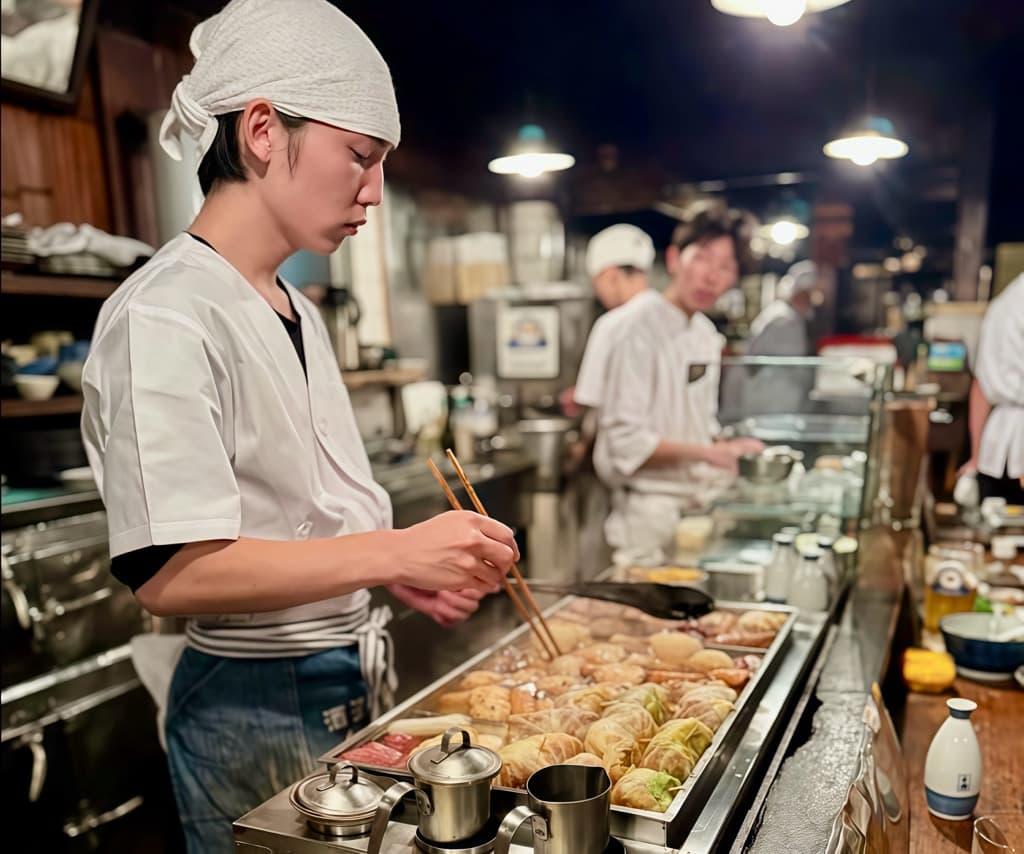
The building still carries the character of an older Kyoto row house once associated with lower ranking samurai residences. Inside, the mood changes immediately. A black rotary phone hangs on the wall. Chairs woven with thick rope, small chabudai tables, and old wooden surfaces make the room feel less like a restaurant than a lived in part of the city. It has even been used at times as a filming location, which makes sense the moment you step in.
Ito has been running the shop for more than twenty five years. She speaks less about changing with the times and more about protecting what was handed down from her mother, the second generation owner. That idea shapes the entire meal. Much of the food remains as it was, and the point is not reinvention.
What makes the room memorable often starts with smell. Bonito flakes are shaved only after an order is placed, so the aroma reaches the table at its freshest. Seaweed for the rice balls is toasted just before serving. In a small room, those details matter. You notice them immediately.
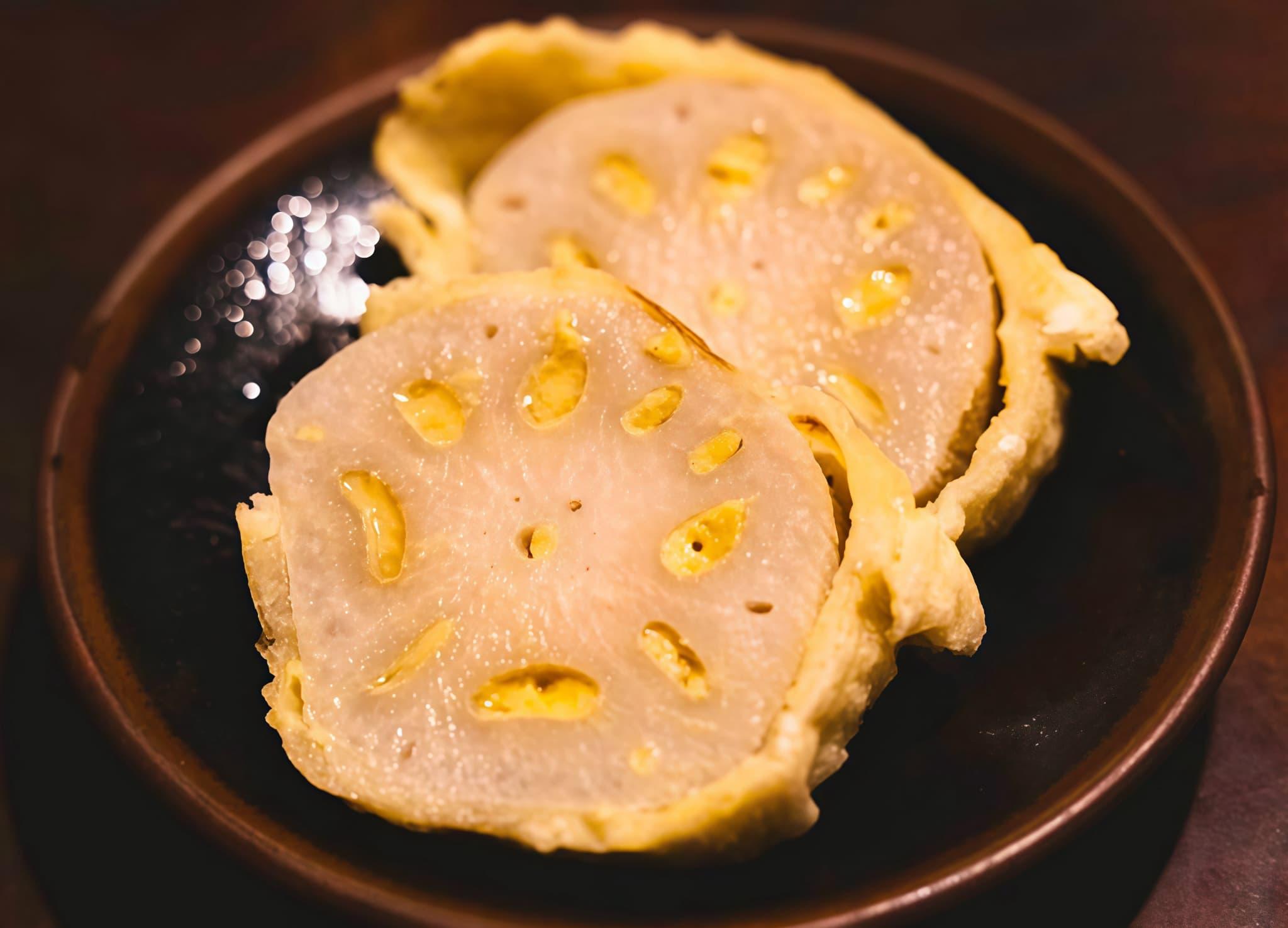
The menu changes daily but usually includes around twenty dishes, most of them modestly priced. Karashi renkon, lotus root filled with mustard and white miso, remains the signature order. Homemade pickles are another easy recommendation, often including cucumber, eggplant, and a few seasonal vegetables. They are direct, sharp, and exactly what you want with beer or sake.
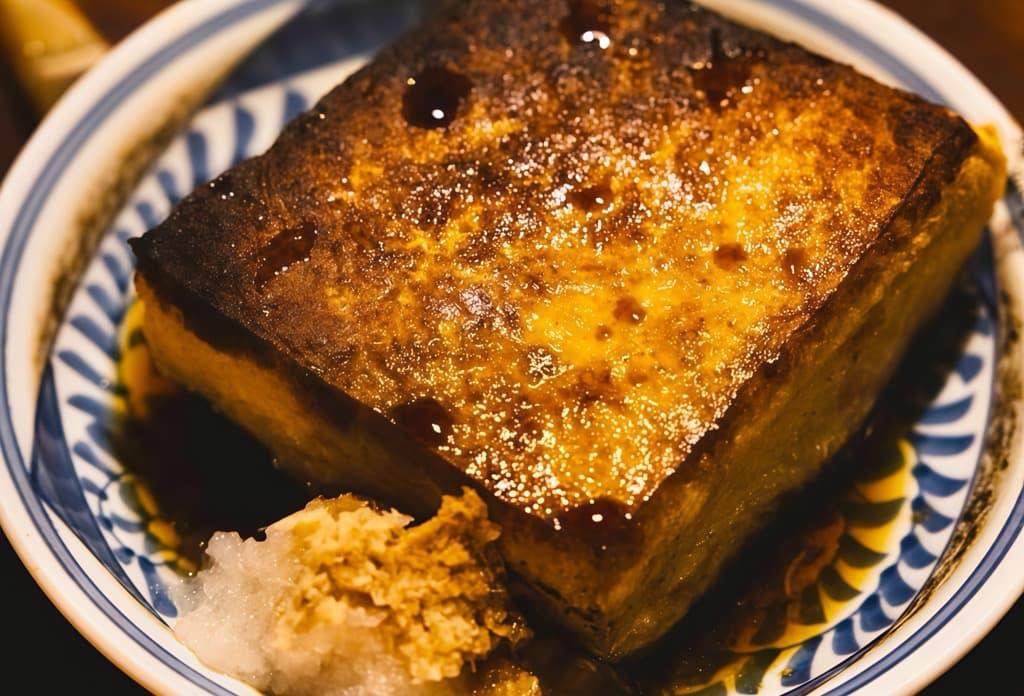
There are also dishes that speak to an older Kyoto style of drinking food. Greens simmered with whale fat bring depth without excess heaviness. Thick fried tofu topped with grated daikon and ginger is simple, warm, and more satisfying than it sounds. Nothing is trying to impress you. That is part of the appeal.
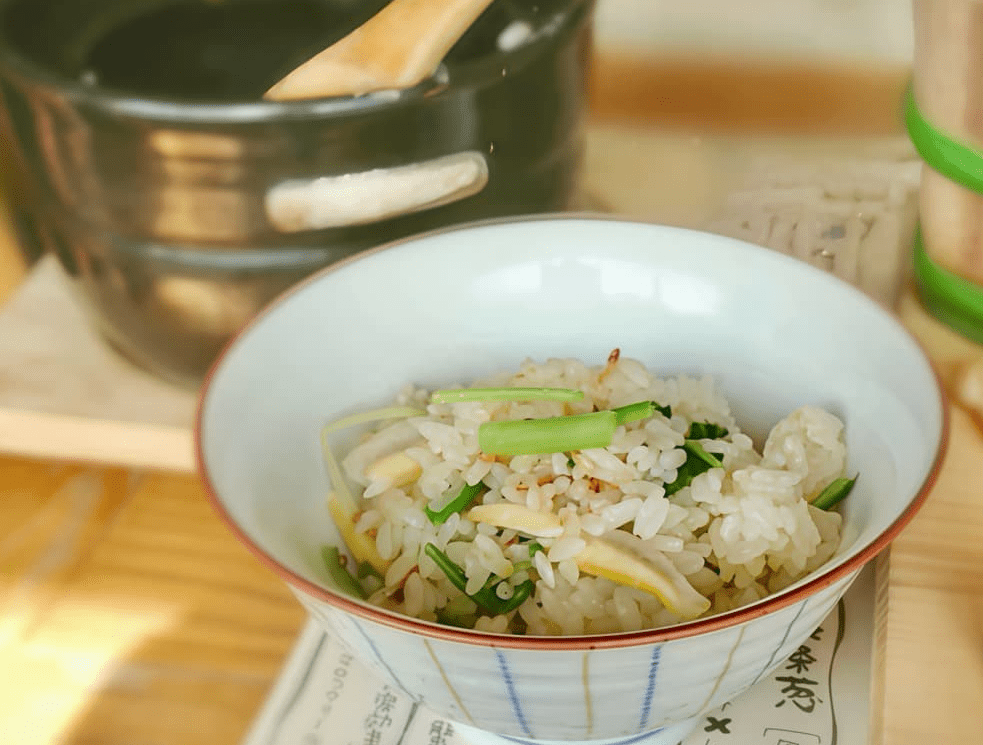
Many guests finish with onigiri and miso soup. The rice balls are known for their balanced seasoning and quiet comfort. Because the kitchen works with a single rice cooker, timing can matter more than demand.
A couple of beers or some hot sake with several small plates often stays around the kind of total that feels increasingly rare in central Kyoto. That affordability, without cutting corners, helps explain why regulars keep returning.
Renkonya is especially well suited to solo diners, couples, and travelers looking for substance over trend. This is not a restaurant built on luxury ingredients or polished performance. Its appeal comes from steady cooking, inherited flavors, and the rare feeling of a place that still belongs to the neighborhood around it. Seating is limited, so advance reservations are strongly recommended. TableEX can assist with securing your booking.
Reservation & Essential FAQ
Q: Is a reservation required? Can I just walk in?
With only about ten seats and a prestigious Bib Gourmand rating, walk-ins are rarely successful. While a seat may occasionally open by chance, we strongly recommend booking several weeks in advance via TableEX to guarantee your entry into this historic space.
Q: Are there any specific rules or etiquette I should know when ordering?
As the Okami handles the cooking alone, service may take time during busy periods. The local custom is to order a few quick appetizers like "Karashi Renkon" first while enjoying your sake. Also, since the famous rice balls (onigiri) require freshly cooked rice, it is wise to express your interest in them at the start of your meal.
Q: Can I visit just for dinner without drinking alcohol?
Renkonya is fundamentally a Sakaba (tavern). We ask that guests enjoy the Obanzai alongside a selection of sake or other beverages. While the food is exceptional, visiting solely for a quick meal (like a rice ball and soup) is contrary to the spirit of the establishment. We invite you to embrace the full "Kyoto tavern experience."
Q: Is the atmosphere welcoming for international travelers?
Absolutely. The Edo-period interior is often described by global guests as "Authentic Kyoto" at its finest. The cultural weight of the space transcends language barriers. However, because the space is very compact, we kindly ask that you avoid bringing large luggage and visit in a small group (1-2 people).
Courses

Dinner
à la carte
Booking fee ¥1,000
Restaurant information
| Working Hours | 17:00 - 22:30 |
|---|---|
| Seats | 20 |
| Payment | Visa, MasterCard, Diners, American Express, Cash |
| Smoking | Not Allowed |
| Alcohol take-in | Not Allowed |
| Phone number | 075-221-1061 |
| Address | 566 Komatsucho, Higashiyama-ku, Kyoto, Japan |
Location map

2026
September
More counters we can secure for you
Picked by the same team — similar style or nearby.