

Kyogoku Kaneyo
Kyoto
Unagi
A 100-Year Journey into Kyoto’s Golden Era of Eel & Entertainment
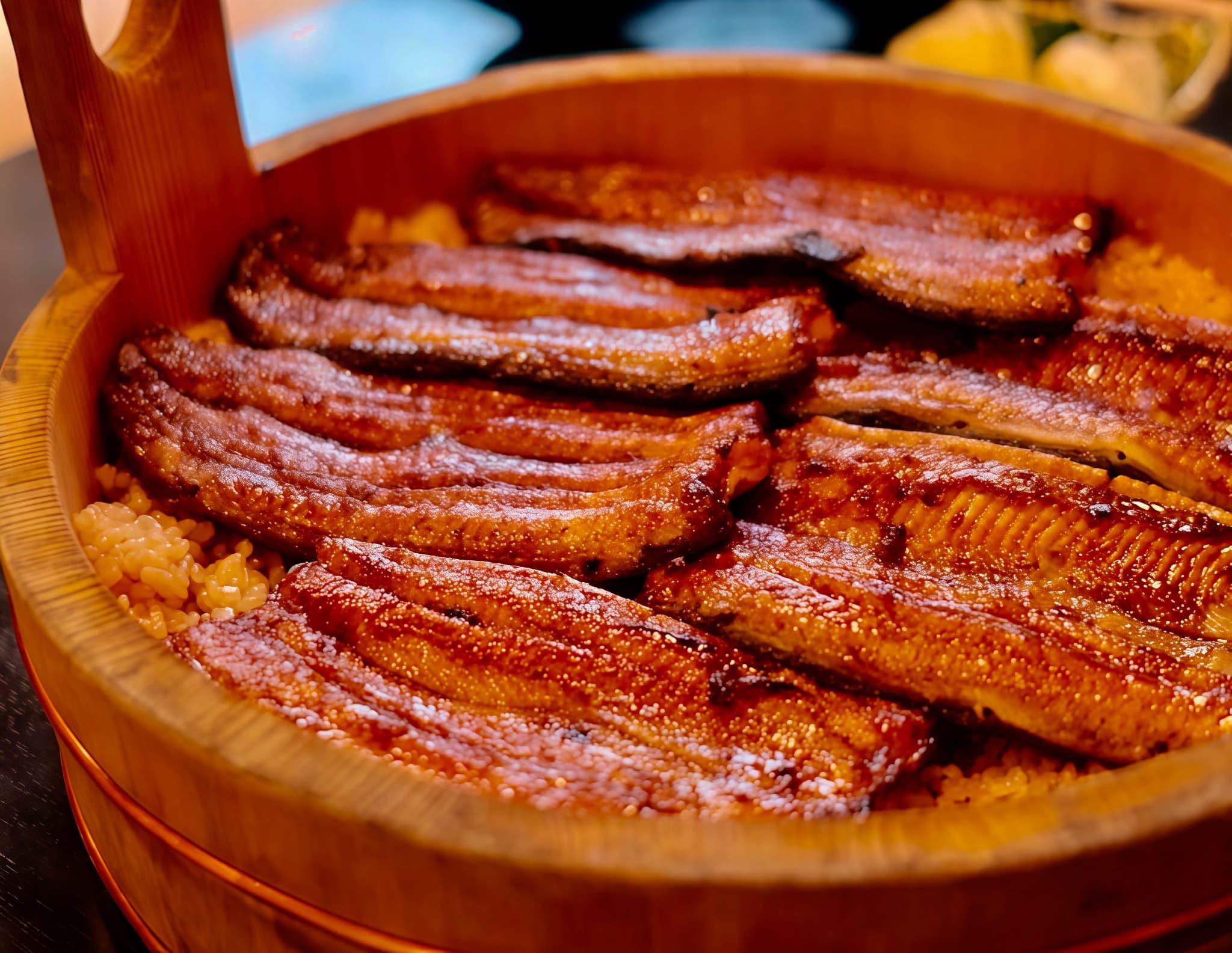
The first thing most people remember about Kyogoku Kaneyo is not the building, but the bowl.
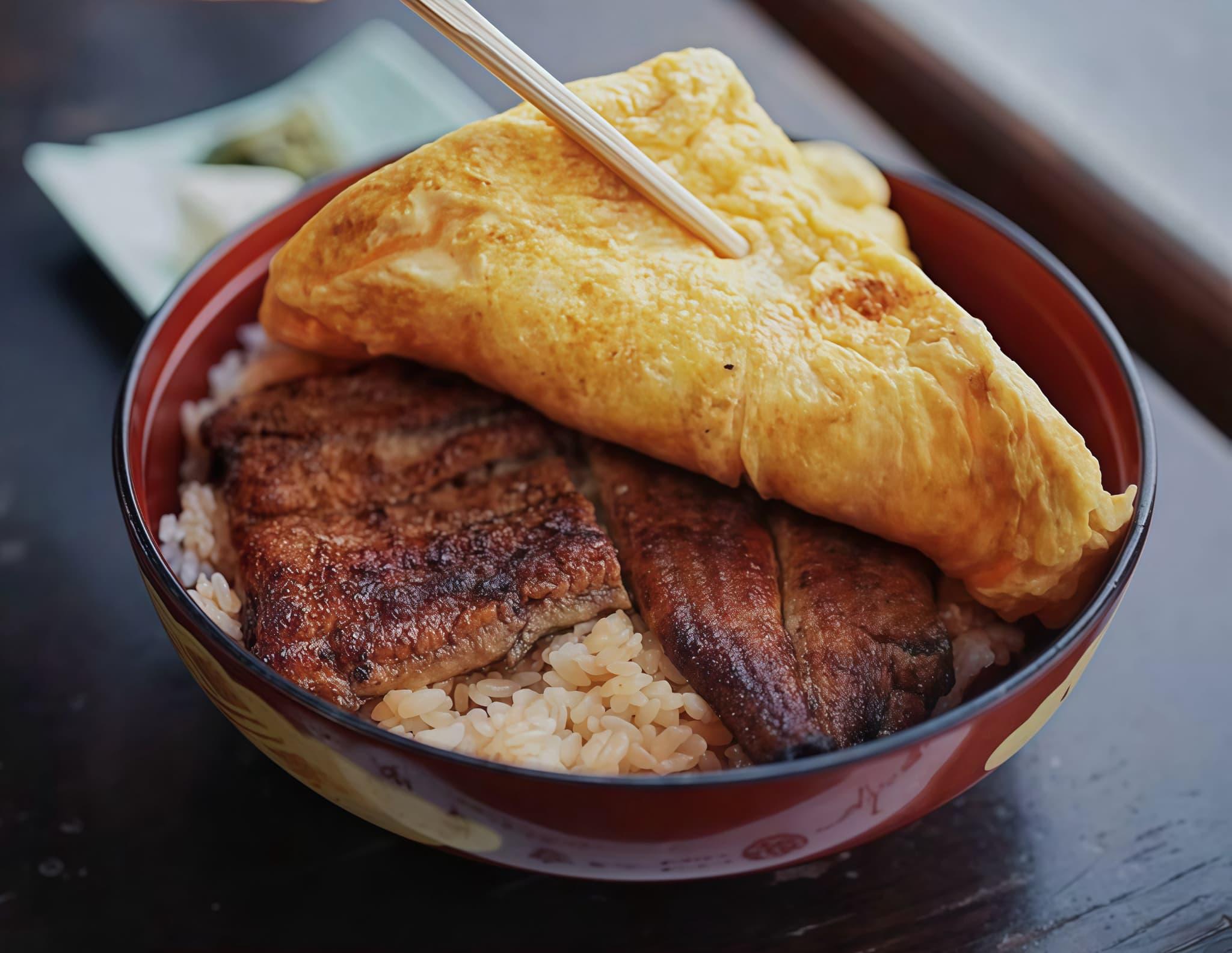
Kinshi don arrives covered by a Kyoto style omelet so large it extends past the rim like a folded blanket of egg. It looks heavy, almost excessive, and that is part of why so many first time visitors order it. Then you start eating and realize the surprise is not the size, but the balance. The egg is soft and lightly seasoned with dashi, while the eel underneath brings smoke, sweetness, and depth from the house sauce. It is richer than a simple rice bowl, but lighter than the appearance suggests.
That contrast helps explain why the dish has lasted. It is visually memorable, but not a gimmick. There is real technique in getting the egg delicate enough to sit over grilled eel without overwhelming it.
Only after the food arrives do many guests fully notice where they are eating. Kyogoku Kaneyo stands in the middle of the busy Shinkyogoku arcade, yet inside it feels separated from the shopping street outside. The restaurant has operated for more than a century, and the wooden rooms, lantern light, tatami seating, and old floorboards still carry that age naturally. It does not feel preserved as a theme. It feels continuous.
The building has long been tied to Kyoto entertainment culture. In earlier decades, theater audiences came here before performances, and boxed meals were delivered to performers backstage. The connection remains visible today, with rakugo events still held upstairs from time to time.
Guests who prefer the eel to take center stage should order the unagi don instead. Side dishes are also worth attention. Umaki gives you eel wrapped inside rolled egg, while Yahata maki offers the older Kyoto combination of burdock wrapped in eel. Grilled liver is especially good with beer.
Part of the pleasure here is that the meal works on two levels. You can come simply for a famous bowl of eel and egg, or you can notice that few places in central Kyoto still offer this kind of setting, history, and continuity at the table.
Kyogoku Kaneyo suits solo lunches, casual dinners, and travelers who want something more distinctive than another checklist stop. Kinshi don is still the natural first order, but it is not the only reason to come back. Busy hours can draw lines, so reservations are helpful when possible. We are happy to assist if needed.
The Signature Menu
Prices include tax. Experience the perfect harmony of egg, eel, and history.
The Legend: Kinshi-don | きんし丼
The viral combination of a giant fluffy omelet and charcoal-grilled eel.
Standard: 3,000 JPY
Upper: 4,000 JPY
Special: 6,100 JPY
Traditional Unagi-don | うなぎ丼
Pure grilled eel served with the 100-year-old secret family sauce.
Standard: 3,200 JPY
Upper: 4,500 JPY
Special: 6,600 JPY
Authentic Sides & Delicacies
Umaki (1,500 JPY): Eel wrapped inside a velvety rolled omelet.
Yahata-maki (2,500 JPY): A rare Kyoto specialty; burdock root wrapped in eel.
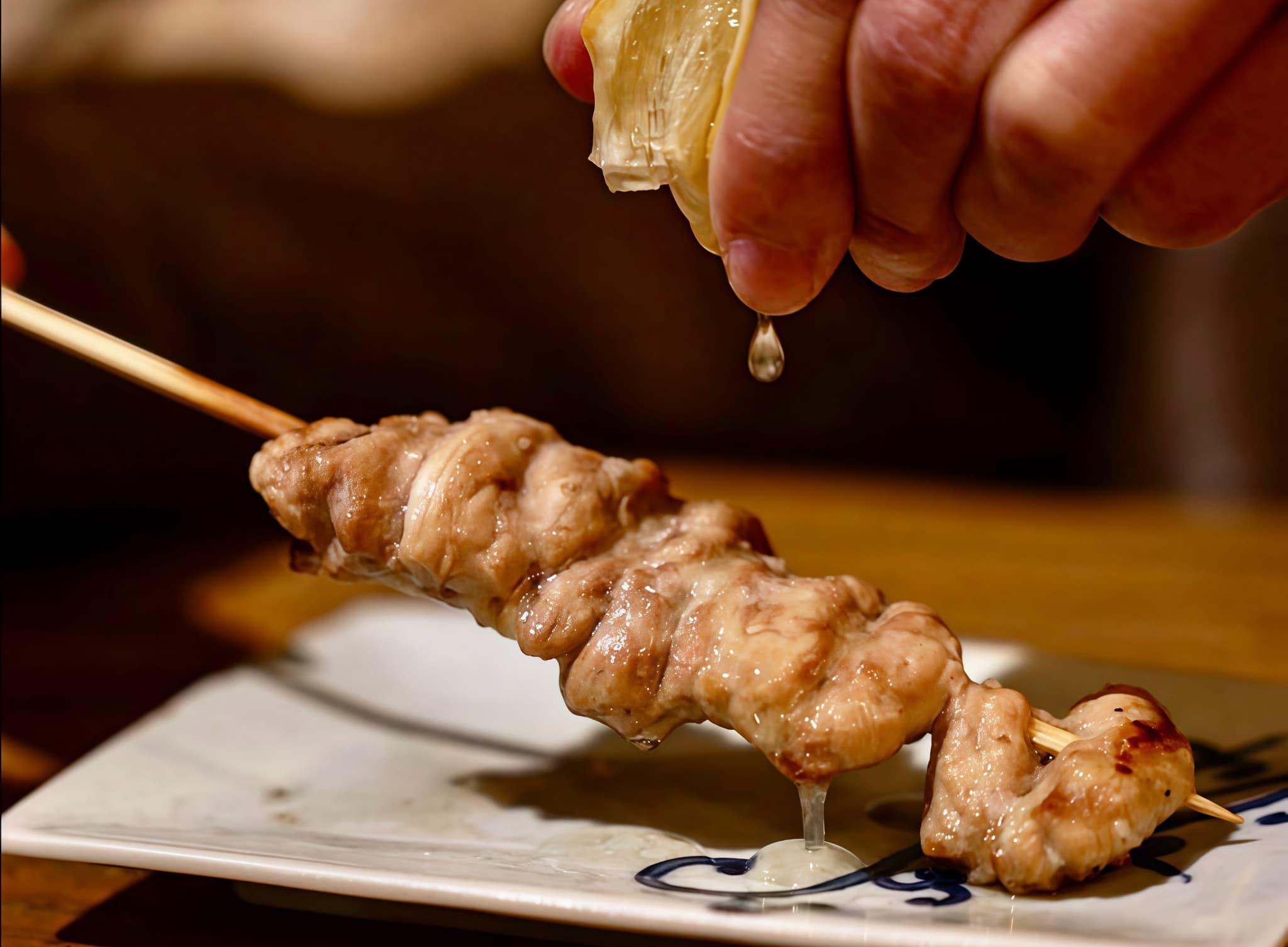
Kimoyaki (1,500 JPY): Skewered grilled eel liver—excellent with Japanese draft beer.
Chawanmushi (900 JPY): Savory steamed custard with eel and chicken.
Traveler’s FAQ: Expert Guidance
Q: Are there any specific closing times I should be aware of?
Yes. Please note that every Tuesday, the restaurant is only open for lunch. There is no dinner service on Tuesdays. To avoid disappointment, ensure your Tuesday booking or visit is during the midday session.
Q: What is the "Theater Culture" mentioned in the history?
A century ago, this area was the cultural heart of Kyoto. Kyogoku Kaneyo was the go-to spot for actors and audiences. Even today, the second floor hosts Rakugo (comic storytelling). Imagine dining in a space where samurai-era comedy is still performed—it is like eating inside a historical movie set.
Q: Is the "Kinshi-don" better than a regular eel bowl?
The Kinshi-don is the hallmark of Kaneyo. The giant egg is seasoned with savory dashi (not sugar), which cuts through the richness of the eel perfectly. For international guests, the visual "wow" factor of the overflowing egg makes it a must-photograph and must-eat dish.
Q: What is the best seating for international guests?
If you want the full "Old Kyoto" experience, request the second-floor tatami room in your TableEX reservation. You will sit on floor cushions at low "Chabudai" tables, just as locals did 100 years ago. For those who prefer chairs, the ground floor offers standard table seating.
Q: Is the building safe? I heard the floors are slanted.
The building is a designated historical structure. The slight lean in the stairs and floors is a testament to its 100-year survival through earthquakes and time. It is perfectly safe, but we recommend taking your time on the stairs to soak in the antique atmosphere.
Q: Do I need to book in advance?
Yes. As a Michelin-listed landmark, it is a top destination for both domestic and global travelers. To ensure you secure a seat in this historic venue and don't miss the daily eel supply, booking via TableEX is essential.
Courses

Lunch
à la carte
Booking fee ¥1,000

Dinner
à la carte
Booking fee ¥1,000
Restaurant information
| Working Hours | 11:30 - 15:30 17:00 - 20:30 |
|---|---|
| Seats | 40 |
| Payment | Visa, MasterCard, Diners, American Express, Cash |
| Smoking | Not Allowed |
| Alcohol take-in | Not Allowed |
| Phone number | 075-221-0669 |
| Address | 456 Matsugaecho, Nakagyo-ku, Kyoto, Japan |
Location map

2026
September
More counters we can secure for you
Picked by the same team — similar style or nearby.