

Kyubey Ginza Honten
Tokyo
Sushi
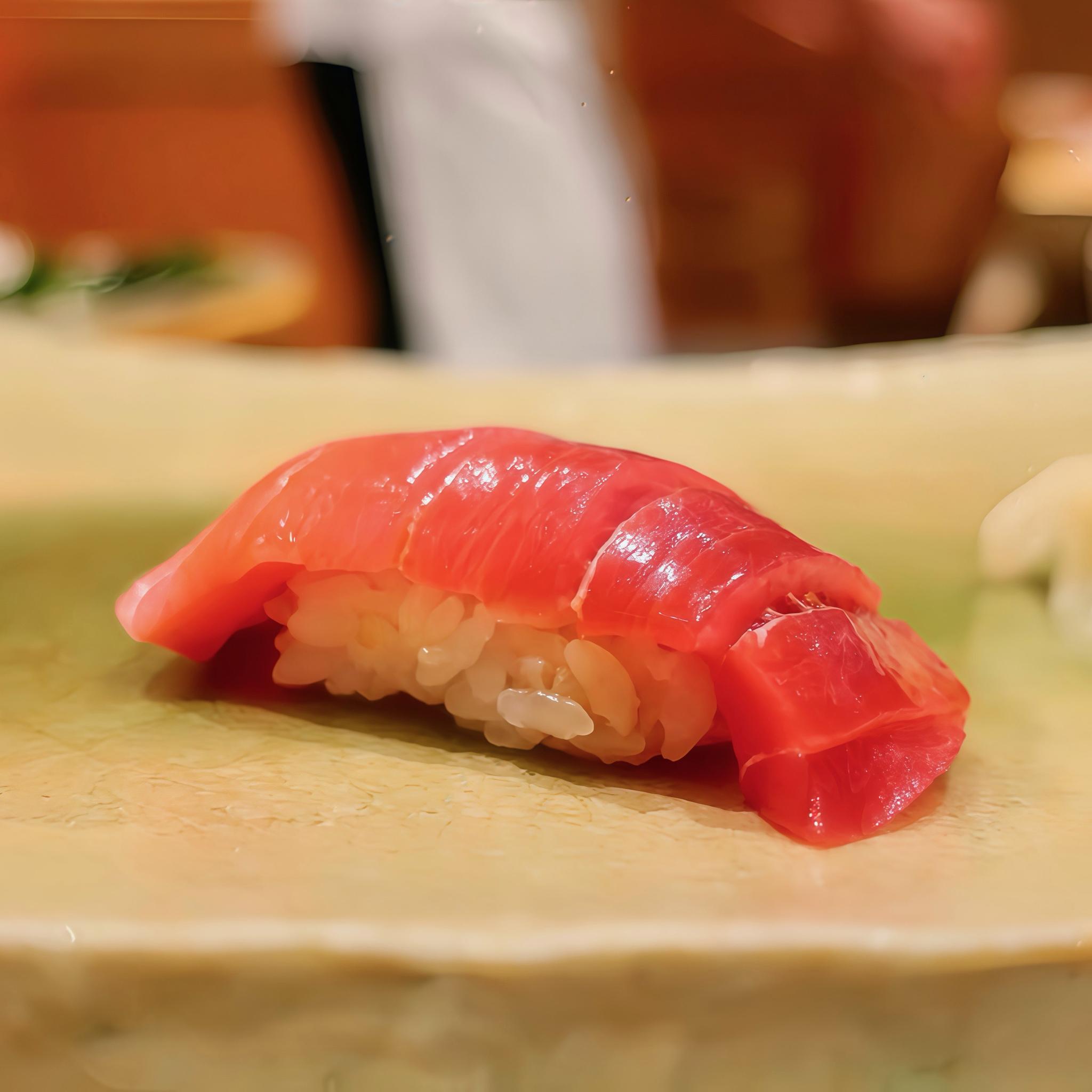
The Definitive Standard of Edo-mae Sushi
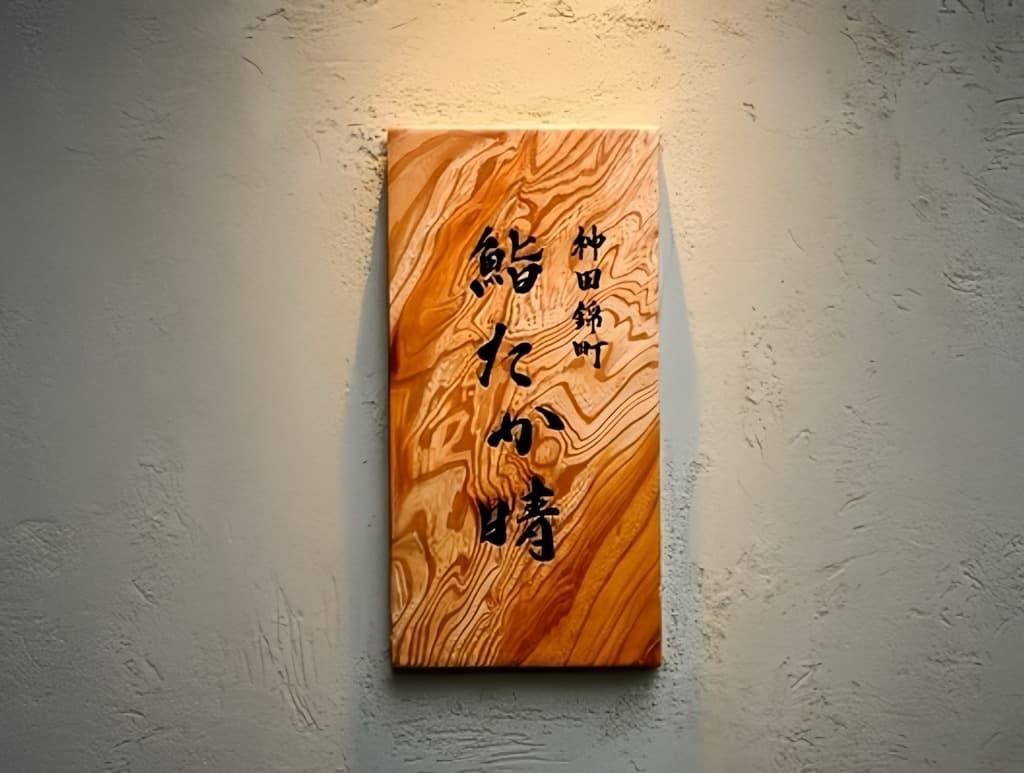
Kyubey opened in 1935 and still operates from its own building in Ginza 8 chome. Few sushi restaurants in Tokyo have had that kind of continuity, and fewer still have influenced the craft as directly.
The gunkan maki was created here. Today it feels like a standard part of sushi culture, which is exactly the point. Kyubey has been around long enough that some of what it introduced now looks universal.
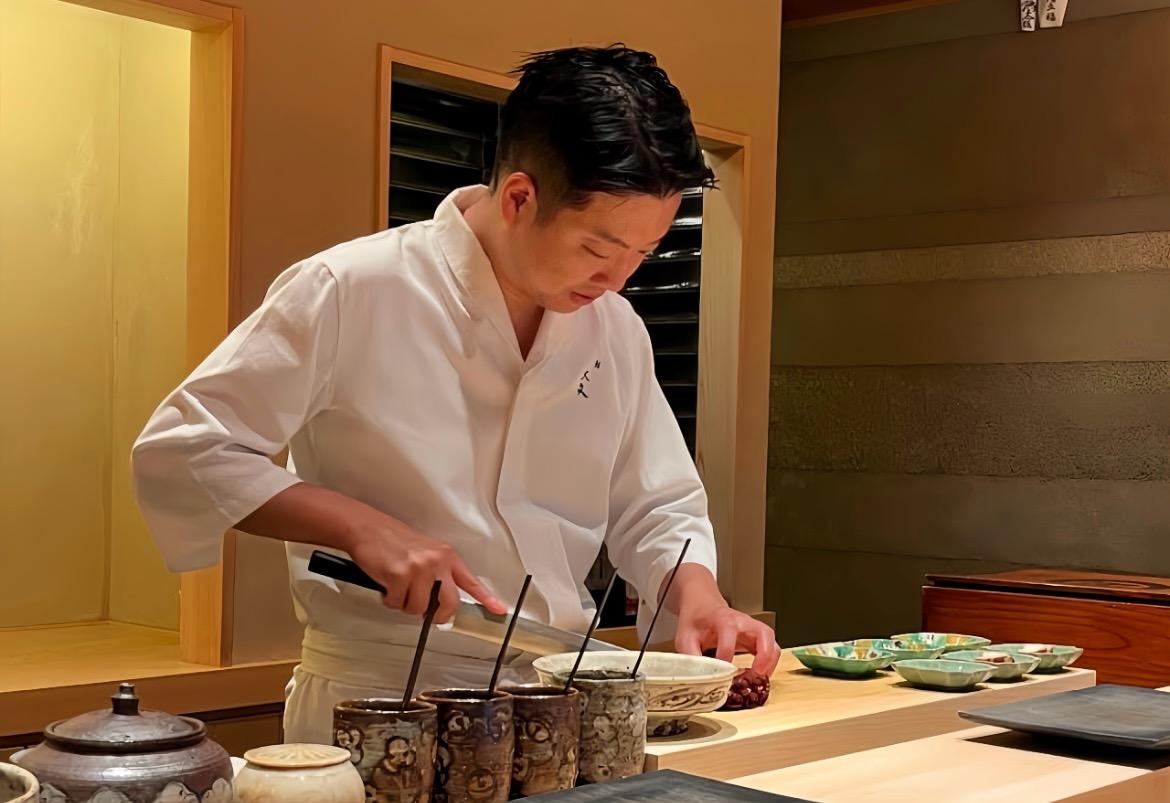
The restaurant is led by second generation owner Yosuke Imada. Over the years, many chefs trained here went on to open respected counters of their own, including names such as Kanesaka and Yohei. In Tokyo sushi, the Kyubey connection carries real meaning.
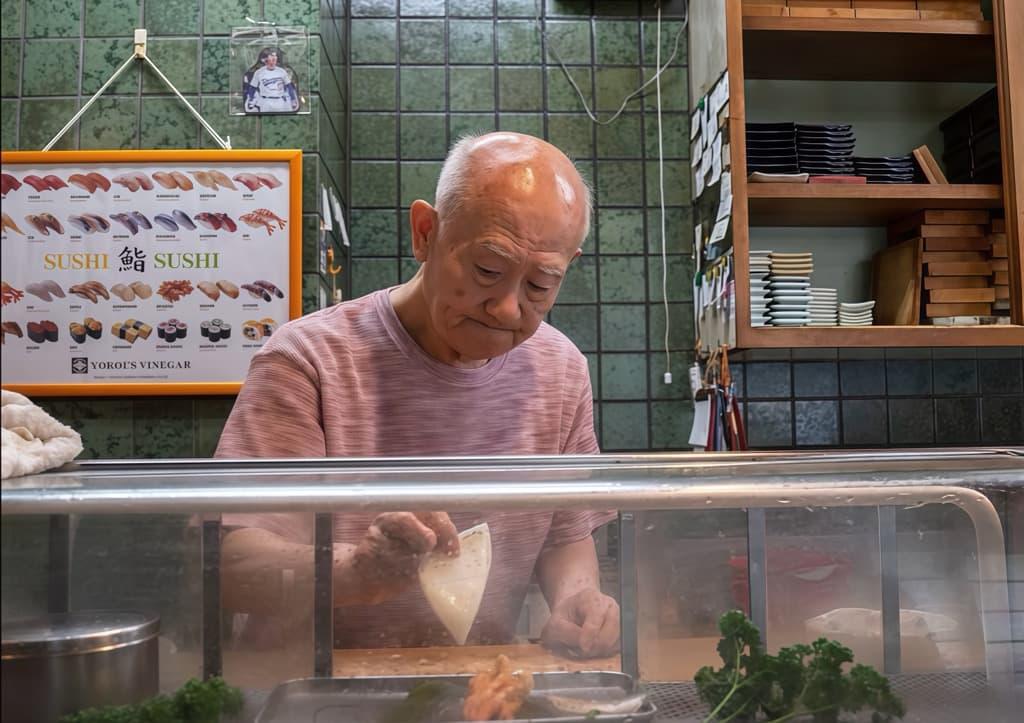
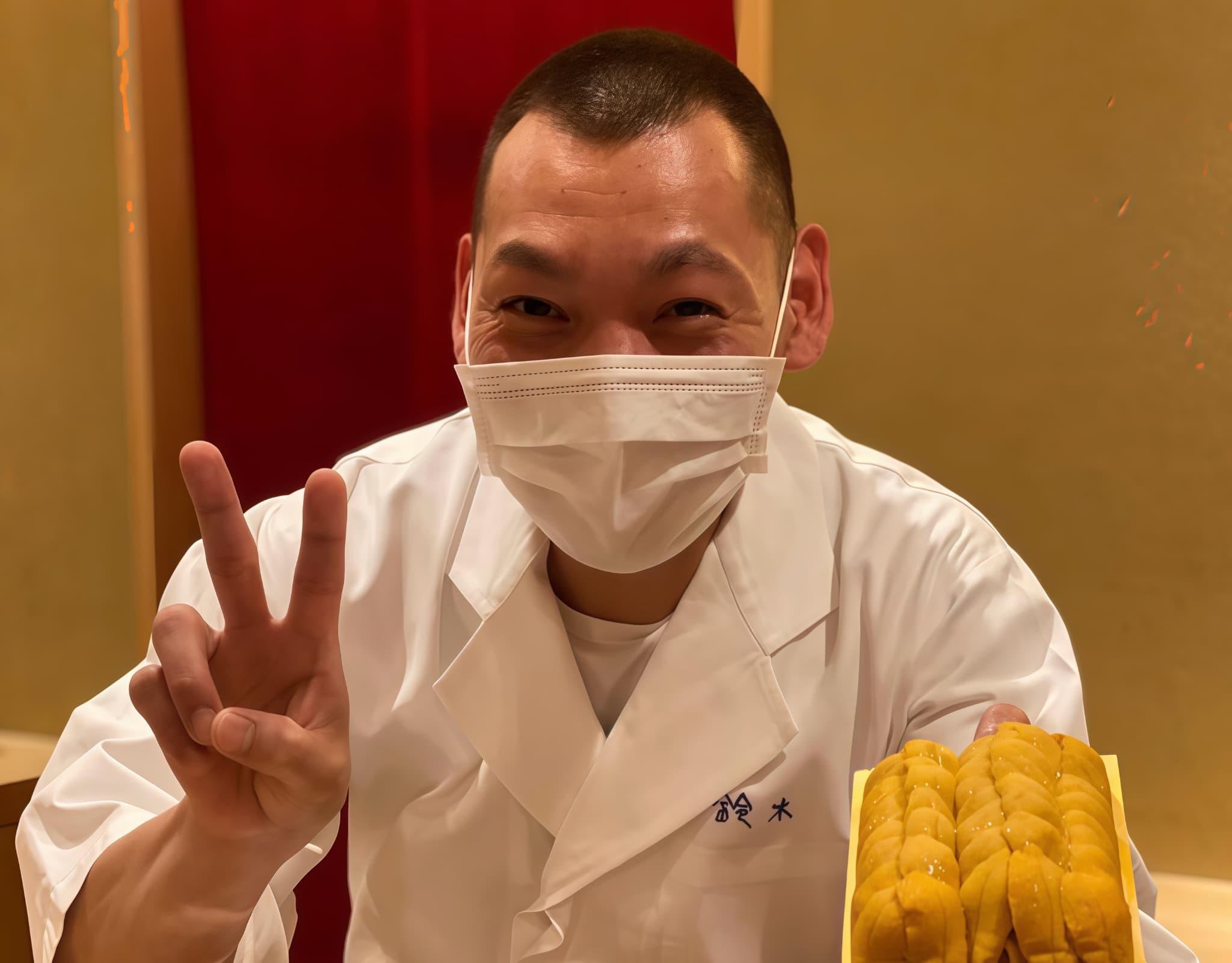
Inside, the operation is larger than many Ginza sushi shops, spread across several floors with separate counters. Yet it rarely feels anonymous. A chef is assigned to each group of guests, which gives the meal a more personal rhythm than the scale might suggest.
The room balances polish with ease. Formal enough for an important dinner, comfortable enough for first time visitors. During the meal, some of the appeal comes from small moments of service and preparation. Kuruma prawn may be handled in front of you. Roasted anago bone crackers often appear between courses and are remembered long after the meal ends.
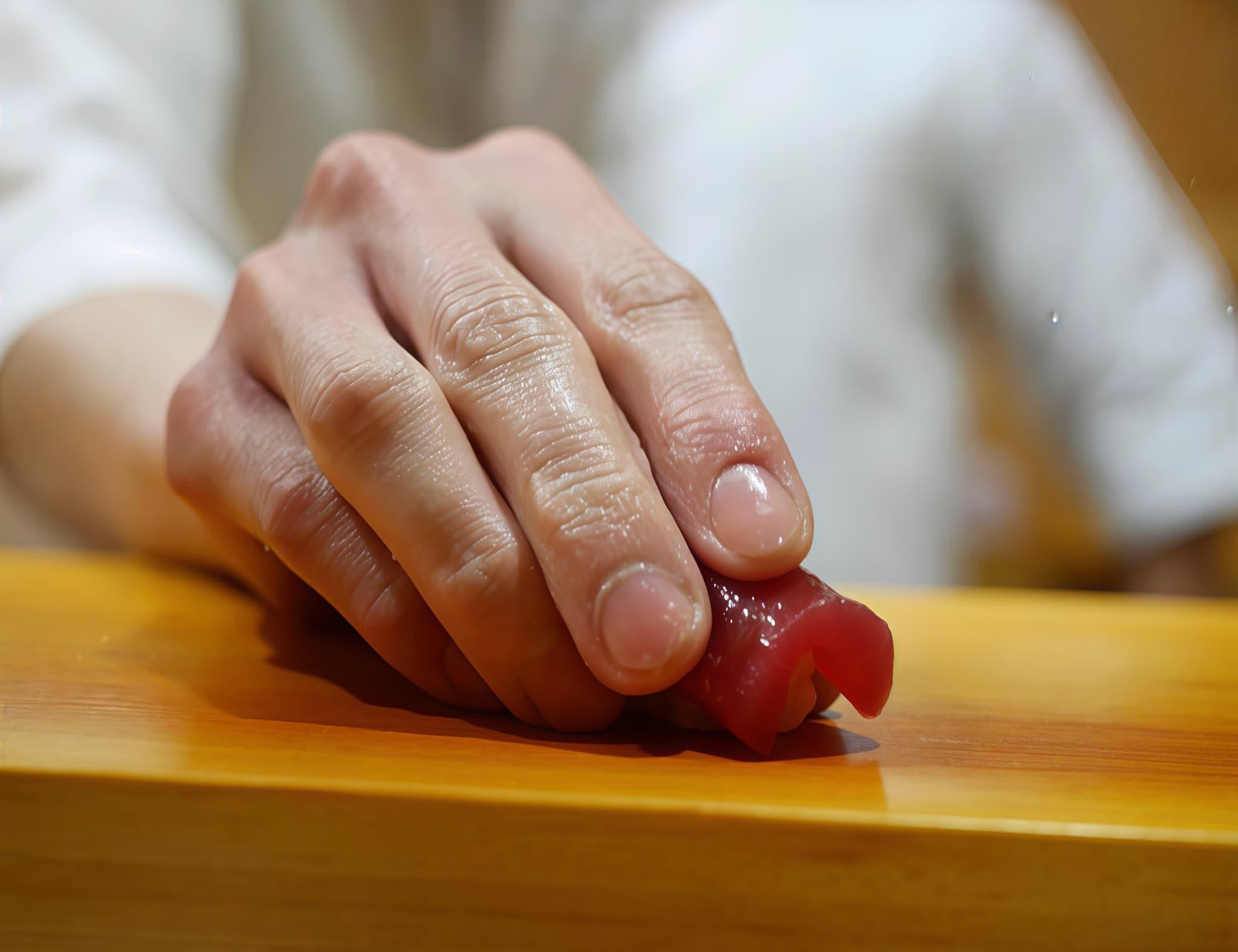
The omakase usually begins with tsumami before moving into nigiri. Pace is adjusted to the guests rather than forced into a script. The shari uses rice vinegar, not the sharper red vinegar style common at many newer counters. It is balanced, clear, and designed to support many kinds of fish without dominating them.
Several pieces explain the house style well. Kuruma prawn can be served raw or lightly cooked depending on preference. Anago may be taken with salt or tsume. Kohada is precise and consistent, the kind of work that comes from repetition over many years.
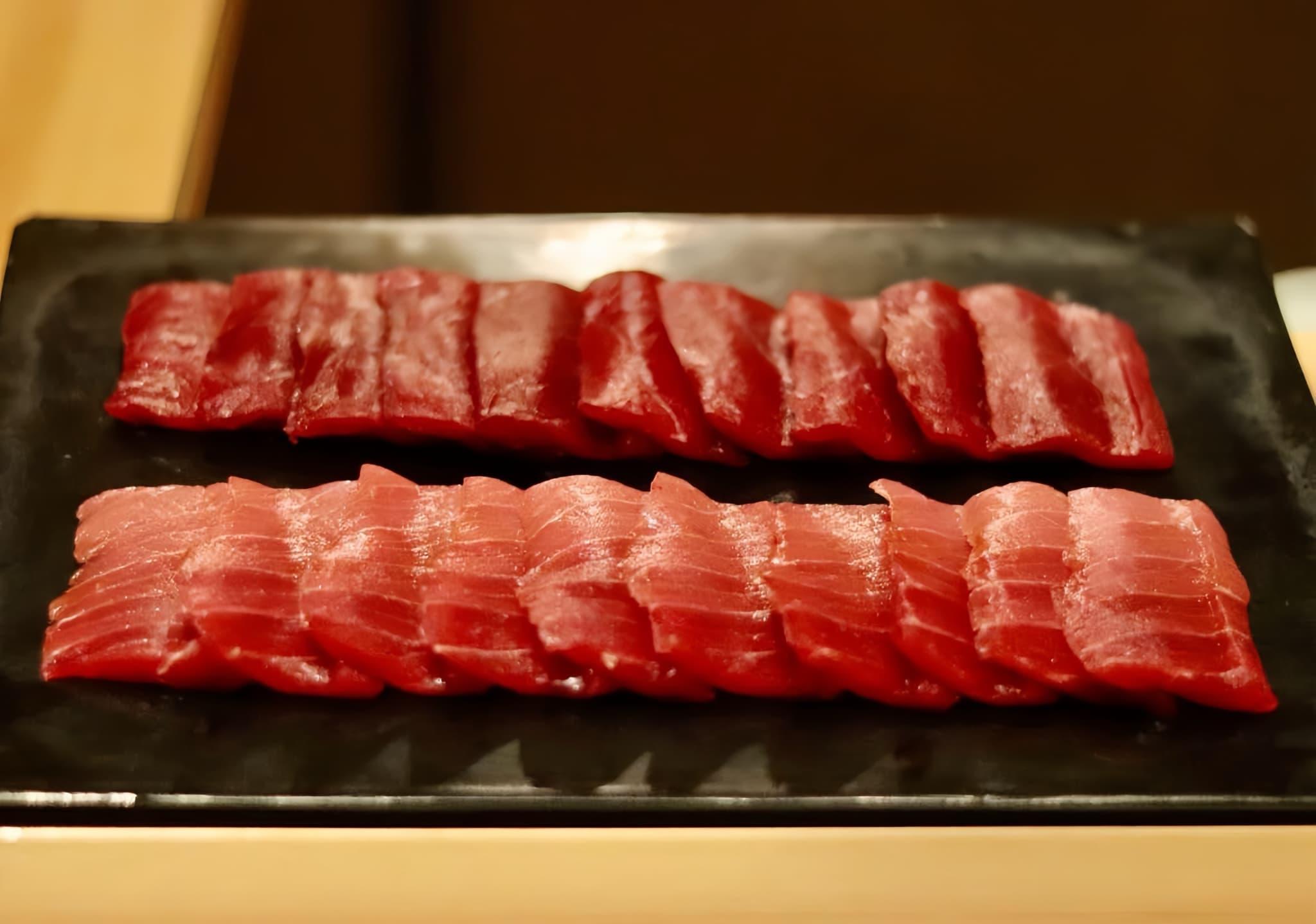
Tuna quality is dependable, pricing is clear, and the atmosphere is less intimidating than smaller high pressure counters can be. For guests entering the world of Ginza sushi, that matters.
Those wanting a quieter experience may prefer the hotel branches at the Okura or Imperial. But for understanding why Kyubey still matters, the main Ginza house remains the place to start.
Overview
| Cuisine | Sushi |
|---|---|
| Area | Ginza, Tokyo |
| Chef | Yosuke Imada |
| Background | Previous generation Kyubey |
| Shari | Mild acidity, Red vinegar |
| English support | Available |
Courses

Lunch
[Oribe] Nigiri Selection
Booking fee ¥1,000
Lunch
[Karatsu] Nigiri Selection
Booking fee ¥1,000
Lunch
[Kyubey] Nigiri Selection
Booking fee ¥1,000
Lunch
[Iga] Sushi Kaiseki Course
Booking fee ¥1,000
Lunch
[Bizen] Sushi Kaiseki Course
Booking fee ¥1,000
Lunch
[Rosanjin] Special Sushi Kaisek
Booking fee ¥1,000

Dinner
[Kyubey] Nigiri Selection
Booking fee ¥1,000
Dinner
[Iga] Sushi Kaiseki Course
Booking fee ¥1,000
Dinner
[Bizen] Sushi Kaiseki Course
Booking fee ¥1,000
Dinner
[Rosanjin] Special Sushi Kaiseki
Booking fee ¥1,000
Restaurant information
| Working Hours | 11:30 - 14:00 17:00 - 22:00 |
|---|---|
| Seats | 123 |
| Payment | Visa, MasterCard, Diners, American Express, Cash |
| Smoking | Not Allowed |
| Alcohol take-in | Not Allowed |
| Phone number | +81 3-3571-6523 |
| Address | 8-7-6 Ginza, Chuo-ku, Tokyo, Japan |
Location map

2026
October
More counters we can secure for you
Picked by the same team — similar style or nearby.