

Mieda
Hokkaido
Kaiseki
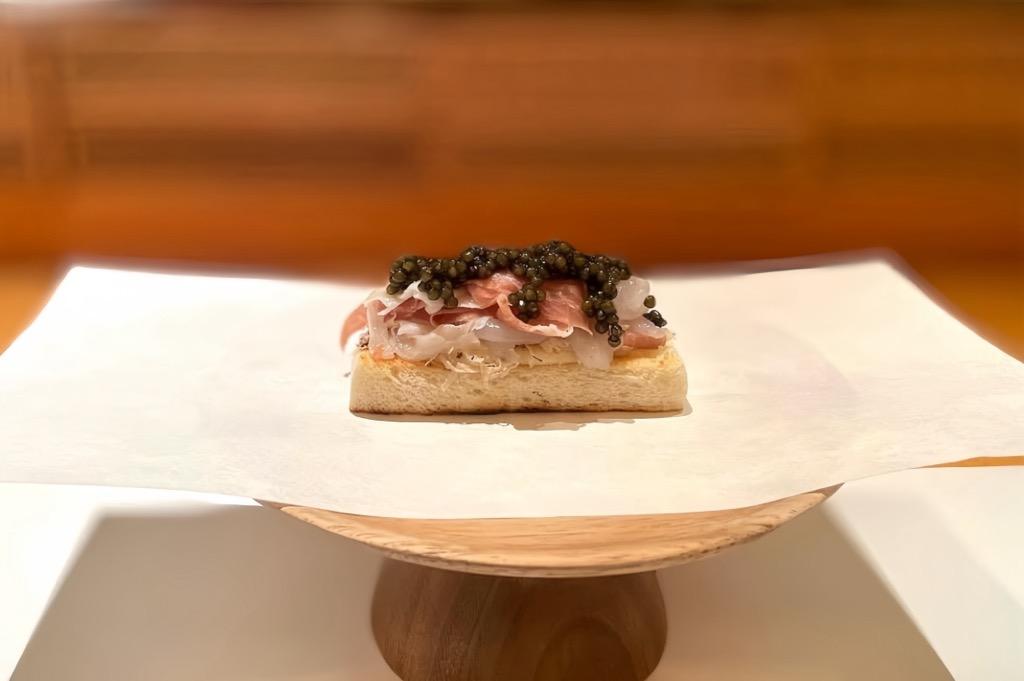
Sapporo’s Most In-Demand Counter
Mieda is widely regarded as the most difficult Japanese restaurant reservation to secure in Sapporo, and its popularity extends well beyond Hokkaido. There are diners in Tokyo who plan regular trips to Sapporo specifically to eat here, which already says a great deal about the restaurant’s position. The appeal does not come from formality or adherence to classical kaiseki structure, but from a clear and consistent approach to flavor that runs through the entire course.
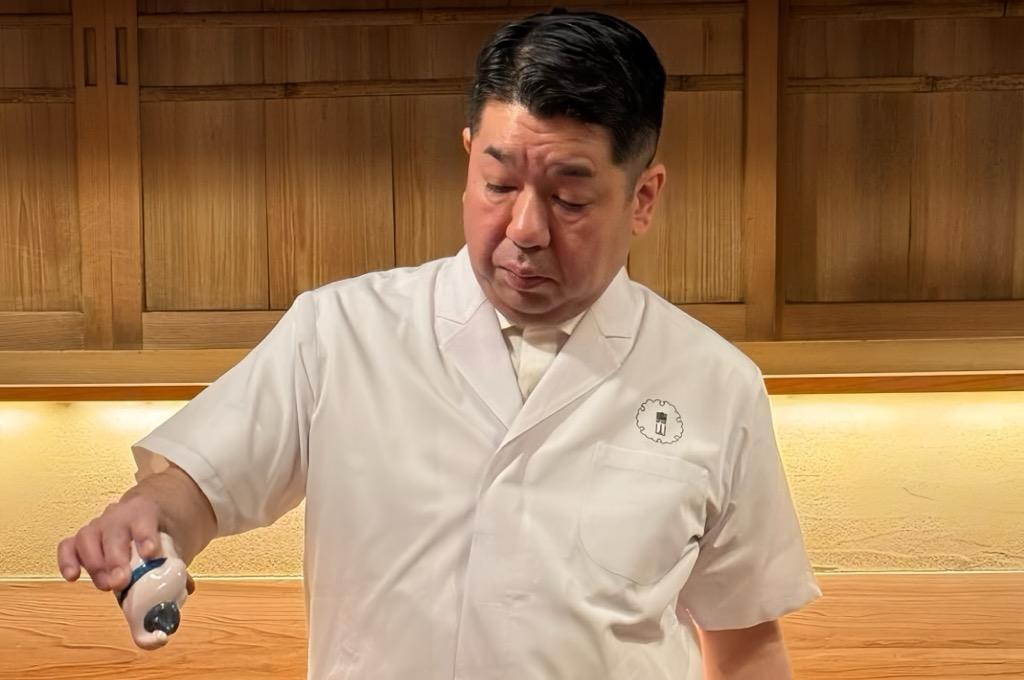
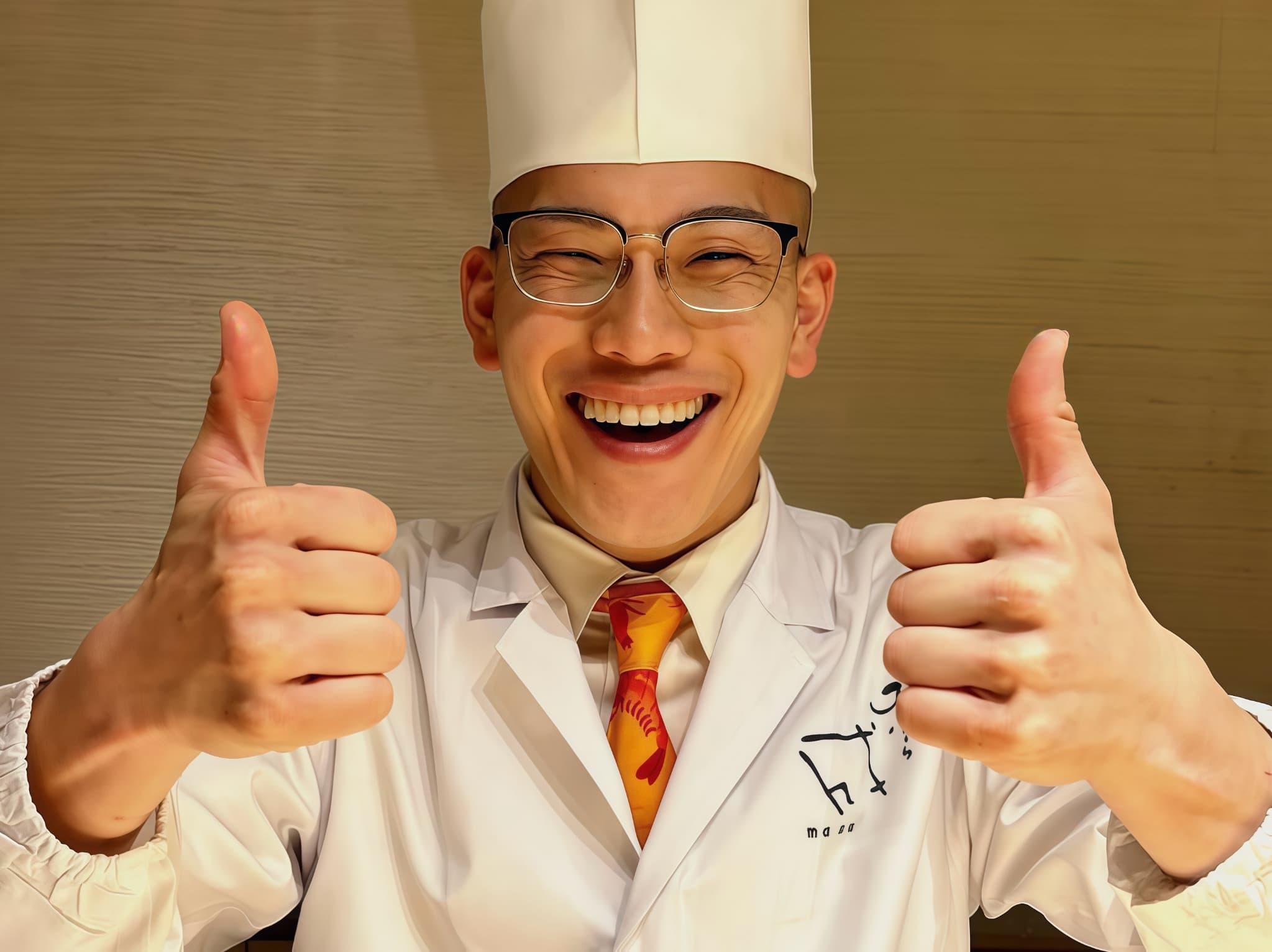
The kitchen is led by chef Norimasa Mieda, who is also known for producing a wide range of successful restaurants across Sapporo, including ramen, tempura, yakiniku, and curry concepts. That background is clearly reflected in the food at Mieda. While the cuisine is grounded in Japanese technique, it is not restricted by category. The cooking draws from multiple disciplines, but everything is filtered through a Japanese sensibility that prioritizes balance, depth, and clarity of taste.
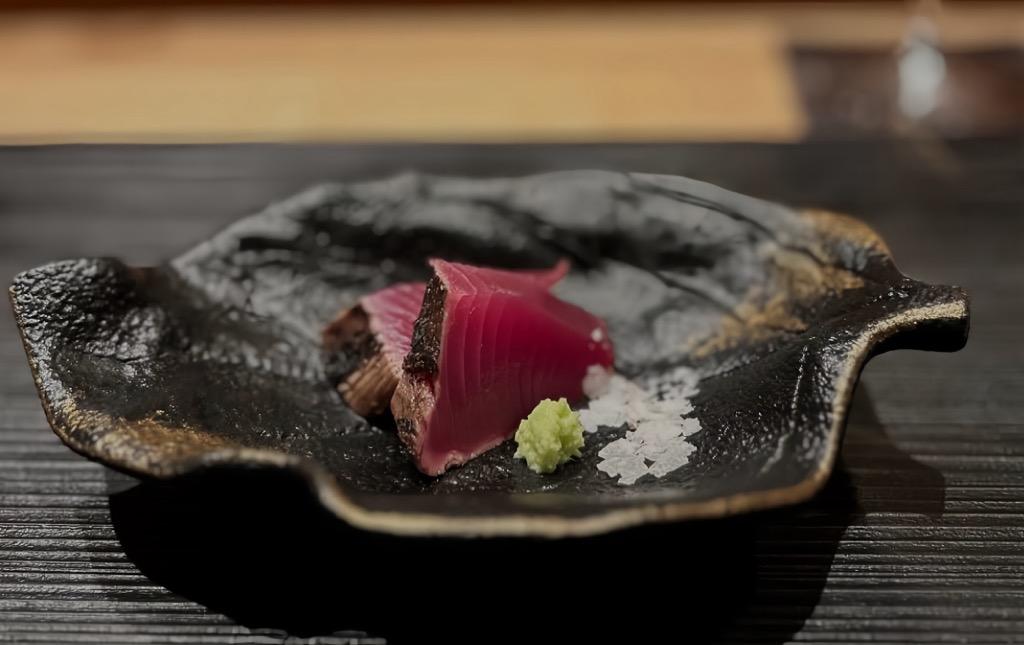
Mieda does not limit itself to local sourcing. Instead, the kitchen selects ingredients from across Japan and overseas based on quality and seasonal suitability. Depending on the time of year, the course may feature kue grouper from the Goto Islands in Nagasaki, kobako crab from Tottori, whale from Yamaguchi, katsuo from Kesennuma, Manyo beef from Tottori, matsutake mushrooms from Iwate and Nagano, or porcini mushrooms from Italy. These ingredients are not treated as luxury showcases. They are used with clear intent, integrated into dishes where their strengths are directly expressed.
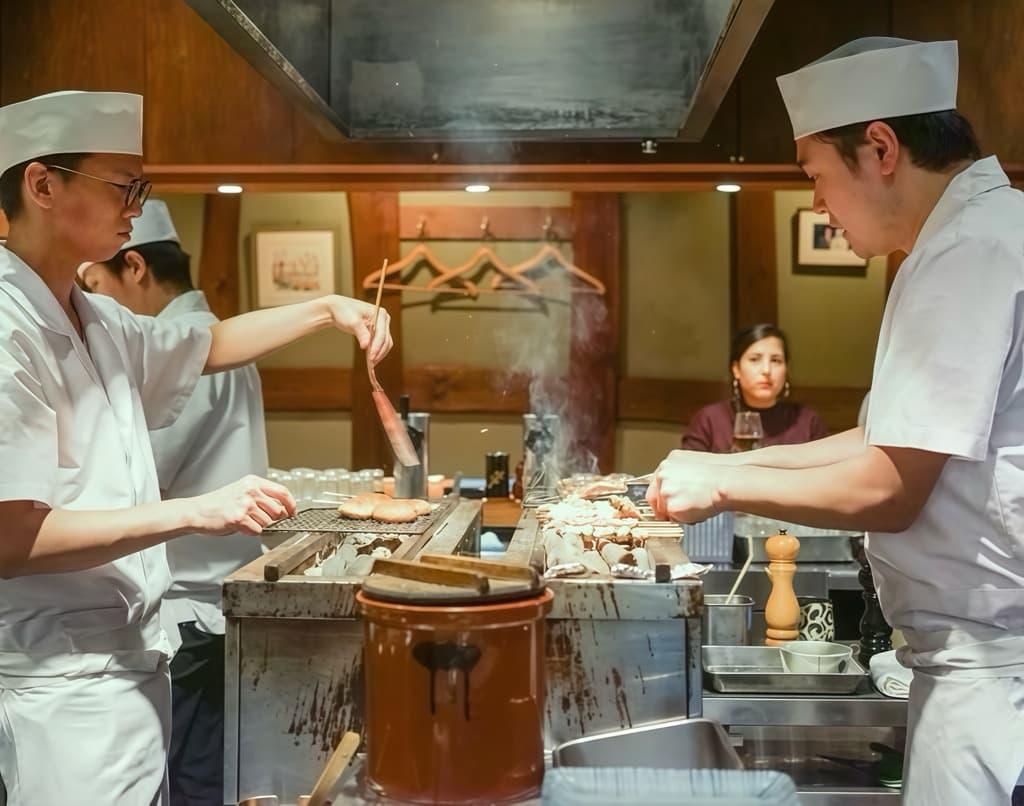
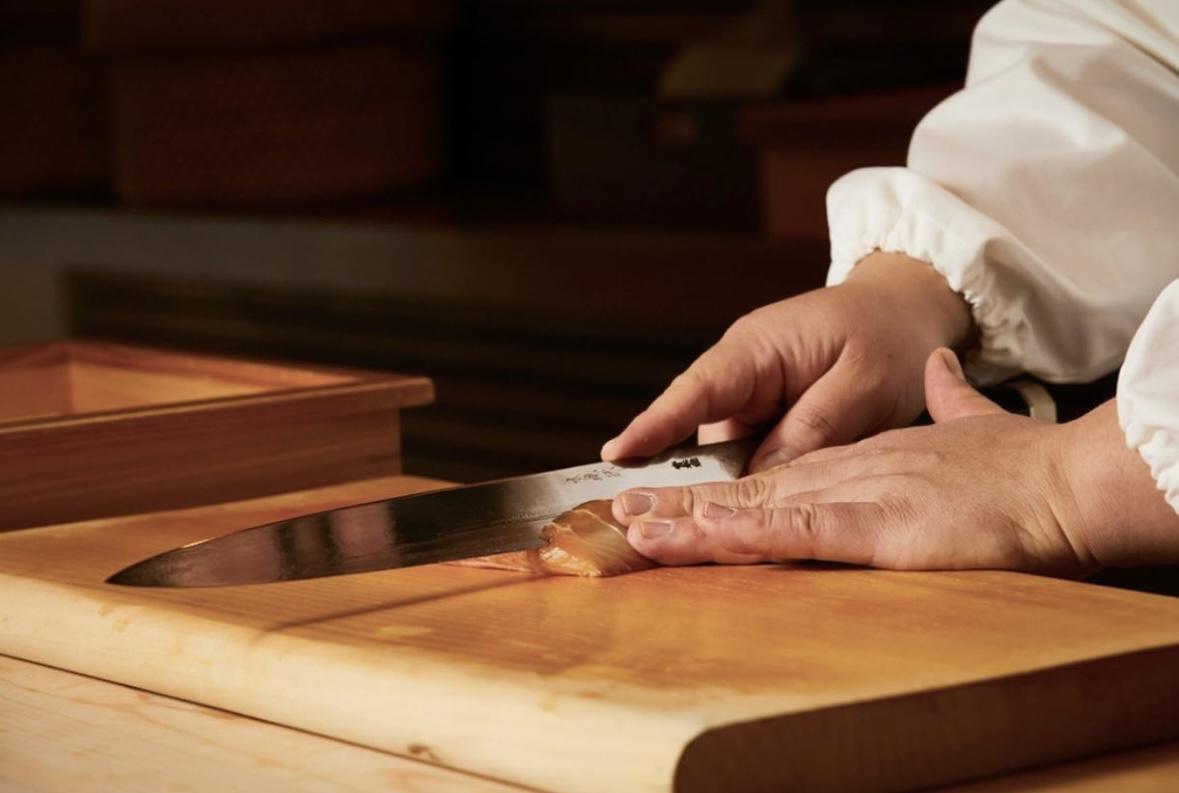
The restaurant is located near Susukino Station, on the fourth floor of a building that is easy to access even in winter. The dining room consists solely of an eight seat counter facing an open kitchen. The space is calm and restrained, with warm wood tones and focused lighting. There is no excess decoration. The environment keeps attention on the food and on the cooking process unfolding directly in front of the guests.
The course progresses without being bound to traditional kaiseki form. Sashimi courses are kept relatively straightforward in structure, but are paired with condiments and seasonings chosen specifically for each fish. Cooked dishes often combine Japanese foundations with elements that come from outside the classical canon, such as Western sauces, spice driven accents, or carefully controlled acidity. Despite this range, the cooking never feels scattered. Each dish is built with the same objective: to be satisfying on the palate.
Highlights frequently include composed opening dishes where richness, aroma, and acidity are layered with precision, followed by hot dishes such as white asparagus paired with lobster and curry accented vinegar, or fugu milt combined with uni and deepened by a veal based soy sauce. The donabe rice course is a defining moment of the meal. When prepared with Hokkaido crab, the rice absorbs both sweetness and umami, with texture and flavor reinforced by carefully chosen additions such as fried tempura crumbs. It is a finish that leaves a strong final impression without relying on heaviness.
Mieda offers multiple course options, with the top omakase priced in the mid twenty thousand yen range. Given the breadth of sourcing, the technical range of the cooking, and the consistency across the meal, the value is notable on a national level. This is a restaurant for diners who want to experience Japanese cuisine without stylistic constraints, guided by a chef whose focus remains firmly on taste above all else. For visitors to Sapporo seeking a single, definitive dining experience, Mieda is a clear priority.
Courses

Dinner
Omakase
Booking fee ¥1,000
Restaurant rules
Substitutes are not accepted. The guest who made the reservation must attend in person.
Guests with extensive allergies or dislikes that affect two or more dishes in the course may have their reservation treated as a cancellation. Depending on the timing of the notice, the cancellation policy may apply.
Restaurant information
| Working Hours | 18:00 - 23:00 |
|---|---|
| Seats | 8 |
| Payment | Visa, MasterCard, Diners, American Express, Cash |
| Smoking | Not Allowed |
| Alcohol take-in | Not Allowed |
| Phone number | 011-532-2828 |
| Address | 4F, 3-chome Minami 5-jo Nishi, Chuo-ku, Sapporo-shi, Hokkaido, Japan |
Location map

2026
October
More counters we can secure for you
Picked by the same team — similar style or nearby.