

Birdland Ginza
Hokkaido
Sushi
The Architect of Modern Yakitori Culture
The restaurant is in the basement of a building at the Sukiyabashi intersection in Ginza, the same building as Sukiyabashi Jiro. Chef Toshihiro Wada chose the address out of respect for Jiro Ono. From the entrance, warm brown tones and glass panels offer a partial view inside before guests descend to the dining room.
The room centers on a U shaped counter facing the open grill, where two dedicated yakitori chefs work through service. Table seating runs alongside. The sound of charcoal and the smell of smoke arrive before the first skewer does.
Wada trained first in French cuisine before moving into yakitori. That background is felt less in decorative presentation and more in how the meal is organized. Timing, temperature, and sequence are handled with unusual care. Birdland has held a Michelin star for years and remains one of the restaurants most often credited with helping elevate yakitori beyond its casual image.
Many chefs now running respected counters trained here. The influence is real.
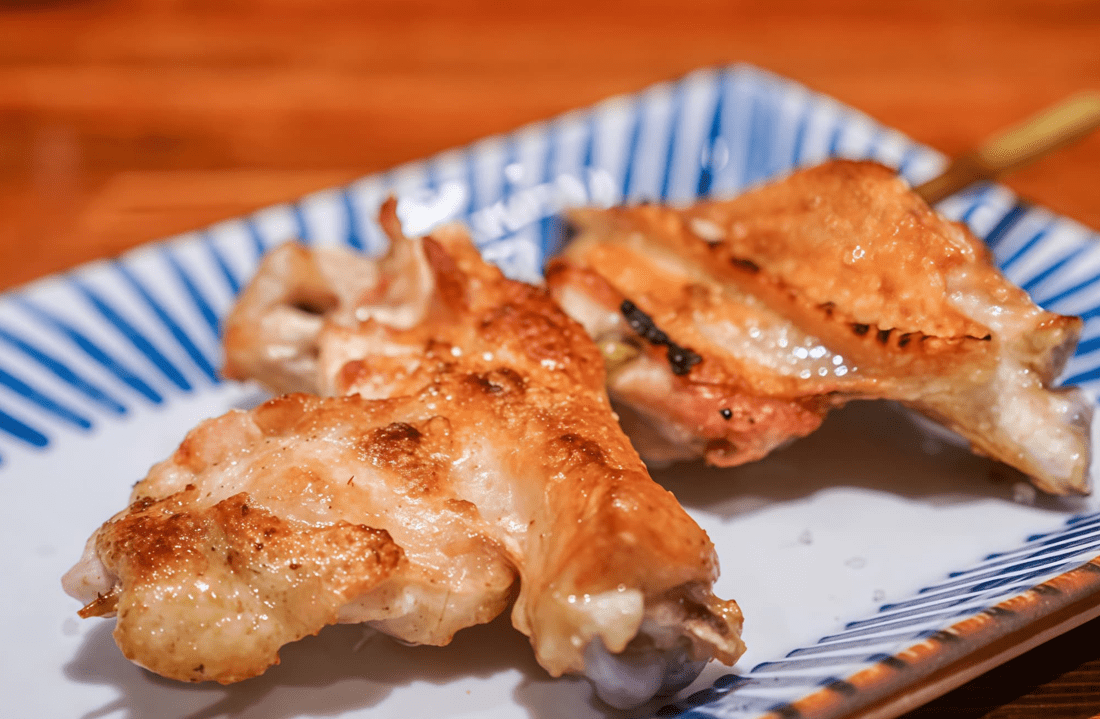
The chicken is Okukuji Shamo from Ibaraki, free range and raised for 125 to 155 days, far longer than standard commercial birds. The result is firmer meat, stronger texture, and deeper flavor. It stands up well to the grill and becomes more expressive as the course continues.
Three courses are currently offered. The ¥9,800 course includes appetizers, liver pâté, eight skewers, and sansho yaki. The ¥11,800 course adds sasami with ume shiso or basil sauce, grilled cheese, and a small oyakodon. The ¥13,800 course is the full chef’s selection of the day.
The liver pâté appears in every course and is one of the restaurant’s signatures. Smooth, rich, and notably clean in flavor, it often wins over guests who usually avoid liver.
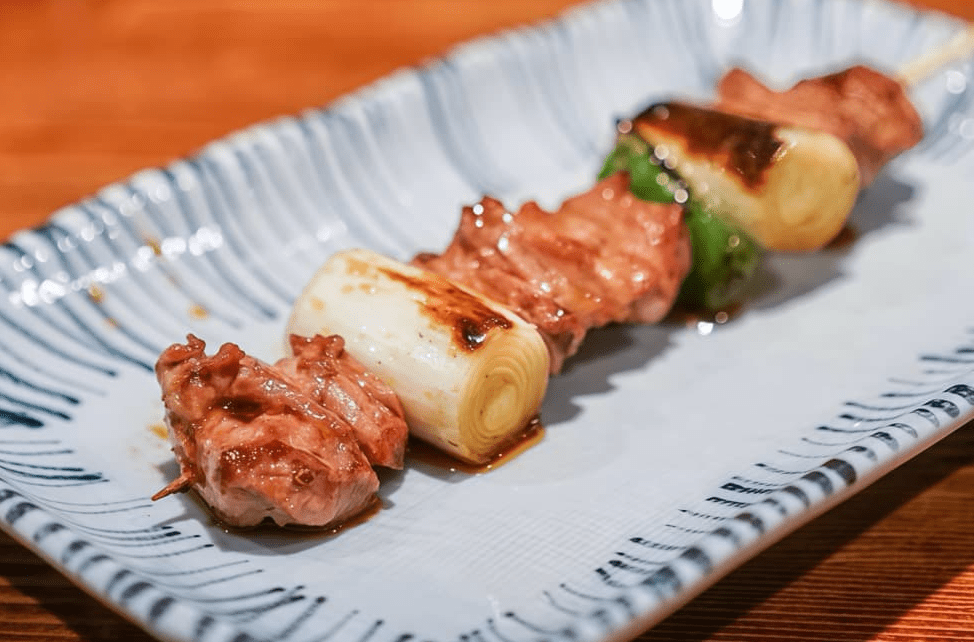
The skewer order is carefully built. Wasabi yaki, chicken breast with wasabi, arrives early and lets the natural flavor of the bird speak first. Negima balances charred scallion with rendered chicken fat. Liver is grilled with a rare center. Sansho yaki, thigh meat glazed with soy and mirin, finished with pepper and kinome, closes the sequence with fragrance and lift.
A small serving of house tofu with olive oil and salt appears between skewers, giving the palate a short reset before the next round.
The grilled cheese has been on the menu long enough to become a regular order in its own right. The oyakodon uses the same Shamo chicken and softly cooked egg. In colder months, duck rice may appear instead, richer and more suited to winter.
Reservations are strongly recommended. TableEX can arrange your booking directly and help secure the best available seating and course for your visit.
Overview
| Cuisine | Sushi |
|---|
Courses

Dinner
Omakase①
Booking fee ¥1,000
Dinner
Omakase②
Booking fee ¥1,000
Dinner
omakase③
Booking fee ¥1,000
Restaurant information
| Working Hours | 17:00 - 22:00 |
|---|---|
| Seats | 33 |
| Payment | Visa, MasterCard, Diners, American Express, Cash |
| Smoking | Not Allowed |
| Alcohol take-in | Not Allowed |
| Phone number | 03-5250-1081 |
| Address | B1F 4-2-15 Ginza, Chuoku, Tokyo |
Location map

2026
October
More counters we can secure for you
Picked by the same team — similar style or nearby.