

Kotaro
Tokyo
Izakaya
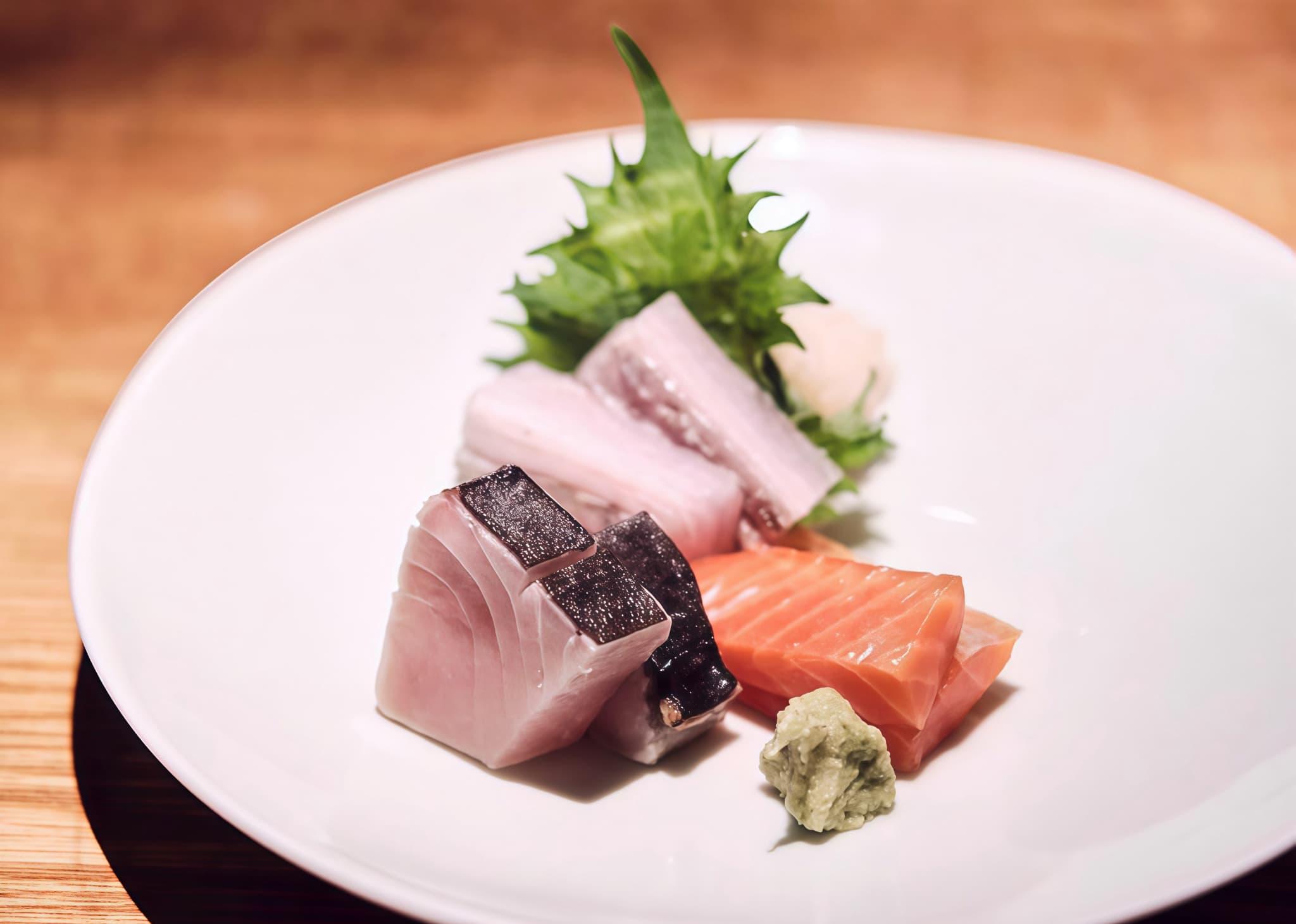
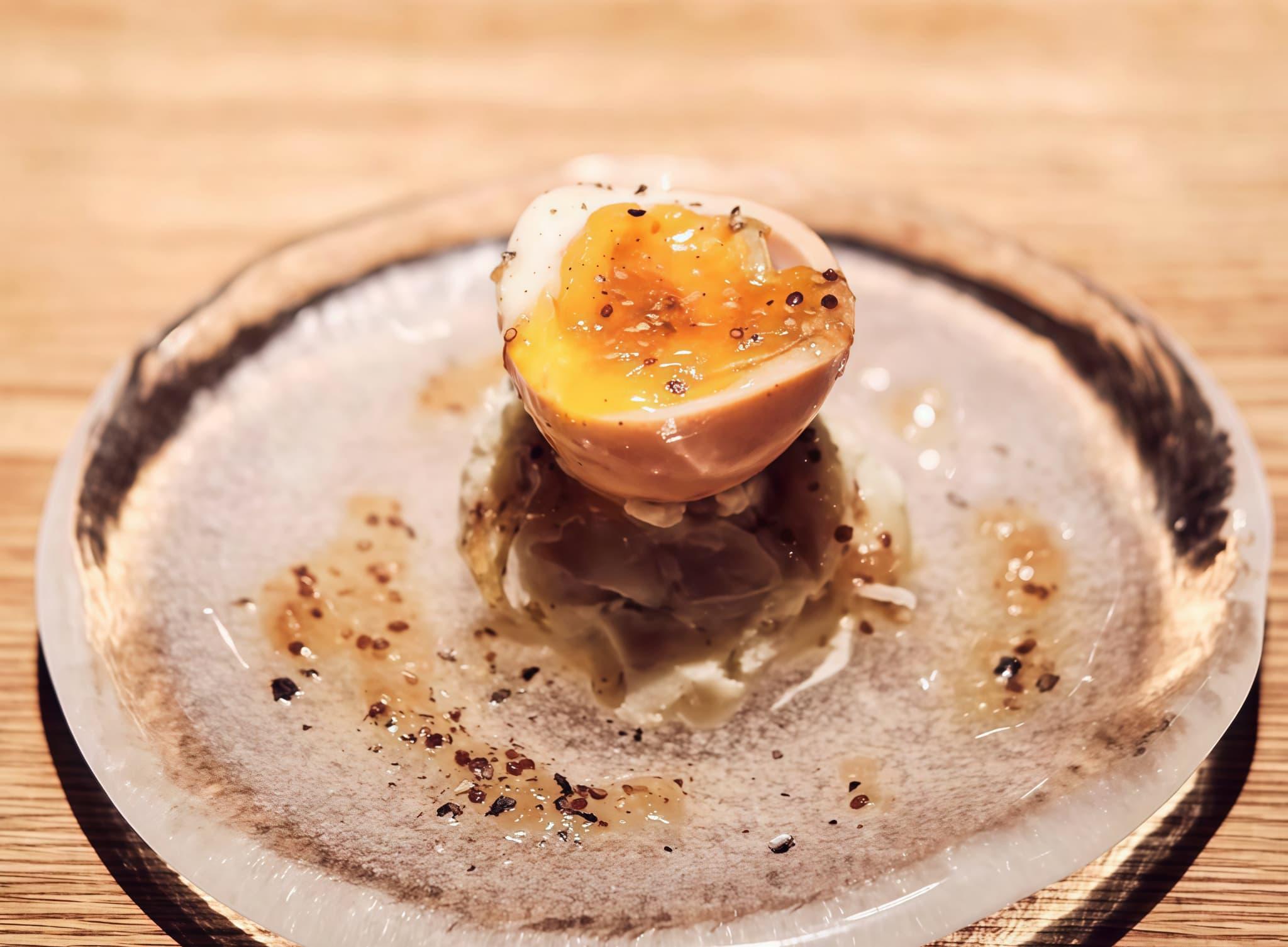
One of Tokyo’s Great Izakaya
Kotaro is tucked into a quiet backstreet of Shibuya, far enough from the scramble to feel insulated, yet close enough to remain unmistakably part of the neighborhood. Often spoken of alongside Kansai’s great shokudo as its eastern counterpart, Kotaro has moved beyond trend and into canon. It is not simply popular or difficult to book; it serves as a reference point for what a modern Japanese tavern can be when seasonality, technique, and restraint are allowed to coexist without compromise. Its reputation has been built quietly, through consistency rather than spectacle.
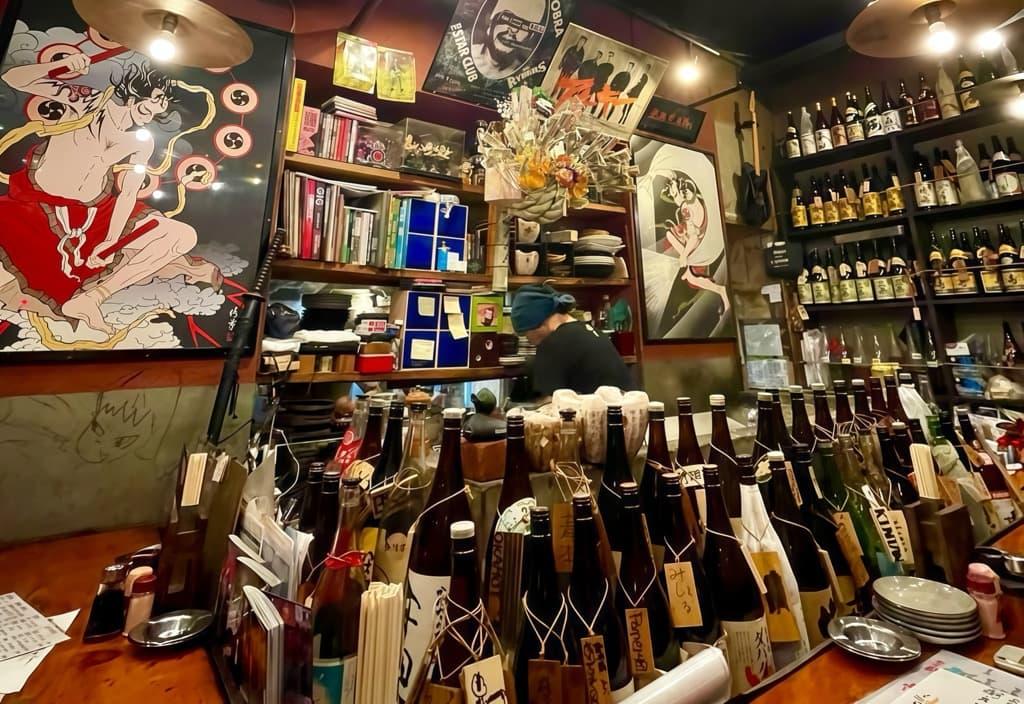
Chef Kotaro Kanno refined his foundation through roughly a decade of training in Ikejiri-Ohashi, and that background is evident throughout the meal. The cooking is grounded in classical Japanese technique but never feels formal or rigid. Instead, those skills are redirected toward dishes meant to be eaten with alcohol, at a relaxed pace, without ceremony. The open kitchen reinforces this philosophy. You see everything as it happens, but nothing is performed for attention. The rhythm is calm, efficient, and confident.
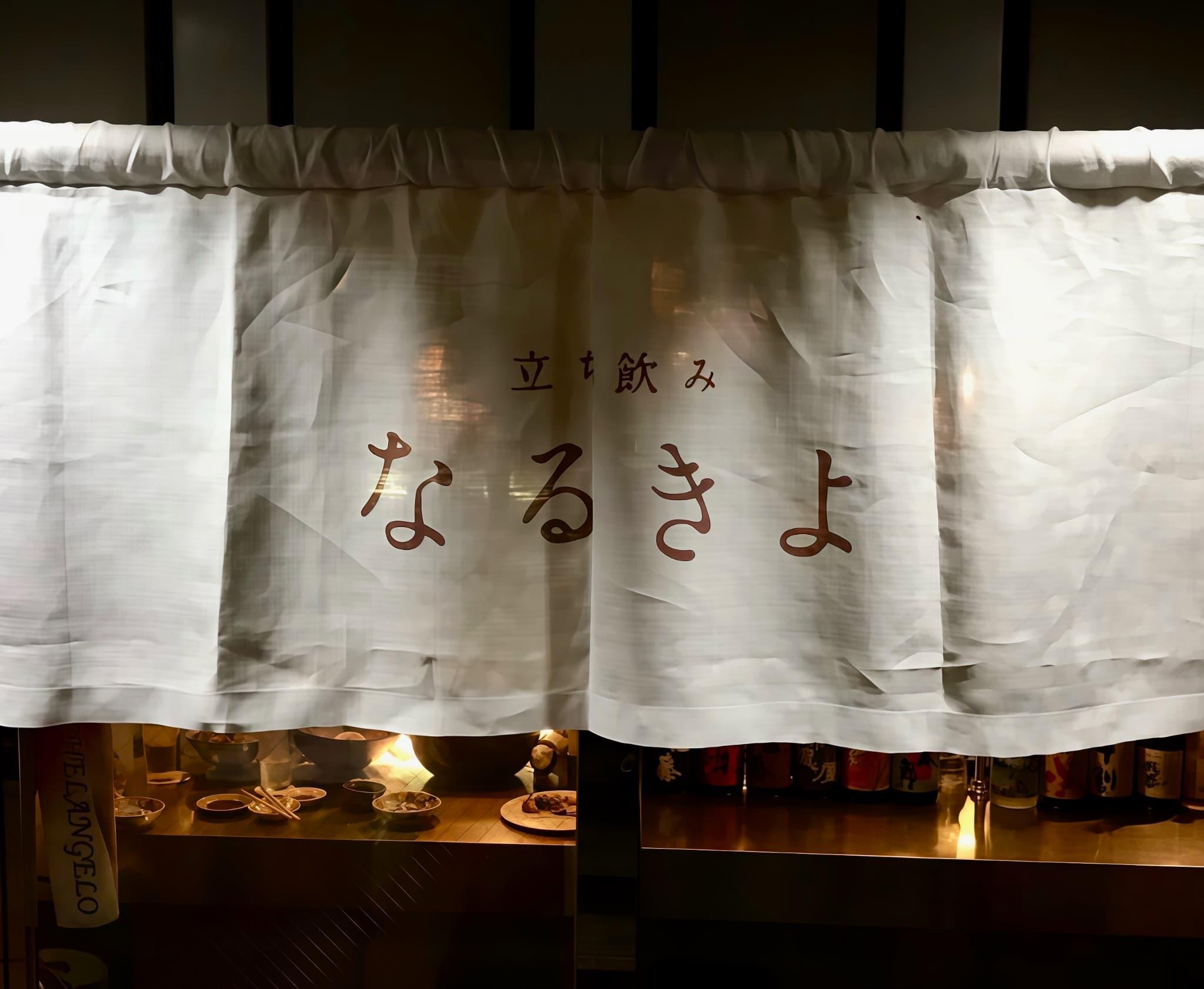
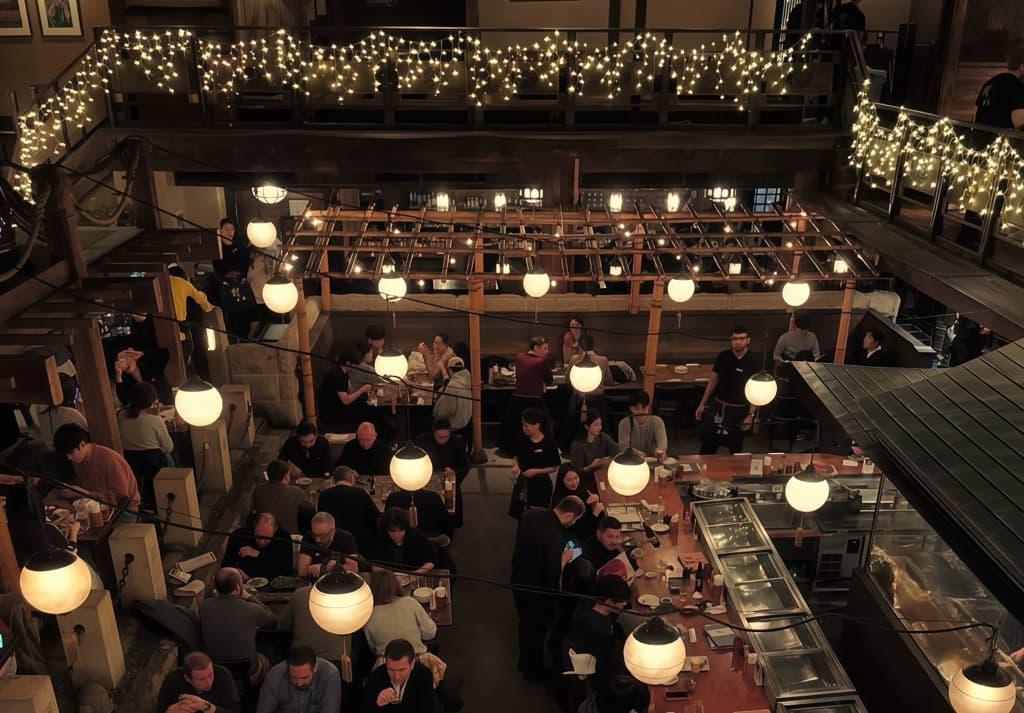
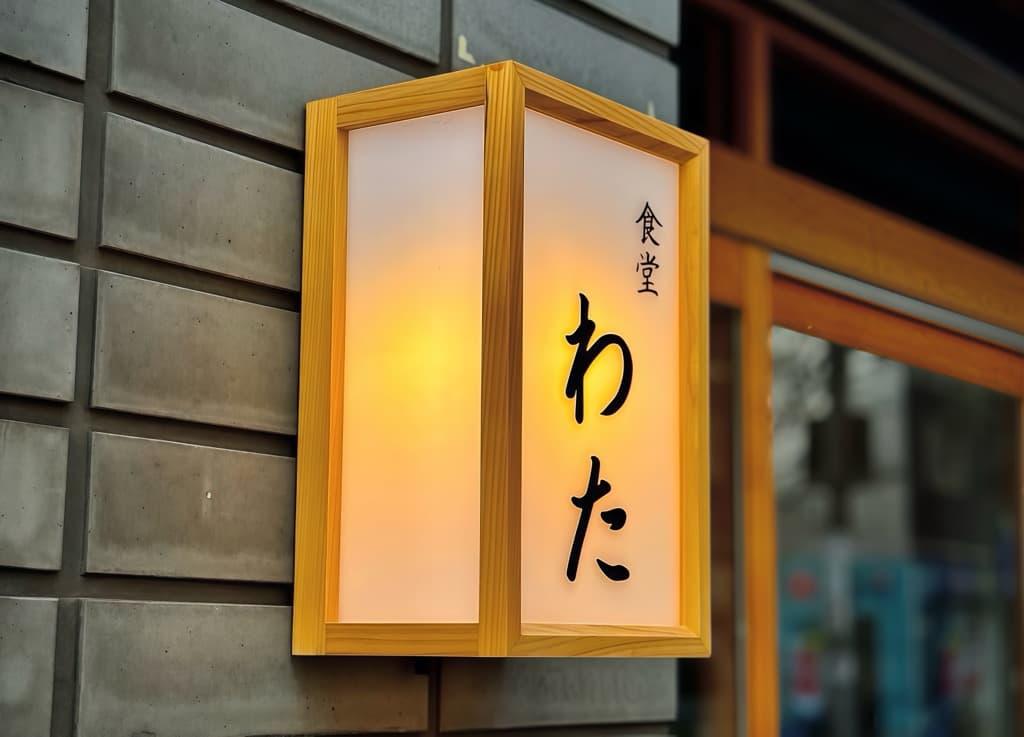
The space itself is understated. From the outside, it is easy to miss. Inside, counter and table seating create a room that feels lively without being loud. This is not an izakaya driven by volume or bravado. The staff are attentive in a way that feels natural rather than scripted, reading the table well and adjusting the flow of food and drink accordingly. In Shibuya, where extremes are the norm, this kind of balance is surprisingly rare.
While à la carte ordering is possible, Kotaro reveals its full strength when you leave the pacing to the kitchen. Requesting a loosely structured omakase allows the meal to unfold with coherence, moving from gentle, comforting dishes to plates that show a subtle twist of technique or seasoning. The sake list is deep and thoughtfully curated, and taking recommendations as the dishes arrive is part of the experience. The best way to enjoy Kotaro is to let go and follow the kitchen’s lead.
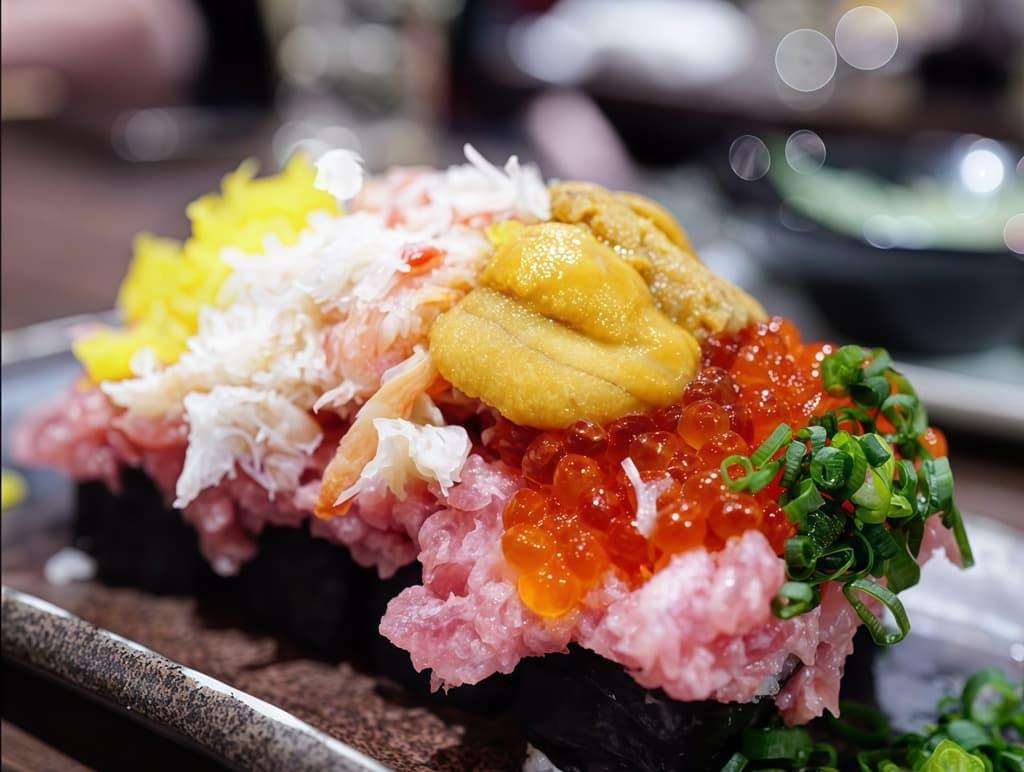
The food moves effortlessly between warmth and precision. Seasonal greens and beans are treated simply, with careful attention to texture and broth absorption. The sashimi arrives at a level that clearly exceeds expectations for the category. The fish is handled with intention, and diners are encouraged to taste not only with soy sauce but also with salt, allowing the inherent sweetness and structure of each cut to come through.
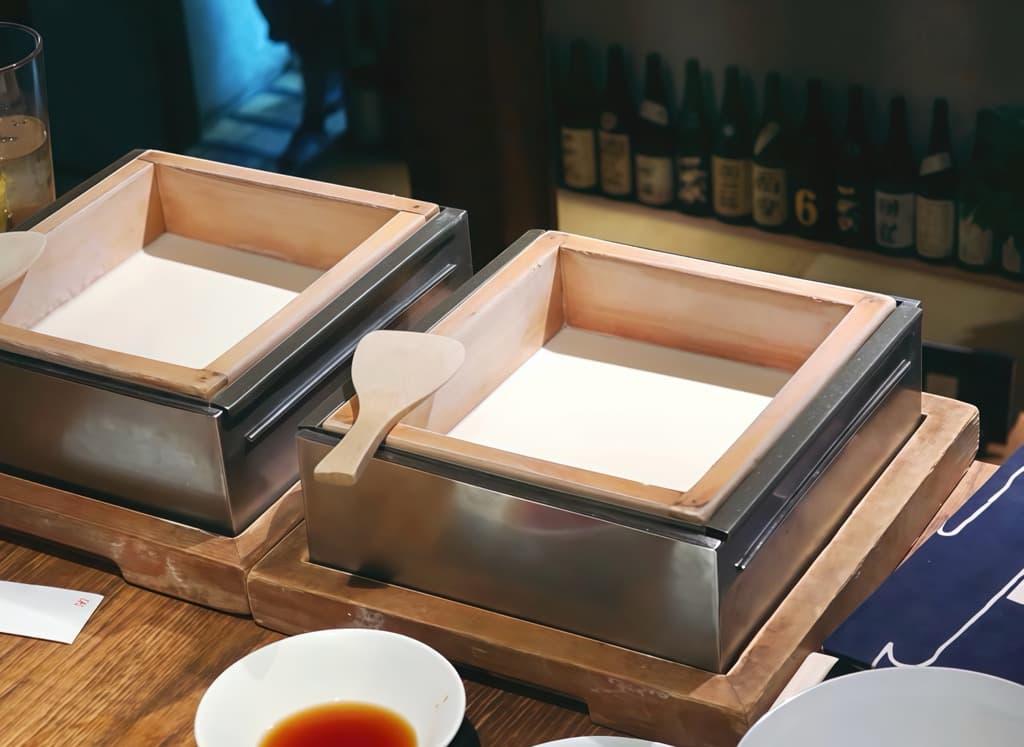
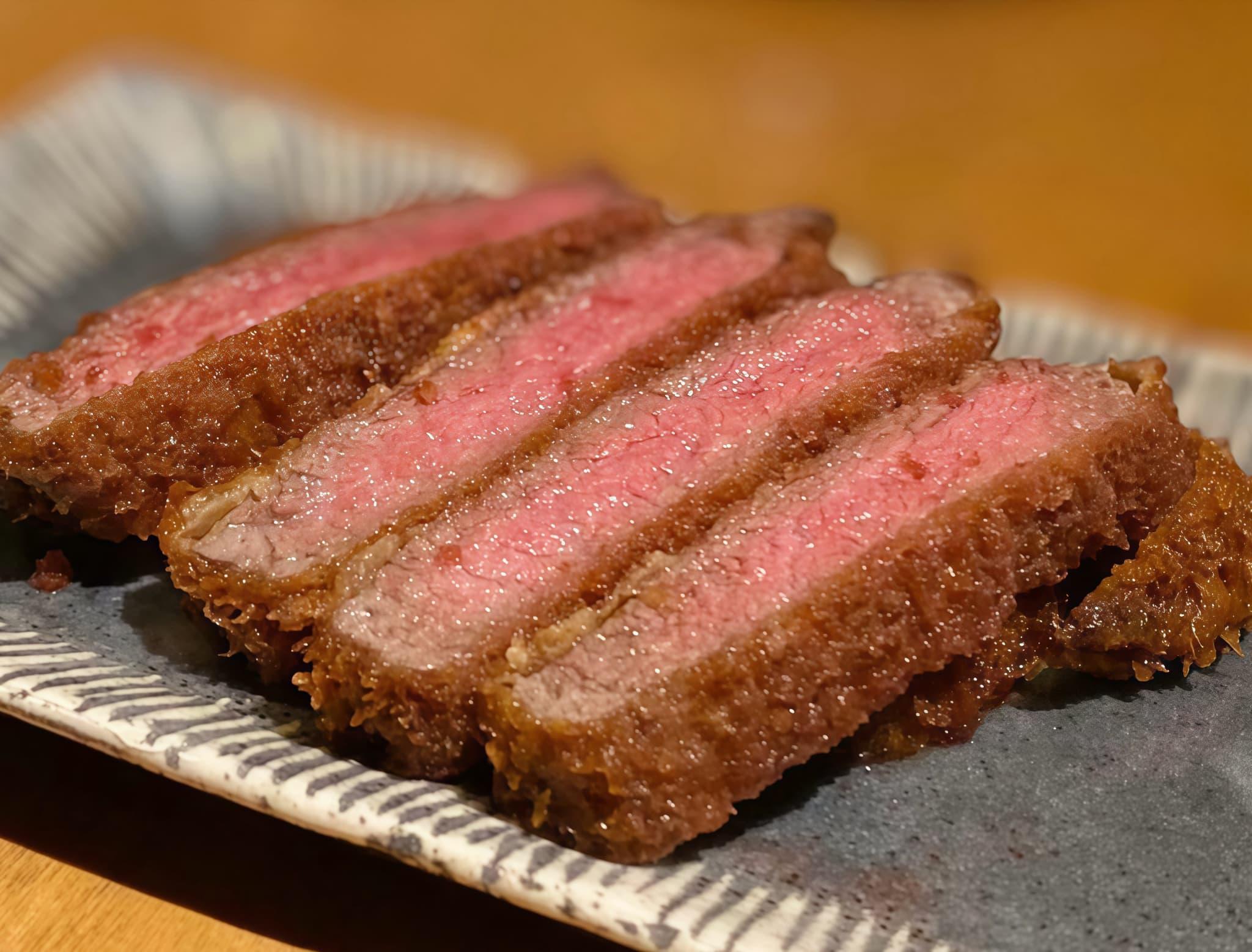
Several dishes have become signatures for good reason. The smoked potato salad avoids heaviness, using smoke as a structural element rather than a gimmick. The menchi katsu is deeply satisfying but restrained, its appeal lying in balance rather than excess. The meal almost always resolves with Sanuki-style udon, made daily using flour sourced from Kagawa. The noodles favor smoothness and a clean finish over brute elasticity, closing the meal with clarity rather than weight.
Kotaro is not for those seeking loud flavors or dramatic presentation. It rewards diners who notice small adjustments, thoughtful sequencing, and cooking that values judgment over showmanship. For anyone looking to understand how Japanese home-style sensibility and professional technique truly intersect, Kotaro remains one of Shibuya’s most enduring answers.
Courses

Dinner
Omakase
Booking fee ¥1,000
Restaurant rules
Restaurant information
| Working Hours | 17:00 - 23:00(Sat–Sun from 14:00) |
|---|---|
| Seats | 22 |
| Payment | Visa, MasterCard, Diners, American Express, Cash |
| Smoking | Not Allowed |
| Alcohol take-in | Not Allowed |
| Phone number | 03-5428-5705 |
| Address | 28-2 Sakuragaokacho, Shibuya-ku, Tokyo, Japan |
Location map

2026
August
More counters we can secure for you
Picked by the same team — similar style or nearby.