

Yakitori Honda
Tokyo
Yakitori
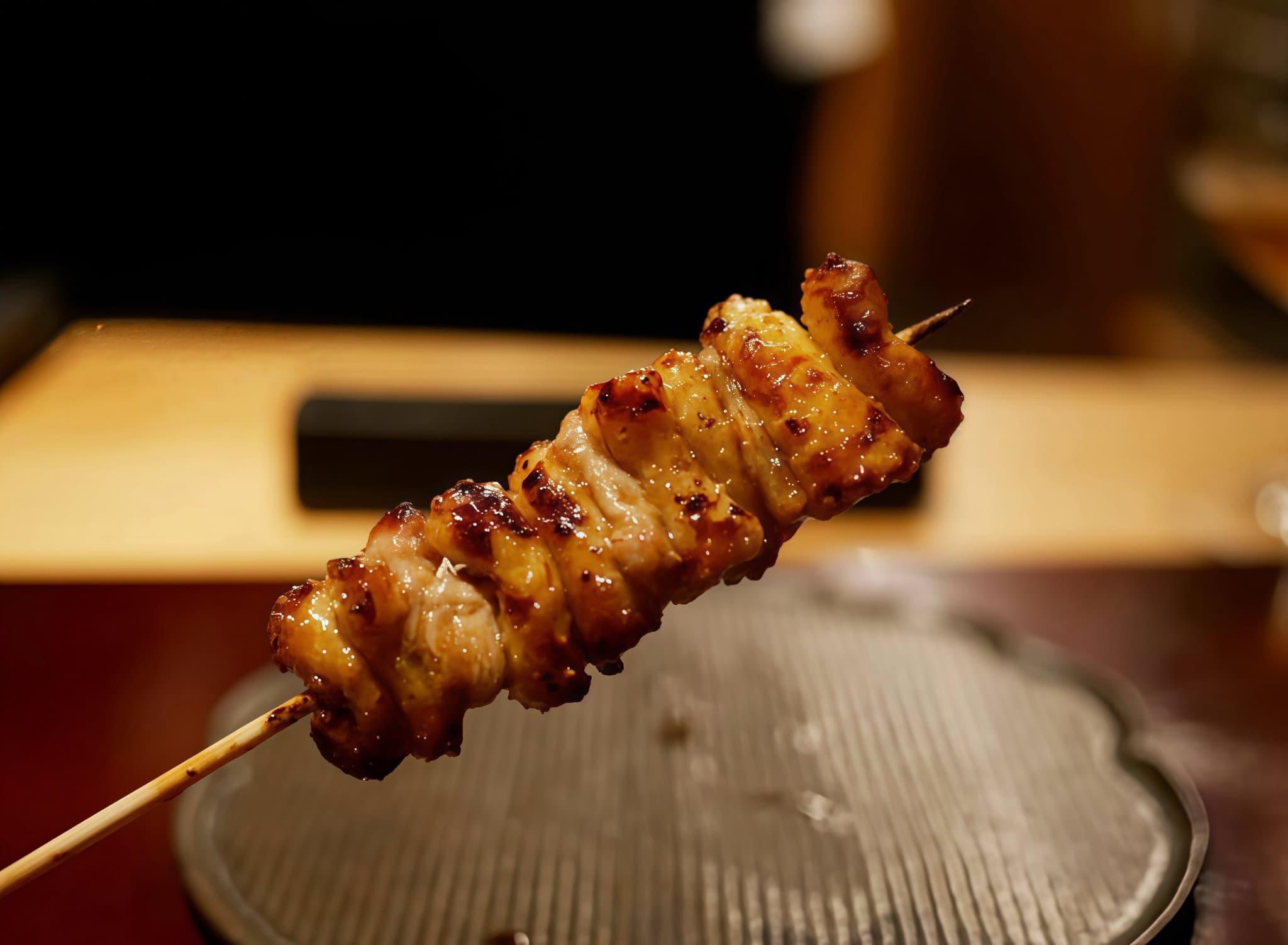
A Full Course Devoted to Hinai Jidori
Yakitori Honda is located in Minato, Chuo Ward, an area within walking distance of Ginza yet noticeably quieter and more residential in character. Free from tourist traffic, the neighborhood sets the tone for a restaurant that is very much destination driven. Recognized in the Michelin Guide Tokyo 2024 and selected for Tabelog’s Yakitori EAST Top 100, Honda has built its reputation steadily through execution rather than spectacle.
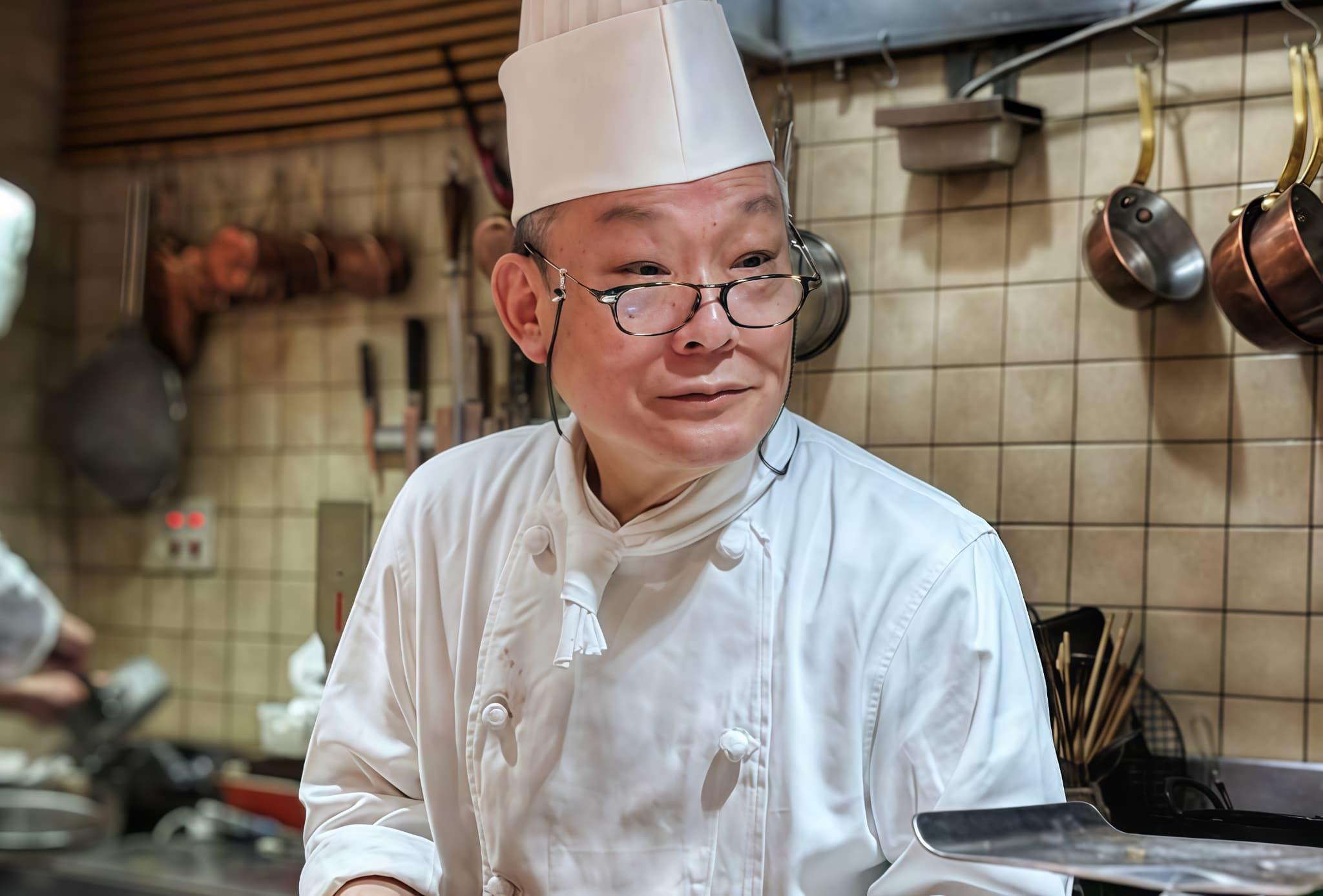
Chef Takuya Honda trained at Kemuri in Fuchu before opening his own shop in Yaesu under the name Kemuri Nidaime. After several years, he rebranded as Yakitori Honda and relocated to the current Minato location. While firmly grounded in the craft of yakitori, his cooking does not lean on lineage or stylistic orthodoxy. Instead, the restaurant’s identity is shaped by a clear focus on how to draw out the natural qualities of Hinai jidori, resulting in a style that is recognizably Honda’s own.
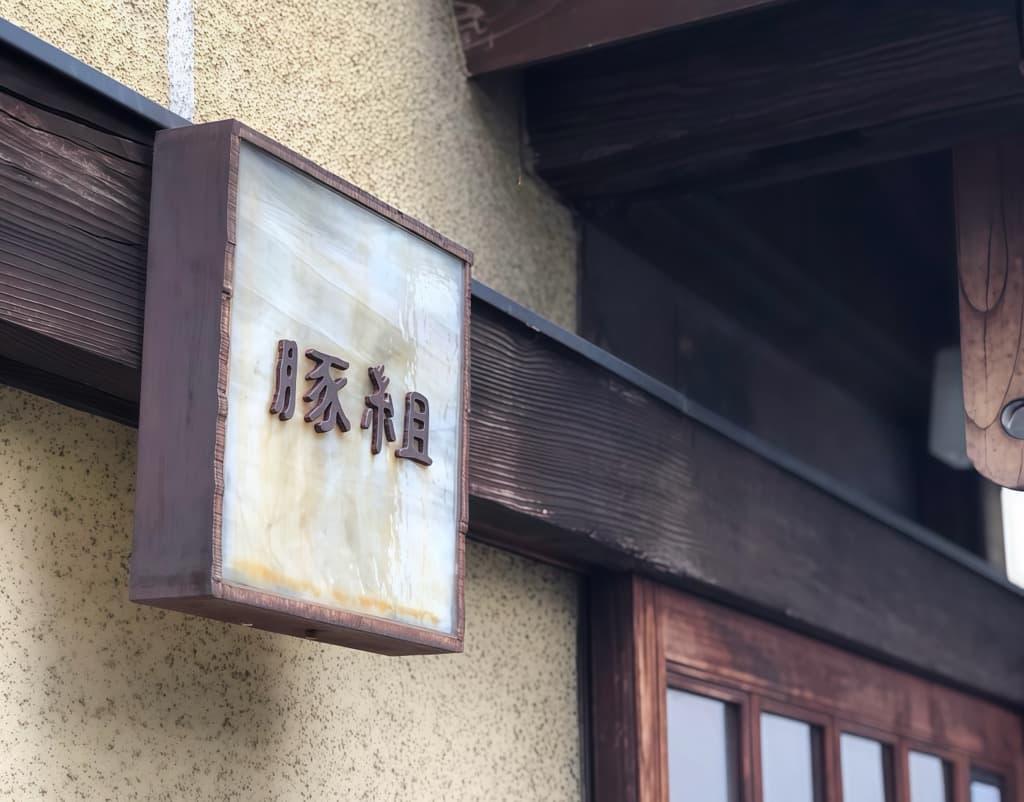
The exterior is understated, blending quietly into the surrounding streetscape. Inside, the room centers on a clean L shaped counter made from a single slab of hinoki wood, with a compact number of counter seats and a small semi private area. Sightlines are carefully considered so that the grill and the chef’s movements remain visible from every seat. The atmosphere is calm and deliberate, with no excess decoration, allowing full attention to remain on the food.
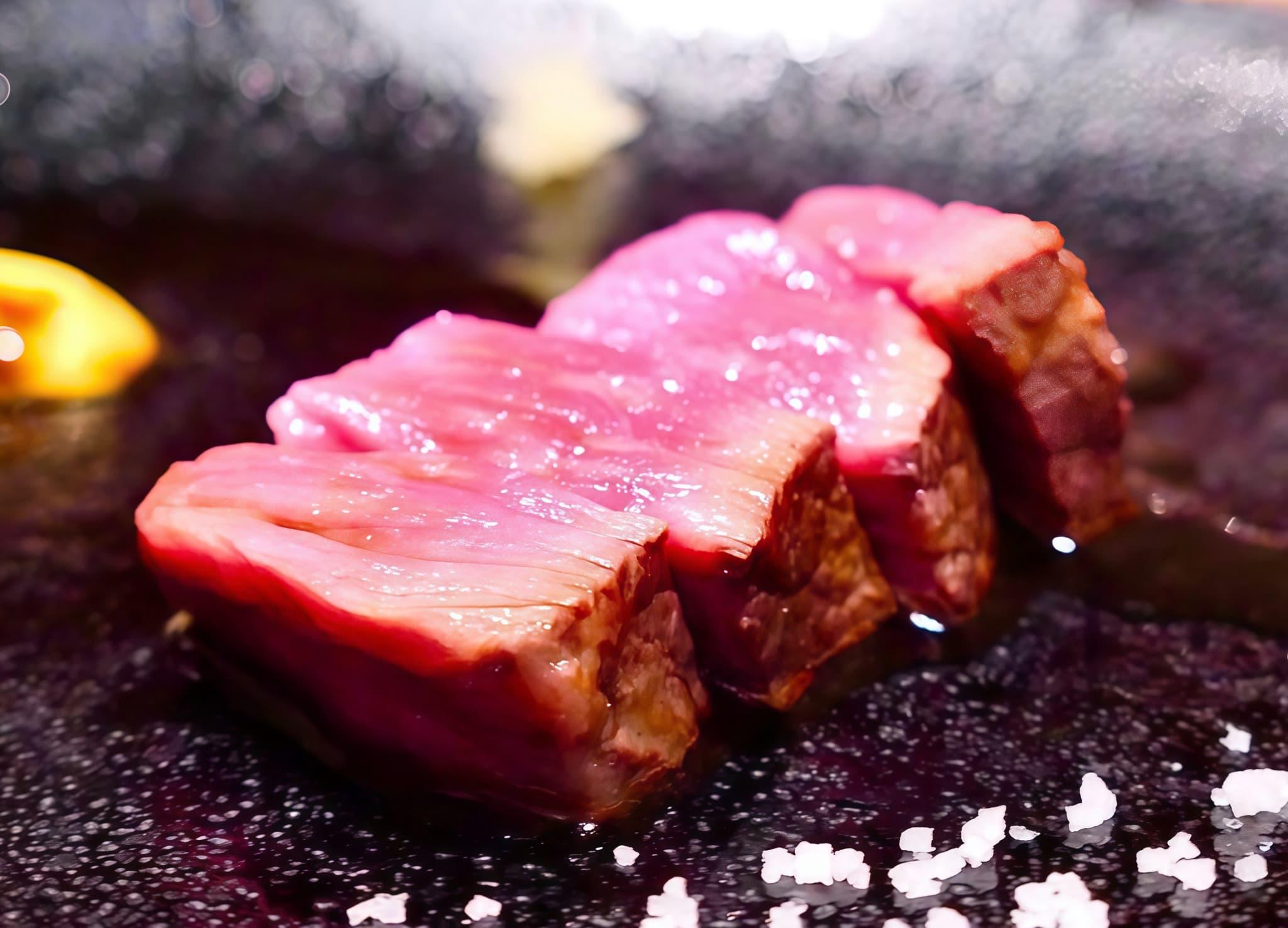
The menu is offered exclusively as an omakase course. Hinai jidori from Akita is purchased whole and broken down in house, enabling the kitchen to present each cut at its optimal moment. Rather than relying solely on a long sequence of skewers, the course is structured with well paced interludes of small dishes and vegetables, creating a sense of flow and balance. Charcoal grilling is done over Kishu binchotan, but the approach favors moisture and control over aggressive charring. The skin is rendered thin and light, releasing aroma and fat without heaviness.
Seasoning centers on salt and tare, supplemented selectively with elements such as black pepper, red sansho, fresh green peppercorn, balsamic soy sauce, and rice vinegar with herbs. These accents are used with restraint, sharpening flavor without overshadowing the character of the chicken itself. Each cut is treated according to its texture and fat content, from the crisp snap of gizzard to the elasticity of seseri and the density of tsukune, gradually revealing the depth of Hinai jidori over the course of the meal.
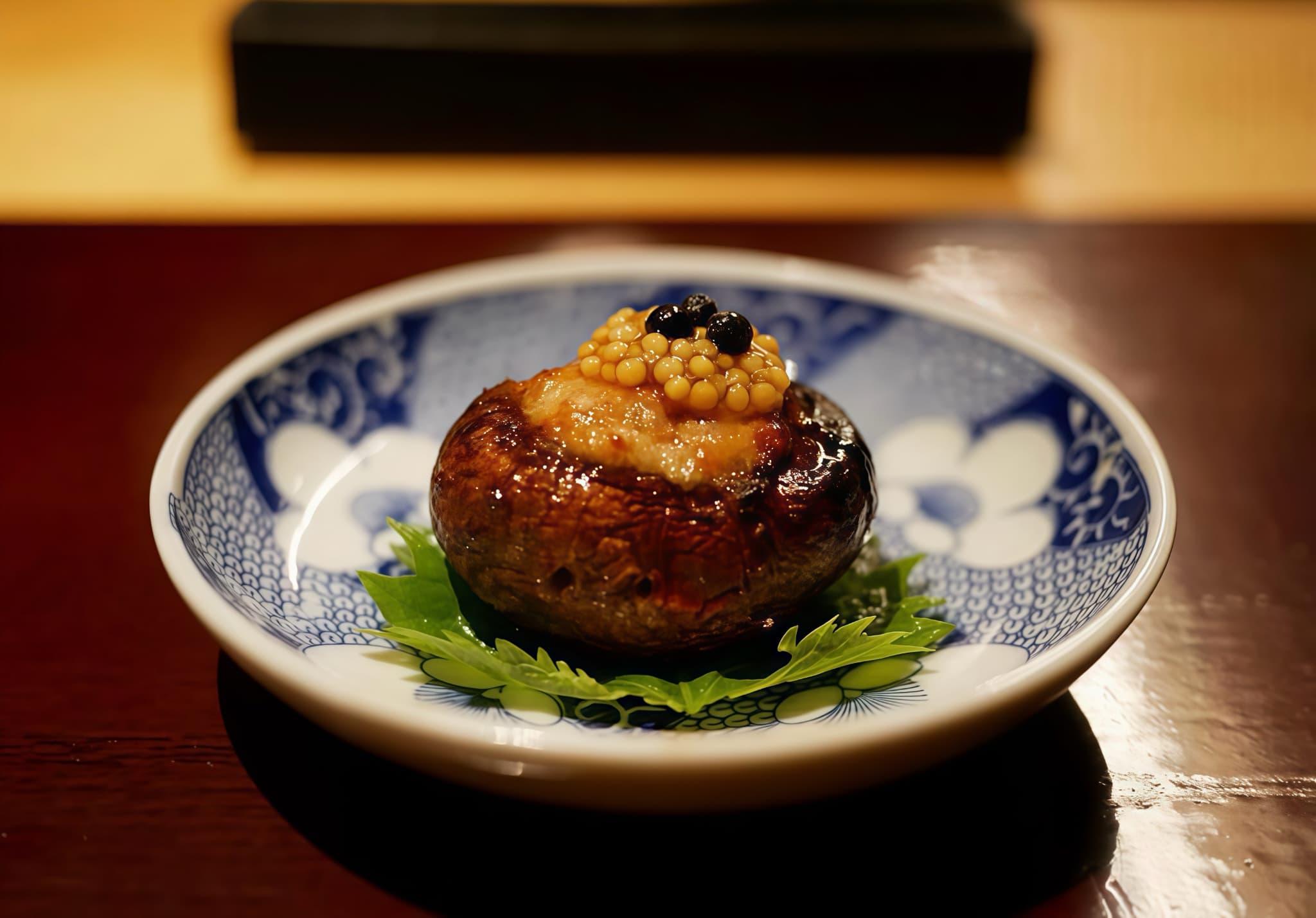
Vegetables are handled with equal care. Rather than placing them prominently within the main sequence, they are positioned as optional additions, a choice that often encourages diners to order extra. Items such as lotus root or asparagus are grilled with precision and serve as effective counterpoints to the richness of the chicken.
The course concludes with a choice of one finishing dish included in the menu: Hinai jidori chicken soba, oyakodon, minced chicken rice, or chicken broth ochazuke. Additional selections can be added for a supplemental charge, allowing diners to adjust according to appetite. Each option is designed to carry the meal to a close without breaking its rhythm.
The oyakodon is prepared with specially cultivated Yumepirika rice from Asahikawa in Hokkaido and Tamago eggs from Tanaka Farm in Fukaya, Saitama. The eggs are softly set, allowing the gentle sweetness of the chicken to come forward. The sauce emphasizes dashi rather than sweetness, finished with a clean soy sauce edge that tightens the overall profile and keeps the bowl light despite its richness.
Wine is a notable strength here. Bottles are stored in a temperature and humidity controlled underground cellar, with a particularly strong selection of Burgundy offered at approachable prices for the category. The list makes Yakitori Honda an especially compelling destination for diners who enjoy pairing yakitori with wine. Beer, sake, and spirits are also available, ensuring flexibility across different dining styles.
Yakitori Honda occupies a thoughtful middle ground. It neither elevates yakitori into something overly formal nor leans toward casual indulgence. Instead, it presents Hinai jidori with technical clarity, controlled fire, and a calm, well considered setting. For diners who value precision, balance, and the quiet satisfaction of well grilled chicken paired with good wine, this is a restaurant built for repeat visits.
Courses

Dinner
Omakase
Booking fee ¥1,000
Restaurant information
| Working Hours | 18:00 - 22:00 |
|---|---|
| Seats | 9 |
| Payment | Visa, MasterCard, Diners, American Express, Cash |
| Smoking | Not Allowed |
| Alcohol take-in | Not Allowed |
| Phone number | 03-5540-2223 |
| Address | 3-5-1 Minato, Chuo-ku, Tokyo, Japan |
Location map

2026
October
More counters we can secure for you
Picked by the same team — similar style or nearby.