

Sushi Daizen
Tokyo
Sushi
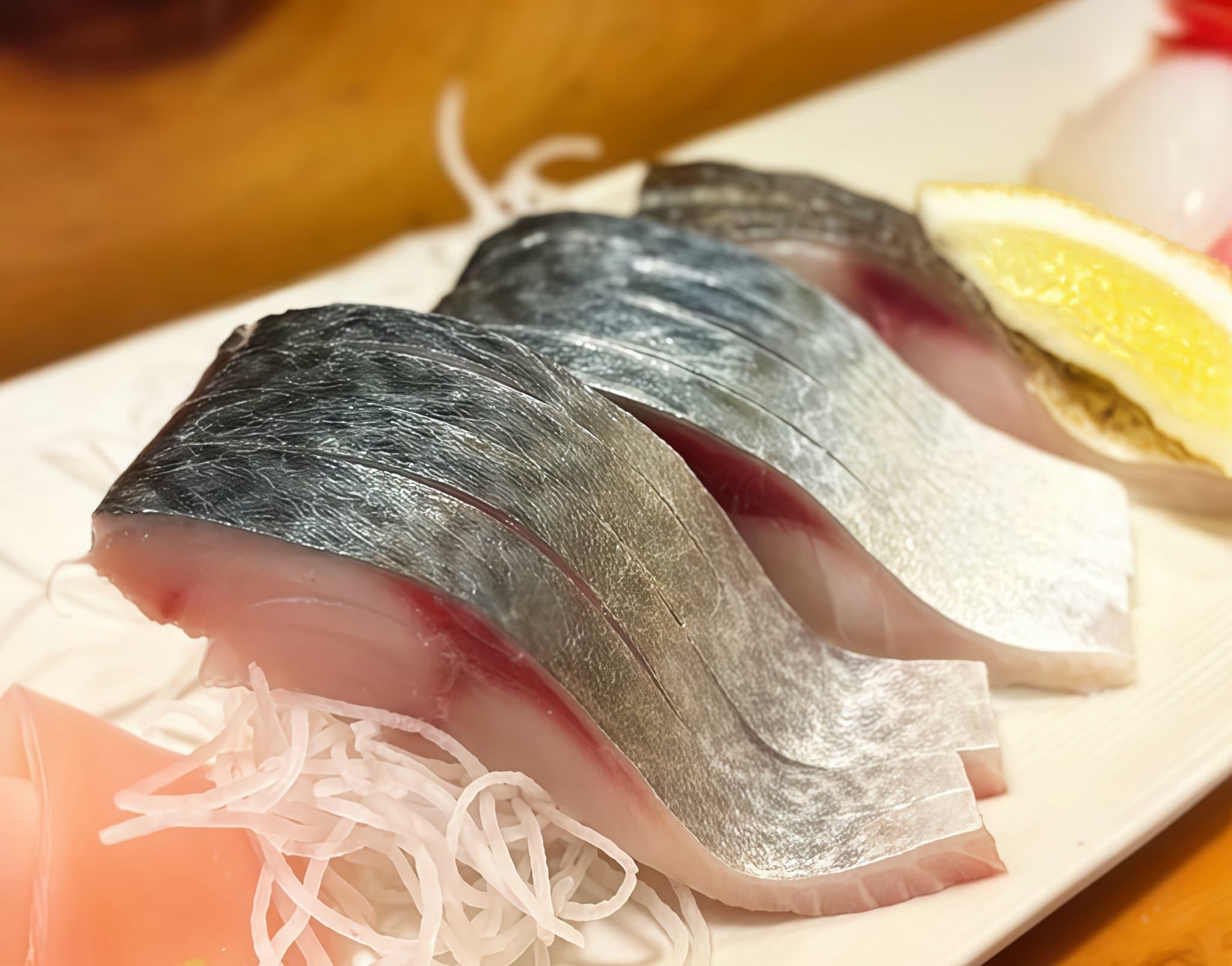
The Place You Go Back to for Mackerel
Sushi Daizen sits beneath the railway tracks in Yurakucho, a location that hardly draws attention at first glance. Yet this unassuming spot has earned a clear reputation among fish lovers and sake drinkers for one reason above all else: blue fish, and especially mackerel. It is not a restaurant defined by Michelin stars or media hype, but within its niche it is firmly established as “the place you go for mackerel.” Fully reservation only and open in accordance with the fish market calendar, the restaurant’s priorities are obvious from the outset: freshness and sourcing come first.
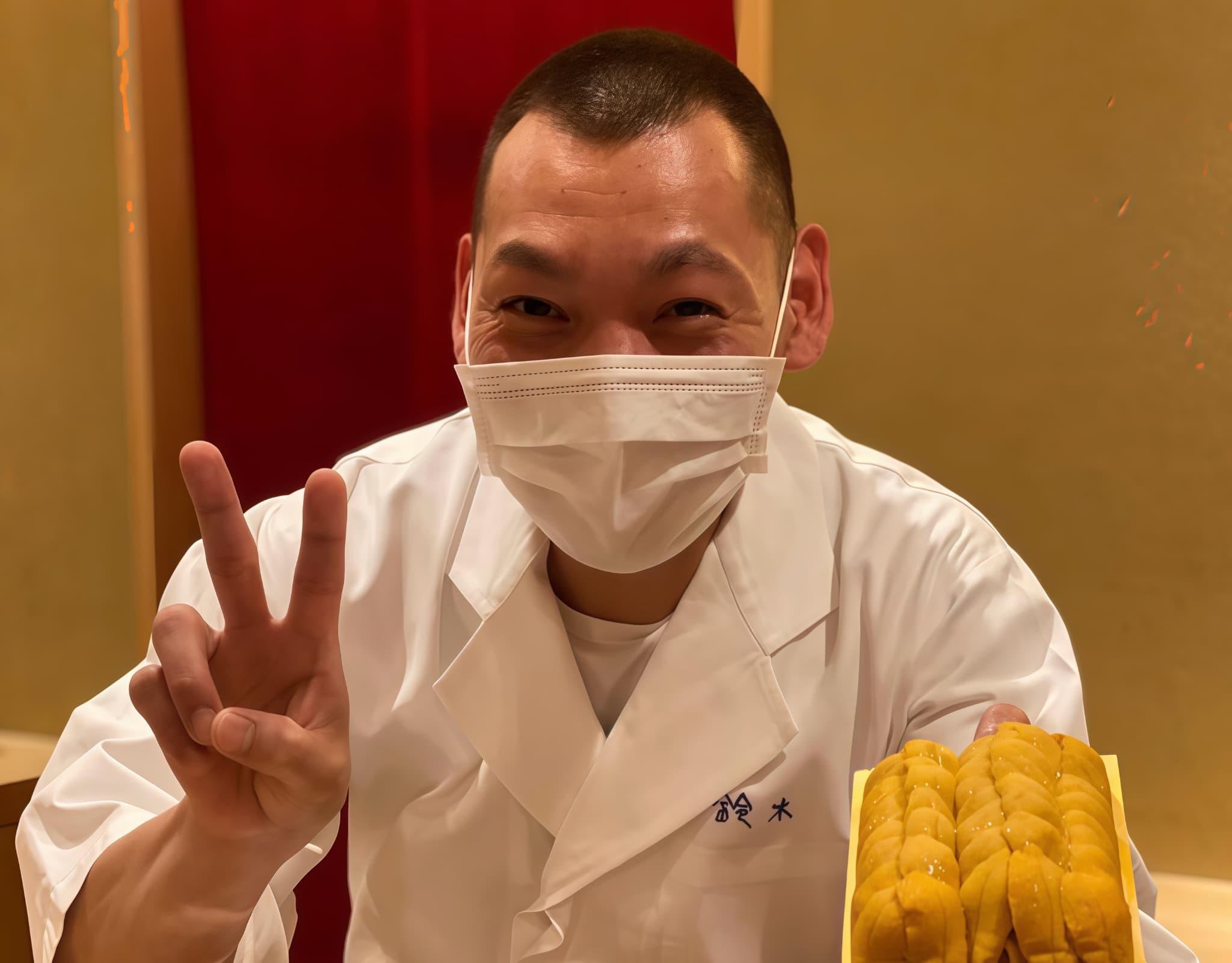
The chef is not one to foreground a classic Edomae lineage or technical pedigree. His approach begins with a simple question: what is the best way to let the fish be eaten in its current condition. That philosophy is most clearly expressed in his handling of mackerel. Multiple origins may be served on the same day, with subtle differences in curing, seasoning, and condiments chosen to match each fish. The confidence behind those decisions reflects long experience. Even with nigiri, the focus is not on showing off technique, but on how the sushi functions alongside alcohol, as part of a broader progression of food and drink.
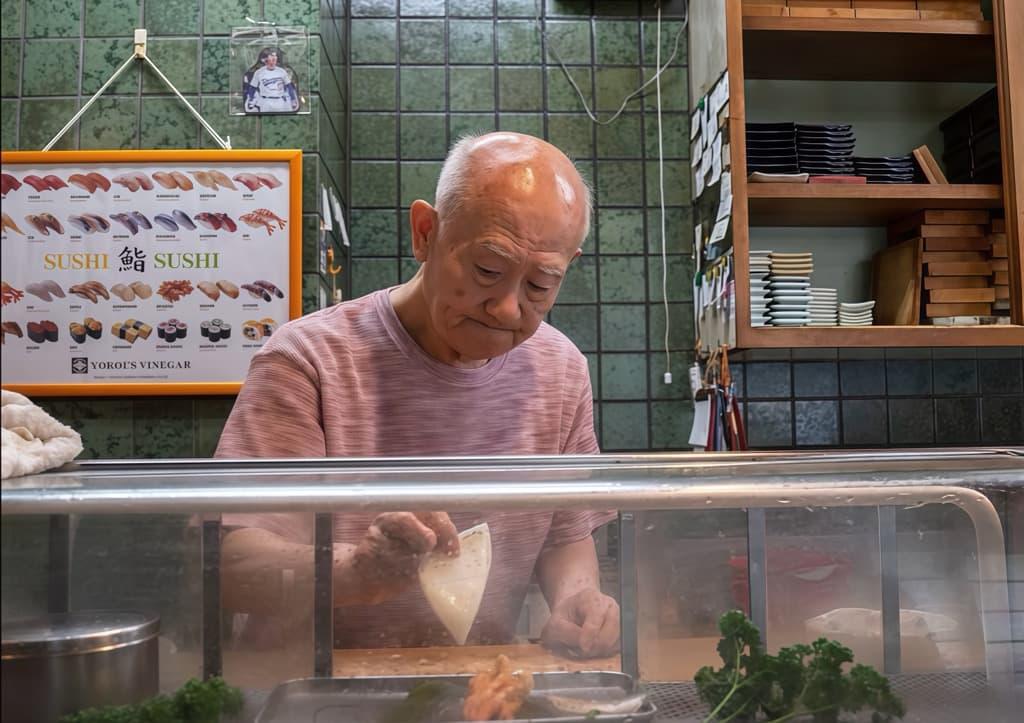
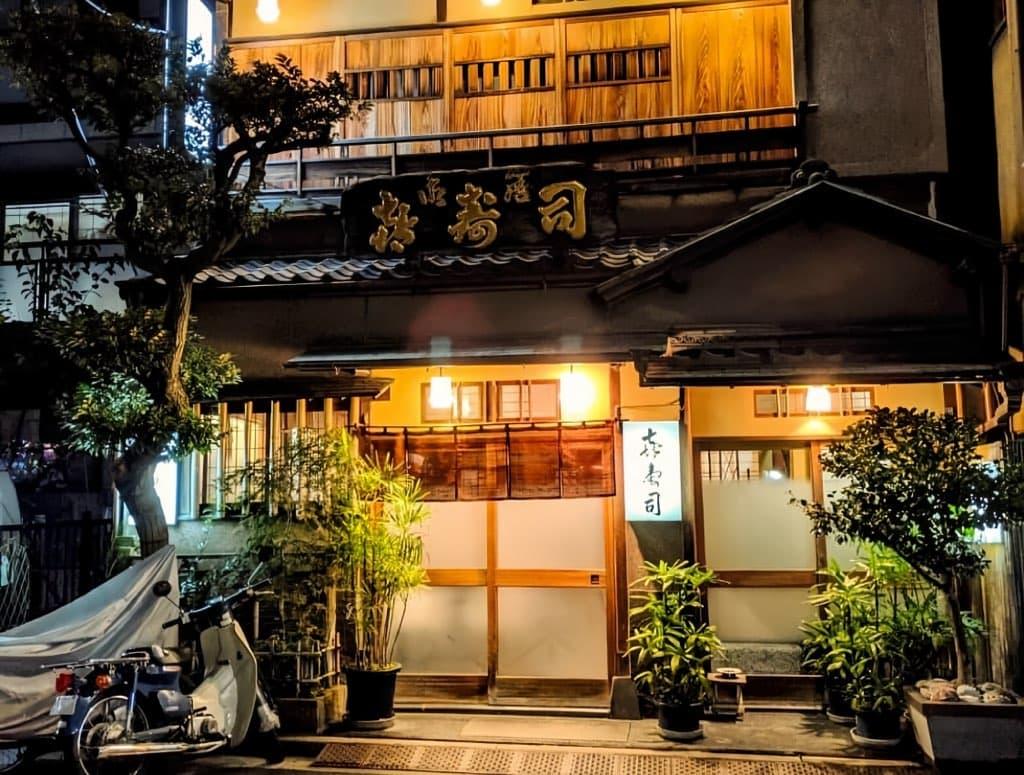
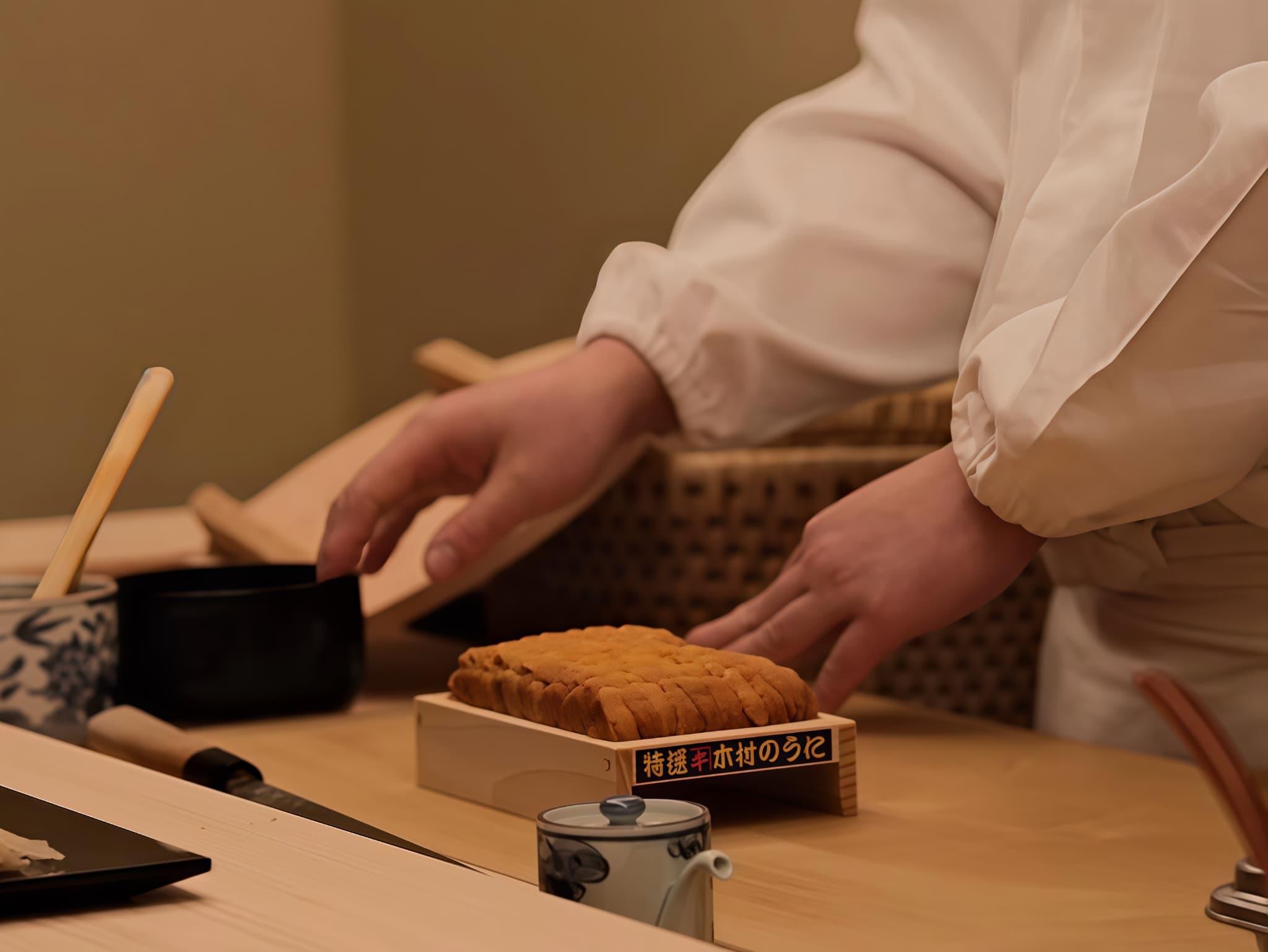
From the outside, the restaurant blends seamlessly into the Yurakucho underpass and is easy to miss if you do not know where to look. Inside, the space consists solely of an L shaped counter with around eight seats. It is compact, and when full the distance between guests is close, but in return you are seated directly in front of the chef’s hands and preparations. There is no drink menu. All alcohol is brought in by the guests, whether sake, beer, shochu, or wine, and simple cooling containers are placed on the counter to accommodate whatever bottles arrive that evening.
The meal follows an omakase format, with pricing typically starting in the ¥6,000 to ¥7,000 range depending on the day. In this visit, the balance leaned decisively toward appetizers rather than nigiri. Sashimi, grilled items, and dishes featuring offal appeared in steady rhythm. A highlight was the comparison of true mackerel from Miyagi and from the Bungo Channel. Despite being the same species, the differences were unmistakable: the Miyagi fish showed firm flesh with excellent melt and minimal curing, while the Bungo Channel mackerel was gentler, with refined fat and a calmer profile.
Other dishes reinforced the alcohol driven structure of the meal. Sweet, pristine water octopus sashimi, flounder from Aomori wrapped around raw mozuku seaweed from Niigata, a large grilled sandfish eaten head to tail, and bonito served with garlic and ponzu all arrived with clear intent. Supporting ingredients such as oysters and whale sashimi appeared along the way, not as centerpieces but as punctuation, maintaining momentum without breaking the flow.
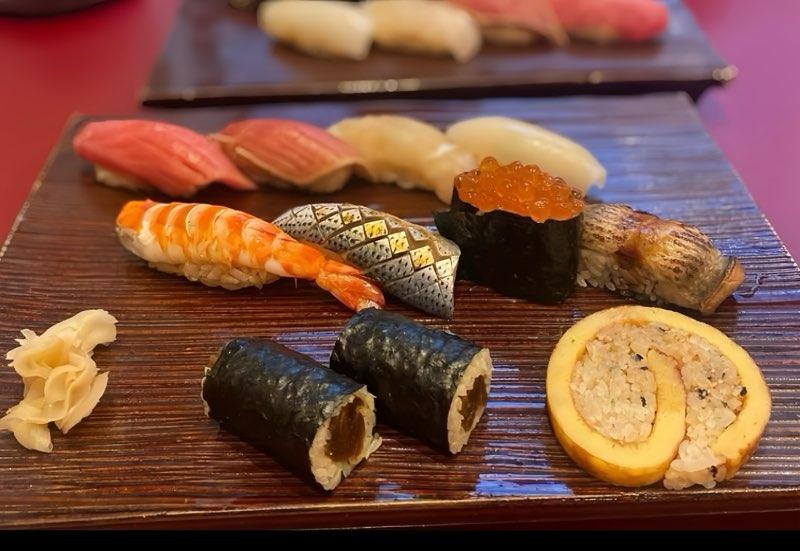
The rice is slightly soft and moist, deliberately restrained in presence. Rather than completing each piece on its own, it functions as a base that receives the flavor of the fish. Nigiri centers almost entirely on blue fish: horse mackerel, sardine, saury, kohada, and a mackerel roll, followed by anago at the end. These are not exercises in precision for its own sake, but when eaten as an extension of the appetizers, the logic of the restaurant becomes clear.
What Sushi Daizen offers is not so much the experience of going out for sushi, but of gathering with people you enjoy, sharing excellent fish and sake. Bottles are opened, sashimi and grilled dishes warm the table, and the meal closes with blue fish nigiri. That sequence itself is the restaurant’s finished form.
This is not a place for solitary diners seeking quiet contemplation or textbook Edomae perfection. It is, however, irreplaceable for those who love blue fish and want to bring their own sake to the table, enjoying a lively meal with friends. In the chaotic, local atmosphere beneath the Yurakucho tracks, savoring exceptional mackerel is an experience that simply cannot be replicated anywhere else.
The chef is not one to foreground a classic Edomae lineage or technical pedigree. His approach begins with a simple question: what is the best way to let the fish be eaten in its current condition. That philosophy is most clearly expressed in his handling of mackerel. Multiple origins may be served on the same day, with subtle differences in curing, seasoning, and condiments chosen to match each fish. The confidence behind those decisions reflects long experience. Even with nigiri, the focus is not on showing off technique, but on how the sushi functions alongside alcohol, as part of a broader progression of food and drink.
From the outside, the restaurant blends seamlessly into the Yurakucho underpass and is easy to miss if you do not know where to look. Inside, the space consists solely of an L shaped counter with around eight seats. It is compact, and when full the distance between guests is close, but in return you are seated directly in front of the chef’s hands and preparations. There is no drink menu. All alcohol is brought in by the guests, whether sake, beer, shochu, or wine, and simple cooling containers are placed on the counter to accommodate whatever bottles arrive that evening.
The meal follows an omakase format, with pricing typically starting in the ¥6,000 to ¥7,000 range depending on the day. In this visit, the balance leaned decisively toward appetizers rather than nigiri. Sashimi, grilled items, and dishes featuring offal appeared in steady rhythm. A highlight was the comparison of true mackerel from Miyagi and from the Bungo Channel. Despite being the same species, the differences were unmistakable: the Miyagi fish showed firm flesh with excellent melt and minimal curing, while the Bungo Channel mackerel was gentler, with refined fat and a calmer profile.
Other dishes reinforced the alcohol driven structure of the meal. Sweet, pristine water octopus sashimi, flounder from Aomori wrapped around raw mozuku seaweed from Niigata, a large grilled sandfish eaten head to tail, and bonito served with garlic and ponzu all arrived with clear intent. Supporting ingredients such as oysters and whale sashimi appeared along the way, not as centerpieces but as punctuation, maintaining momentum without breaking the flow.
The rice is slightly soft and moist, deliberately restrained in presence. Rather than completing each piece on its own, it functions as a base that receives the flavor of the fish. Nigiri centers almost entirely on blue fish: horse mackerel, sardine, saury, kohada, and a mackerel roll, followed by anago at the end. These are not exercises in precision for its own sake, but when eaten as an extension of the appetizers, the logic of the restaurant becomes clear.
What Sushi Daizen offers is not so much the experience of going out for sushi, but of gathering with people you enjoy, sharing excellent fish and sake. Bottles are opened, sashimi and grilled dishes warm the table, and the meal closes with blue fish nigiri. That sequence itself is the restaurant’s finished form.
This is not a place for solitary diners seeking quiet contemplation or textbook Edomae perfection. It is, however, irreplaceable for those who love blue fish and want to bring their own sake to the table, enjoying a lively meal with friends. In the chaotic, local atmosphere beneath the Yurakucho tracks, savoring exceptional mackerel is an experience that simply cannot be replicated anywhere else.
Overview
| Cuisine | Sushi |
|---|---|
| Area | Ginza, Tokyo |
| Chef | Kini Oomae |
| Background | Previous generation Sushi Daizen |
| Shari | Mild acidity, Rive vinegar based |
| English support | Limited |
Courses

Dinner
Omakase
Booking fee ¥1,000
JPY12,000
(Tax Incl.)
Restaurant rules
Cash payments only — credit cards are not accepted.
Restaurant information
| Working Hours | 17:30 - 22:30 |
|---|---|
| Seats | 9 |
| Payment | Cash |
| Smoking | Not Allowed |
| Alcohol take-in | Allowed |
| Phone number | N/A |
| Address | 2-1 Yurakucho, Chiyoda-ku, Tokyo, Japan Tokyo |
Location map
Request
Instant Reservation
2026
July
M
T
W
T
F
S
S
28
29
1
2
3
4
5
6
7
8
9
10
11
12
13
14
15
16
17
18
19
20
21
22
23
24
25
26
27
28
29
30
31
More counters we can secure for you
Picked by the same team — similar style or nearby.