

Oryori Hiwatashi
Toyama
Kaiseki
A Kyoto Kappo That Chose Toyama
Formerly based in Kyoto’s Gosho Minami area, Oryori Hiwata built a solid reputation over many years as a dependable, high level kappo restaurant. During its time in Kyoto, it was repeatedly recognized by Michelin, Tabelog Awards, and Best Restaurant lists, earning its standing through consistency rather than visibility. In May 2023, the restaurant closed its Kyoto chapter and reopened in Tonami City, Toyama Prefecture, marking a clear shift in setting while maintaining its culinary direction.
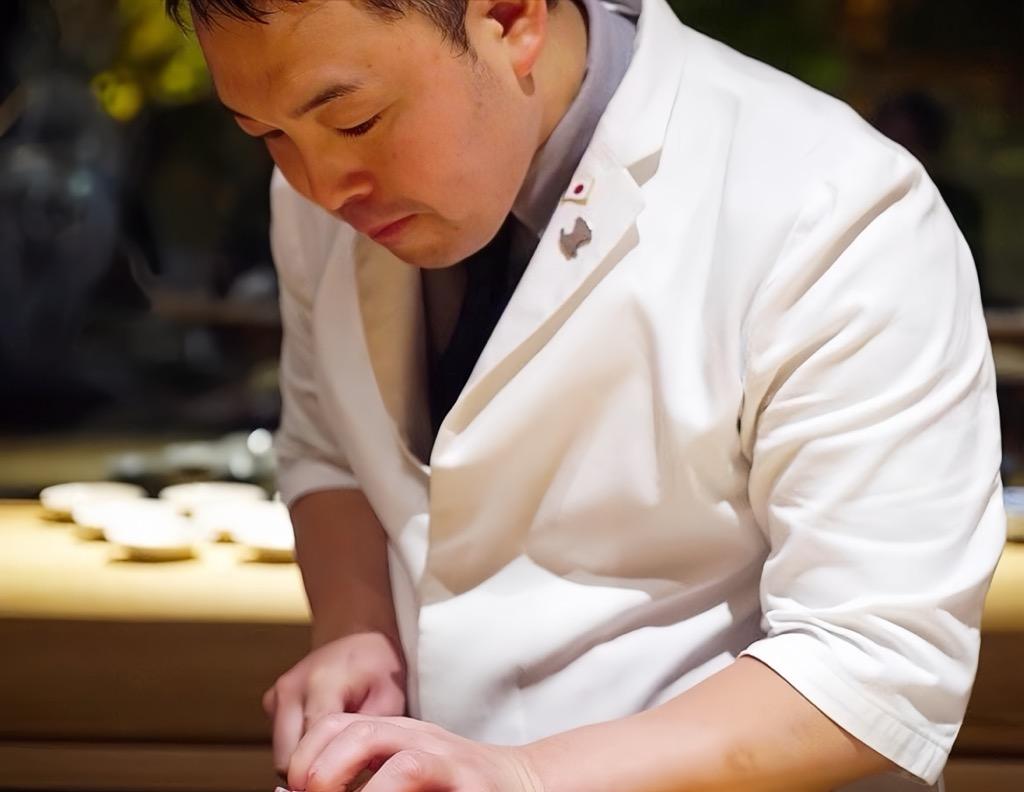
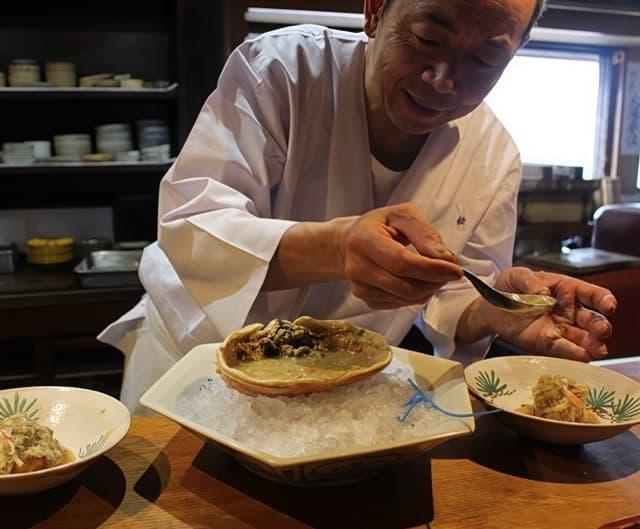
Chef Kazuya Matsuki trained at the now closed Kyoto institution Sakurada, where he spent roughly nine years refining his craft. Sakurada was widely known for its strict standards, particularly regarding dashi, and many of its alumni have gone on to run restaurants that remain firmly above average. After leaving Sakurada, Matsuki opened his own restaurant in Kyoto and operated there for nearly a decade before relocating to Toyama. Today, he runs Oryori Hiwata together with his wife, who handles service. The kitchen and dining room operate as a small, tightly coordinated unit.
The current restaurant occupies a large traditional residence with a site measuring approximately 340 tsubo. Guests remove their shoes before entering and are guided into high ceilinged tatami rooms that emphasize openness and calm. All seating is arranged at tables in Japanese style rooms rather than counters. The building itself carries a strong sense of place, and the quiet presence of the structure contributes significantly to the overall experience, even before food is served.
The cuisine is orthodox Japanese kappo, grounded in careful preparation rather than visual impact. The dashi reflects Matsuki’s Sakurada background, with a clear structure and a gentle sweetness from kombu that never overwhelms. Compared with some Tokyo style Japanese cooking, where flavor edges are pushed more assertively, the approach here remains restrained. Salt is used sparingly, allowing both stock and ingredients to register clearly. While the flavors are calm, the cooking shows evident technique throughout.
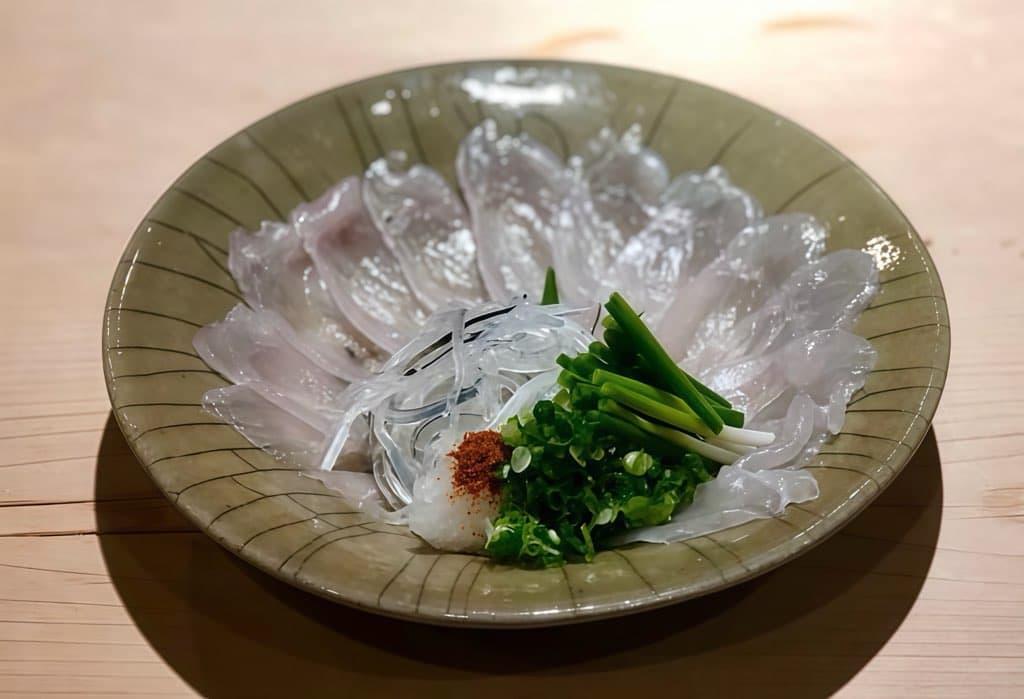
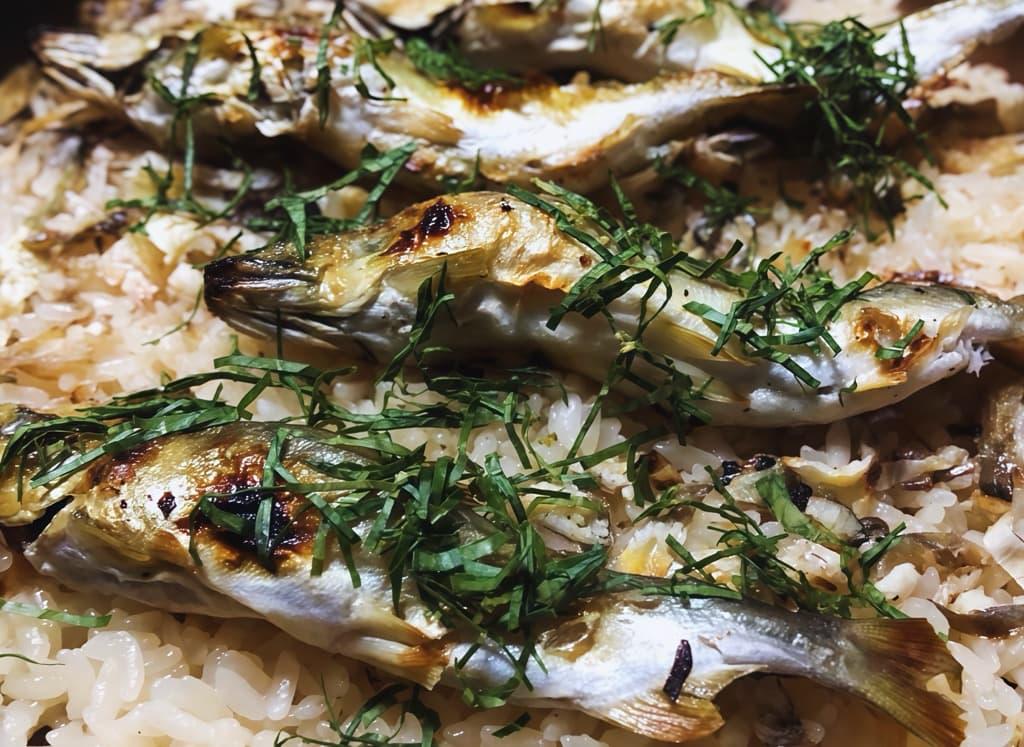
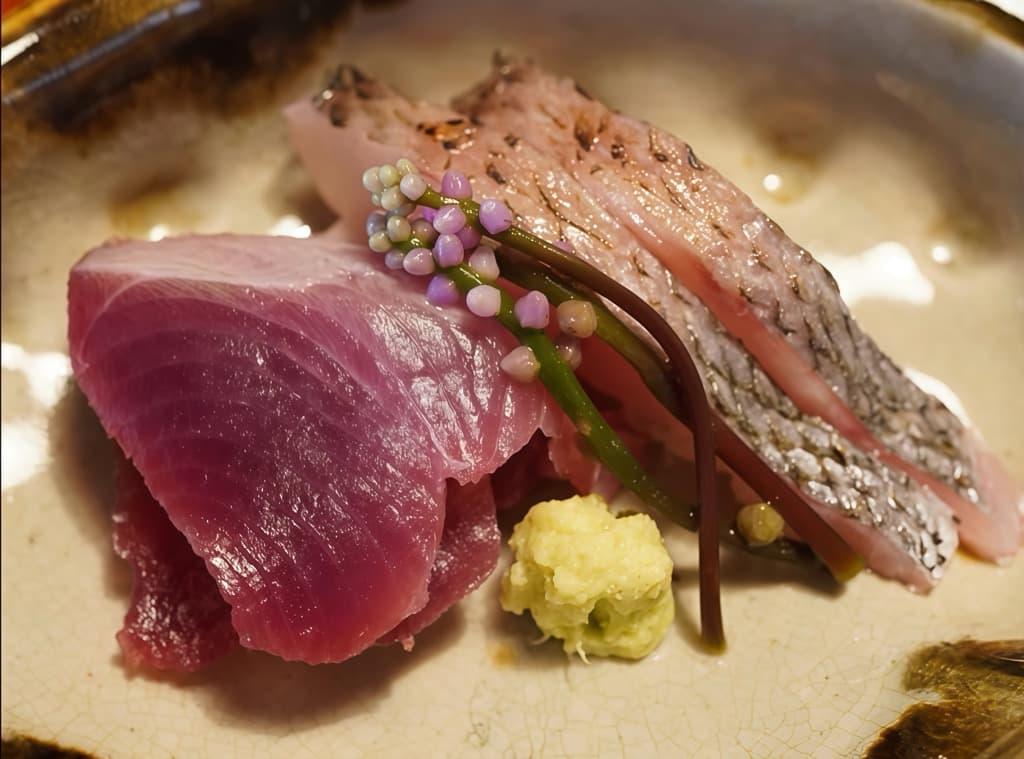
Menus are composed with seasonal completeness in mind. Early summer courses may include hamo, junsai, ayu, Kamo eggplant, and fresh ginger, arranged in a progression that feels natural rather than performative. One example menu opened with yuba shabu shabu accented by locally sourced yuzu zest, followed by a soup of Himi grouper and Tonami turnip, and sashimi featuring striped sea bream and gently steamed abalone. The hassun featured items such as salt grilled Spanish mackerel, lily root fritters, and house made karasumi with daikon. Later dishes included simmered daikon and scallions, before finishing with Yamagata grown Tsuyahime rice accompanied by rich Himi yellowtail. The portion size is moderate, but the structure ensures that the season is experienced fully.
Beyond the food, the experience is defined by balance. Service is attentive without intrusion, led by the proprietress, while the chef maintains a quiet, steady presence. The atmosphere encourages focus on the meal itself, and the pace allows the course to unfold without pressure. Satisfaction builds through progression rather than volume, and the setting reinforces that sense of ease.
Oryori Hiwata is not aimed at diners seeking spectacle or luxury cues. It is best suited for those who value classical Japanese technique, particularly dashi driven cuisine rooted in Kyoto tradition, and who appreciate seasonal structure executed with restraint. The move to Toyama has not altered the core of the restaurant’s cooking. Instead, it has provided a new setting for a style that remains disciplined, consistent, and quietly persuasive.
Courses

Lunch
Lunch Omakase①
Booking fee ¥1,000
Lunch
Lunch Omakase①
Booking fee ¥1,000

Dinner
Dinner Omakase
Booking fee ¥1,000
Restaurant information
| Working Hours | 12:00 - 14:30 18:00 - 21:30 |
|---|---|
| Seats | 8 |
| Payment | Visa, MasterCard, Diners, American Express, Cash |
| Smoking | Not Allowed |
| Alcohol take-in | Not Allowed |
| Phone number | 0763-55-6623 |
| Address | 1633 Takanosu, Tonami-shi, Toyama, Japan |
Location map

2026
September
More counters we can secure for you
Picked by the same team — similar style or nearby.