

Takezaki
Kyoto
Kaiseki
Seasonality Without Explanation
Listed in Tabelog’s Top 5000 and a four year Tabelog Bronze winner from 2017 through 2020, Takezaki sits quietly in Kyoto’s Gosho Minami area, about a five minute walk from Karasuma Oike and within reach of Kyoto Shiyakusho mae as well. It is not the kind of place that tries to win you over with obvious luxury. The draw is simpler and stronger: a compact, carefully run kaiseki counter where regulars have built the reputation over time.
Chef Susumu Takezaki, born in Kyoto Prefecture in 1977, trained for nineteen years at the Kyoto institution Kinobu under third generation head chef Takuji Takahashi before opening his own restaurant in 2015. He runs the place with his wife Naoko, a kikisake shi who also holds a cooking license and builds sake pairings for dinner service. That division of roles defines the restaurant’s character. The food is steady and straightforward, and the drinks are designed to sit neatly alongside it rather than compete for attention.
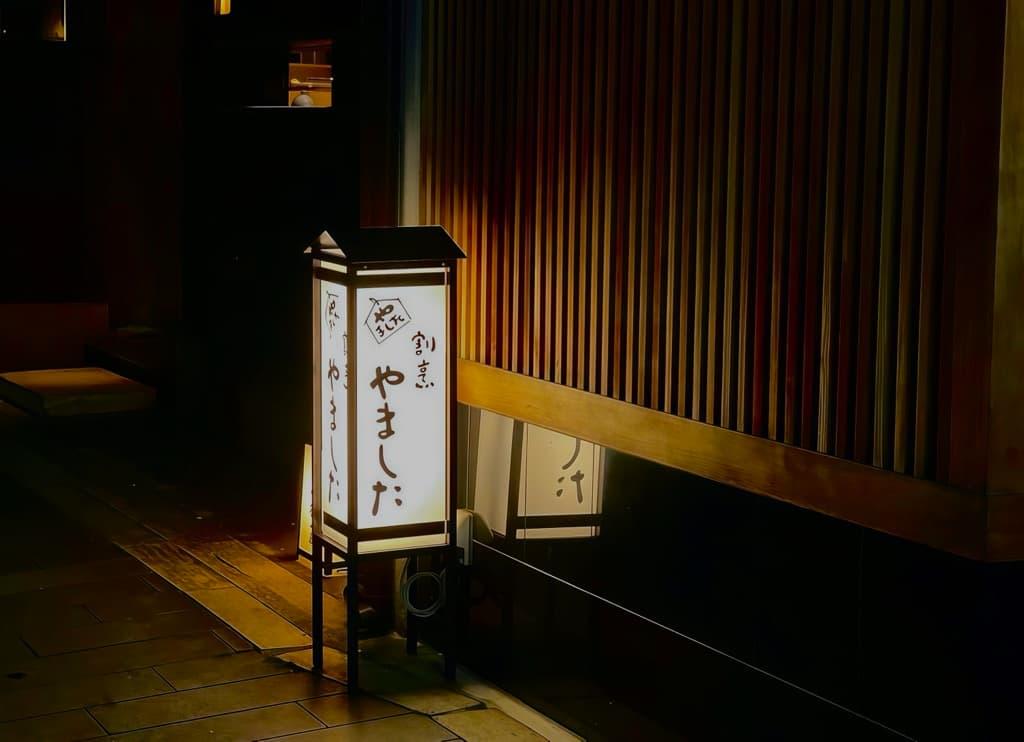
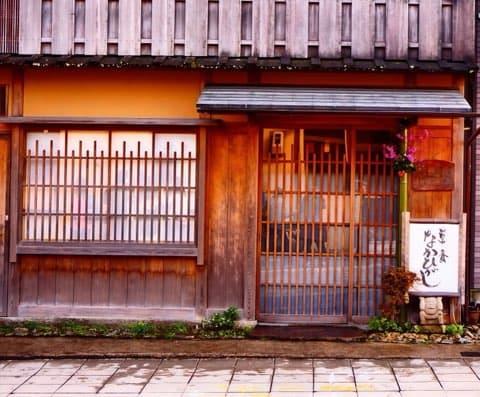
From the street, the white noren makes the entrance easy to spot. Inside, you remove your shoes and step into a renovated machiya. The approach can feel freshly tended, with stone paving and a sense of calm the moment you enter. Seating is small scale, usually a six to seven seat L shaped counter set over tatami in a horigotatsu style, with a view to a tsubo niwa that brings Kyoto’s texture into the room without forcing it. The space is kept in notably clean condition, and seasonal flowers appear in a tokonoma like corner, adding just enough ceremony to match the cooking.
The cooking itself stays close to classic Kyoto kaiseki structure and timing, but lunch in particular shows how little the restaurant compromises. The seasoning is often described as slightly more assertive, in a way that makes sense once you consider that dinner pairings are part of the house style. There is no need for gimmicks here. The work shows up in the preparation, the clarity of dashi, and the way the meal moves from light to rich to settling warmth.
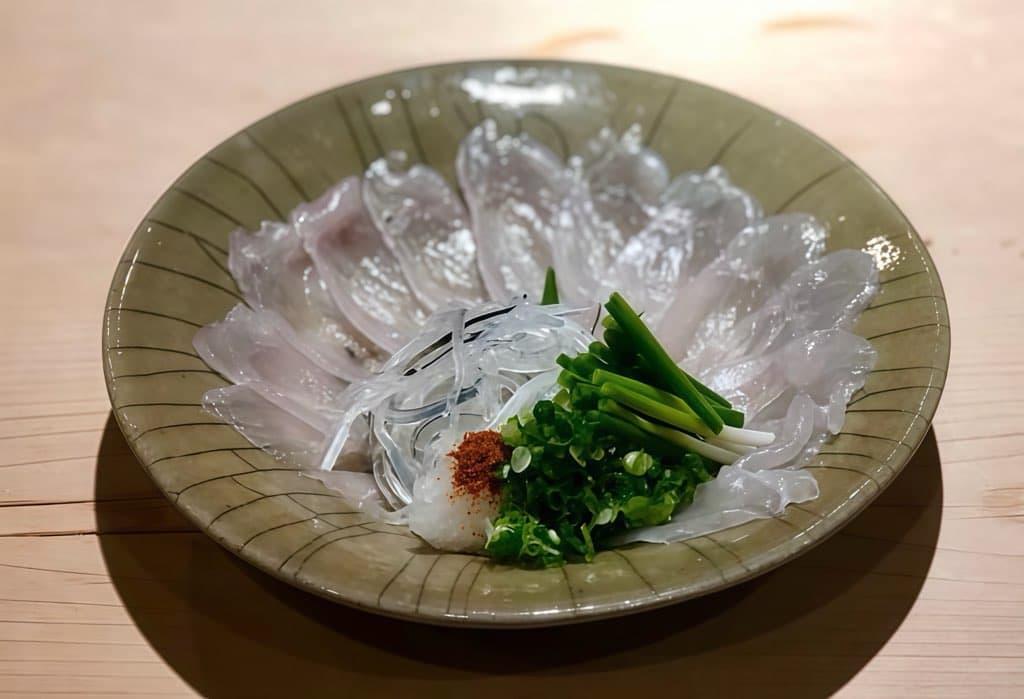
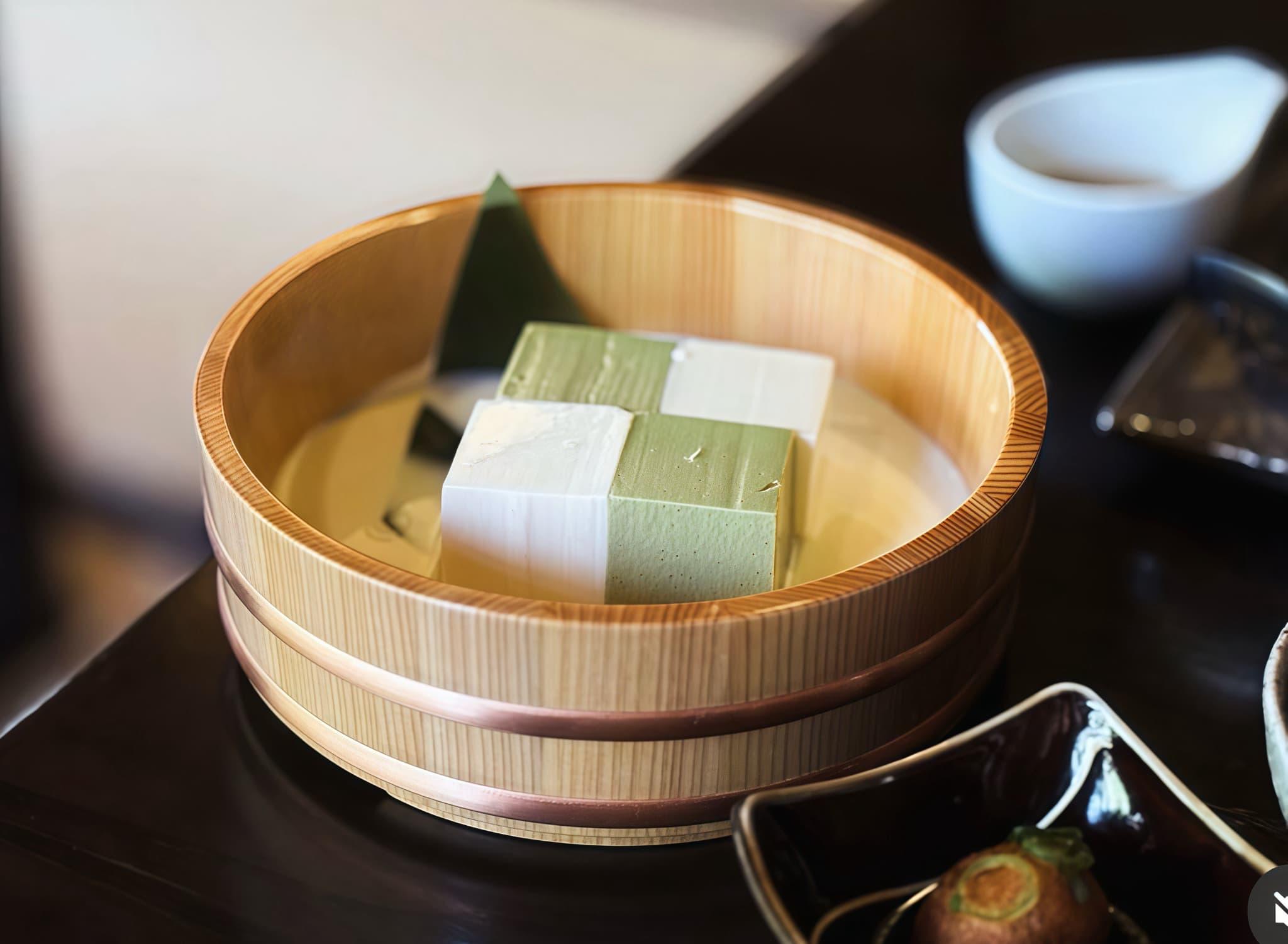
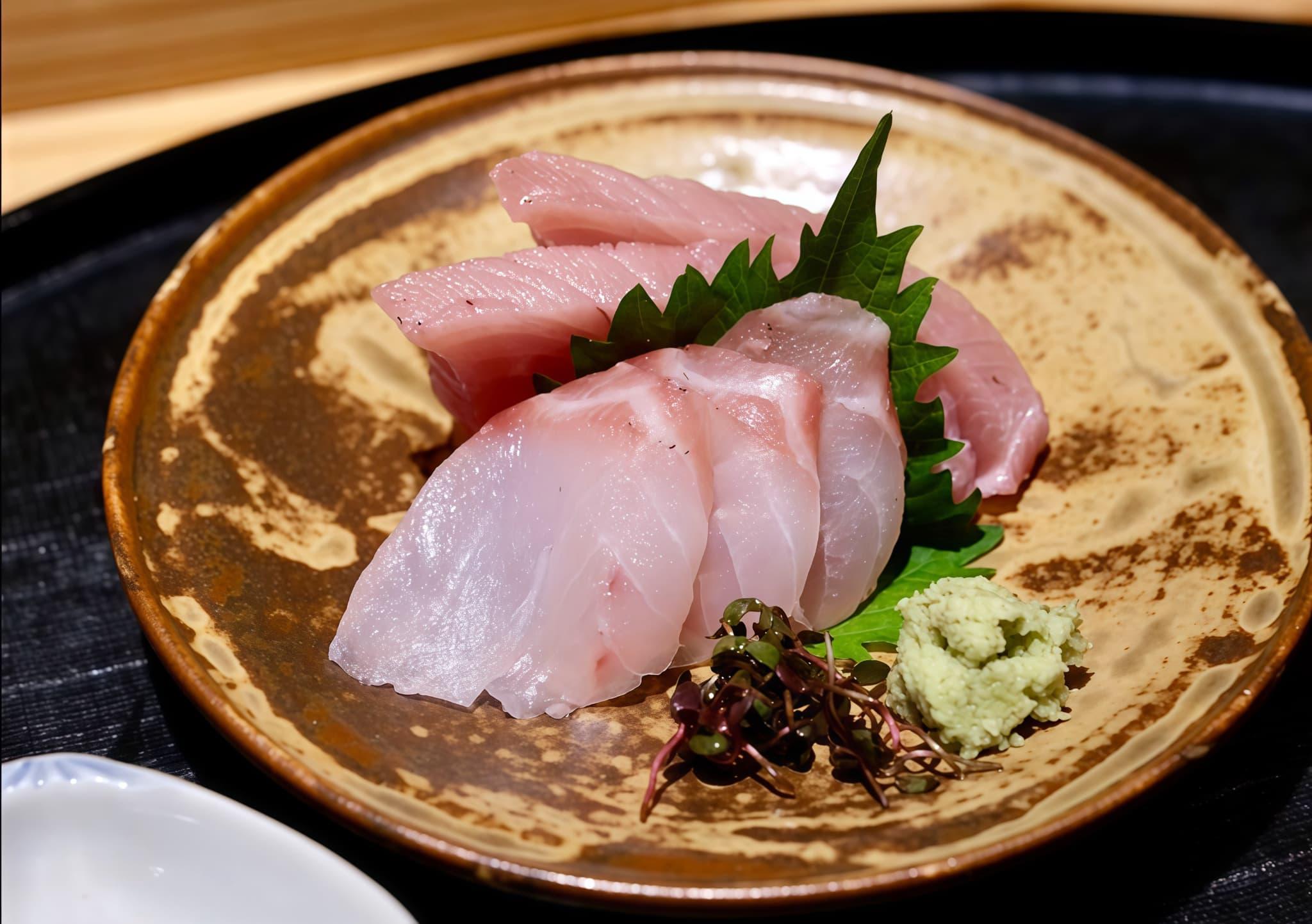
A typical lunch flow starts with a composed starter that leans into seasonality without over explaining it. One example is a white dressed dish of Shine Muscat grapes and pear, finished with sliced almonds. Sashimi can include combinations like meichidai, striped jack, and chutoro, and a lightly seared Spanish mackerel has left a strong impression for its sticky texture and clean bite. For the soup course, there are days when matsutake and hamo appear even at lunch, which signals a willingness to bring seasonal ingredients into the meal without holding back. Simmered dishes can land in the most Kyoto register, such as herring with eggplant, awafu, and green beans, the kind of gentle, familiar composition that still feels deeply satisfying when executed with care.
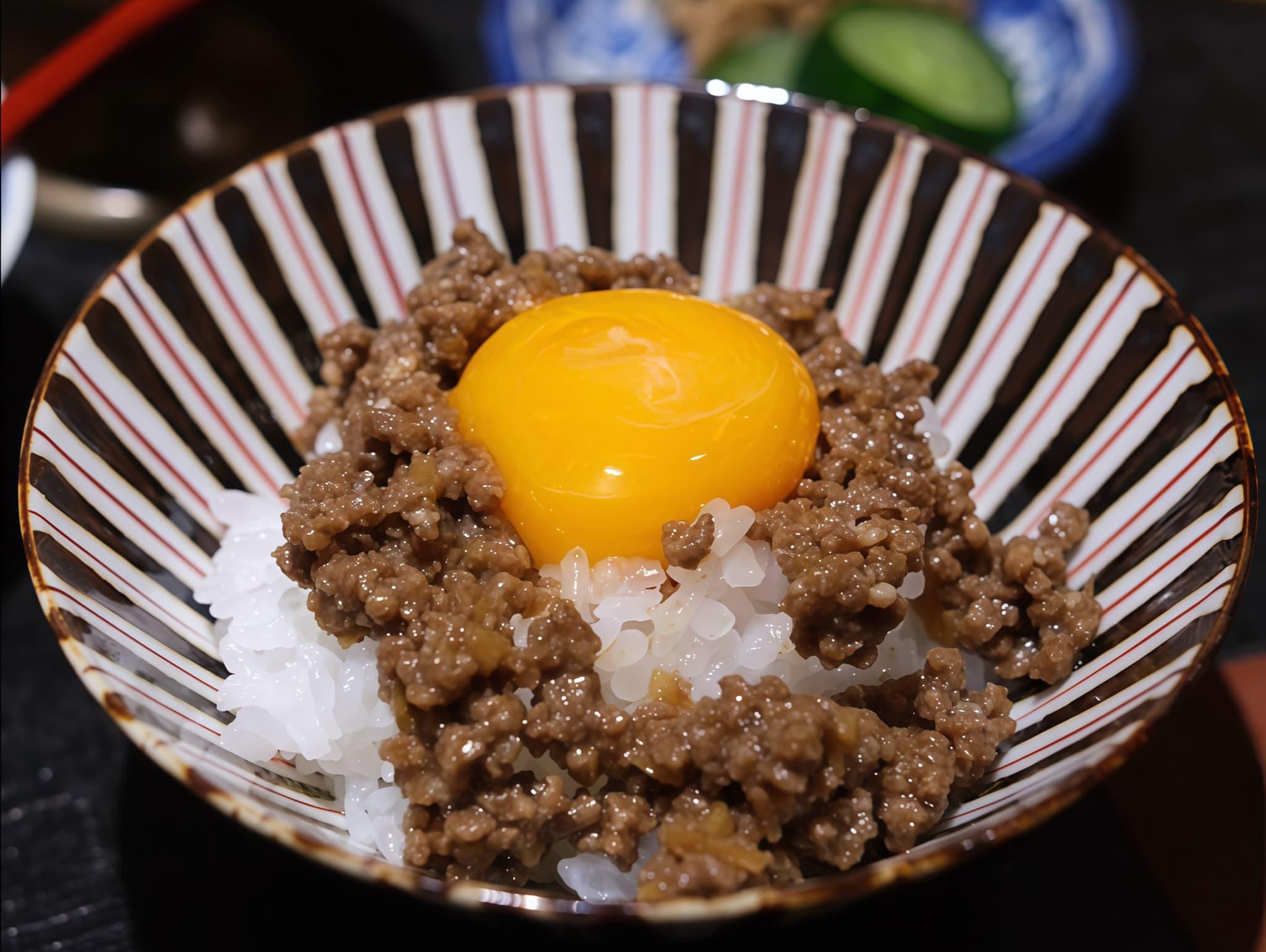
The course can pivot with a noodle interlude, such as Inaniwa udon alongside sudachi and even a fig tempura, a small shift in aroma and temperature that resets the palate. Rice is a recurring strength. There are visits where mushroom and mukago rice closes the meal, and others where donabe rice comes with tai ara ni, pickles, and chirimen sansho that includes enoki for texture. Dessert is not treated as an afterthought either, with combinations like house vanilla ice cream and white wine jelly with grapes and berries, followed by a second sweet such as mizuyokan.
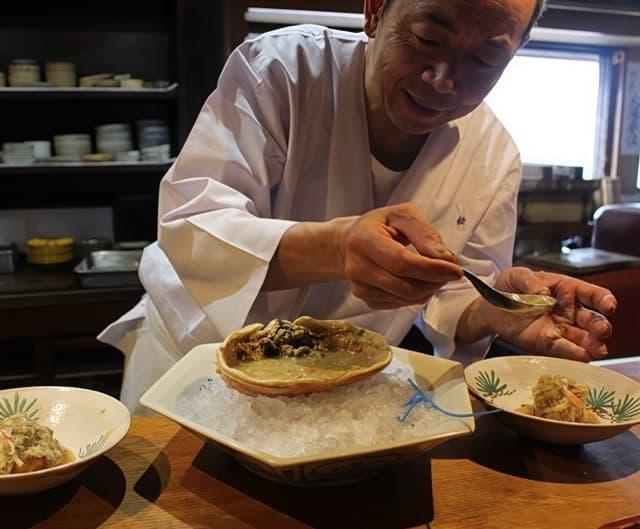
Another menu snapshot shows the restaurant’s core even more clearly. There may be teppai built around monko ika and scallions with tonburi, a chawanmushi enriched with cod milt and Shimonita negi, and a sashimi course served with choices of soy, chirizu, and sea salt. A warm element like hokki gami paired with chirizu highlights how the kitchen thinks about temperature and acidity in a very practical way. The soup might be a crab shinjo with early season vegetables and yuzu, and then the meal leans into comforting Kyoto staples such as saba zushi with senmaizuke and sawara miso yuan yaki. A fried dish like ebimo taro in arare age with a crab ankake adds weight before donabe rice brings everything back to center. The sweet finish can include hojicha ice cream, fresh fruit, and freshly made shiratama with a restrained mitarashi sauce.
One of the most distinctive parts of Takezaki is the Sunday morning breakfast service, offered by reservation only in a narrow window from nine to ten. There is a seasonal breakfast course priced at 3,960 yen, and a 4,950 yen option that adds a drink and dessert. The spread can be unexpectedly generous: hamo and cucumber sunomono, rice with shirasu, a light soup with sea bream and tofu, assorted sashimi, grilled fish, a classic simmered dish like herring and eggplant, and donabe rice. Some accounts mention refills on rice and miso soup, and it is easy to see how someone ends up eating far more than planned. When dessert is added, the quality stays high, with items like plum sorbet and compote alongside more crafted sweets such as a lotus root wagashi or a fruit and herb pairing like peach with mint.
What the visit offers, in practical terms, is a cohesive Kyoto experience without the need for theatrical luxury. You get a machiya setting, tatami comfort, a tsubo niwa view, and a course that moves with discipline: clear soup work, careful fish handling, steady simmered dishes, donabe rice that feels like a signature, and sweets that complete the arc instead of trailing off. With Naoko’s sake credentials and pairing focus, the meal also works especially well for guests who want to drink thoughtfully through the course.
Takezaki suits diners who want a dependable Kyoto kappo, who care about lineage rooted in Kinobu, and who prefer a small, calm counter where the food is the main conversation. It is less suited to anyone looking for flashy luxury cues or obvious spectacle. With the restaurant’s small number of seats and its awards history, it is best approached as a reservation first destination, whether you come for lunch, dinner with pairing, or the uniquely satisfying Sunday morning breakfast.
Courses

Morning
Breakfast Omakase Sun only
Booking fee ¥1,000
Lunch
Lunch Omakase①
Booking fee ¥1,000
Lunch
Lunch Omakase②
Booking fee ¥1,000

Dinner
Dinner Omakas①
Booking fee ¥1,000
Dinner
Dinner Omakas②
Booking fee ¥1,000
Restaurant information
| Working Hours | 09:00 - 10:30 12:00 - 14:30 18:00 - 23:00 |
|---|---|
| Seats | 7 |
| Payment | Visa, MasterCard, Diners, American Express, Cash |
| Smoking | Not Allowed |
| Alcohol take-in | Not Allowed |
| Phone number | +81 75-744-1661 |
| Address | 150 Takeyacho, Nakagyo-ku, Kyoto, Japan |
Location map

2026
September
More counters we can secure for you
Picked by the same team — similar style or nearby.