

Kokyu
Kyoto
Kaiseki
Kyoto Kappo Built on Continuity, Not Reinvention
Located a short walk from Demachiyanagi Station, close to Shimogamo Shrine and Kamigamo Shrine, Kokyu stands as a direct successor to the now closed Kyoto kaiseki institution Sakurada. Since opening in 2015, it has steadily earned the trust of Kyoto’s serious diners, particularly those familiar with Sakurada’s legacy. In 2017, the restaurant was awarded one Michelin star. Rather than positioning itself as a destination restaurant for visitors, Kokyu functions as a deeply local kappo, rooted in Kyoto’s everyday culinary culture. A full course takes roughly two hours, with a pace that feels measured and deliberate.
Chef Sho Maeda trained for many years at Sakurada, where he was closely involved in carrying the restaurant’s standards and execution. After Sakurada closed, he spent time working with a fish wholesaler and cooking as a private chef before opening Kokyu at the age of thirty three. His cooking does not aim to reinterpret Kyoto cuisine or introduce novelty for its own sake. Instead, it reflects a quiet commitment to the fundamentals he learned at Sakurada, particularly preparation, dashi, and restraint in seasoning. The result is a style that feels continuous rather than corrective.
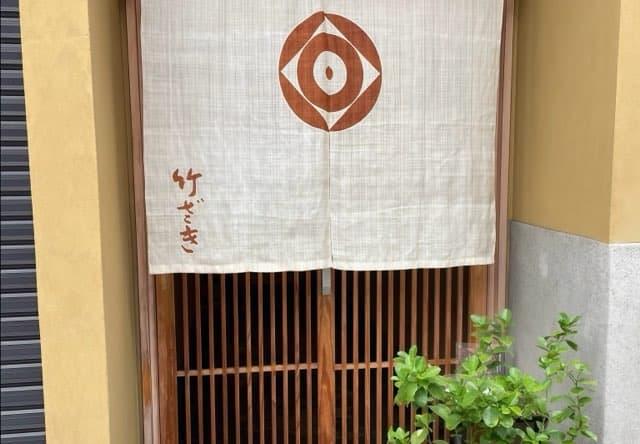
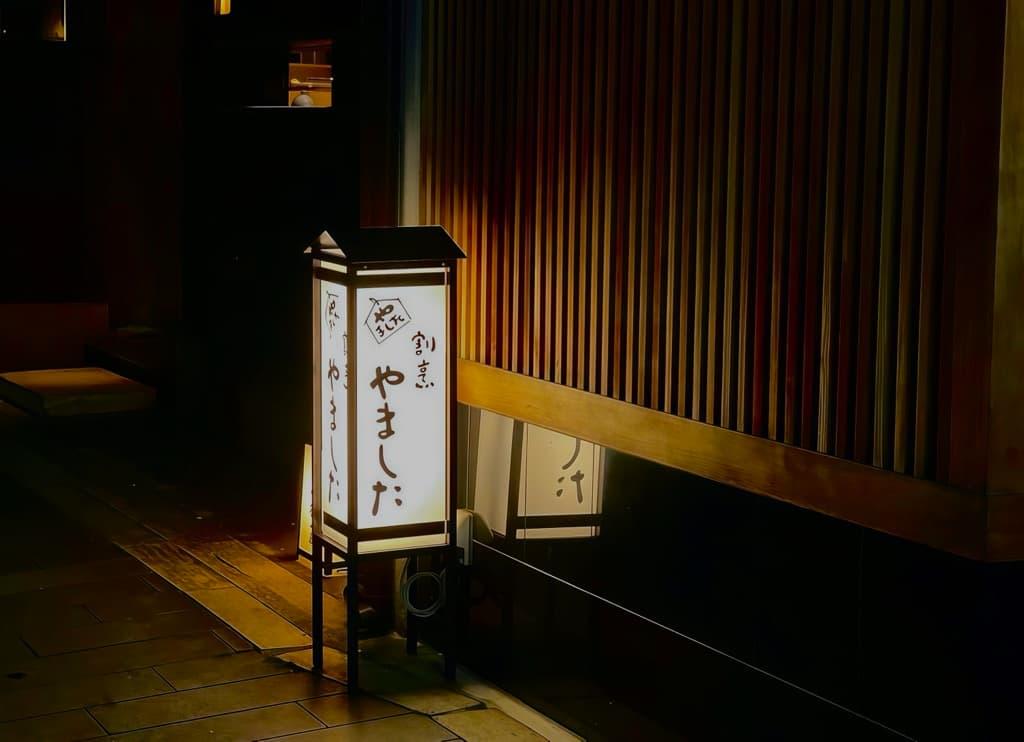
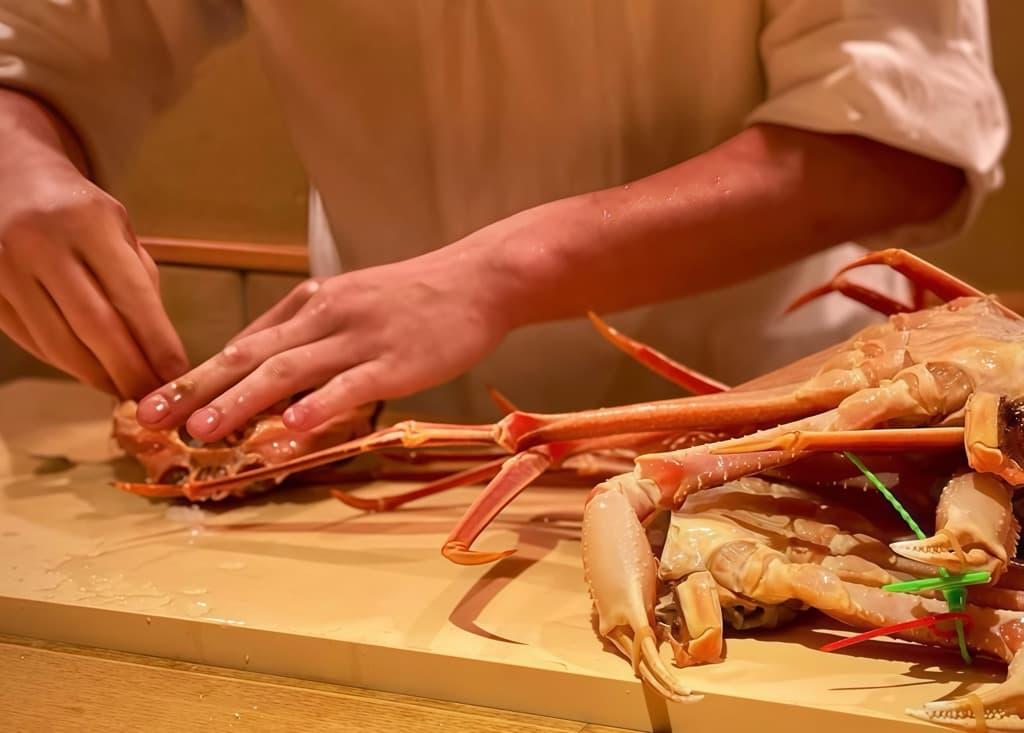
The restaurant occupies a renovated machiya townhouse, marked by a vivid blue noren at the entrance. Inside, a nine seat white wood counter stretches through a narrow space that opens toward a small inner garden. Bamboo ceilings, solid chestnut flooring, and minimal decoration create a calm, composed atmosphere. There is a single private room, but the restaurant is designed primarily around counter seating, where the chef’s movements and plating remain clearly visible. The space favors clarity over drama.
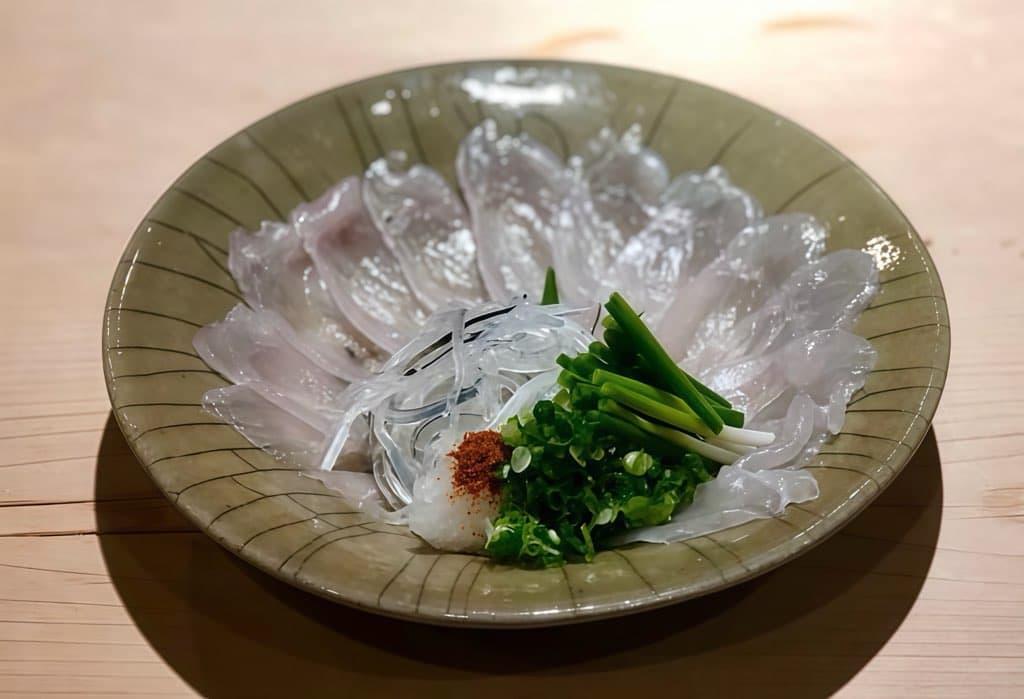
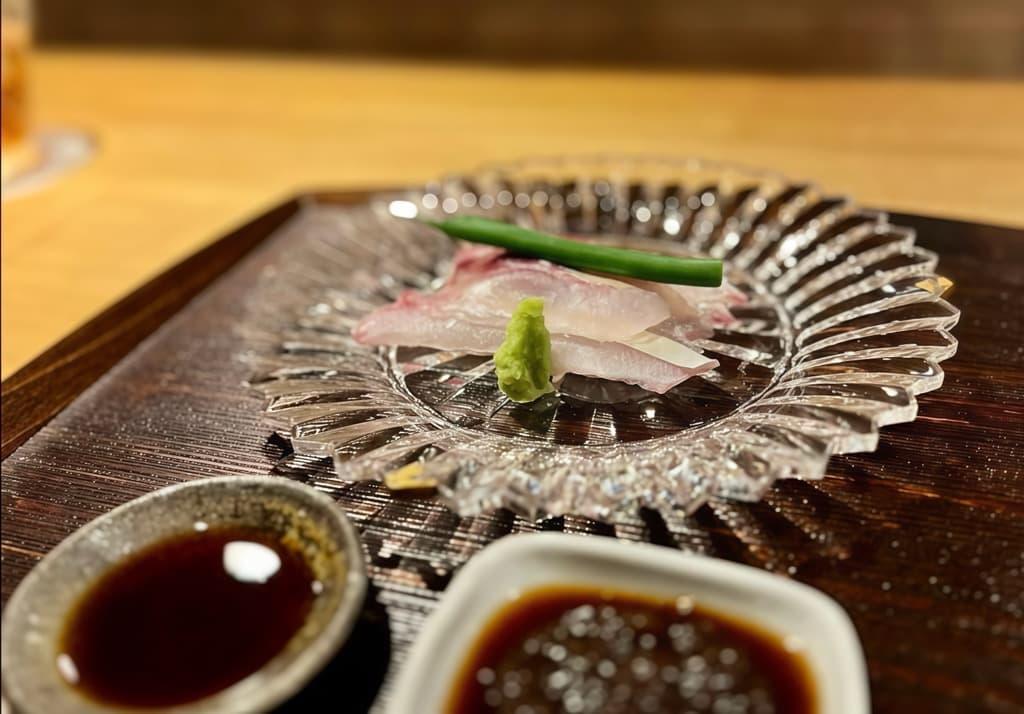
At the core of Kokyu’s cooking is precision. The dashi is clean and expressive, without excess kombu aroma or muddiness. Fish handling is especially careful. Common issues often found elsewhere, such as residual chlorine notes or over reliance on kelp curing, are notably absent. Sea bream, for example, is cut and rested with accuracy, allowing texture and sweetness to emerge naturally. The cuisine avoids overt techniques or strong flavors, instead relying on exact timing, temperature control, and ingredient condition.
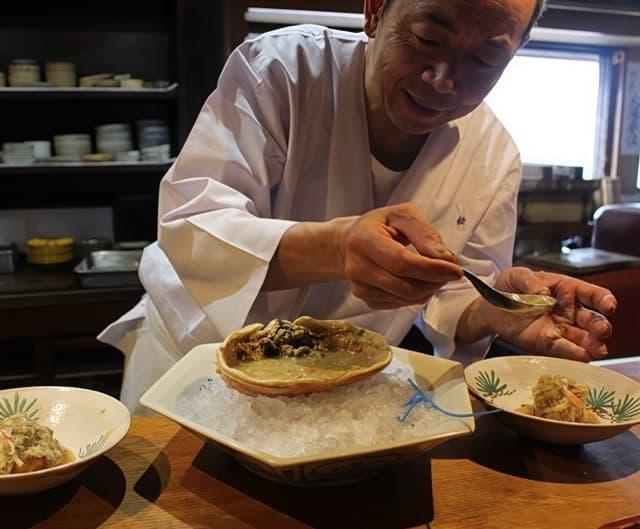
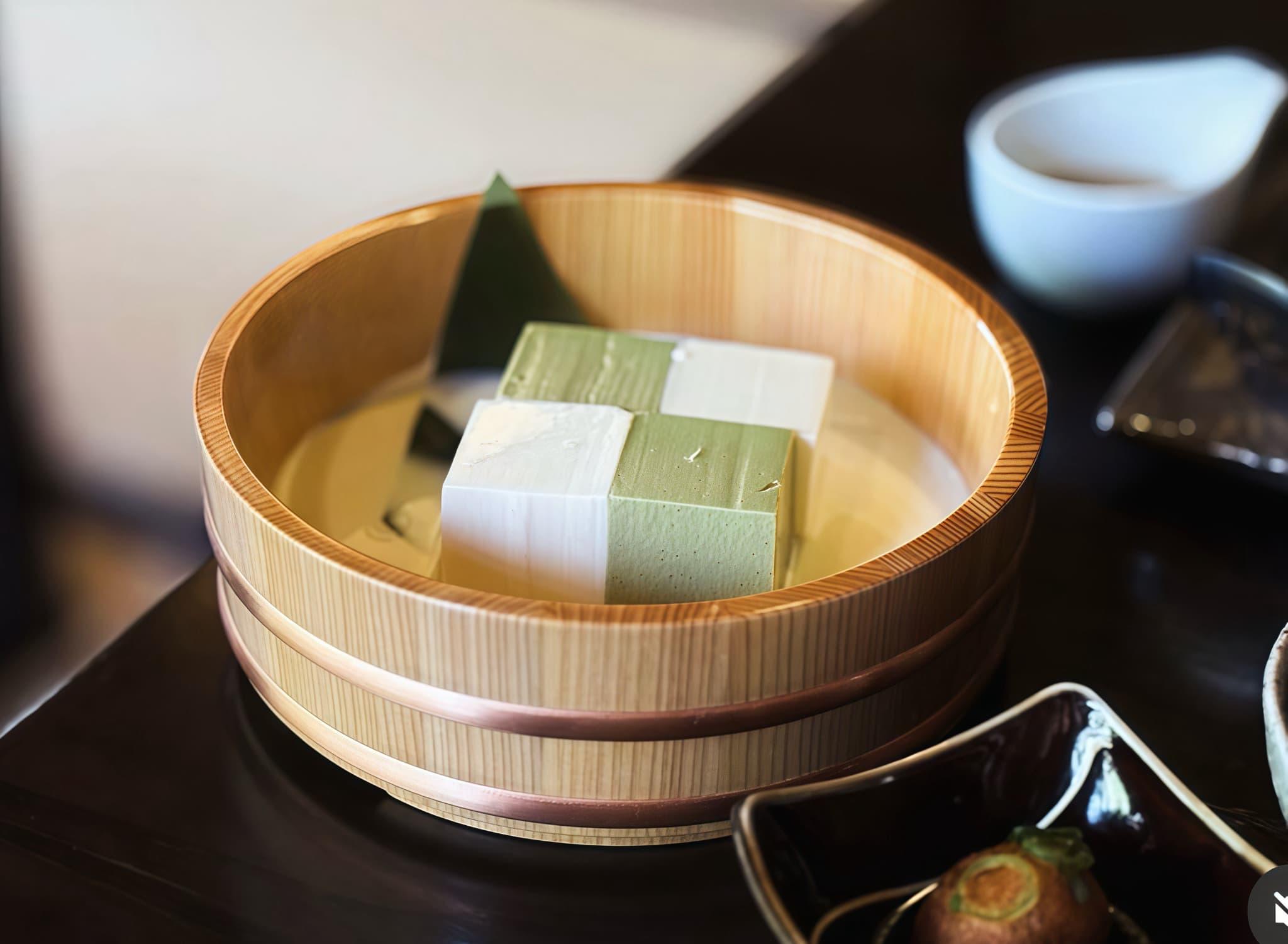
The omakase course follows a traditional kappo structure, moving from small opening dishes through soup, sashimi, hassun, grilled items, rice, and dessert. A June menu may begin with goma dofu made from true bracken starch, paired with uni from Oma, balancing elasticity and aroma. A clear soup of pike conger delivers firm portions and depth built on kombu dashi. Sea bass from Awaji, delivered live, is served with chiri vinegar to highlight its sweetness and resilient texture. The hassun typically reflects the season in both composition and color, incorporating elements such as Kyoto style aji sushi, corn rice cakes, edamame, shrimp, and fruit dressed lightly in white sesame. Grilled ayu is presented whole, emphasizing fragrance and muscle integrity. Kamo eggplant with white miso sauce relies on the gentle sweetness of Yamari miso, integrated carefully with stock. The final rice dish, featuring new ginger and Manganji chili pepper, appears simple but reveals significant preparation in balance and texture.
The experience at Kokyu does not rely on overt theatricality or explanation. Instead, the sense of season and place emerges naturally through the progression of dishes. The restaurant presents Kyoto cuisine not as spectacle, but as a practiced daily language, refined through repetition and discipline.
Kokyu is not intended for diners seeking obvious luxury or immediate visual impact. It is best suited for those who want to understand the technical foundation of Kyoto kappo cooking, particularly the importance of dashi, fish handling, and seasonal composition. For diners familiar with Sakurada, it offers continuity. For those looking to deepen their understanding of Kyoto cuisine, it provides clarity. It is the kind of restaurant valued not for excitement, but for reliability, and for the confidence that comes from restraint done
Courses

Dinner
Lunch Omakass
Booking fee ¥1,000

Lunch
Omakase
Booking fee ¥1,000
Dinner
Omakase
Booking fee ¥1,000
Restaurant information
| Working Hours | 12:00〜 18:00〜 |
|---|---|
| Seats | 9 |
| Payment | Cash |
| Smoking | Not Allowed |
| Alcohol take-in | Not Allowed |
| Phone number | 075-746-4375 |
| Address | 204 Seiryucho, Kamigyo-ku, Kyoto, Japan |
Location map

2026
September
More counters we can secure for you
Picked by the same team — similar style or nearby.