

Tokuwo
Kyoto
Kaiseki
Kyoto Cooking, Stripped to Its Core
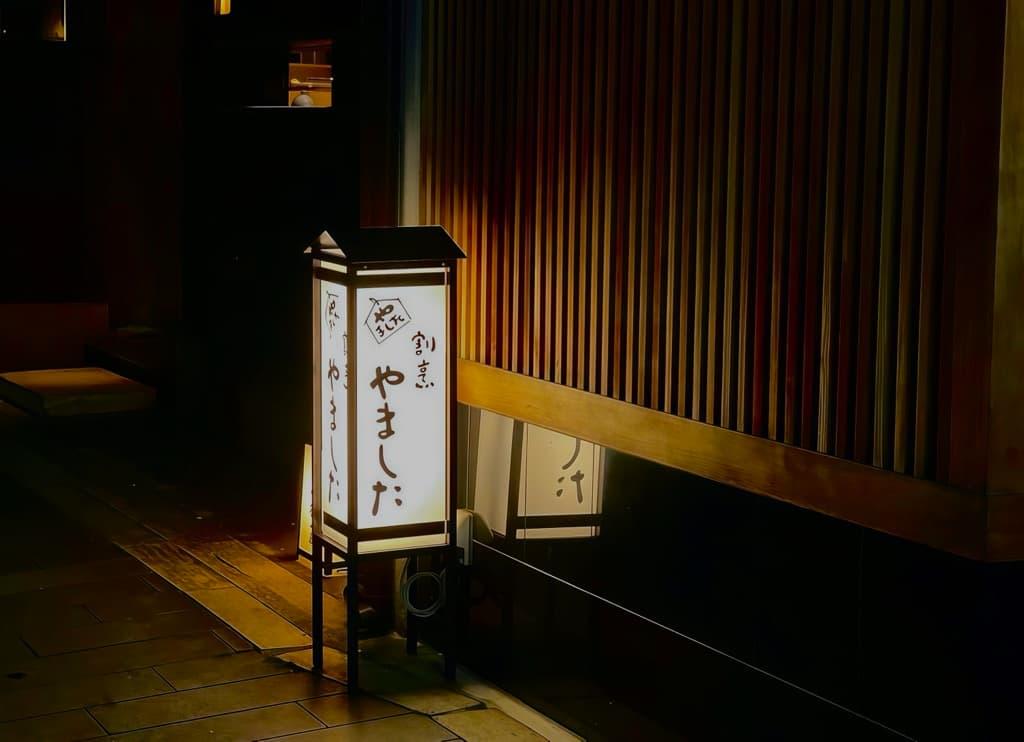
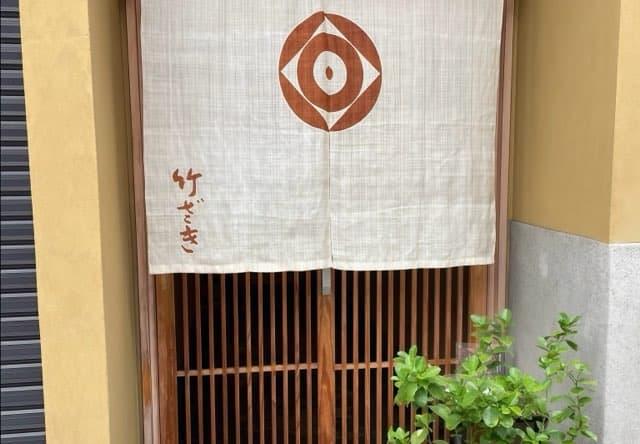
Tucked along Kiyamachi Street, between the Kamogawa and Takase rivers, tokuwo sits in a part of Kyoto that still feels lived in rather than staged. It’s the kind of location that sets expectations quietly. Nothing flashy, nothing performative. Just a sense that the cooking here is meant to speak for itself.
The restaurant takes its name from its chef and owner, Shinji Tokuo, a Kyoto native who spent a decade training at the venerable Tankuma Kitamise, with further experience at Iname. His background shows not in grand gestures but in restraint. This is cooking shaped by classical Kyoto sensibilities, refined through repetition and discipline, then translated into a style that feels confident without trying to modernize for effect.
Inside, a substantial keyaki wood counter anchors the space, with delicate wooden latticework overhead. The atmosphere is calm and functional, and the plating follows suit. White ceramics and glassware keep things visually cool, but the flavors themselves carry more contrast than traditional Kyoto cuisine often allows. Rather than flowing in a single gentle tone, the course is built with intention, each dish given its own weight and role.
Dinner is where tokuwo truly reveals its character. The full omakase course spans thirteen dishes, with portions kept modest so the meal never feels heavy, even as it unfolds at length. It’s a structure designed for focus. You’re encouraged to pay attention not just to the ingredients, but to how temperature, texture, and intensity shift from dish to dish.
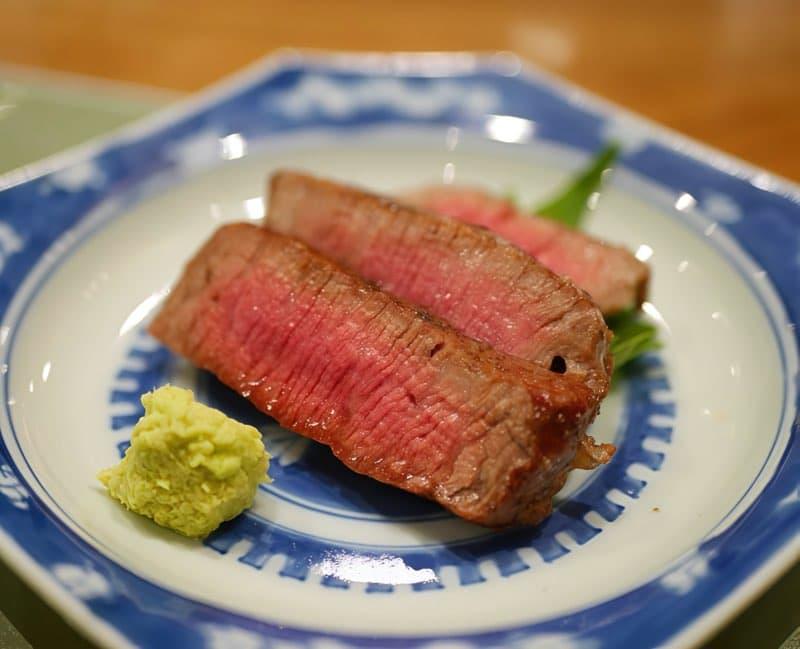
A defining element of the course is charcoal grilling. Both fish and meat pass over the same grill, and that choice is deliberate. Grilling is a simple technique on the surface, but it leaves no room to hide mistakes. Here, it becomes a measure of skill. Whether it’s sweetfish, tilefish, or Japanese beef tenderloin, the results are consistently precise, with clean aromas and carefully judged heat.
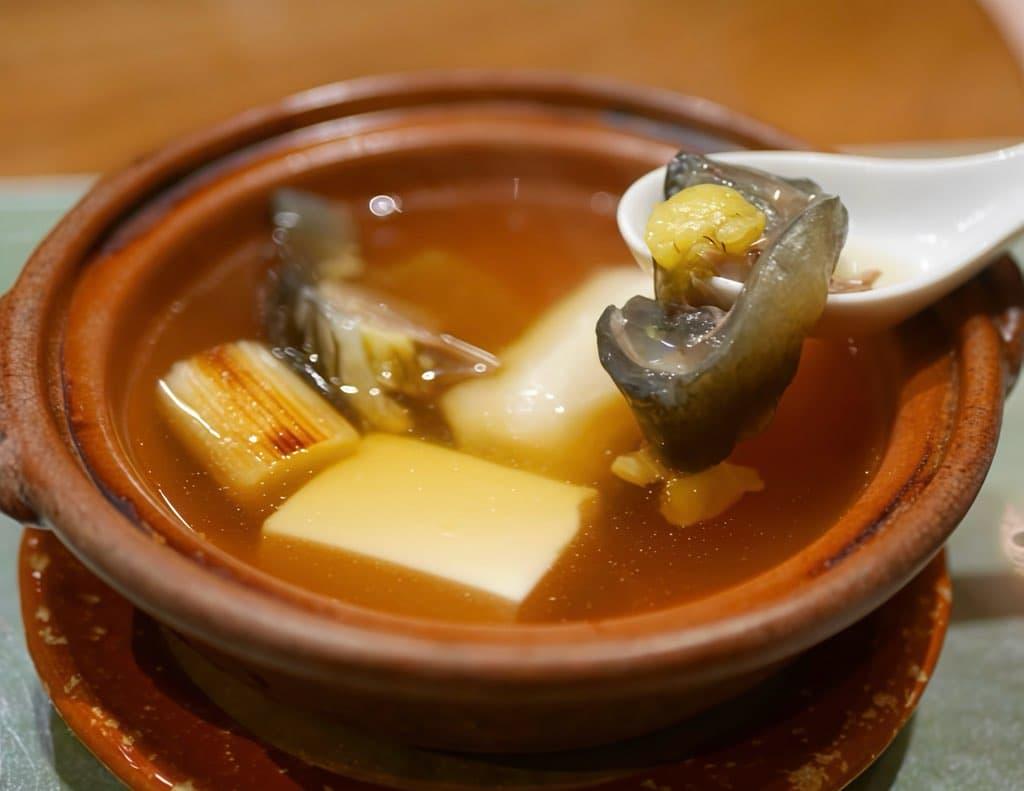
Soft-shelled turtle is another cornerstone of the kitchen. It may appear as a hot pot or integrated into other preparations, but the constant is the broth. Rich without being muddy, deep yet remarkably smooth, it reflects a level of control that only comes from long familiarity with Kyoto-style stock making. Among restaurants in the Tankuma lineage, tokuwo’s turtle dishes stand out for their clarity and balance.
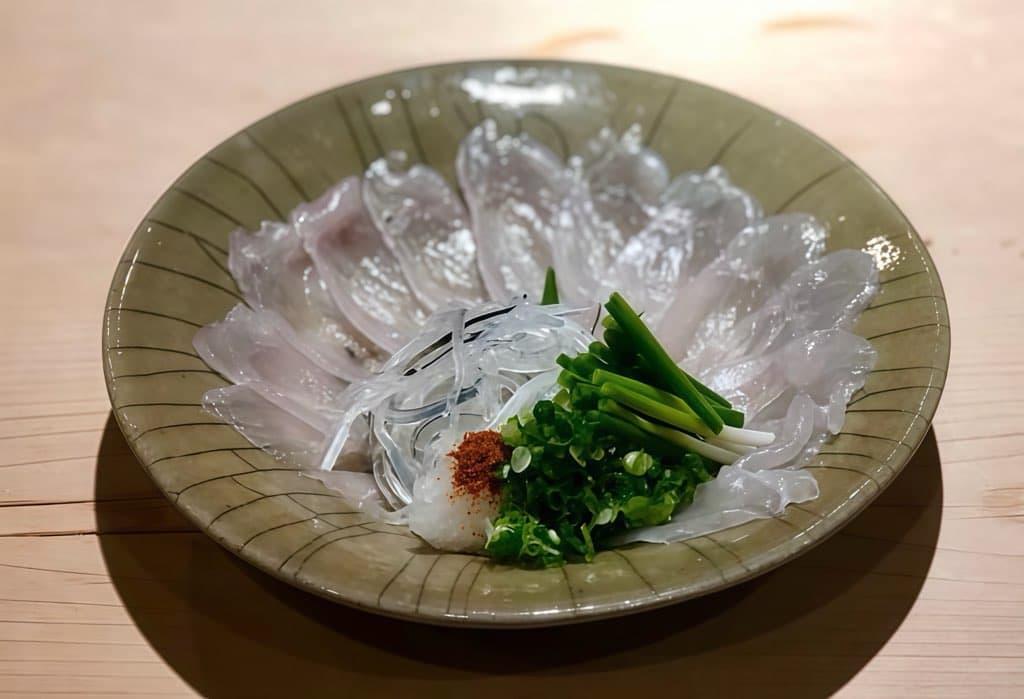
Seasonality is handled with the same directness. In summer, pike conger takes center stage. Rather than chilling it aggressively, tokuwo often serves hamo while it still carries warmth, allowing its natural sweetness to come forward. The bone-cutting is flawless, with none of the graininess that can plague lesser preparations. Whether grilled or formed into sushi alongside sea bream, the treatment is confident and unforced.
One dish that frequently leaves a strong impression is the eel and cucumber vinegar preparation. The eel is grilled over charcoal until the skin crisps, while the flesh remains rich and hot. Paired with cool cucumber, it resets the palate beautifully after heavier grilled items. It’s a small dish, but one that reveals how carefully the course is paced.
tokuwo also offers a nine-dish short course for those who prefer a lighter meal, but even there, the core ideas remain intact. The full dinner, however, is where the restaurant feels most complete. At its current price point, it avoids overt value signaling, yet in today’s Kyoto dining landscape, the balance between quantity, technique, and ingredient quality feels unusually honest.
This is not a restaurant chasing attention. tokuwo relies on fundamentals: strong stock, disciplined grilling, and a clear understanding of seasonality. Combined with the quiet warmth of the service, it’s a place that welcomes first-time guests without diluting its identity. For diners looking to experience a deeply grounded expression of Kyoto cuisine at night, tokuwo remains a compelling choice.
The restaurant takes its name from its chef and owner, Shinji Tokuo, a Kyoto native who spent a decade training at the venerable Tankuma Kitamise, with further experience at Iname. His background shows not in grand gestures but in restraint. This is cooking shaped by classical Kyoto sensibilities, refined through repetition and discipline, then translated into a style that feels confident without trying to modernize for effect.
Inside, a substantial keyaki wood counter anchors the space, with delicate wooden latticework overhead. The atmosphere is calm and functional, and the plating follows suit. White ceramics and glassware keep things visually cool, but the flavors themselves carry more contrast than traditional Kyoto cuisine often allows. Rather than flowing in a single gentle tone, the course is built with intention, each dish given its own weight and role.
Dinner is where tokuwo truly reveals its character. The full omakase course spans thirteen dishes, with portions kept modest so the meal never feels heavy, even as it unfolds at length. It’s a structure designed for focus. You’re encouraged to pay attention not just to the ingredients, but to how temperature, texture, and intensity shift from dish to dish.
A defining element of the course is charcoal grilling. Both fish and meat pass over the same grill, and that choice is deliberate. Grilling is a simple technique on the surface, but it leaves no room to hide mistakes. Here, it becomes a measure of skill. Whether it’s sweetfish, tilefish, or Japanese beef tenderloin, the results are consistently precise, with clean aromas and carefully judged heat.
Soft-shelled turtle is another cornerstone of the kitchen. It may appear as a hot pot or integrated into other preparations, but the constant is the broth. Rich without being muddy, deep yet remarkably smooth, it reflects a level of control that only comes from long familiarity with Kyoto-style stock making. Among restaurants in the Tankuma lineage, tokuwo’s turtle dishes stand out for their clarity and balance.
Seasonality is handled with the same directness. In summer, pike conger takes center stage. Rather than chilling it aggressively, tokuwo often serves hamo while it still carries warmth, allowing its natural sweetness to come forward. The bone-cutting is flawless, with none of the graininess that can plague lesser preparations. Whether grilled or formed into sushi alongside sea bream, the treatment is confident and unforced.
One dish that frequently leaves a strong impression is the eel and cucumber vinegar preparation. The eel is grilled over charcoal until the skin crisps, while the flesh remains rich and hot. Paired with cool cucumber, it resets the palate beautifully after heavier grilled items. It’s a small dish, but one that reveals how carefully the course is paced.
tokuwo also offers a nine-dish short course for those who prefer a lighter meal, but even there, the core ideas remain intact. The full dinner, however, is where the restaurant feels most complete. At its current price point, it avoids overt value signaling, yet in today’s Kyoto dining landscape, the balance between quantity, technique, and ingredient quality feels unusually honest.
This is not a restaurant chasing attention. tokuwo relies on fundamentals: strong stock, disciplined grilling, and a clear understanding of seasonality. Combined with the quiet warmth of the service, it’s a place that welcomes first-time guests without diluting its identity. For diners looking to experience a deeply grounded expression of Kyoto cuisine at night, tokuwo remains a compelling choice.
Courses

Lunch
Lunch Omakase(Closed Tue)
Booking fee ¥1,000
JPY10,800
(Tax Incl.)

Dinner
Short Omakase
Booking fee ¥1,000
JPY16,200
(Tax Incl.)
Dinner
Omakase
Booking fee ¥1,000
JPY24,000
(Tax Incl.)
Restaurant information
| Working Hours | 12:00 - 14:00 18:00 - 22:00 |
|---|---|
| Seats | 10 |
| Payment | Visa, MasterCard, Diners, American Express, Cash |
| Smoking | Not Allowed |
| Alcohol take-in | Not Allowed |
| Phone number | 075-351-3906 |
| Address | 151 Tennocho, Shimogyo-ku, Kyoto, Japan |
Location map
Request
Instant Reservation
2026
October
M
T
W
T
F
S
S
27
28
29
1
2
3
4
5
6
7
8
9
10
11
12
13
14
15
16
17
18
19
20
21
22
23
24
25
26
27
28
29
30
31
Checking request availability…
Checking request availability…
More counters we can secure for you
Picked by the same team — similar style or nearby.