

Sojiki Nakahigashi
Kyoto
Kaiseki
Mountain Cuisine, Taken to Its Logical End
Located near the gate of Ginkakuji in Kyoto, Sojiki Nakahigashi has built its reputation on a clearly defined culinary approach since opening in 1997. While many established kaiseki restaurants in Kyoto operate on an introduction only basis, Nakahigashi has consistently welcomed first time guests as well. That openness, combined with a cuisine unlike any other in the city, has led to its current standing as a Michelin two star restaurant.
Chef Hisao Nakahigashi was born into the world of mountain cuisine at Miyamaso, the renowned ryokan in Hanase. Trained under his elder brother Yoshiji Nakahigashi, he later served as head chef of Miyamaso following his brother’s sudden passing. After his nephew returned from his own apprenticeship, Nakahigashi left Miyamaso at the age of forty five and opened his own restaurant near Ginkakuji.
The food at Sojiki Nakahigashi reflects this background directly, combining the culinary foundations of Miyamaso with Nakahigashi’s personal sensibility.
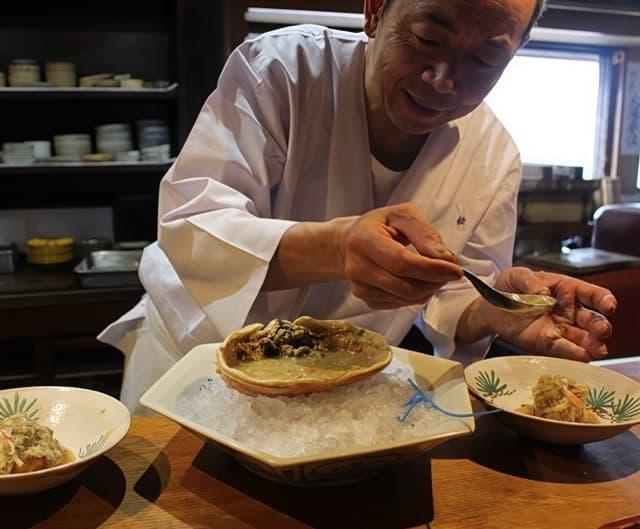
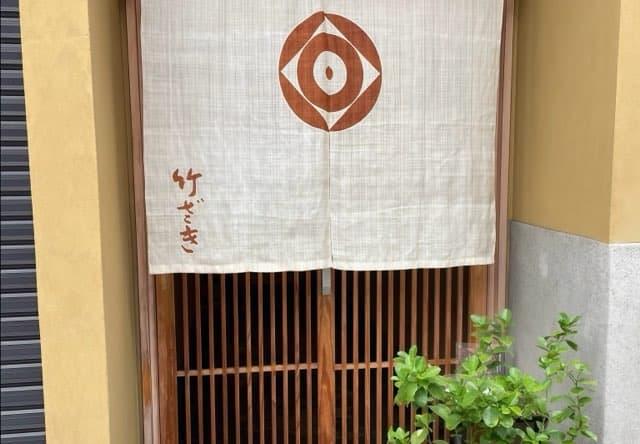
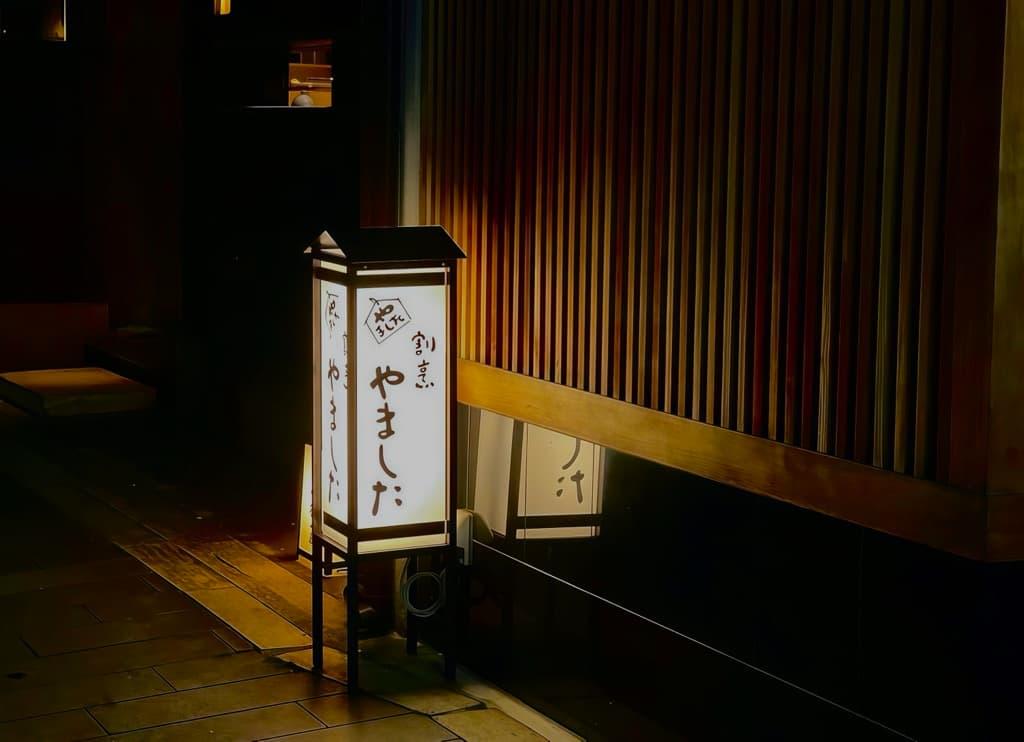
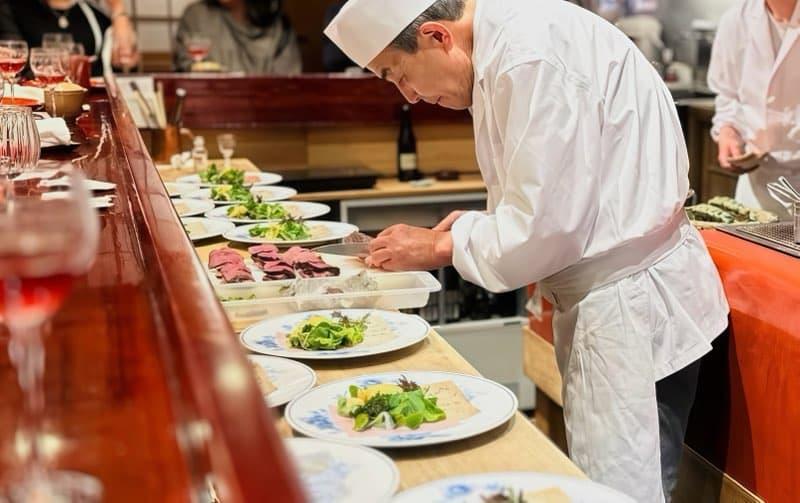
The exterior of the restaurant is deliberately understated. Inside, however, the atmosphere is carefully composed. Water is sprinkled across the stone floor, which is kept dark and polished. A vermilion lacquered counter defines the space, and at the heart of the kitchen sits an okudosan, a traditional wood fired stove. The cooking area is positioned lower than the counter seats, allowing guests to observe every stage of preparation without obstruction. The design blends earthen floor elements with a counter style kaiseki setting, creating a sense of quiet separation from everyday life.
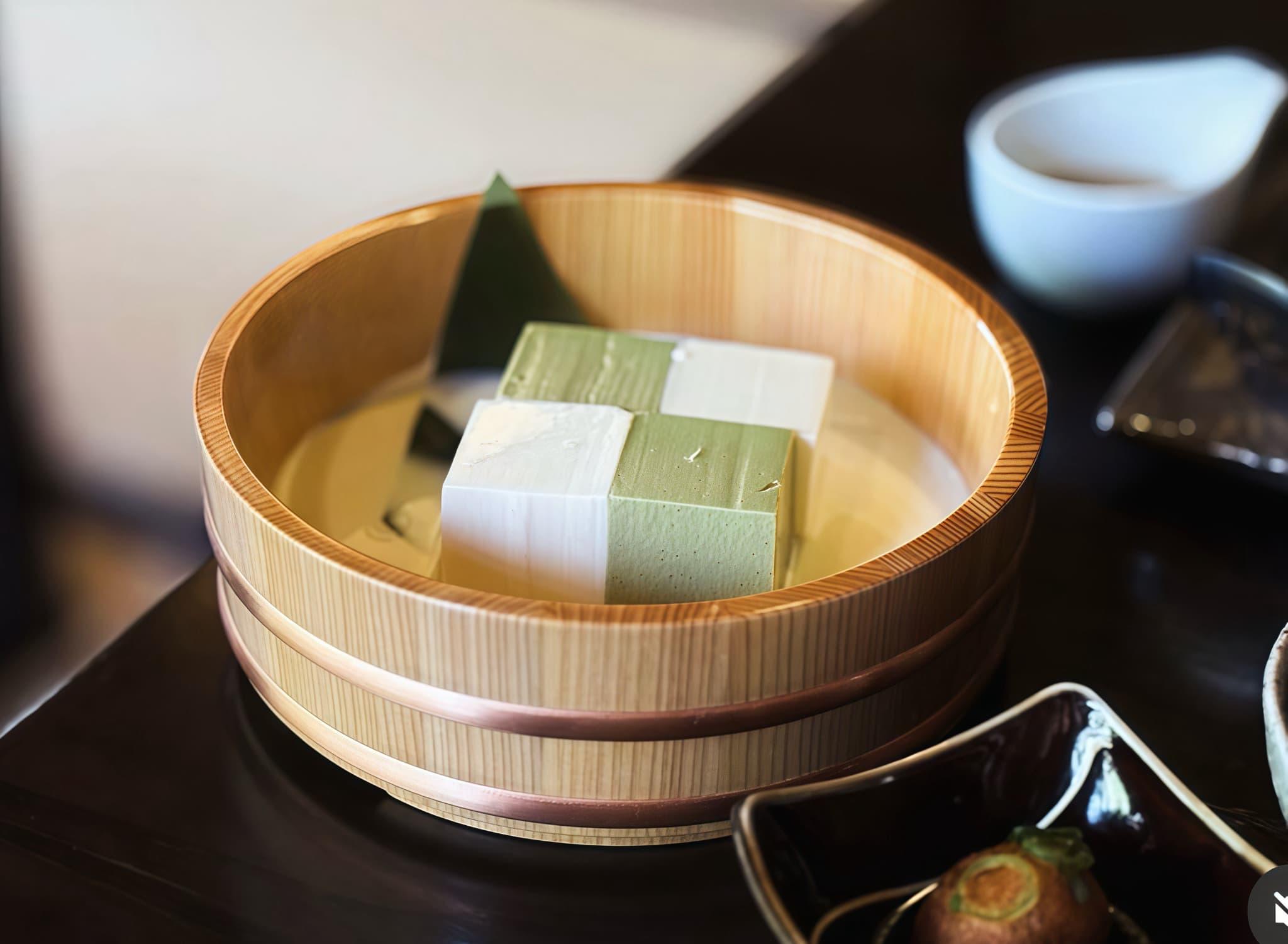
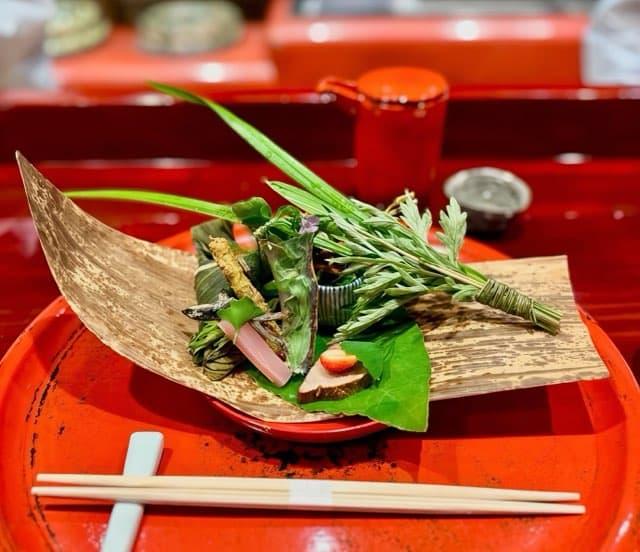
The defining feature of the cuisine is tsumikusa ryori, often translated as foraged cuisine. Nakahigashi personally gathers wild plants and vegetables from the mountains and fields, and the day’s menu is built around what nature offers at that moment. Luxury ingredients are not used as focal points. Instead, wild herbs, root vegetables, freshwater fish, and fermented elements form the core of the meal. Seasoning is restrained, following the fundamental Japanese principle of subtraction rather than excess. As a result, bitterness, aroma, acidity, and texture are presented with clarity, allowing each ingredient to retain its identity.
The course begins with hassun, which functions as a statement of seasonal structure rather than a simple assortment of small dishes. During Setsubun, for example, the presentation may include kabura sushi made with winter yellowtail, fried simmered konjac, pickled cucumber and black beans, vinegared red turnip combined with dried persimmon and yuzu shaped as a camellia, oyster simmered in soy, grilled rapeseed blossoms, and smoked sardine. Each element is placed with intention, establishing the rhythm of the course from the outset.
An early interlude may take the form of warm inari sushi mixed with butterbur shoots, accompanied by horsetail, mukago, and Daitokuji natto. This dish serves to settle the appetite while reinforcing the restaurant’s focus on mountain ingredients.
Soups emphasize vegetables rather than protein. One example uses stock drawn solely from red daikon, combined with wakame and bamboo shoot, finished with dried flower pepper. Sweetness, aroma, and gentle bitterness are layered without relying on heavy dashi.
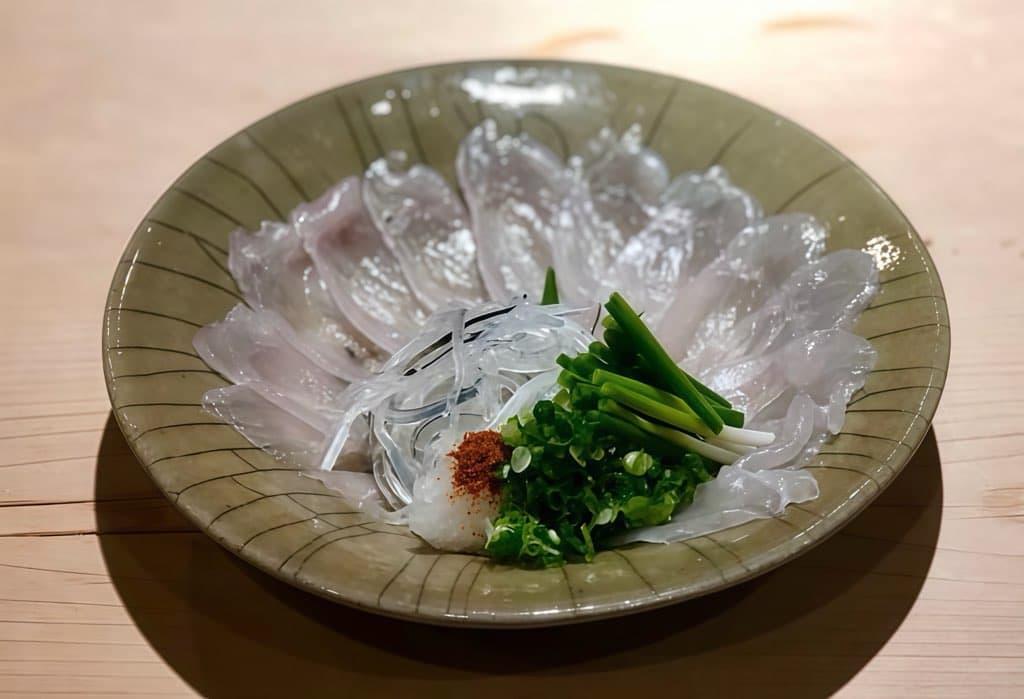
For sashimi, carp is a signature offering. It is presented with spicy daikon, mustard greens, plum, and citrus based seasonings, designed to be mixed on the plate before eating. Rather than isolating a single flavor, the dish is constructed through interaction.
Grilled and main dishes continue this approach. Young tuna marinated and grilled, or roe bearing moroko, a freshwater fish native to Lake Biwa, may appear. Moroko is served with Jerusalem artichoke purée, foraged cress, shiitake mushroom, and carrot, seasoned with wild garlic vinegar. Fermentation and bitterness play supporting roles throughout. In place of a traditional simmered dish, sake lees soup may be served, featuring salted salmon with Kyoto vegetables, balancing gentle salinity with the richness of the lees.
Toward the end of the course, rice becomes the central element. Cooked in a clay pot, it is served in stages: first as niebana, the rice just before fully cooked, followed by white rice, and finally okoge, the crisp layer at the bottom of the pot. The rice is accompanied by dried sardine, pickles, suguki, and okara mixed with purple carrot. Okoge is paired with sansho oil and salt. Optional additions include tamago kake gohan enriched with grated yam and house made karasumi, or a simple hot water pour over the rice.
Current pricing is as follows. Lunch courses start from 9,680 yen including tax and service. The standard dinner course is 24,200 yen, while the full dinner course is 31,460 yen. Meals unfold at an unhurried pace and are intended to be experienced over time rather than consumed quickly.
Sojiki Nakahigashi is not a restaurant for those seeking immediate luxury or visual spectacle. Instead, it presents a fully realized alternative expression of Japanese cuisine, built around foraged plants, freshwater fish, fermentation, and rice. Its reputation is the result of consistency rather than adaptation, and the cuisine remains firmly rooted in that original vision.
Courses

Dinner
Dinne Omakase
Booking fee ¥1,000
Dinner
Dinner Omakase full course
Booking fee ¥1,000
Restaurant information
| Working Hours | 12:00 - 14:00 18:00 - 21:00 |
|---|---|
| Seats | 30 |
| Payment | Visa, MasterCard, Diners, American Express, Cash |
| Smoking | Not Allowed |
| Alcohol take-in | Not Allowed |
| Phone number | 075-752-3500 |
| Address | 32-3 Jodoji Ishibashicho, Sakyo-ku, Kyoto, Japan |
Location map

2026
September
More counters we can secure for you
Picked by the same team — similar style or nearby.