

TOMMY PIZZA
Tokyo
Pizza
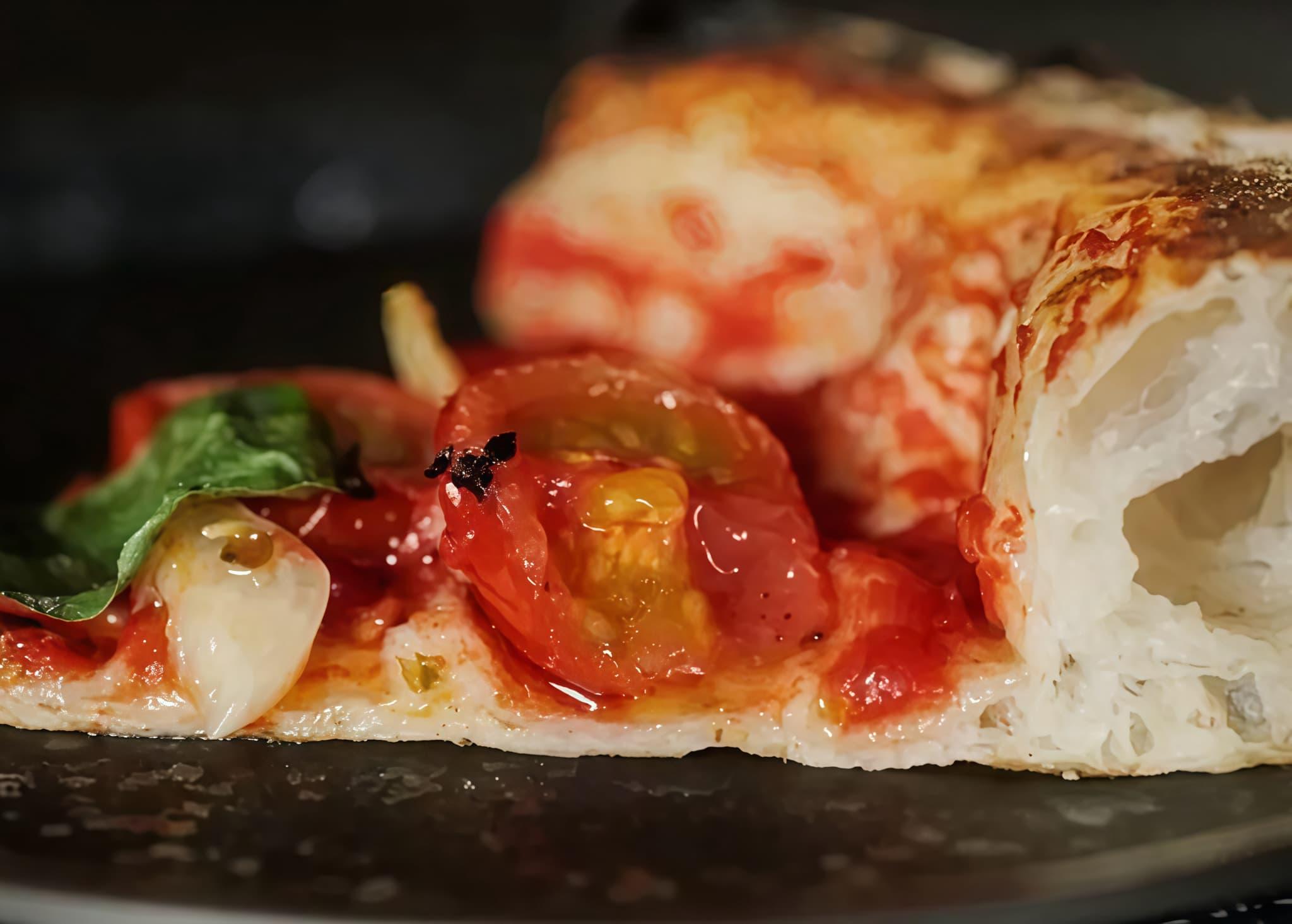
Tokyo’s most unexpected pizza experience.
The first bite at TOMMY PIZZA doesn’t taste like anything you expect from “pizza.” It lands softer, lighter, almost airy, yet somehow more expressive. You realize quickly that this isn’t a pizzeria in the usual sense. It’s a chef-driven tasting experience built entirely around dough, grain, hydration, and fermentation—a full-course “Pizza Degustazione” that Tokyo simply didn’t have before.
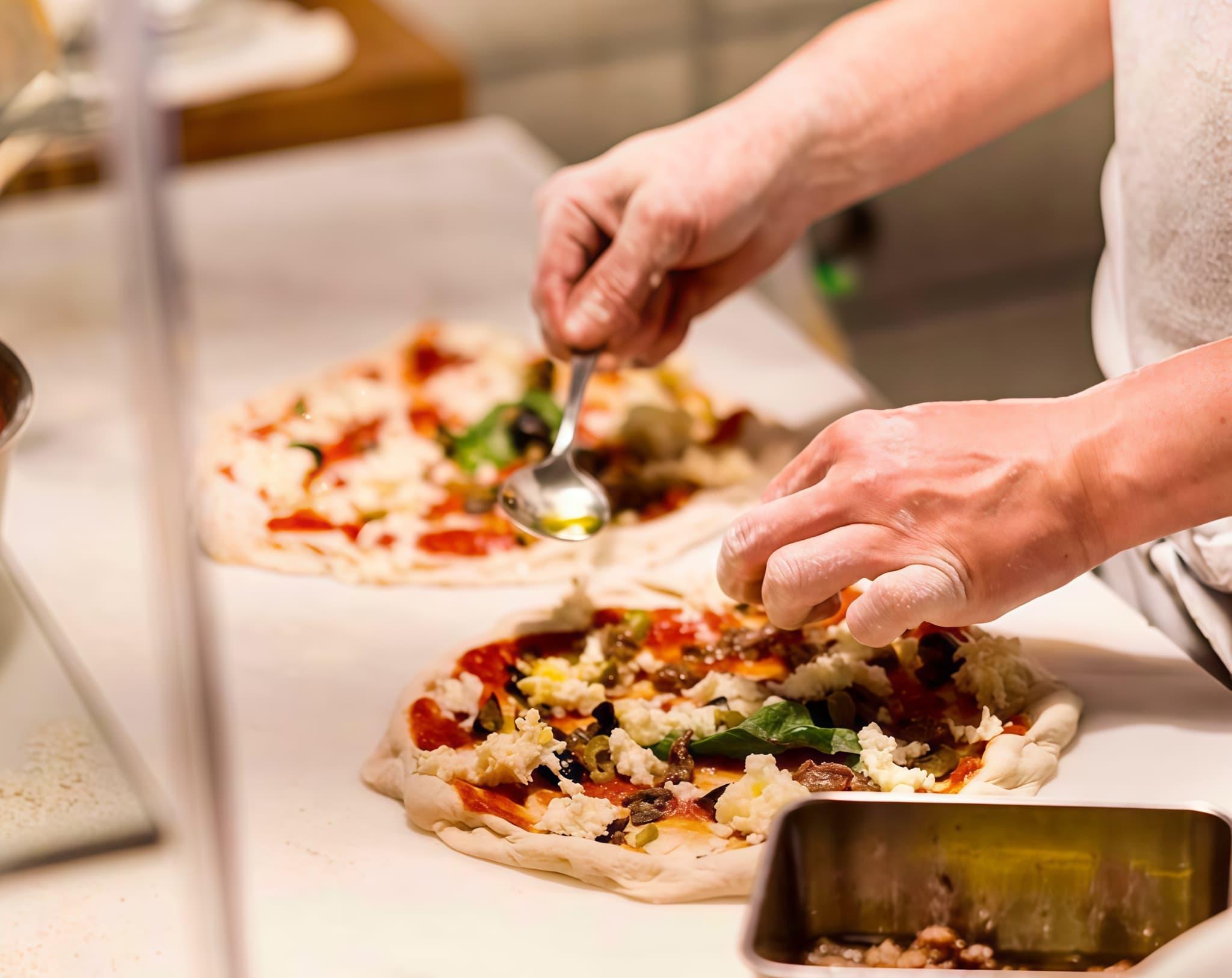
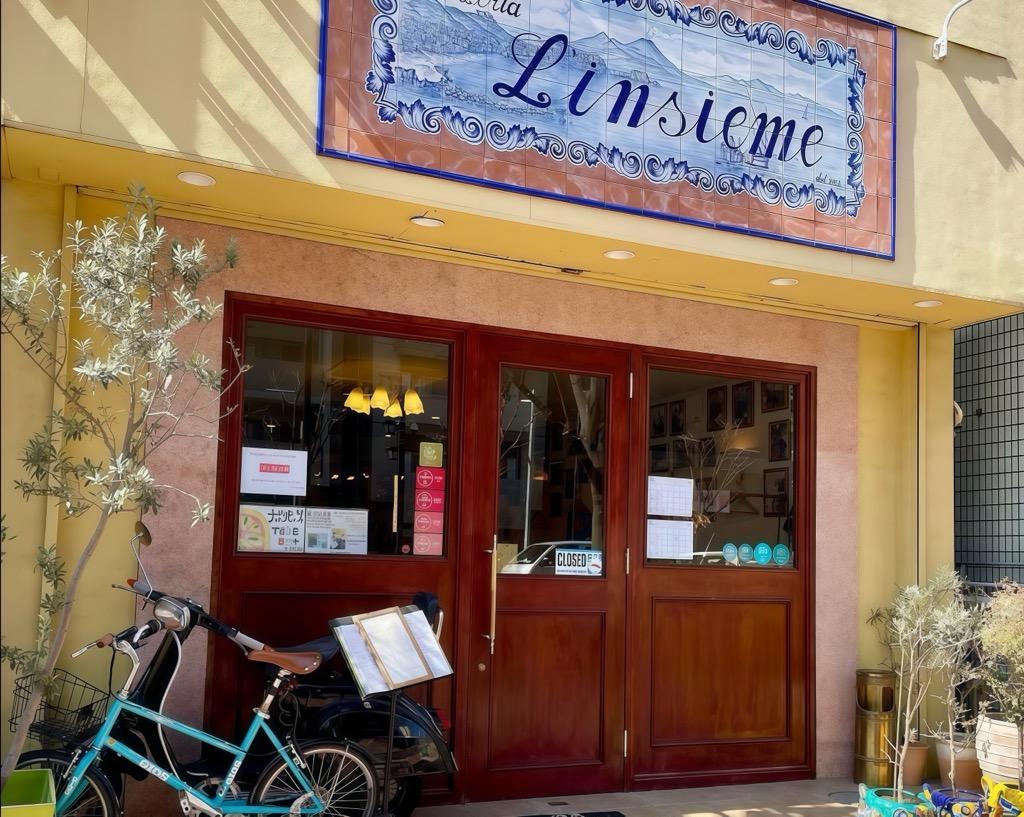
The restaurant sits in a quiet residential pocket of Kitasenju, far from the drinking streets near the station. Eight counter seats curve around an open kitchen, and from the first minute the focus is obvious: fermentation trays, different doughs at different hydration levels, and a young chef working with the calm confidence of someone who has seen the real thing up close.
Chef Tommy trained in Italy under some of the most serious names in the field—Giuseppe Cravero near Rome, Marco Manzi of Giotto in Florence, and even studied “pizza tasting menu” culture at I Tigli in Verona. That influence shows immediately. Each course arrives with a completely different dough: high-hydration modern style using BIGA; ancient Sicilian grain TUMMINIA with its cinnamon-like aroma and low gluten; and a final, borderline impossible 110 percent hydration dough baked into a focaccia-like structure that exists somewhere between bread, pastry, and cloud.
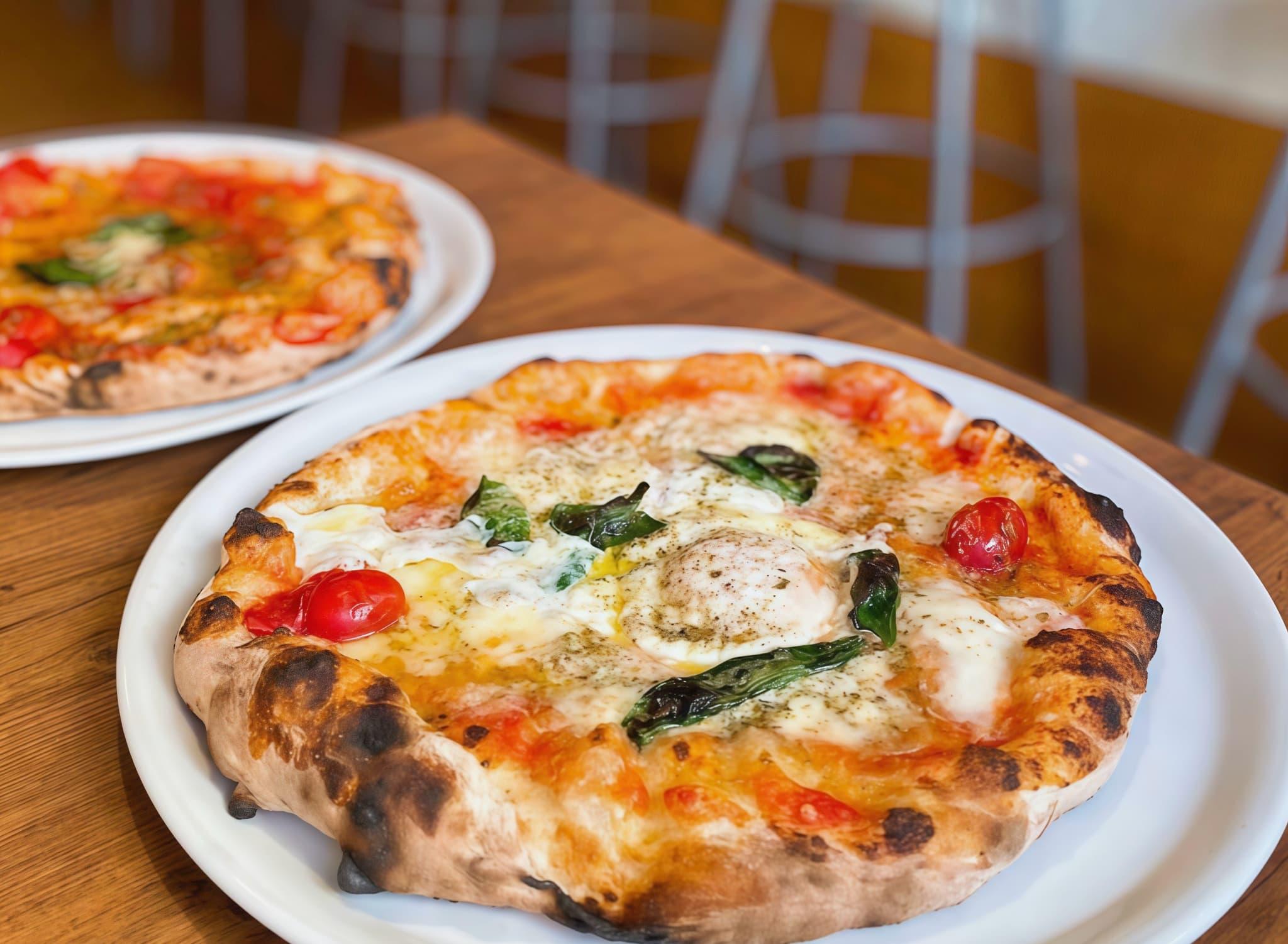
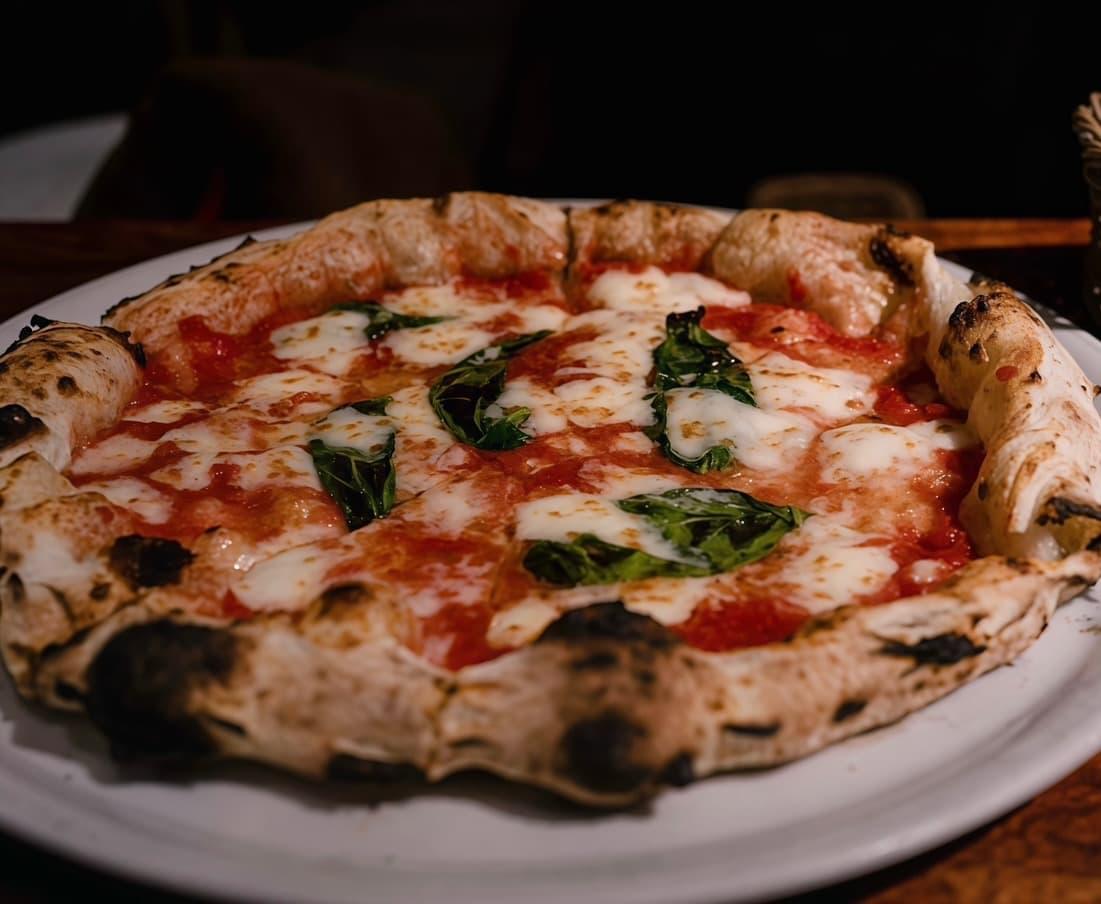
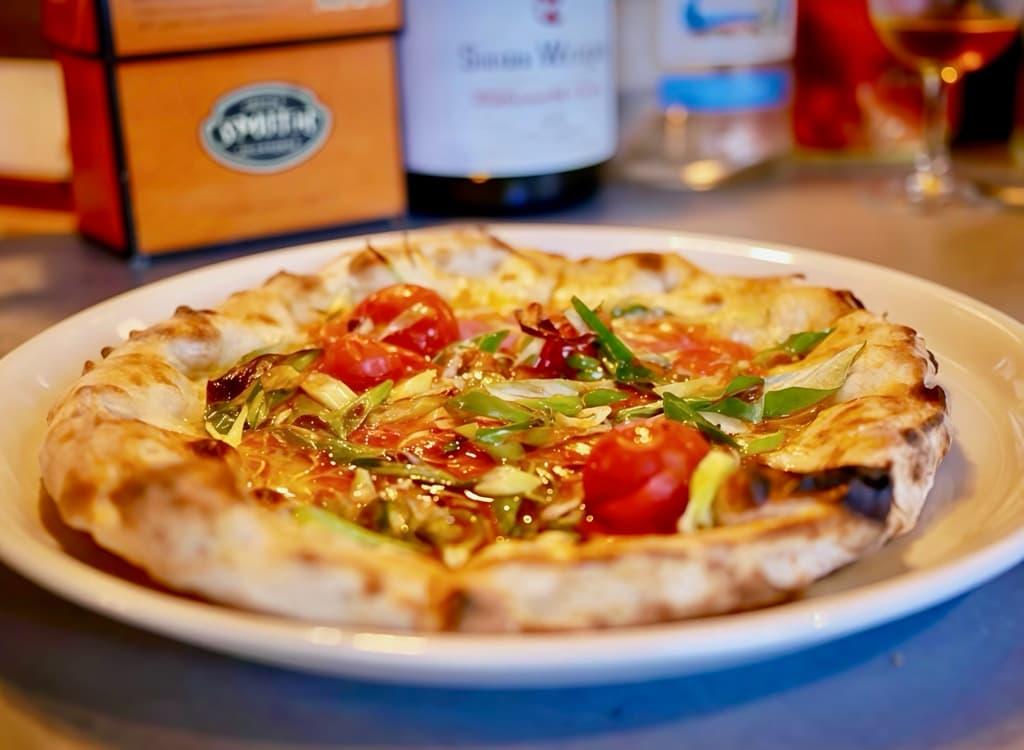
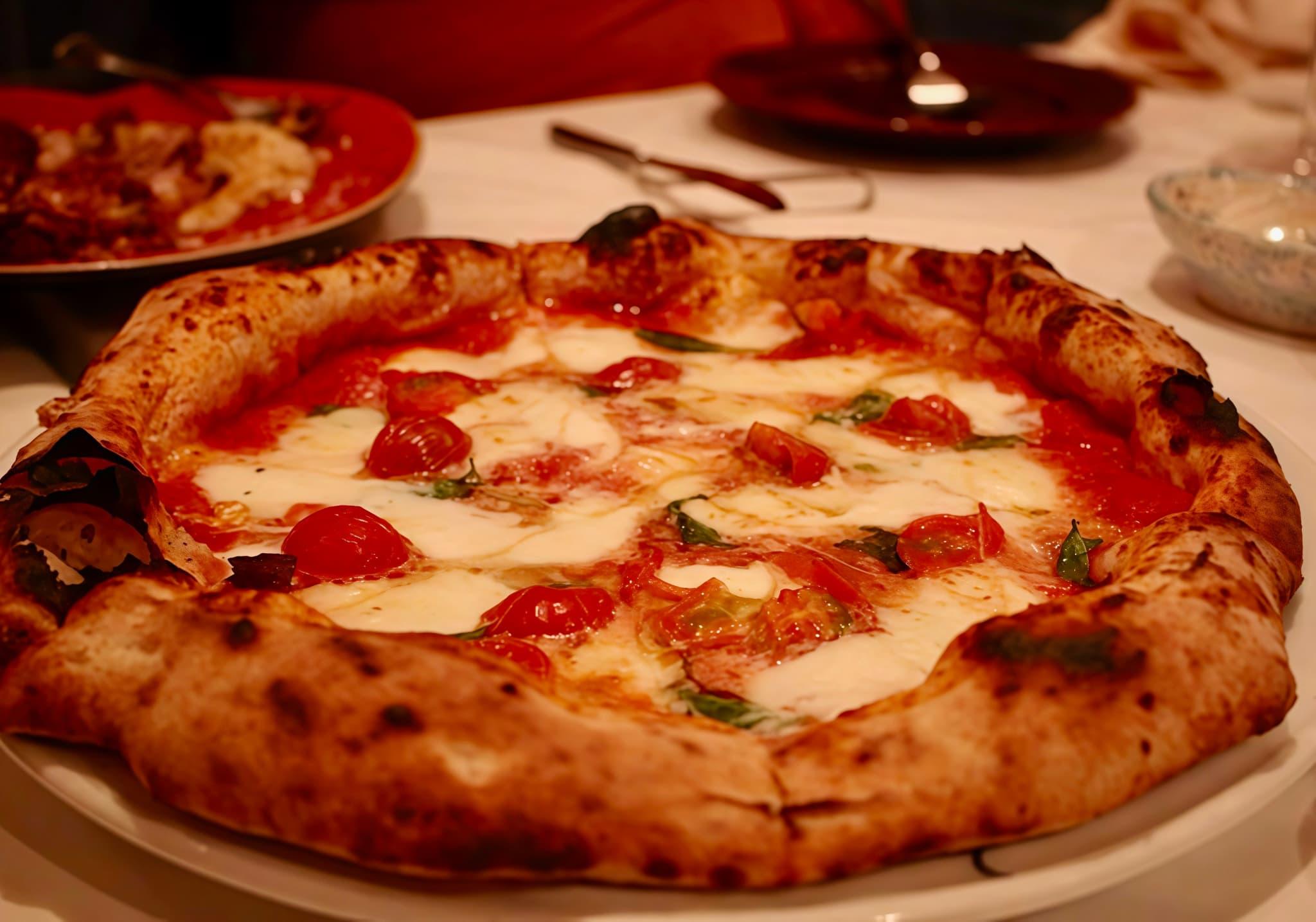
The tasting menu is built from seven individual pizza pieces—each a different shape, thickness, grain, and technique—plus dessert. What sounds like repetition becomes the opposite: every plate shifts the texture, structure, and temperature. Fresh tomato and mozzarella from Kumamoto; deer with red onion and sansho from Hokkaido; uni and stracciatella on an ink-black, water-loaded dough; swordfish and lemon in a sealed calzone; ayu and zucchini balanced so precisely that the bitterness and sweetness move in waves. The combinations feel experimental, but never messy—always grounded in intention and control.
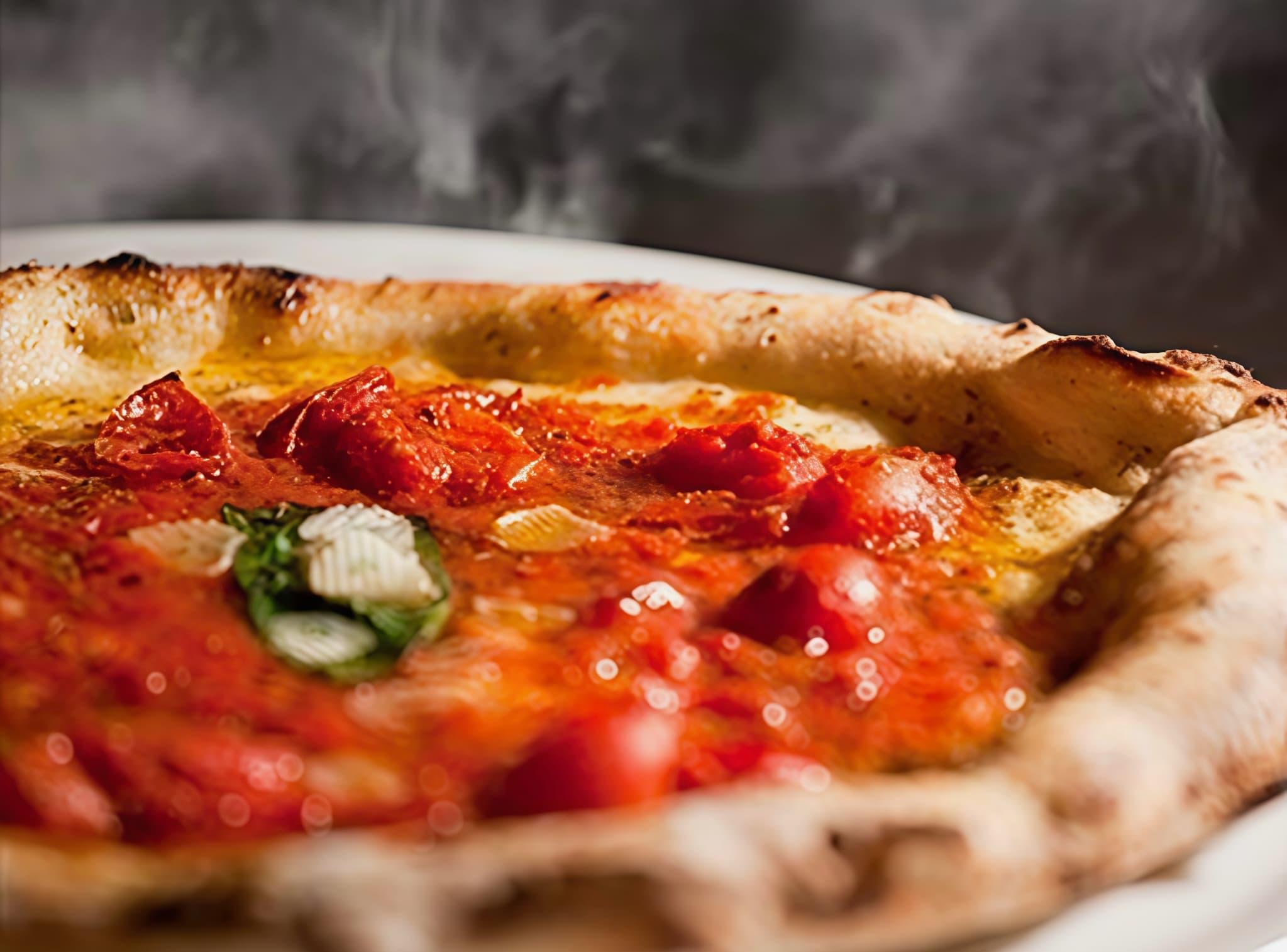
The defining experience is the dough. Light enough that you never feel weighed down, yet complex enough that you taste fermentation, grain, and technique with each bite. The ancient wheat course carries a gentle sweetness; the 110 percent hydration course is barely a solid—steaming, elastic, and delicate; the venetian-inspired black dough presents like a soft sponge that drinks in the toppings.
The wine pairing is surprisingly sharp for a small shop—five pours that track the arc of the course, plus a ¥300 upgrade if you want to finish with grappa. Even the dessert continues the theme: milk gelato infused with crushed leftover pizza dough roasted to mimic rye.
Nothing here imitates Naples. Nothing tries to be classic. Tommy isn’t chasing tradition—he’s chasing expression. The entire experience feels like a chef testing the boundaries of what dough can be, while staying just close enough to “pizza” to remind you where it started.
Dining here feels almost private—eight seats, one chef, and a format that changes constantly with the season, the flour, and the chef’s experiments. Getting to Kitasenju takes time, but the minute the first course lands, you understand why people cross the city for it. If you care about modern pizza, fermentation, or simply the thrill of tasting something that doesn’t exist anywhere else in Tokyo, TOMMY PIZZA is a must-visit.
You leave full, impressed, and a bit stunned that a course built entirely from pizza can feel this balanced, this refined, and this memorable.
The restaurant sits in a quiet residential pocket of Kitasenju, far from the drinking streets near the station. Eight counter seats curve around an open kitchen, and from the first minute the focus is obvious: fermentation trays, different doughs at different hydration levels, and a young chef working with the calm confidence of someone who has seen the real thing up close.
Chef Tommy trained in Italy under some of the most serious names in the field—Giuseppe Cravero near Rome, Marco Manzi of Giotto in Florence, and even studied “pizza tasting menu” culture at I Tigli in Verona. That influence shows immediately. Each course arrives with a completely different dough: high-hydration modern style using BIGA; ancient Sicilian grain TUMMINIA with its cinnamon-like aroma and low gluten; and a final, borderline impossible 110 percent hydration dough baked into a focaccia-like structure that exists somewhere between bread, pastry, and cloud.
The tasting menu is built from seven individual pizza pieces—each a different shape, thickness, grain, and technique—plus dessert. What sounds like repetition becomes the opposite: every plate shifts the texture, structure, and temperature. Fresh tomato and mozzarella from Kumamoto; deer with red onion and sansho from Hokkaido; uni and stracciatella on an ink-black, water-loaded dough; swordfish and lemon in a sealed calzone; ayu and zucchini balanced so precisely that the bitterness and sweetness move in waves. The combinations feel experimental, but never messy—always grounded in intention and control.
The defining experience is the dough. Light enough that you never feel weighed down, yet complex enough that you taste fermentation, grain, and technique with each bite. The ancient wheat course carries a gentle sweetness; the 110 percent hydration course is barely a solid—steaming, elastic, and delicate; the venetian-inspired black dough presents like a soft sponge that drinks in the toppings.
The wine pairing is surprisingly sharp for a small shop—five pours that track the arc of the course, plus a ¥300 upgrade if you want to finish with grappa. Even the dessert continues the theme: milk gelato infused with crushed leftover pizza dough roasted to mimic rye.
Nothing here imitates Naples. Nothing tries to be classic. Tommy isn’t chasing tradition—he’s chasing expression. The entire experience feels like a chef testing the boundaries of what dough can be, while staying just close enough to “pizza” to remind you where it started.
Dining here feels almost private—eight seats, one chef, and a format that changes constantly with the season, the flour, and the chef’s experiments. Getting to Kitasenju takes time, but the minute the first course lands, you understand why people cross the city for it. If you care about modern pizza, fermentation, or simply the thrill of tasting something that doesn’t exist anywhere else in Tokyo, TOMMY PIZZA is a must-visit.
You leave full, impressed, and a bit stunned that a course built entirely from pizza can feel this balanced, this refined, and this memorable.
Courses

Lunch
Lunch Course
Booking fee ¥1,000
JPY1,800〜
(Tax Incl.)

Dinner
Omakase Pizza Course
Booking fee ¥1,000
JPY9,000
(Tax Incl.)
Restaurant information
| Working Hours | 11:30-15:00 19:00-22:00 |
|---|---|
| Seats | 8 |
| Payment | Visa, MasterCard, Diners, American Express, Cash |
| Smoking | Not Allowed |
| Alcohol take-in | Not Allowed |
| Phone number | N/A |
| Address | 1F, 32-10 Senju Kotobukicho, Adachi-ku, Tokyo, Japan |
Location map
Request
Instant Reservation
2026
October
M
T
W
T
F
S
S
27
28
29
1
2
3
4
5
6
7
8
9
10
11
12
13
14
15
16
17
18
19
20
21
22
23
24
25
26
27
28
29
30
31
Checking request availability…
Checking request availability…
More counters we can secure for you
Picked by the same team — similar style or nearby.