

Tempura Masa
Hokkaido
Tempura
A new northern language of tempura.
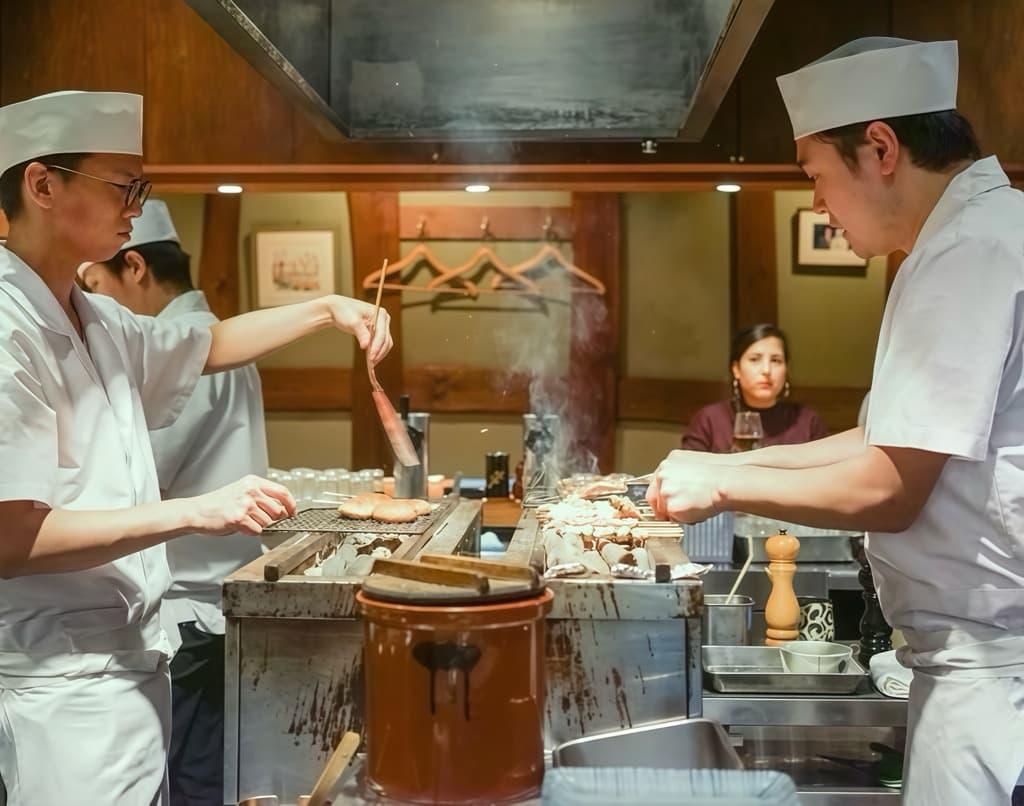
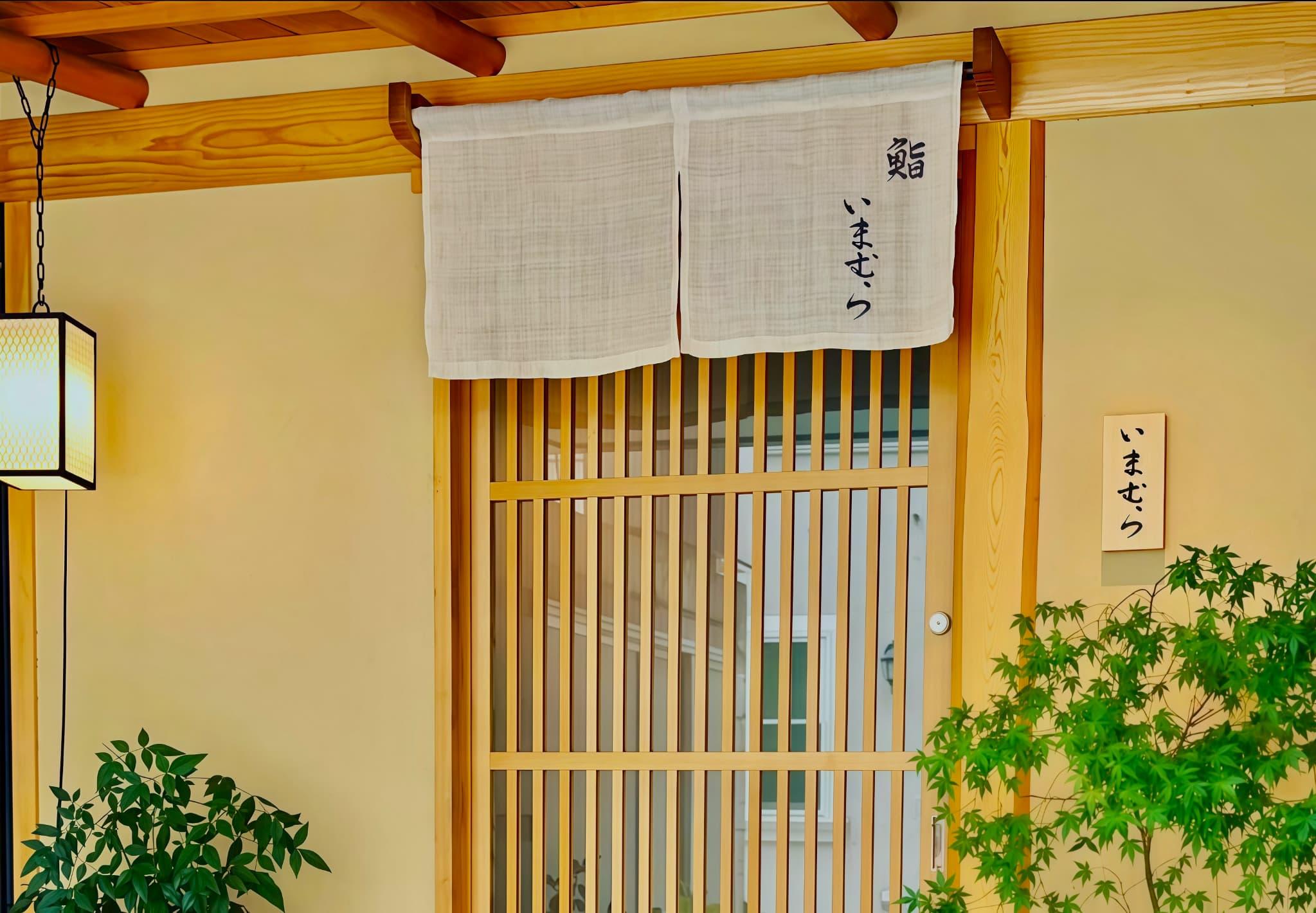
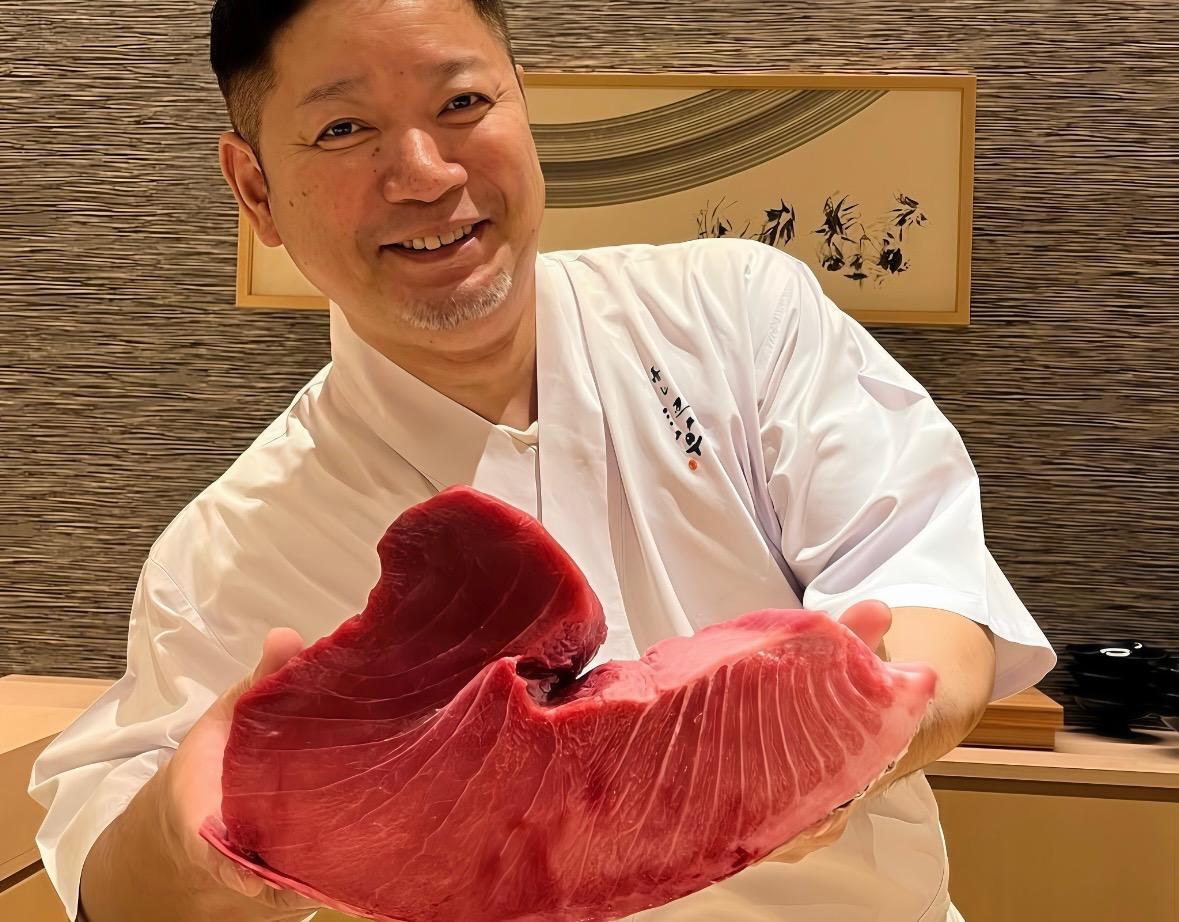
Hidden in the back of Susukino’s long-established Japanese restaurant Naniwatei sits an eight-seat counter quietly reshaping Hokkaido’s culinary landscape. The name is Tempura Masa, led by Masayuki Murai, the third generation of a food-driven family. His path runs through seven years at Kyoto’s Kikunoi followed by two and a half years at Tempura Kondo, yet what defines him is not pedigree but a clear determination to build a style of tempura rooted entirely in Hokkaido.
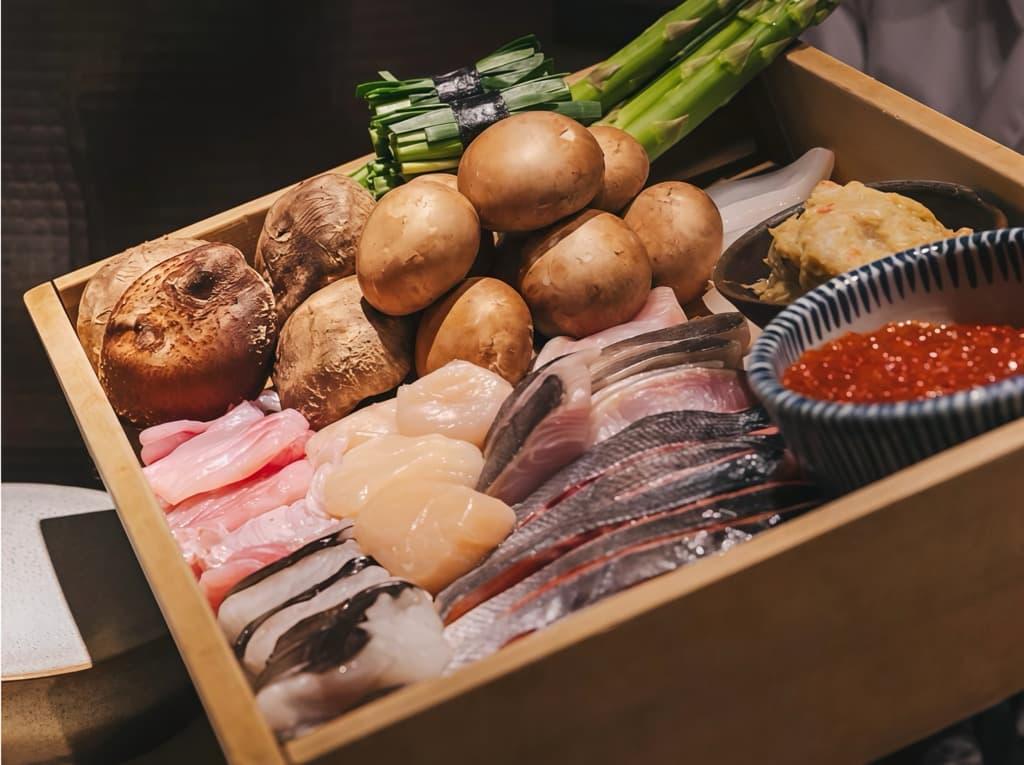
The guiding idea is “Ezomae Tempura,” a northern answer to the Tokyo-centric Edomae tradition. Rather than relying on Tokyo Bay delicacies, Masa considers Hokkaido’s land and sea the true protagonists. Asparagus, corn, lily bulb, hair crab, kinki rockfish, scallops, and the superb conger eel of Funka Bay appear not as novelties but as ingredients presented in their ideal form. The direction is unmistakable: this is tempura built from the terroir of the north.
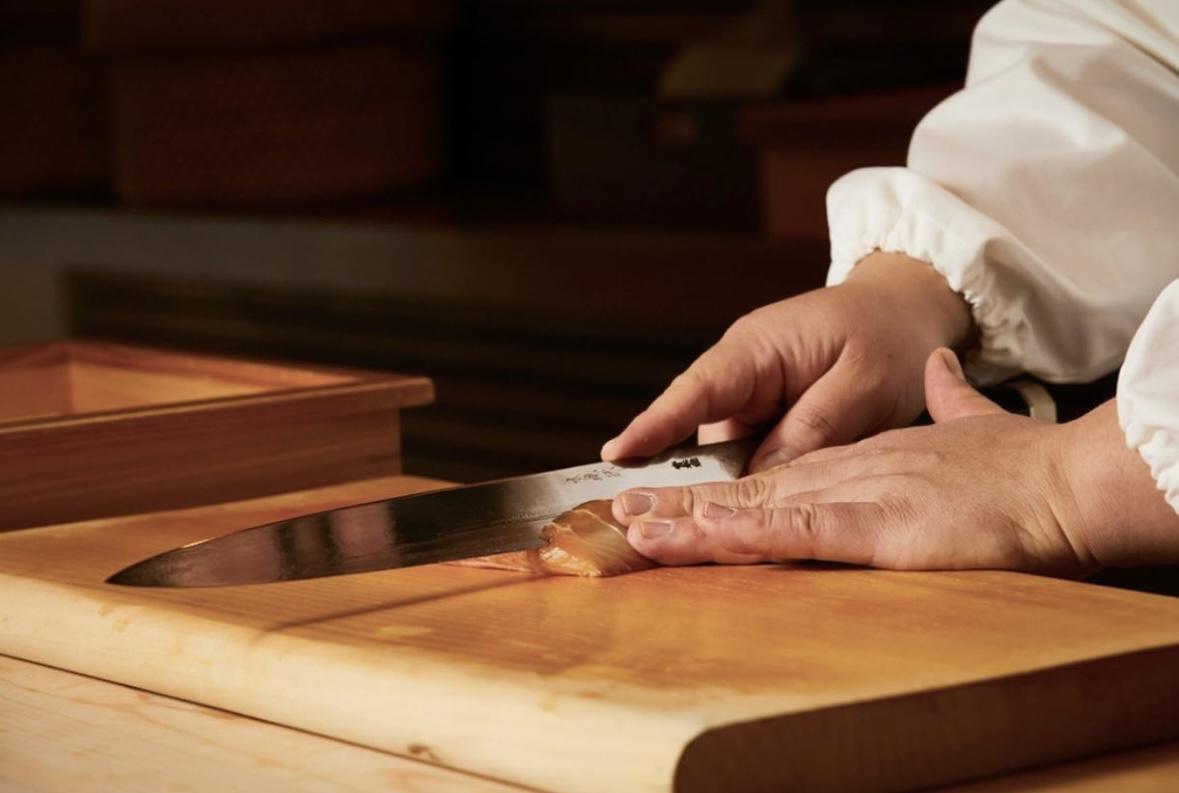
The meal opens not with fried food but with a sequence of small dishes that reveal Murai’s Japanese cuisine background. Snow crab steamed with grains, sweet shrimp paired with caviar, buri accented with grated yamawasabi—all of it serves as a statement that the menu is not divided into “before tempura” and “after tempura.” Instead, each dish exists to express the ingredient at its highest point, and tempura is only one of the tools he uses to do so.
Once the frying begins, the individuality of his approach becomes clear. Some ingredients are treated almost like steamed dishes, others are deep-fried just enough to let residual heat finish the job, and still others are cooked more assertively to draw out aroma and sweetness. The results are precise yet never rigid: feather-soft hirame, clever two-layered cuts of yari-ika, the dense sweetness of Notsuke scallops, the deep fragrance of prime shiitake. And then the signature anakyu—freshly broken-down Funka Bay conger eel fried and wrapped with cucumber in crisp nori—a piece that carries undeniable force.
The batter is weightless, made from flour dried for three days to remove moisture and achieve a texture like powder snow. The oil blend—mainly light sesame oil—keeps the flavor clean and lets the ingredients take center stage. It is an approach that respects Kondo’s foundations while decisively stepping beyond them.
The finale is a clay-pot rice course that encapsulates Murai’s whole philosophy. Seasonal ingredients, aromatic herbs, and pieces of tempura come together in gently seasoned dashi, and the dish can be finished as an ochazuke. It is not a “post-tempura filler” but a final movement designed with the same clarity as everything before it.
The atmosphere at the counter is quiet and focused. Murai’s insistence on cleanliness and composure gives the room a distinct sense of purpose, yet conversations about ingredients flow naturally. His long-term ambition is clear: to establish a genuine Hokkaido-born style of tempura and eventually bring it overseas, where local ingredients can define the narrative as strongly as technique.
Sapporo’s tempura scene has been rising for years, but Tempura Masa feels like a step into the future. The boundary between Japanese cuisine and tempura is dissolved, the structure of the meal rebuilt, and Hokkaido’s ingredients placed unapologetically at the center. As the restaurant continues to evolve, one line feels increasingly inevitable.
“In Hokkaido, there is Tempura Masa.”
And soon enough, everyone will be saying it.
Courses

Lunch
Thu–Fri lunch
Booking fee ¥1,000

Dinner
Sat–Sun lunch
Booking fee ¥1,000
Dinner
Dnner Omakase
Booking fee ¥1,000
Restaurant information
| Working Hours | 12:00 - 14:00 18:00 - 20:15 20:30 - 22:45 |
|---|---|
| Seats | 8 |
| Payment | Visa, MasterCard, Diners, American Express, Cash |
| Smoking | Not Allowed |
| Alcohol take-in | Not Allowed |
| Phone number | 011-231-7280 |
| Address | Naniwatei, 6-64-1 Imamiitsu, Nakagawa-shi, Fukuoka, Japan |
Location map

2026
October
More counters we can secure for you
Picked by the same team — similar style or nearby.