

Tempura Takeuchi
Fukuoka
Tempura
Worth going out of your way for.
In a quiet residential pocket of Nakagawa, far from the circuits of central Fukuoka, Tempura Takeuchi stands as the kind of restaurant food-obsessed travelers whisper about. The location is inconvenient, yet people make the trip for a reason. The experience is not just tempura. From sashimi and small plates to sushi and chawanmushi, every dish is built around a single idea: take the ingredients of Kyushu and express them in the most honest, most compelling form. Tempura is simply one of the languages the chef speaks.
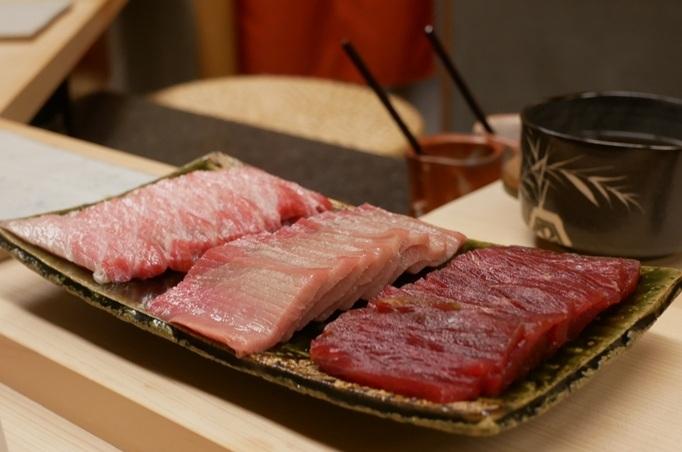
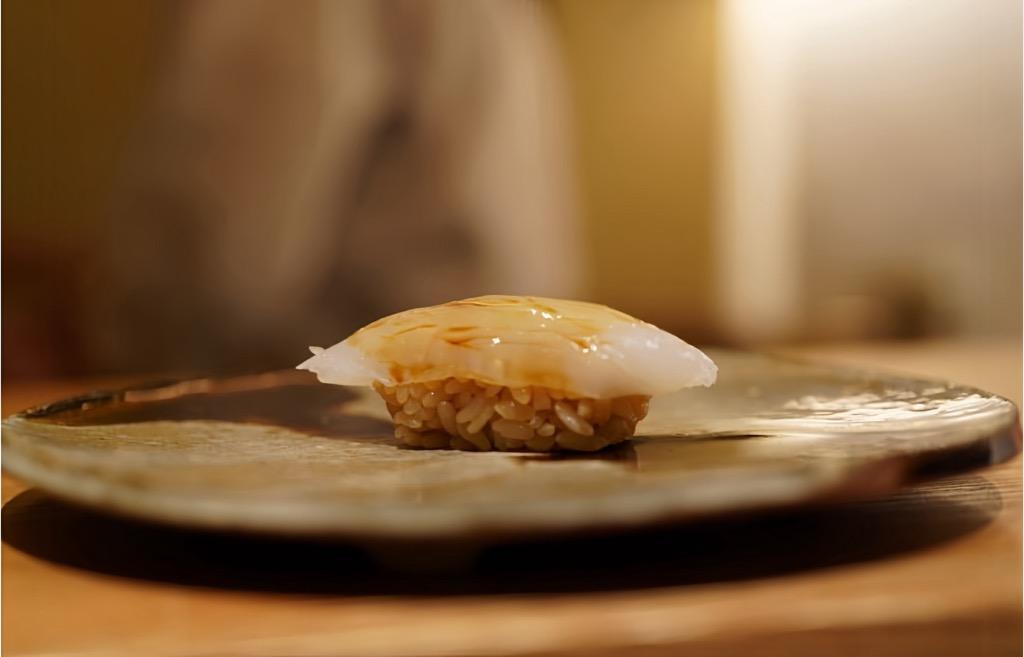
Chef Takeuchi trained in Japanese cuisine before teaching himself both tempura and sushi, and that background shows. The way he firms fish with kombu, the clarity of his smoking, the temperature and density of his akazu shari—all of it reflects a cook with solid fundamentals and a sharp palate. The red snapper cured in kombu, the sashimi of morning-caught ishidai, the sushi of Amakusa aji, the chawanmushi layered with crab and seaweed: none of these feel like filler. They raise the baseline of the meal long before the tempura begins.
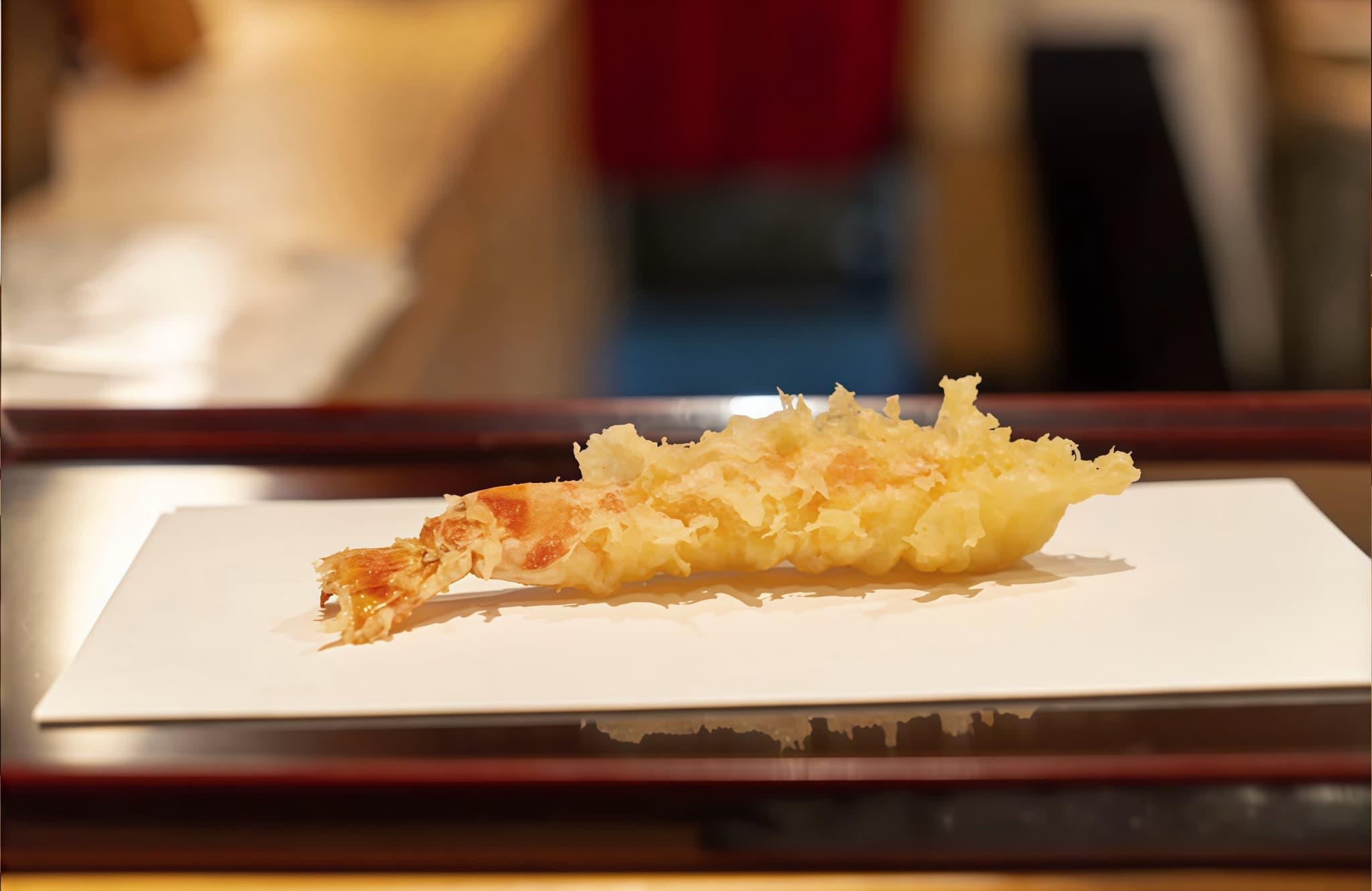
The frying style is unmistakably his own. A blend of taihaku sesame oil and cottonseed oil gives the batter structure rather than mere lightness; it’s thin enough to break cleanly yet firm enough to hold the aroma and moisture of each ingredient. The prawn head and legs come off the oil crisp and fragrant; the prawn body is sweet, plump, and perfectly timed. The kisu is unusually large, its flesh soft enough to forget it’s fried at all. Scallops are taken to a glowing medium-rare, with their natural gradients intact. Amadai arrives with scales crackling, its moisture calibrated with almost unnatural precision. Asparagus, corn, new potatoes, and other vegetables show their freshness immediately—you can taste the fields of Kyushu in them.
And then there is the anago. Most restaurants rely on pre-cut fillets. Here, the eel is dispatched and broken down the moment you order it, then fried on the spot. The aroma, the elasticity, the clean sweetness of the fat—this is anago at its most alive, and one of the clearest reasons people call this place a destination.
Ingredient quality is a quiet throughline of the meal. The earthy sweetness of Yame bamboo shoots, the deep marine aroma of Ofunato oysters, the juiciness of freshly harvested Itoshima asparagus, the purity of seafood throughout—each reflects sourcing that is careful without being showy. The meal closes with a small bowl of shrimp-and-whitefish tendon, its crisp batter and gentle seasoning tying the entire menu together.
What makes Takeuchi compelling is not just skill, but coherence. The menu feels like one continuous idea rather than a list of dishes. It has the same DNA found at modern heavyweights like Niitome in Nagoya or Takiya in Azabu-Juban—a belief that a tempura meal should be a complete culinary narrative, not a sequence of fried items.
Run entirely by the chef and his wife at an eight-seat counter, the restaurant operates with a calm focus that belies its scale. And as the structure of the meal becomes more refined, it is easy to imagine the day when people speak of Takeuchi as one of Fukuoka’s defining restaurants.
Quiet, serious, and deeply considered—Tempura Takeuchi is one of those places that reward the people who go out of their way to find it.
Chef Takeuchi trained in Japanese cuisine before teaching himself both tempura and sushi, and that background shows. The way he firms fish with kombu, the clarity of his smoking, the temperature and density of his akazu shari—all of it reflects a cook with solid fundamentals and a sharp palate. The red snapper cured in kombu, the sashimi of morning-caught ishidai, the sushi of Amakusa aji, the chawanmushi layered with crab and seaweed: none of these feel like filler. They raise the baseline of the meal long before the tempura begins.
The frying style is unmistakably his own. A blend of taihaku sesame oil and cottonseed oil gives the batter structure rather than mere lightness; it’s thin enough to break cleanly yet firm enough to hold the aroma and moisture of each ingredient. The prawn head and legs come off the oil crisp and fragrant; the prawn body is sweet, plump, and perfectly timed. The kisu is unusually large, its flesh soft enough to forget it’s fried at all. Scallops are taken to a glowing medium-rare, with their natural gradients intact. Amadai arrives with scales crackling, its moisture calibrated with almost unnatural precision. Asparagus, corn, new potatoes, and other vegetables show their freshness immediately—you can taste the fields of Kyushu in them.
And then there is the anago. Most restaurants rely on pre-cut fillets. Here, the eel is dispatched and broken down the moment you order it, then fried on the spot. The aroma, the elasticity, the clean sweetness of the fat—this is anago at its most alive, and one of the clearest reasons people call this place a destination.
Ingredient quality is a quiet throughline of the meal. The earthy sweetness of Yame bamboo shoots, the deep marine aroma of Ofunato oysters, the juiciness of freshly harvested Itoshima asparagus, the purity of seafood throughout—each reflects sourcing that is careful without being showy. The meal closes with a small bowl of shrimp-and-whitefish tendon, its crisp batter and gentle seasoning tying the entire menu together.
What makes Takeuchi compelling is not just skill, but coherence. The menu feels like one continuous idea rather than a list of dishes. It has the same DNA found at modern heavyweights like Niitome in Nagoya or Takiya in Azabu-Juban—a belief that a tempura meal should be a complete culinary narrative, not a sequence of fried items.
Run entirely by the chef and his wife at an eight-seat counter, the restaurant operates with a calm focus that belies its scale. And as the structure of the meal becomes more refined, it is easy to imagine the day when people speak of Takeuchi as one of Fukuoka’s defining restaurants.
Quiet, serious, and deeply considered—Tempura Takeuchi is one of those places that reward the people who go out of their way to find it.
Courses

Dinner
Omakase
Booking fee ¥1,000
JPY11,550
(Tax Incl.)
Restaurant rules
Cash payments only — credit cards are not accepted.
Restaurant information
| Working Hours | N/A |
|---|---|
| Seats | 13 |
| Payment | Visa, MasterCard, Diners, American Express, Cash |
| Smoking | Not Allowed |
| Alcohol take-in | Not Allowed |
| Phone number | 092-953-1699 |
| Address | 6-64-1 Imamiitsu, Nakagawa-shi, Fukuoka, Japan |
Location map
Request
Instant Reservation
2026
October
M
T
W
T
F
S
S
27
28
29
1
2
3
4
5
6
7
8
9
10
11
12
13
14
15
16
17
18
19
20
21
22
23
24
25
26
27
28
29
30
31
Checking request availability…
Checking request availability…
More counters we can secure for you
Picked by the same team — similar style or nearby.