

Unagi Nakajima
Tokyo
Unagi
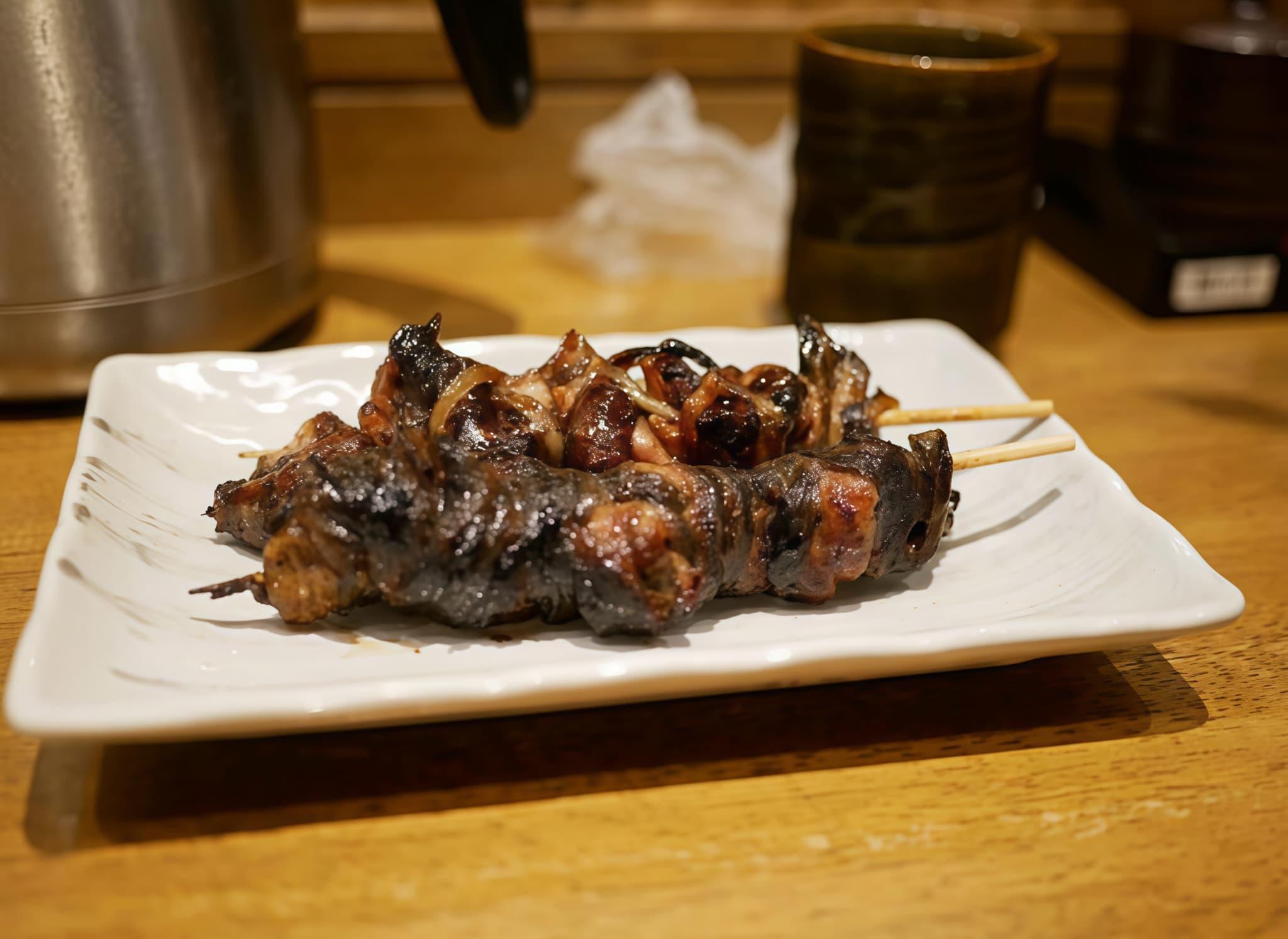
Kabuto lineage, stripped to essentials.
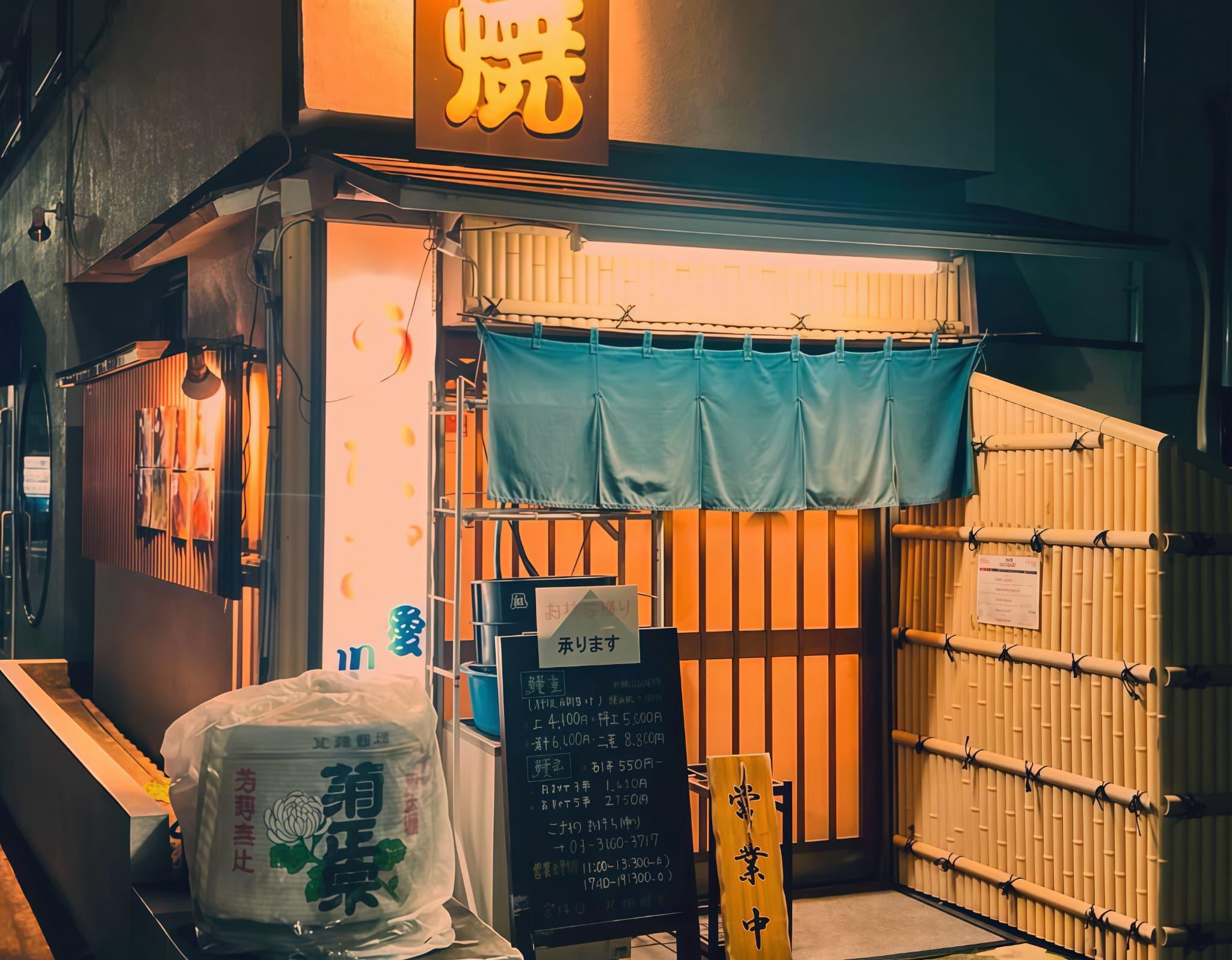
Unagi Nakajima is a specialty eel restaurant opened in 2023 by chef Nakajima, who trained at Kabuto, one of Tokyo’s most coveted and notoriously difficult-to-book unagi houses. For now it remains an insiders-only spot—frankly, the kind of place you hesitate to publicize—but the live experience of watching a live eel being broken down, skewered, and grilled right in front of you is pure Kabuto DNA and far too compelling to keep secret.
What shocks you first is how meticulously the tasting comparisons are constructed. When wild eel is in season, you can compare wild and farmed side by side in both shirayaki and kabayaki; out of season, multiple farmed origins still create clear distinctions. Wild eel from the Isuzu River in Mie, wild eel from Lake Ogawara in Aomori, and farmed eel from Isshiki in Aichi each show unmistakable differences in texture, fat quality, aroma, and overall character—contrasts that are only possible because the sourcing network is genuinely strong and selective. At a base price of 10,000 to 12,000 yen, the value is frankly absurd for this level of depth.
The course signals its seriousness from the opening plates. The sashimi—rare in itself—arrives lightly cured in kombu, balancing the eel’s dense sweetness with kelp-driven savor and fragrance. The sequence of skewers channels Kabuto’s structure but with Nakajima’s own sensibility: kabuto, kurikara, hire, barami, kawa, chi-ai, kimo. Each cut shows a different axis—texture, fat concentration, sweetness, bitterness—and the gently melting hire and the fragrant, bittersweet kimo in particular show a level of control and precision rarely seen outside top-tier unagi specialists.
In the shirayaki comparison, the intention becomes even clearer. The seasoning set—charcoal salt, Himalayan rock salt, freshly grated wasabi on sharkskin—is built purely to reveal the eel’s natural aroma and fat. The wild specimens carry firmer structure and cleaner, more transparent fat; the farmed eel has richer subcutaneous fat and a stronger aromatic presence. Tasting them side by side makes it obvious that unagi, like tuna or wine grapes, expresses terroir with striking clarity.
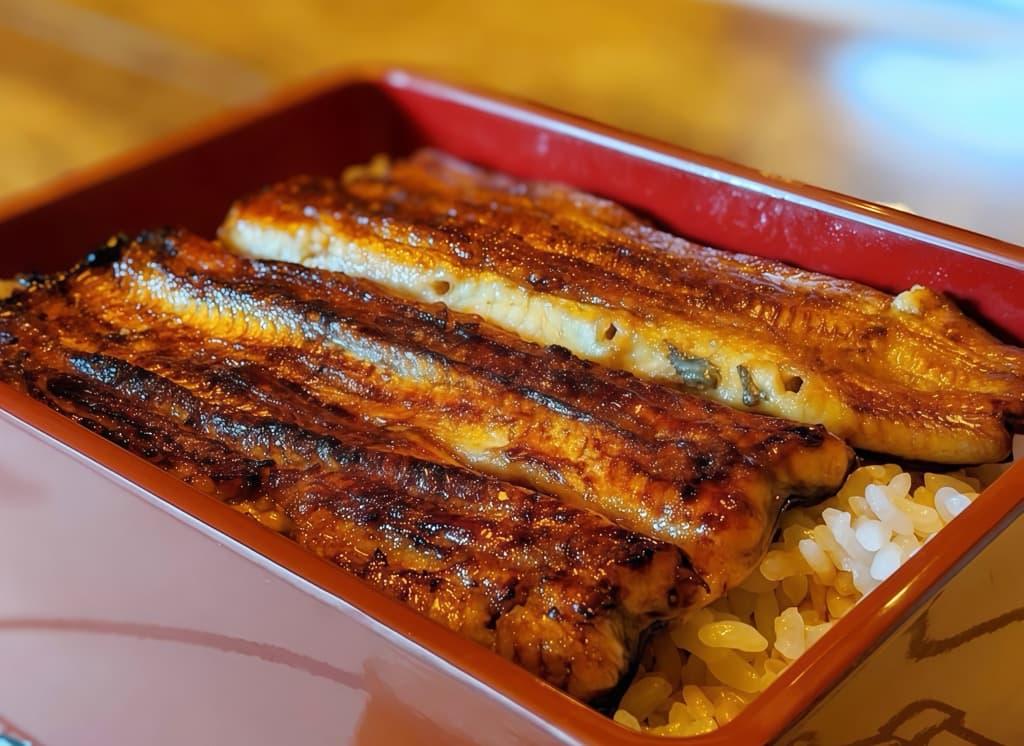
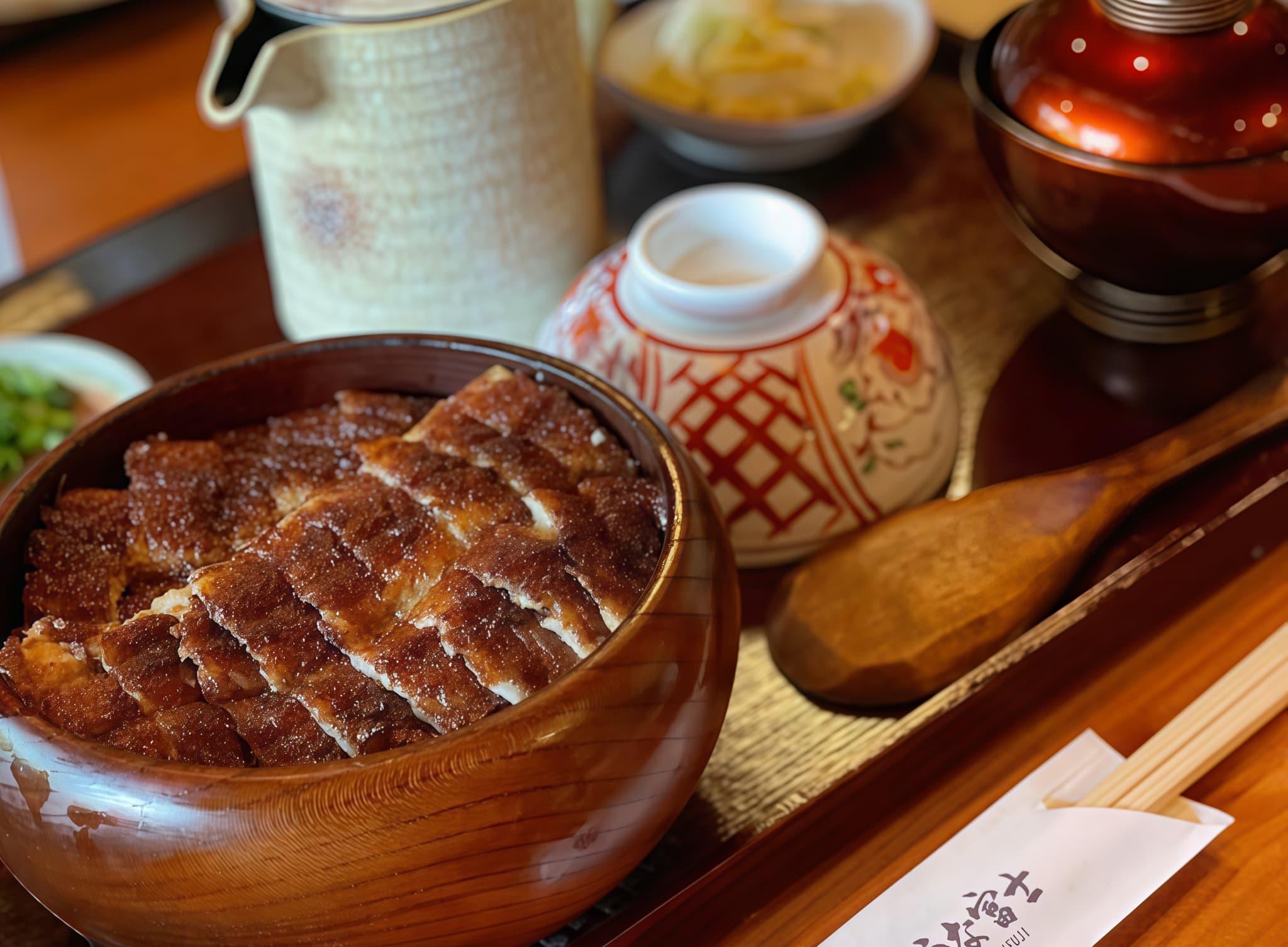
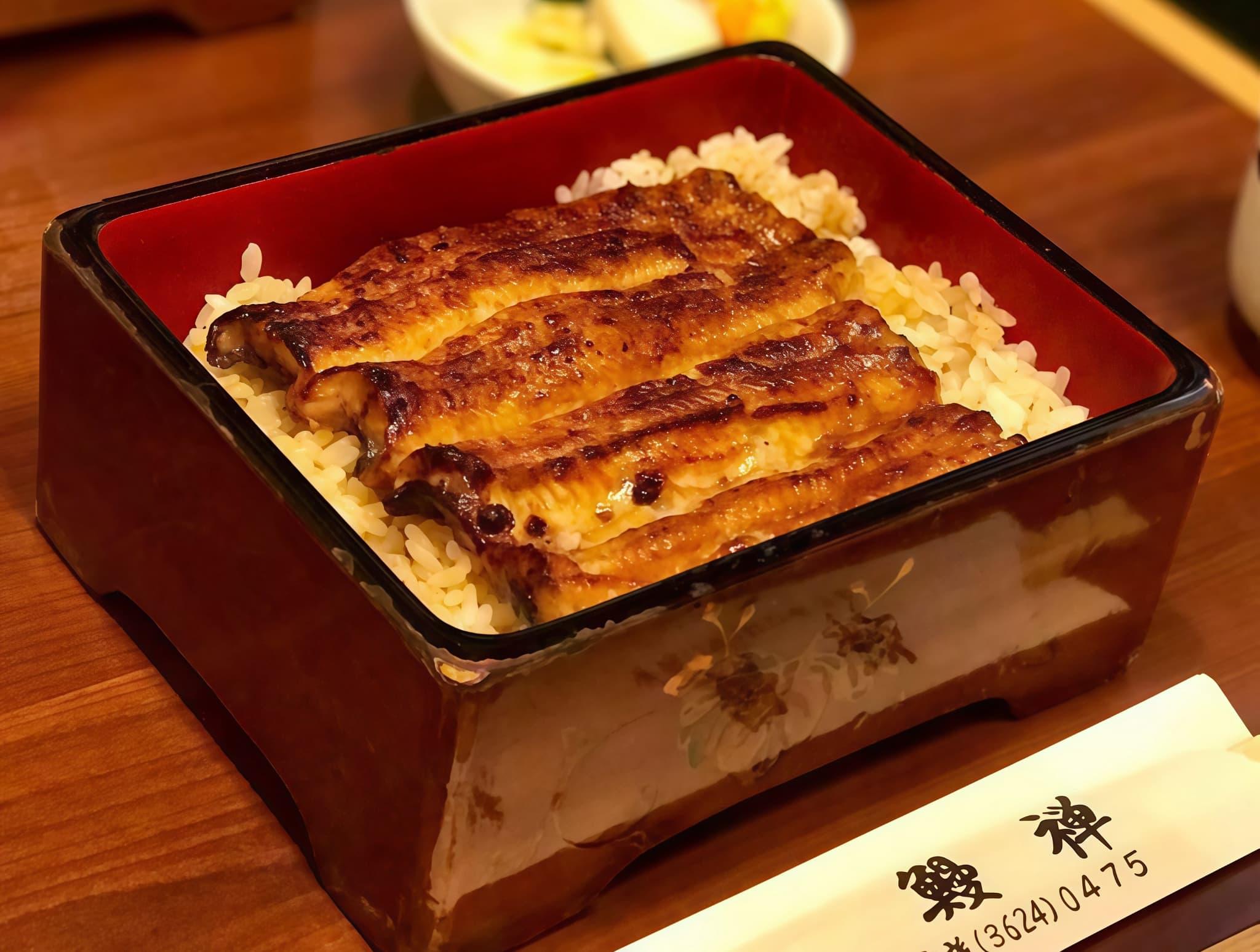
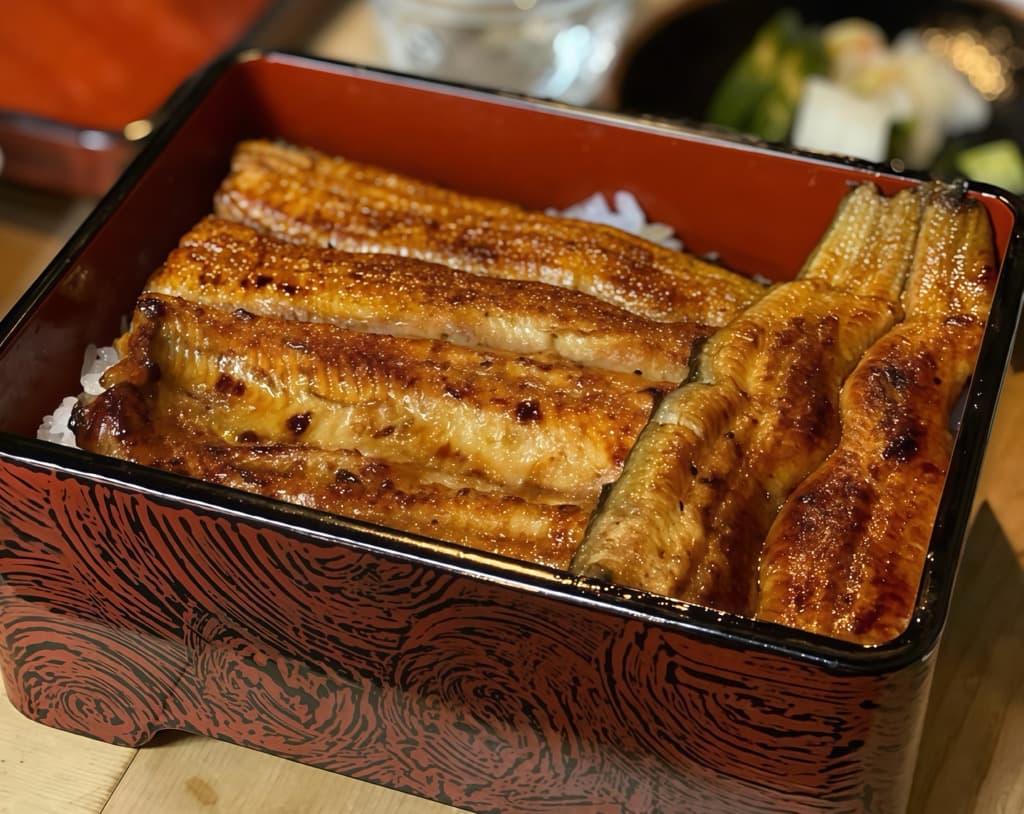
The kabayaki comparison that follows is equally compelling. Nakajima’s tare is deliberately restrained, never burning or clinging too heavily, allowing each eel’s innate sweetness and fat profile to stay front and center. Rice can occasionally lean soft depending on the day, but the strength of the eel itself keeps the overall balance intact. Supporting dishes like uzaku and ochazuke are executed with the same clarity and calm precision, giving the course an unbroken sense of flow.
It’s remarkable that a young chef running the entire operation solo can deliver this level of craft. The Kabuto lineage is unmistakable, yet Nakajima applies his own palate and technique to refine it into something distinctly his own. In the quiet residential streets of Hakusan, he has built a restaurant that serves genuinely serious unagi without theatrics—an understated but formidable shop that stands out as one of the most exciting eel counters to emerge in recent years.
Courses

Dinner
Shirayaki and Kabayaki Course
Booking fee ¥1,000
Dinner
Tasting Comparison Course
Booking fee ¥1,000
Restaurant rules
Restaurant information
| Seats | 10 |
|---|---|
| Payment | Cash |
| Smoking | Not Allowed |
| Alcohol take-in | Not Allowed |
| Phone number | 03-3830-0144 |
| Address | 1-18-6 Hakusan, Bunkyo-ku, Tokyo, Japan |
Location map

2026
October
More counters we can secure for you
Picked by the same team — similar style or nearby.