

Sushi Nishioka
Tokyo
Sushi
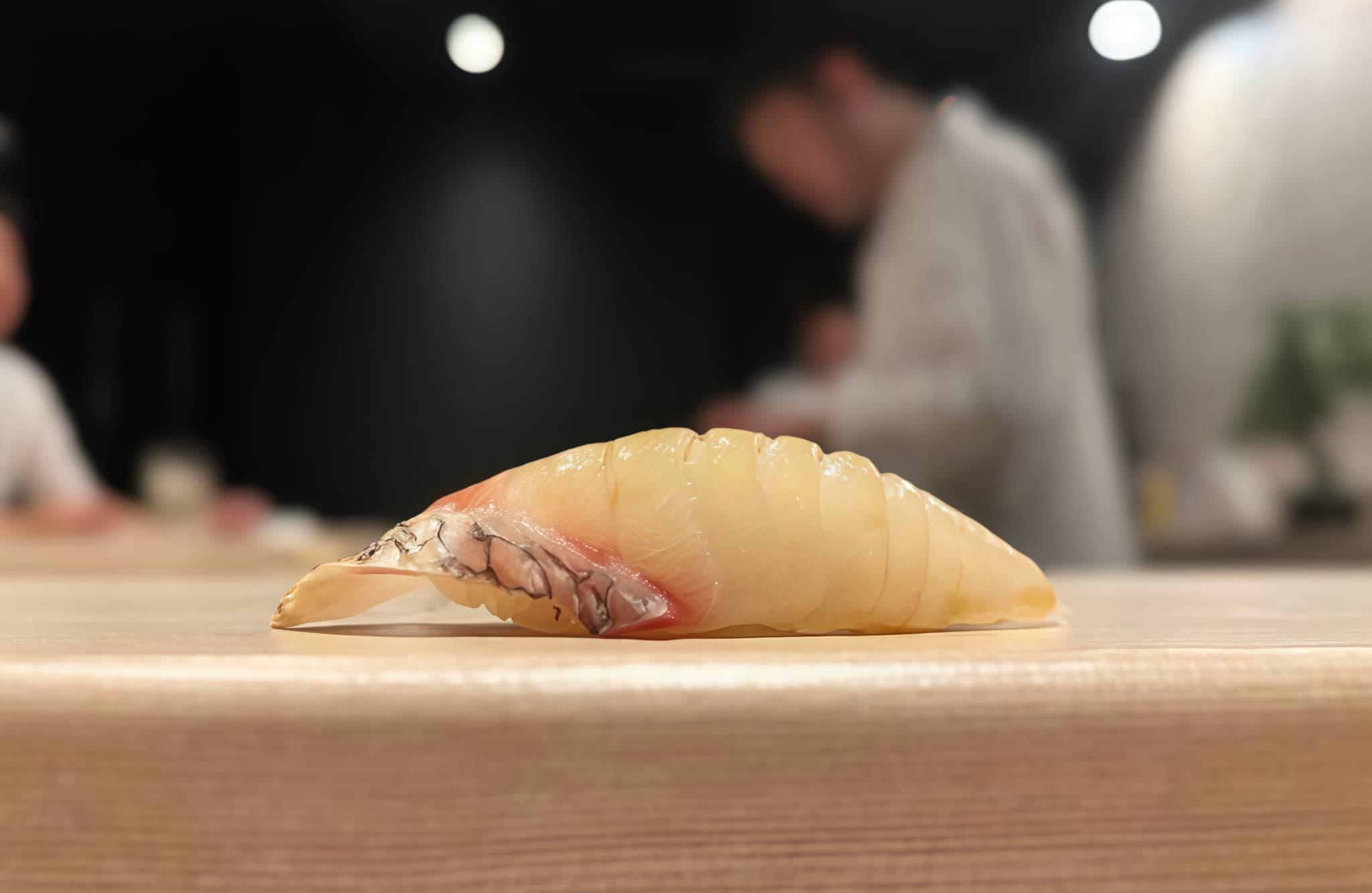
A case for serving fish at its peak.
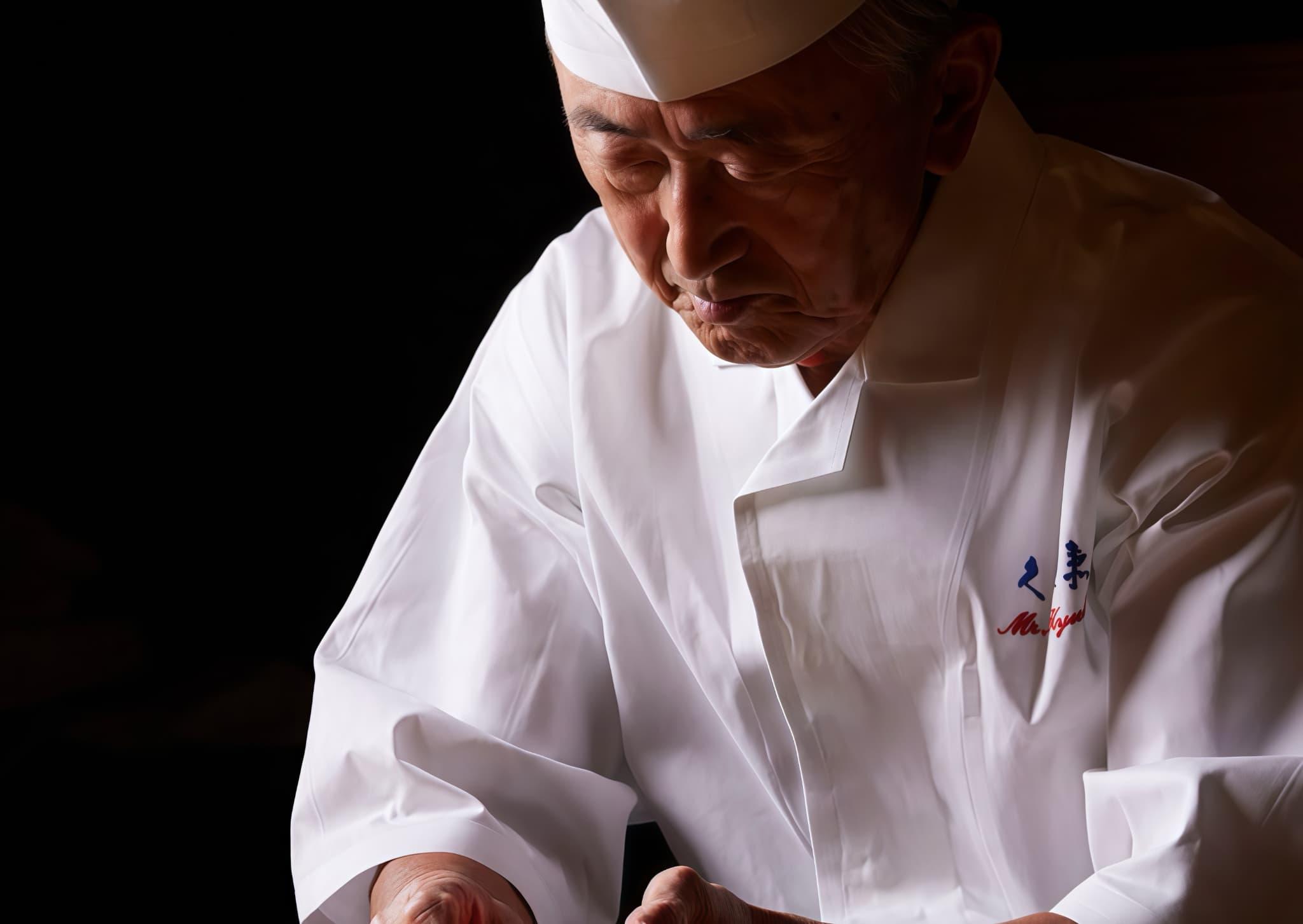
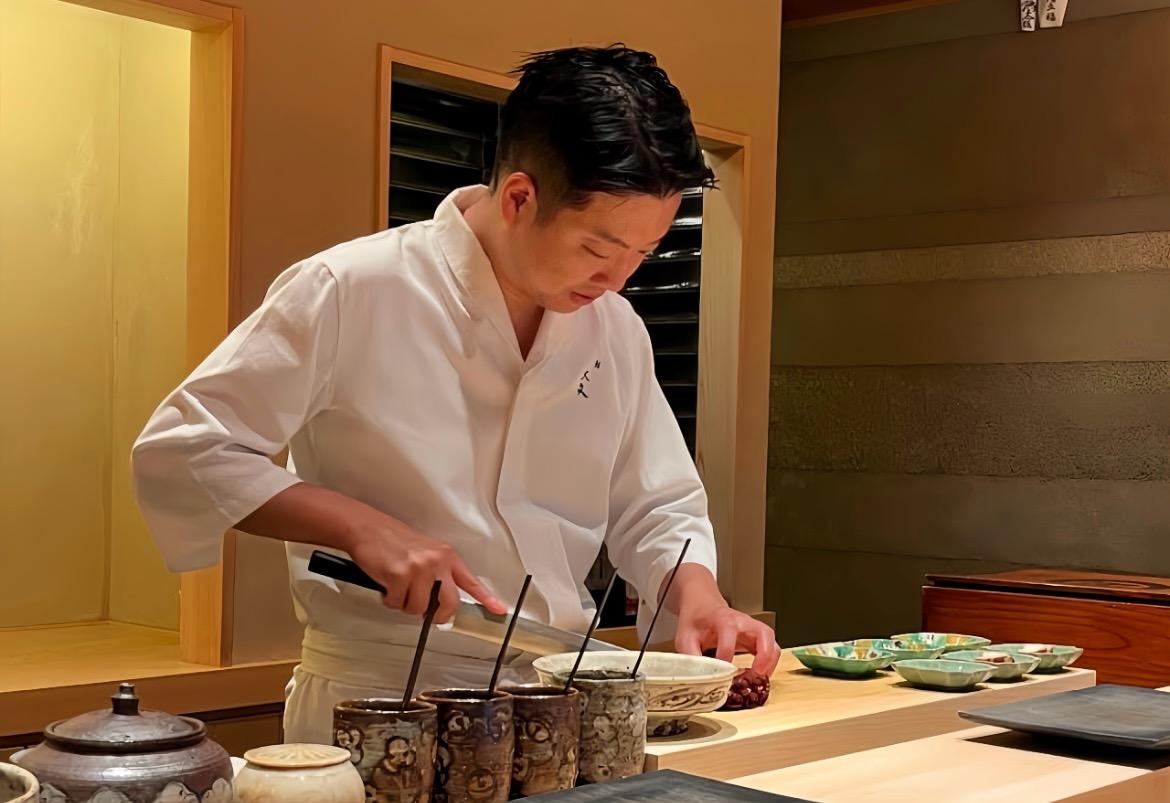
After moving from Kyodo to Takanawa Gateway, Sushi Nishioka has clearly entered a new phase. Chef Yosuke Nishioka, who came to sushi from a background in traditional Japanese cuisine and trained largely on his own, has been sharpening his craft year after year. Today he is widely regarded as one of the chefs leading the next generation of Tokyo sushi. It is not unusual to find his counter filled with Michelin-starred chefs and industry professionals who come on their days off just to eat his sushi.
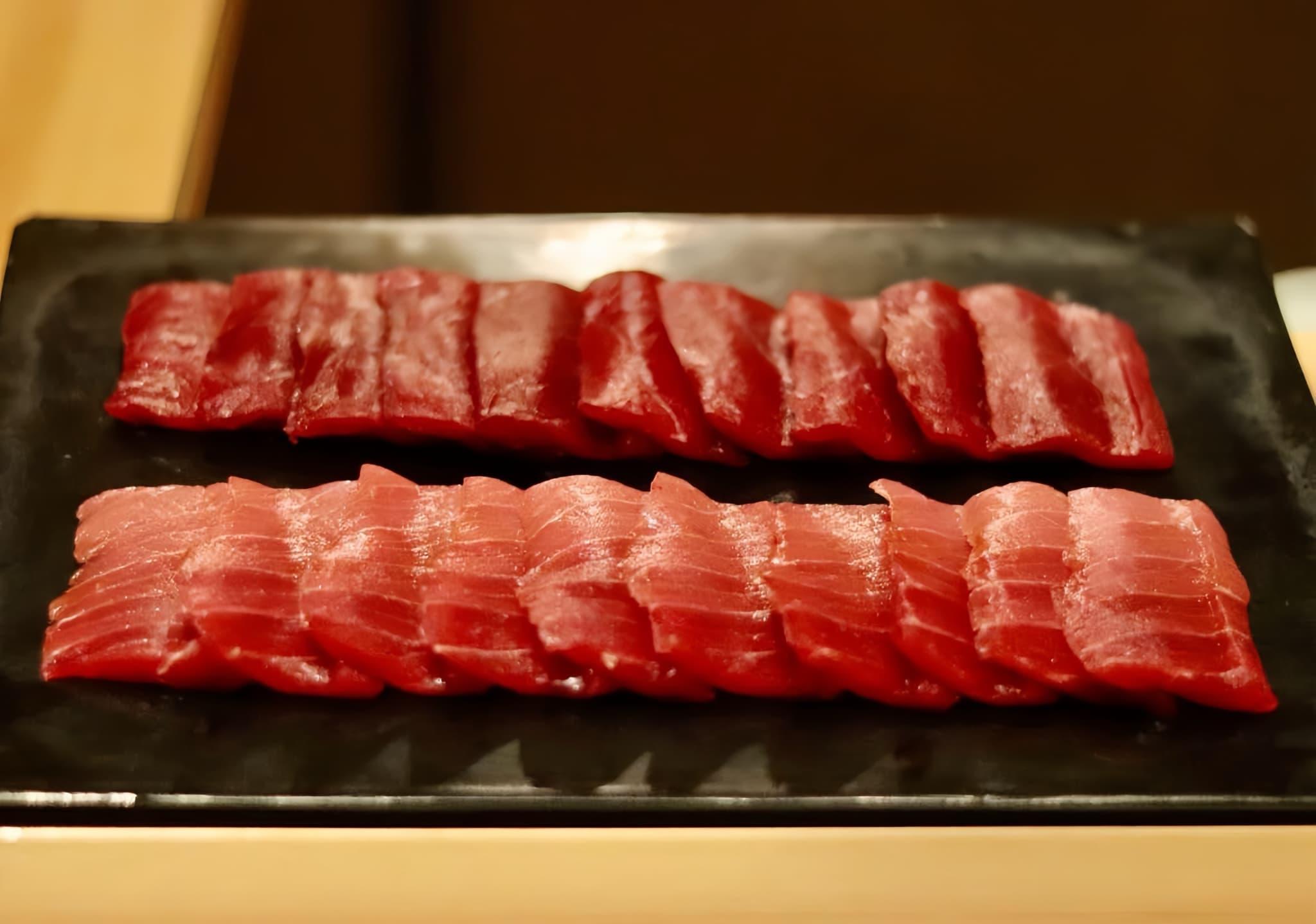
What they praise most is Nishioka’s ability to draw out the freshness of each fish. A self-proclaimed fish obsessive, he describes his job as “identifying the exact moment when each individual fish performs at its best. Not relying on aging, but keeping it fresh and delivering its natural flavor as directly as possible.”
To do that, he travels to the fishing grounds himself, boards the boats, and checks how the fish are handled and bled before deciding what to purchase. He once explored aging, but now commits to a style that maximizes purity and immediacy. Even small decisions—like occasionally using seawater instead of nikiri—reflect his fixation on clarity of flavor.
This intent shows from the very first plates.
Suzuki arrives with a firm, elastic bite. Kamasu is lightly grilled on the skin, giving off a fragrant aroma while the interior stays incredibly juicy. A large steamed abalone is cooked only for a few minutes, softening just enough while retaining its full aroma. Spanish mackerel is served with a rare center that highlights its clean sweetness. His fresh ikura, prepared without soy sauce, has a vivid flavor grain by grain. And the suji-ara, dressed with a warm broth made from baby clams, layers depth without losing the character of the fish itself.
Once the nigiri begins, the first thing you notice is the change in the shari.
He adjusted the cooking method this year, and the rice now breaks apart more softly and quickly, creating a more seamless connection between shari and neta.
Meichidai shows a concentrated sweetness; kohada is thick and confidently seasoned; sawara is tender with a refined finish; and the giant hokki clam fully blankets the rice, releasing sweetness and briny richness as you chew. Grilled items like kuromutsu and tachiuo are handled simply, letting the natural flavor stay front and center.
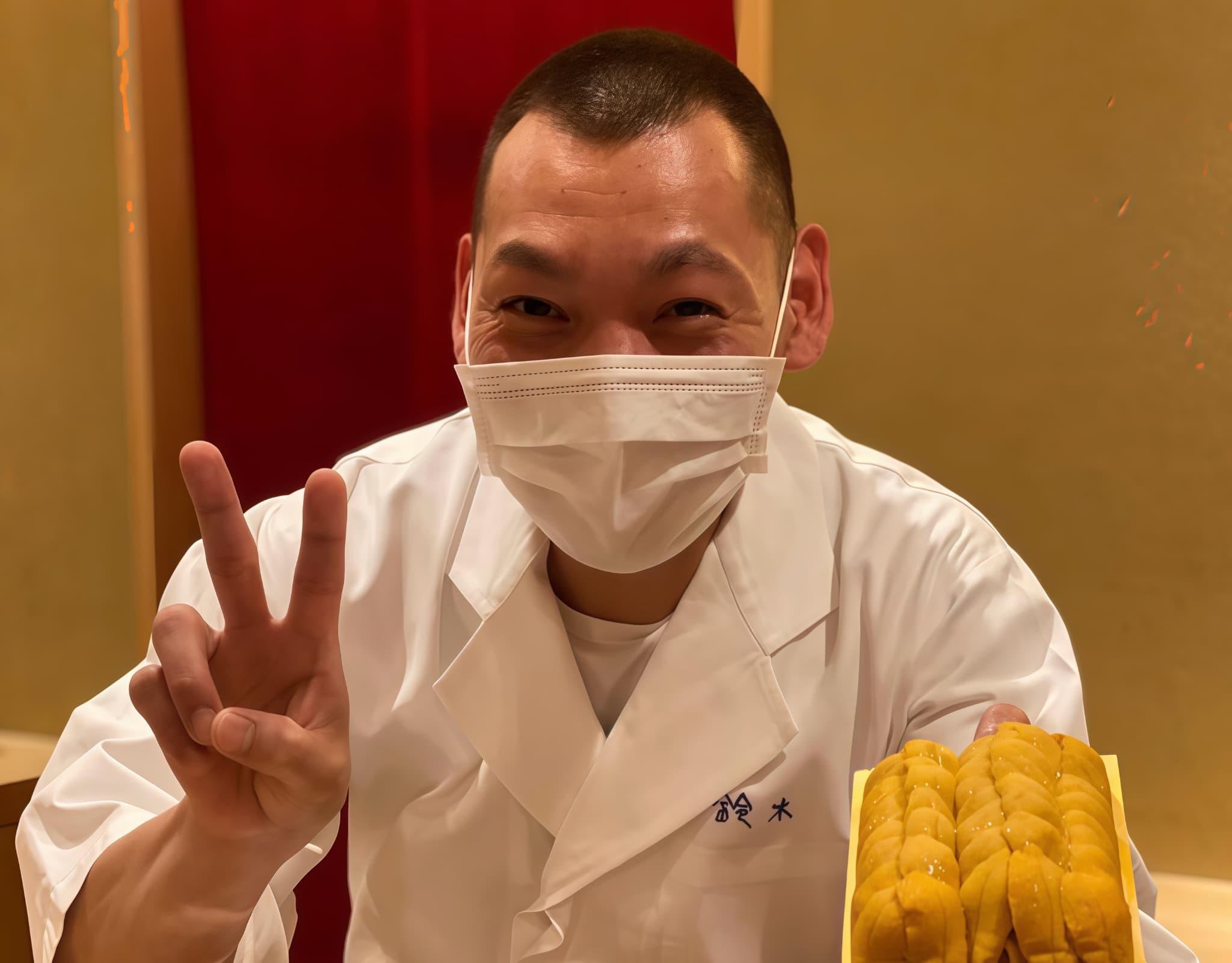
And then comes the piece that many guests quietly look forward to above all else: the red uni from Yura.
It is harvested in strong-current waters by fishermen who hand-pick individual urchins, delivering them without compromising freshness. The result is uni that is elegant, milky, aromatic, and unmistakably distinct from anything else served in Tokyo. It is the kind of piece that converts first-timers into regulars; a natural high point in the progression of the meal without any exaggeration needed.
The meal closes cleanly with a traditional roll—kanpyo or tekka depending on the day. On this visit, the tekka was particularly strong thanks to the quality of the tuna used earlier in the course.
Nishioka’s sushi is not about dramatic aging or elaborate theatrics.
It is about purity, precision, and knowing exactly when each fish should be served.
For diners who care more about essential flavor than showmanship, Sushi Nishioka is one of the most compelling young “orthodox Edomae” counters in Tokyo today.
Overview
| Cuisine | Sushi |
|---|---|
| Area | Shinagawa, Tokyo |
| Chef | Yosuke Nishioka |
| Background | Japanese restaurants in Tokyo |
| Shari | Medium acidity, Rice vinegar based |
| English support | Limited |
Courses

Lunch
Lunch omakase — Sun only.
Booking fee ¥1,000

Dinner
Omakase
Booking fee ¥1,000
Restaurant information
| Working Hours | 12:30~ 18:30~ |
|---|---|
| Seats | 6 |
| Payment | Visa, MasterCard, Diners, American Express, Cash |
| Smoking | Not Allowed |
| Alcohol take-in | Not Allowed |
| Phone number | 050-3091-0909 |
| Address | B102, 2-4-9 Kaminarimon, Taito-ku, Tokyo, Japan |
Location map

2026
October
More counters we can secure for you
Picked by the same team — similar style or nearby.