

Sushi Tokinari
Tokyo
Sushi
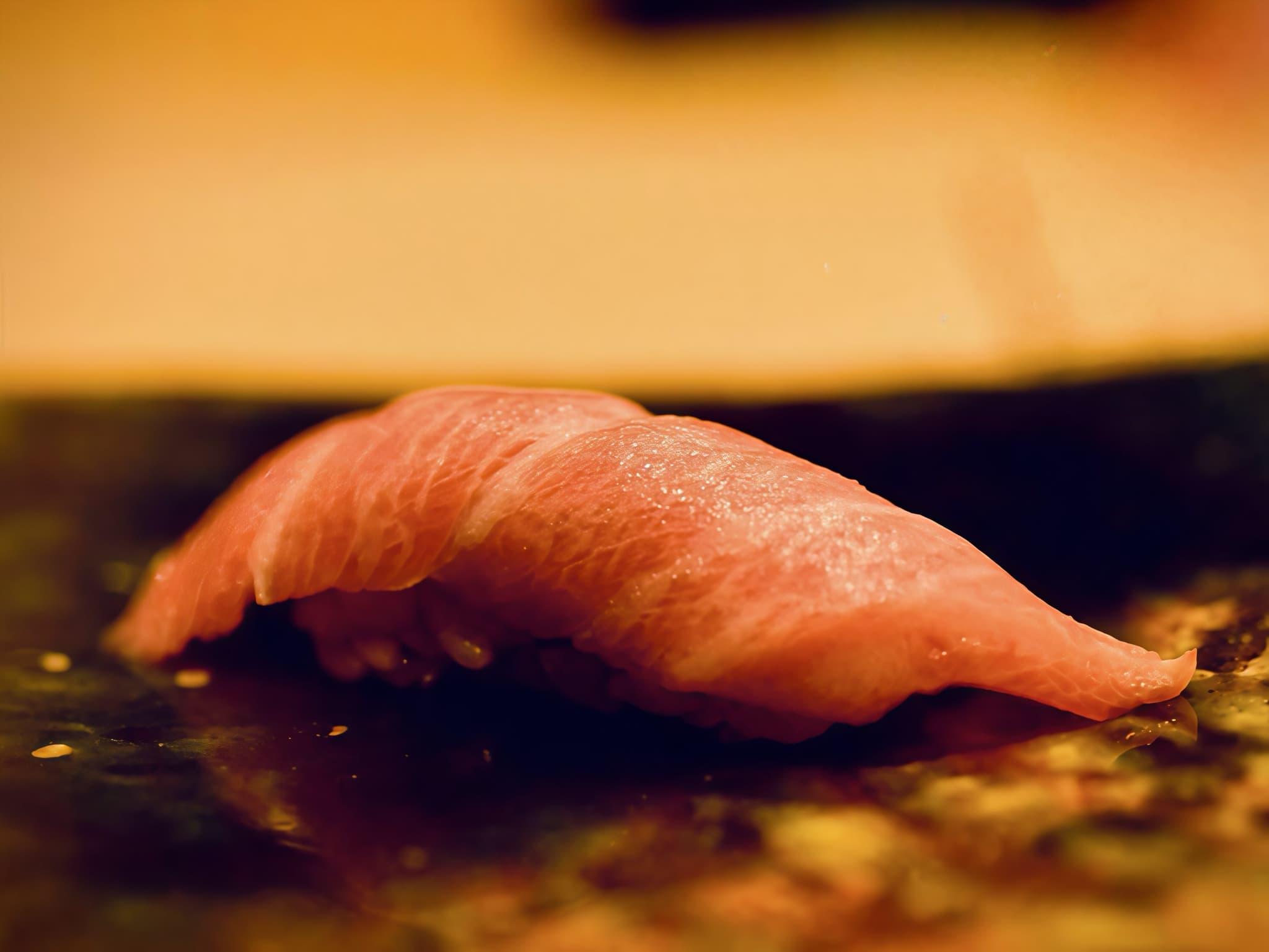
Tsukiji discipline, expressed without noise.
A quiet counter in a residential corner of Koenji, where decades of Tsukiji craft continue to evolve
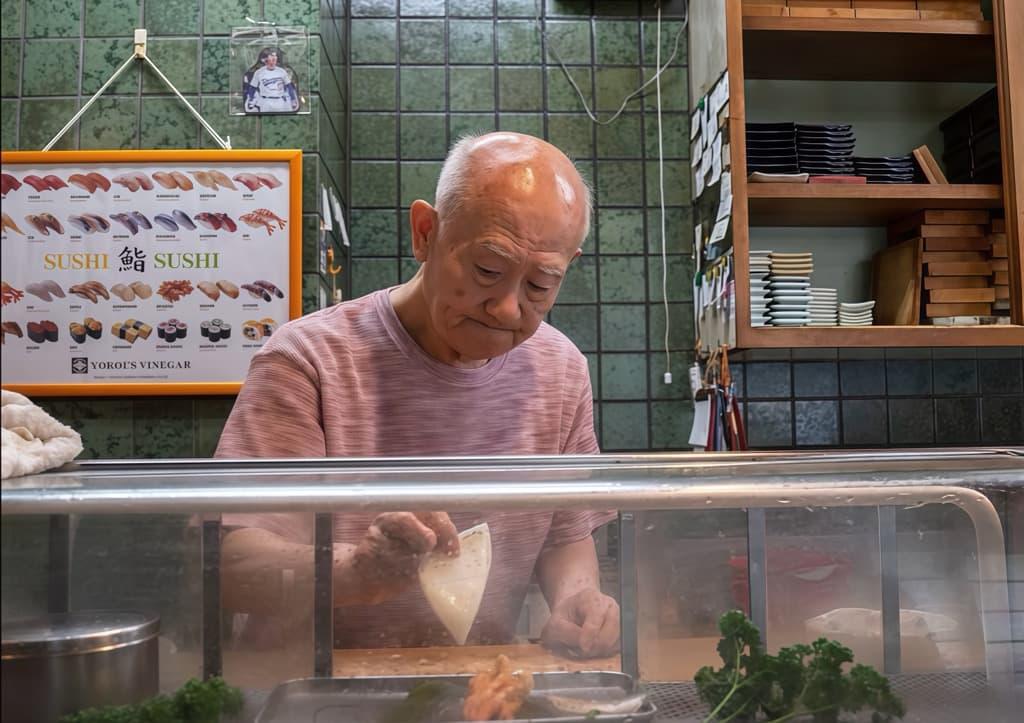
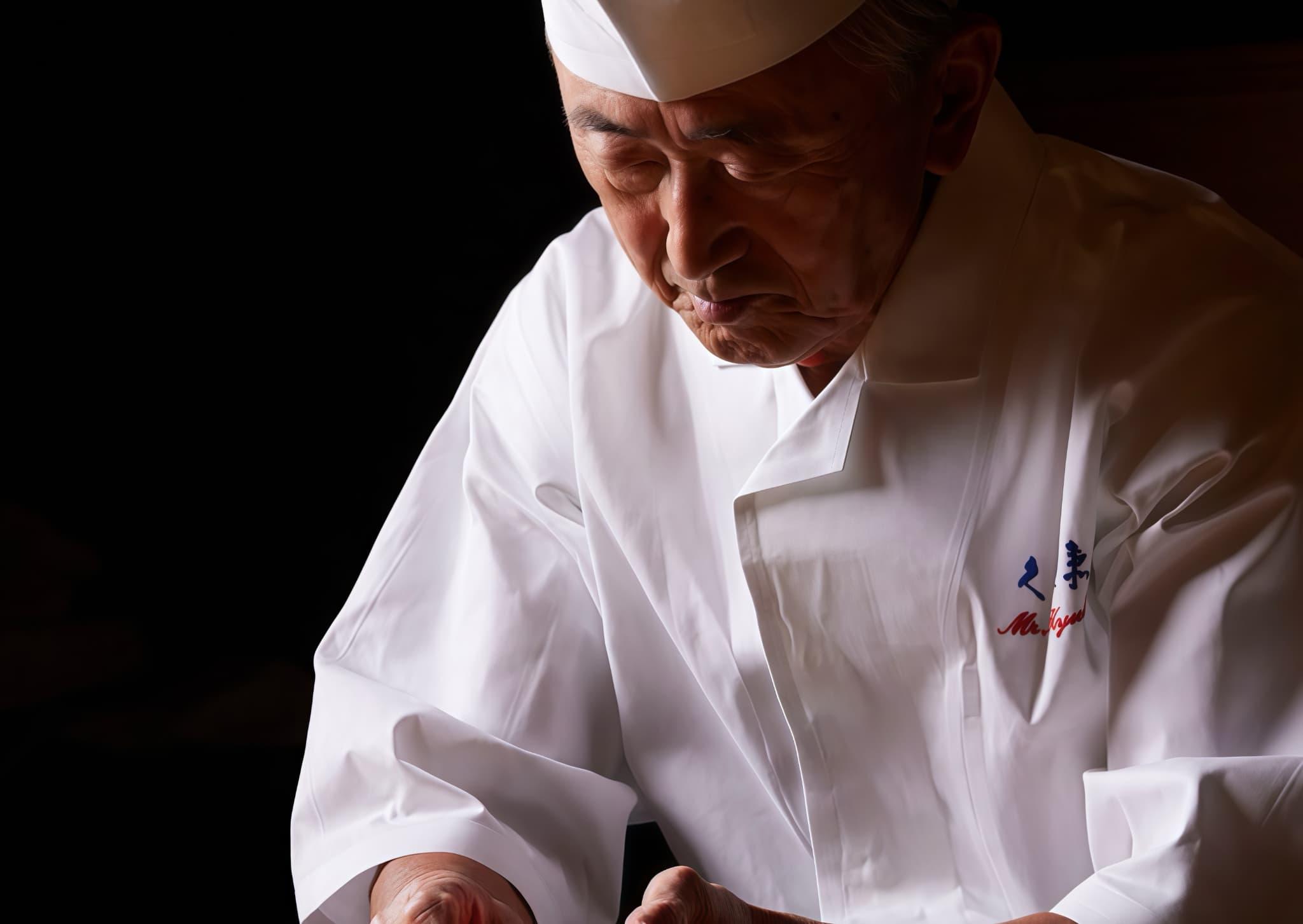
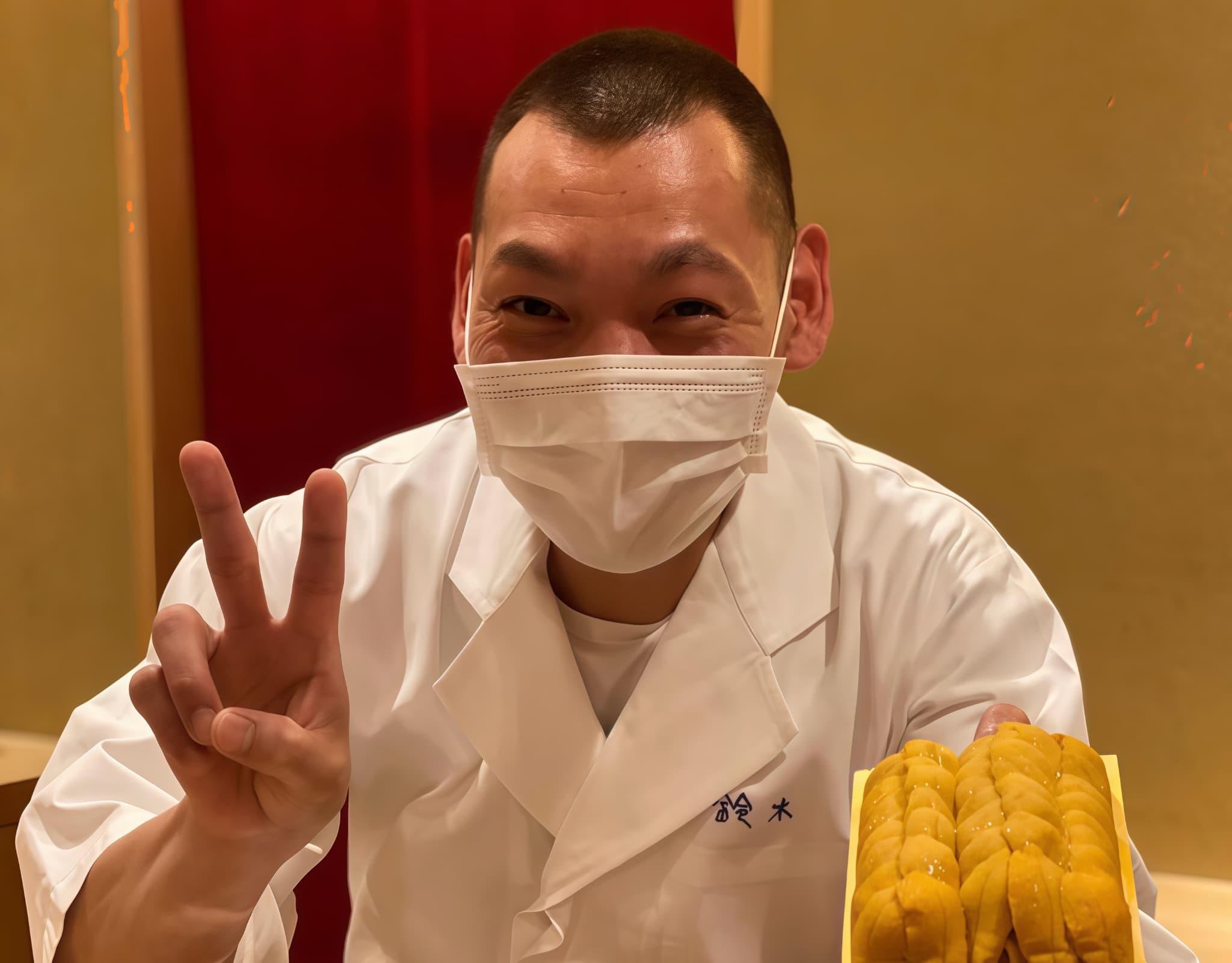
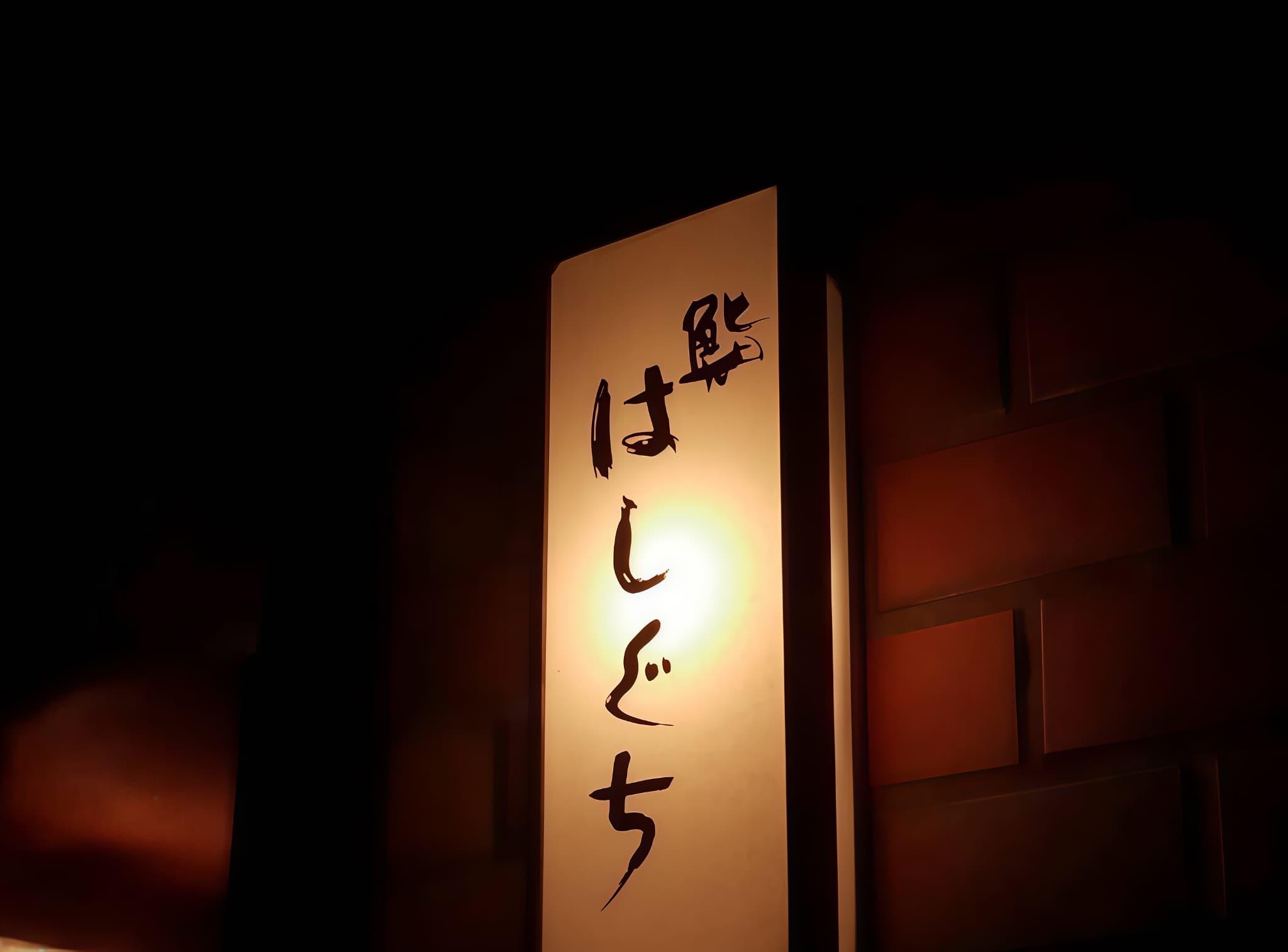
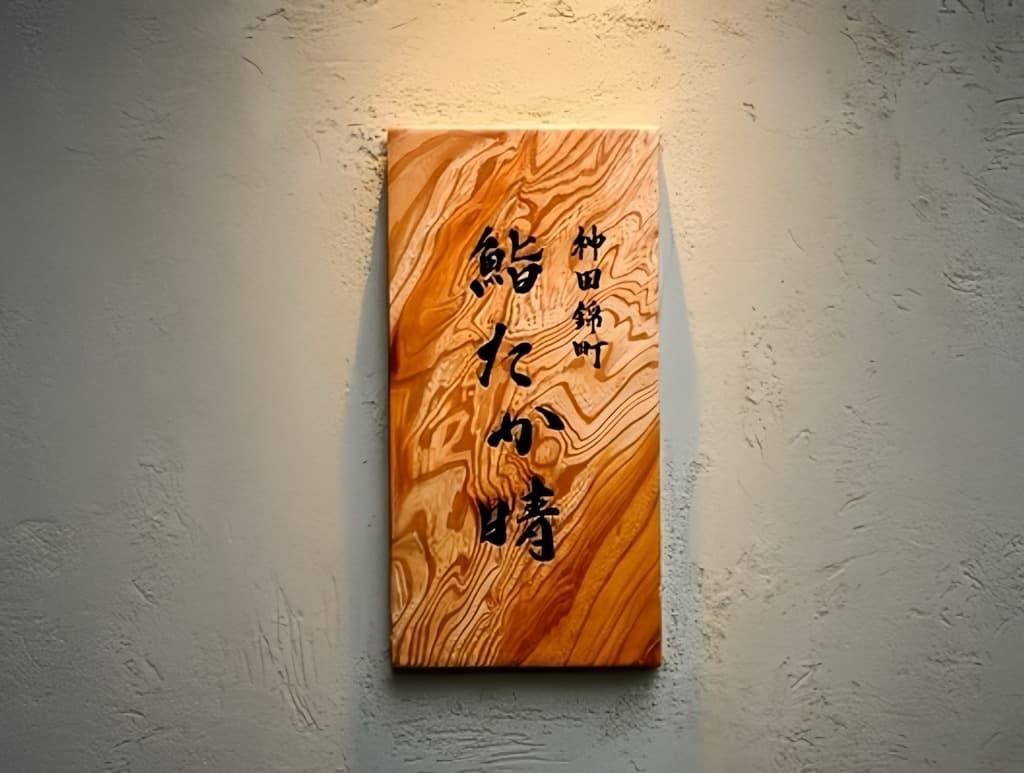
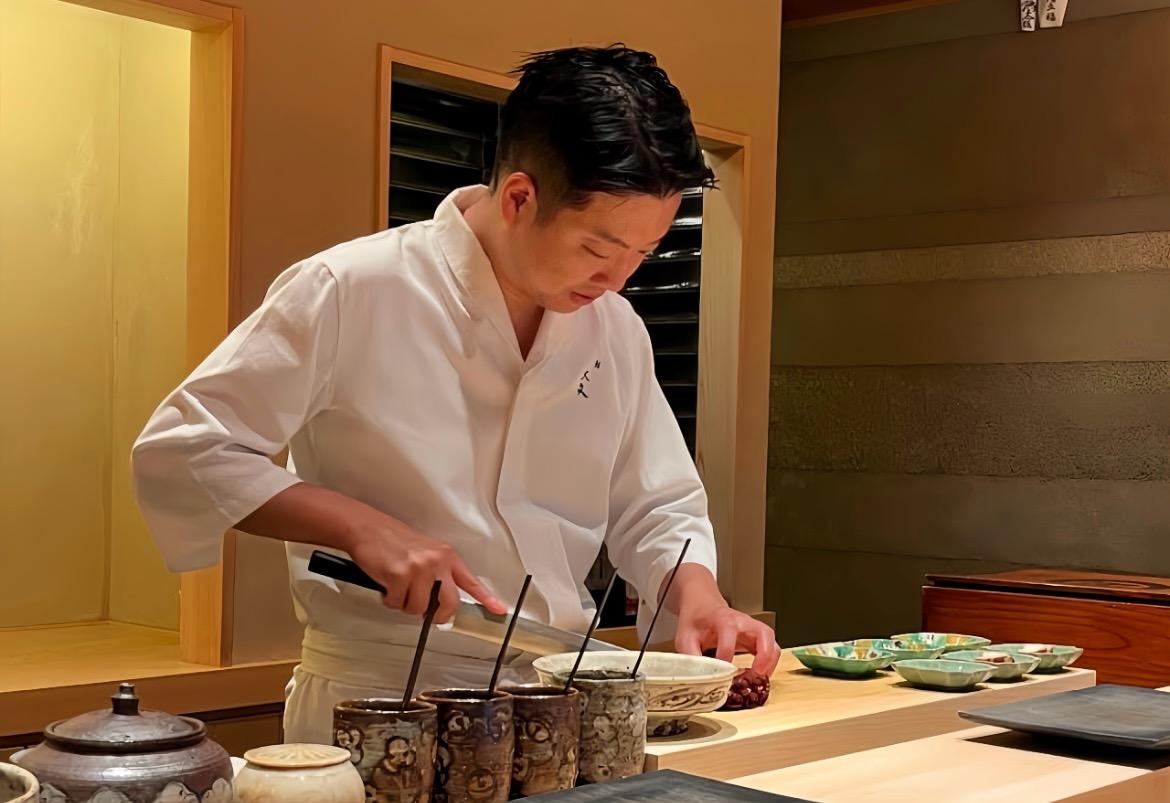
Hidden in a quiet neighborhood of Koenji, Sushi Tokinari has become one of the most talked-about sushi counters in recent years. Chef Naruhito Sato spent nearly thirty years at the legendary Sushi Bun inside the former Tsukiji Market, training under its fourth-generation master who was often described as “genius-level” in the world of Edomae technique. Among the many sushi shops inside the old market, Sato’s work stood out for its precision and balance, the kind that regulars would travel for even before dawn. When news spread that he had left Sushi Bun and quietly opened his own counter in Koenji,昔馴染みの常連 and curious gourmands began seeking out this new chapter of his craft.
The foundation of Tokinari is its shari. Sato uses only one vinegar: Yokoi Brewery’s red vinegar “Yoheibei”, without blending and without sugar, cut simply with salt. The bold aroma and deep color initially made even the chef doubt its suitability, but once combined with fish the grains found a clarity and harmony that surprised him. The shari carries a clean acidity that expands the flavor of the neta rather than competing with it, a result only possible for someone who has shaped thousands of pieces every day at Tsukiji.
Supporting this shari is a remarkable story: the rice is grown specifically for the restaurant by a regular guest from Otawara in Tochigi. After an off harvest year, the guest decided to grow rice himself — purchasing a tractor and cultivating a field to supply Tokinari. The result is a grain that absorbs red vinegar smoothly and cooks into glossy, distinct kernels. When Sato shapes it with just the right amount of air, the piece breaks apart gently in the mouth and binds seamlessly with fish and wasabi. It is the realization of what the chef has long said he aims for: sushi that becomes explosively delicious the moment it enters the mouth.
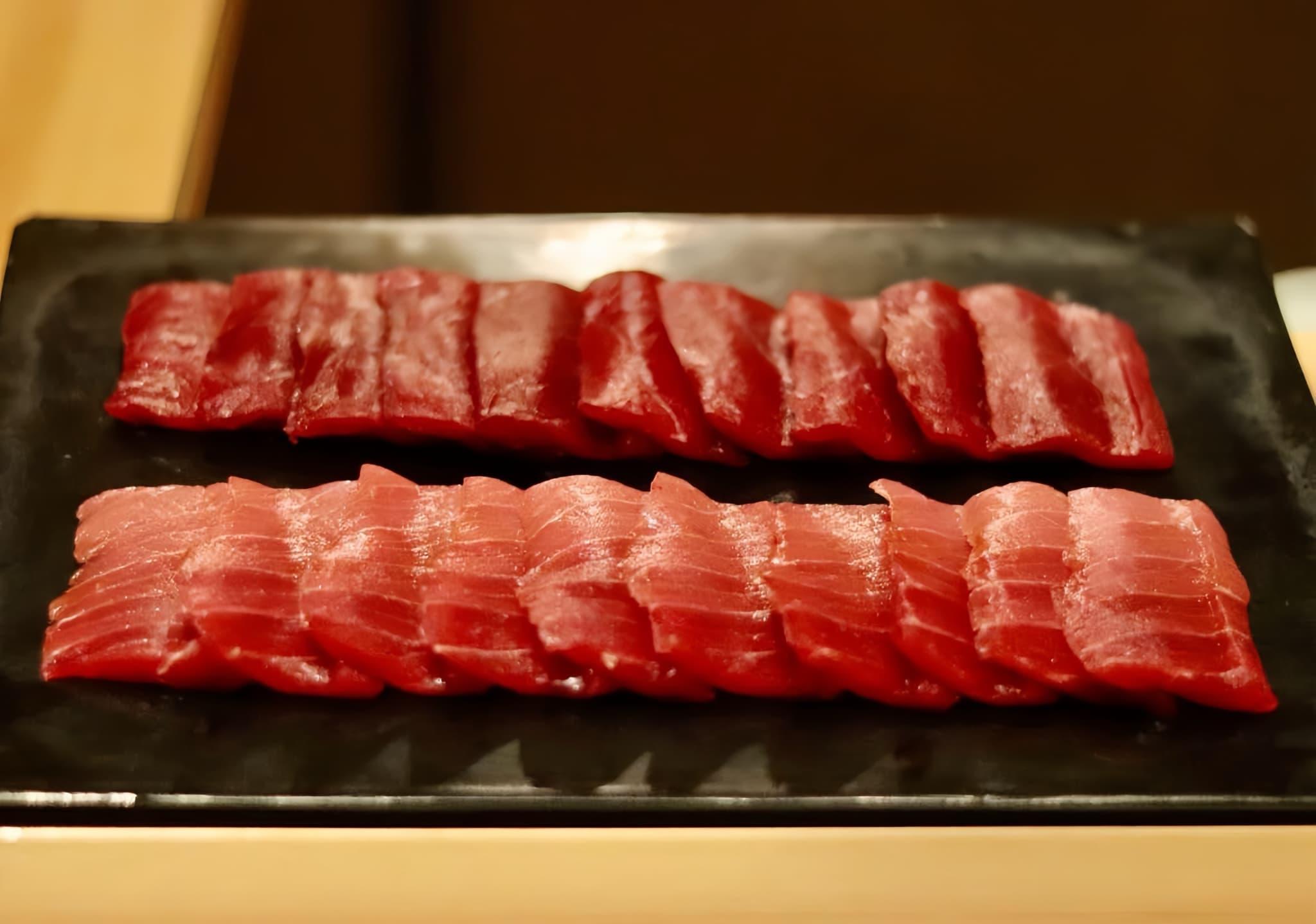
His sourcing reflects decades of relationships built at the market. Tuna and shellfish come from some of Toyosu’s strongest vendors, and Sato leans deeply into classical Edomae techniques. Clam and abalone are finished with a layer of chilled nikogori made from their cooking liquids, melting on the tongue and amplifying umami. The anago is exceptionally large — over 400 grams, far bigger than what most shops use — simmered gently for over twenty minutes until the flesh becomes airy and tender, almost dessert-like in texture. The tsume is a complex reduction combining anago broth, bones, and additional stocks from clam, abalone, and octopus, giving each piece a quiet depth that lingers.
The counter seats just eight guests, preserving a sense of focus that suits the style. Despite the craftsmanship and the quality of ingredients, the meal typically lands under twenty thousand yen even with drinks — a rarity at this level in Tokyo today. The final course, a gelato made in-house by the chef’s wife, has become a beloved signature for the way it eases the palate after the rich arc of the meal.
There is nothing showy about Sushi Tokinari. It avoids modern theatrics and instead channels the discipline of Tokyo’s traditional Edomae lineage, expressed through a singular red vinegar, exceptional fish, and the hand of a chef who has shaped sushi for decades. It is not a revival of Sushi Bun nor a nostalgic tribute; it is the distilled form of Sato’s own vision, carried quietly into the backstreets of Koenji.
Overview
| Cuisine | Sushi |
|---|---|
| Area | Koenji, Tokyo |
| Chef | Narihito Sato |
| Background | Sushi Bun in Tsukiji |
| Shari | Medium acidity, Red vinegar based |
| English support | Available |
Courses

Dinner
Nigiri
Booking fee ¥1,000
Dinner
Omakase
Booking fee ¥1,000
Restaurant information
| Working Hours | 17:00 - 22:00 |
|---|---|
| Seats | 8 |
| Payment | Visa, MasterCard, Diners, American Express, Cash |
| Smoking | Not Allowed |
| Alcohol take-in | Not Allowed |
| Phone number | 03-3311-0339 |
| Address | 2-51-3 Koenji-Minami, Suginami-ku, Tokyo, Japan |
Location map

2026
October
More counters we can secure for you
Picked by the same team — similar style or nearby.