

Shimbashi Tsuruhachi
Tokyo
Sushi
Six seats. No excess. Pure Edomae in Shimbashi.
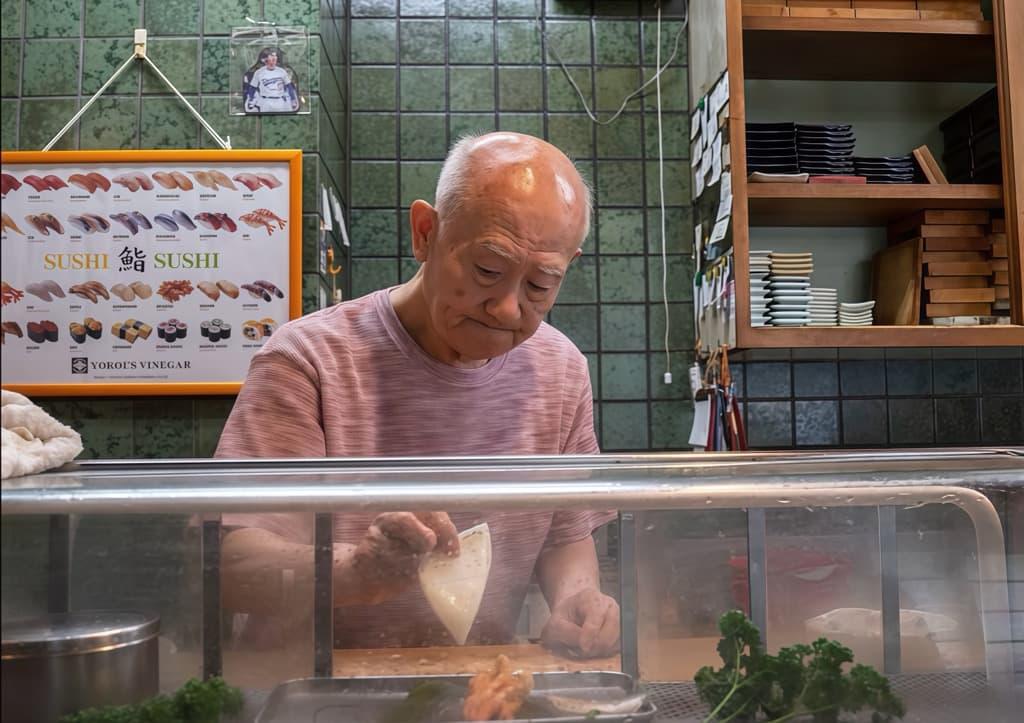
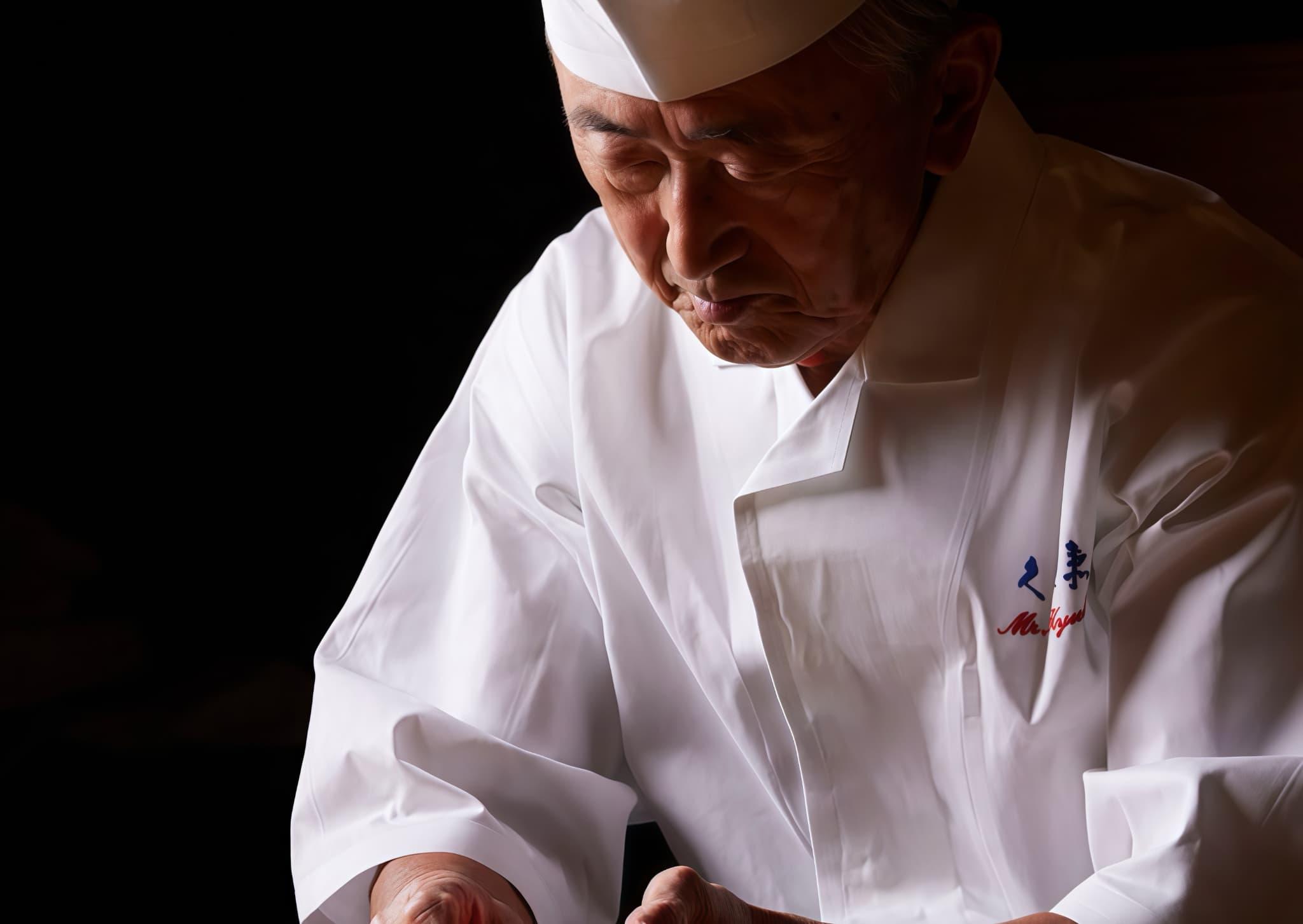
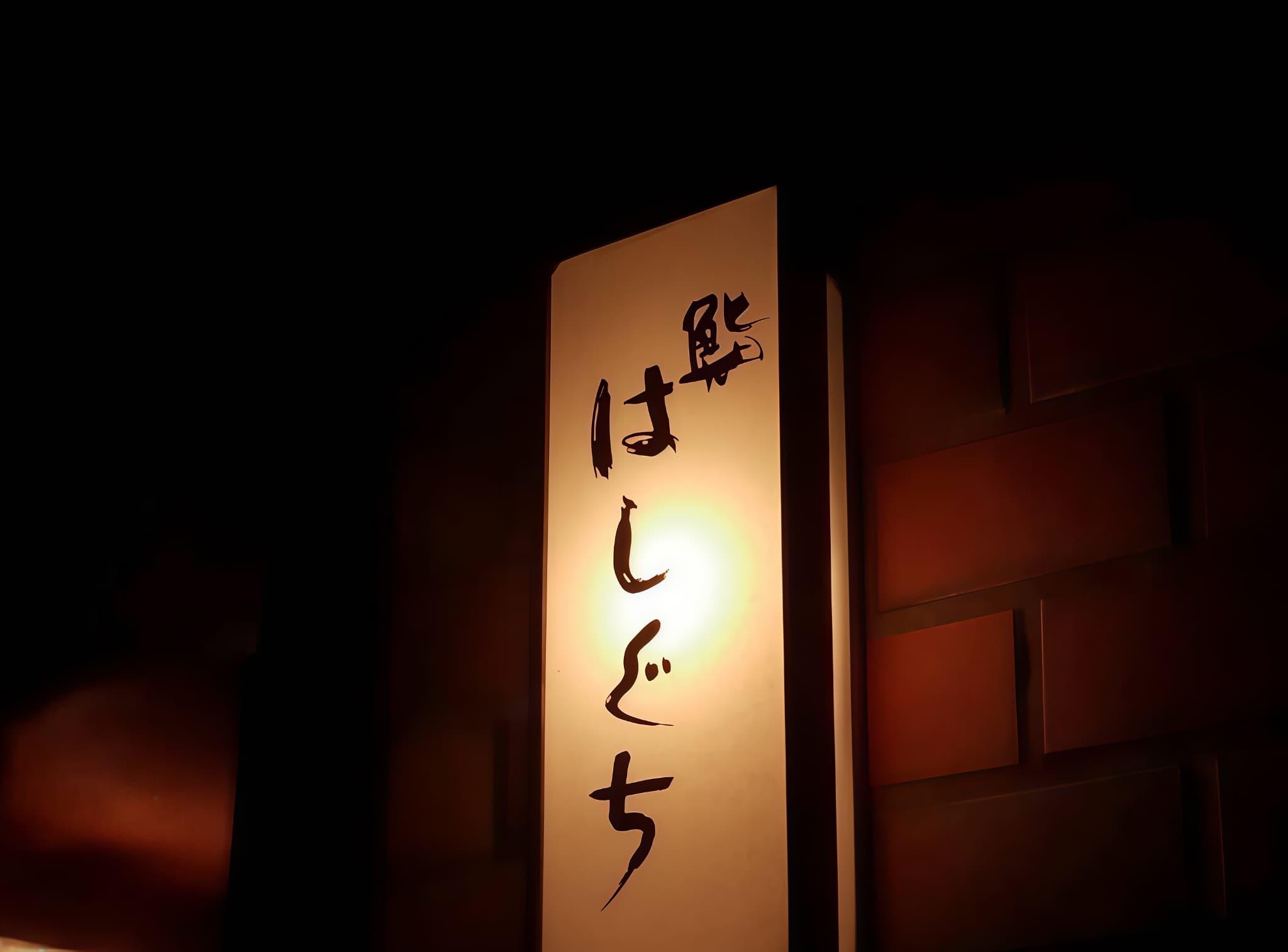
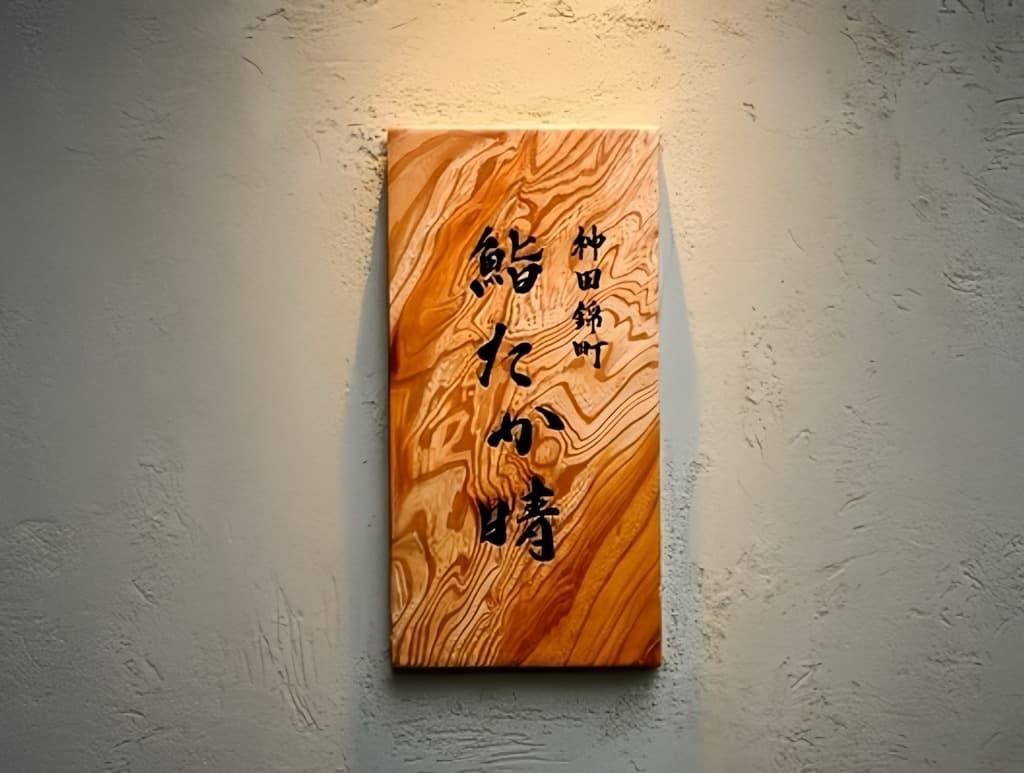
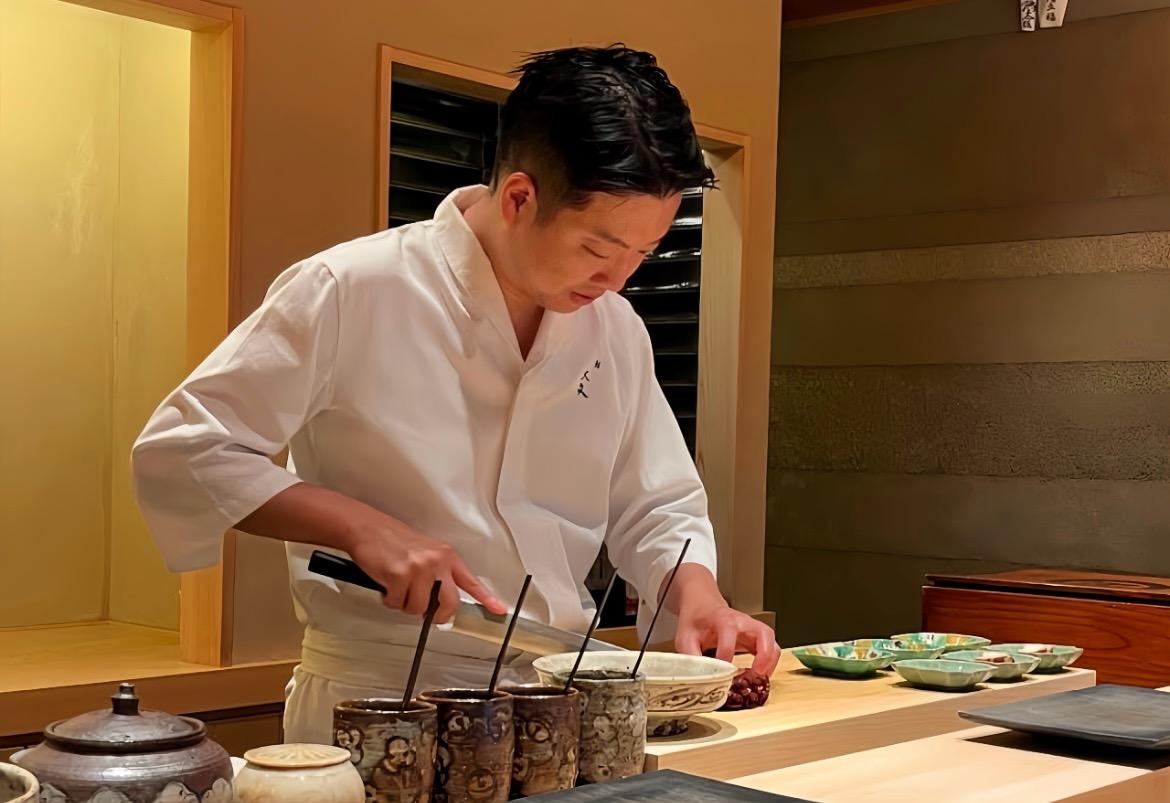
With only six seats, Sushi Igarashi feels more like a private workshop than a restaurant. Hidden inside an unassuming building in Shimbashi, the room is quiet and understated. There is little to distract from the counter, and before long, your attention settles entirely on the chef's hands.
Chef Hirokazu Igarashi trained in the Tsuruhachi lineage and is a junior contemporary of Kunihiro Shimizu of Shimbashi Shimizu, placing his restaurant within one of Tokyo's most exacting Edomae traditions. That influence is never stated outright, but it quietly shapes the meal. The pacing is measured, the service restrained, and every piece arrives with the confidence of a style that has been refined over decades rather than reinvented.
The meal begins with a series of carefully judged otsumami before moving into nigiri. Thick slices of steamed abalone highlight the shellfish's natural salinity without relying on additional seasoning. Kombu-cured flounder retains both tenderness and structure, with the kelp lending depth rather than announcing itself. The octopus is cooked until remarkably tender while still offering a gentle bite, the result of careful timing rather than prolonged cooking.
The restaurant's shari follows a more traditional approach, seasoned with rice vinegar instead of the stronger red vinegar favored by many newer sushi counters. Salt is present but restrained, allowing the fish to remain at the forefront. What becomes increasingly impressive over the course of the meal is its consistency. The rice stays at an ideal temperature from the opening nigiri to the final piece, something guests are more likely to notice across an entire course than in any single bite.
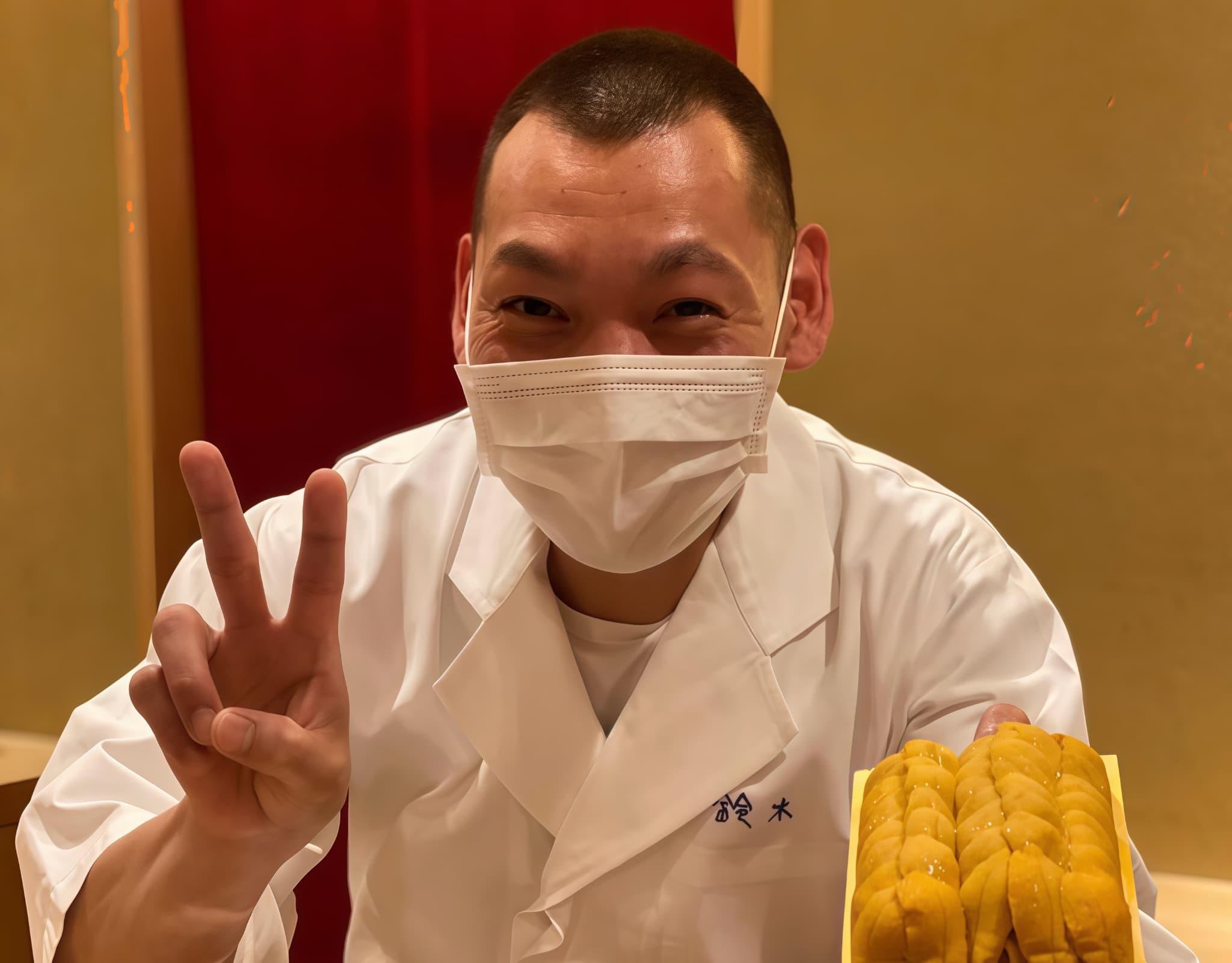
Several pieces reveal the chef's precision particularly well. The saba is rich with fat yet finishes remarkably clean because the curing is so carefully balanced. Larger kohada, intentionally selected rather than simply accepted, receive knife work and seasoning adjusted to suit their size instead of following a fixed formula. The uni is generously piled above the gunkan, held together simply by its freshness and careful temperature control.
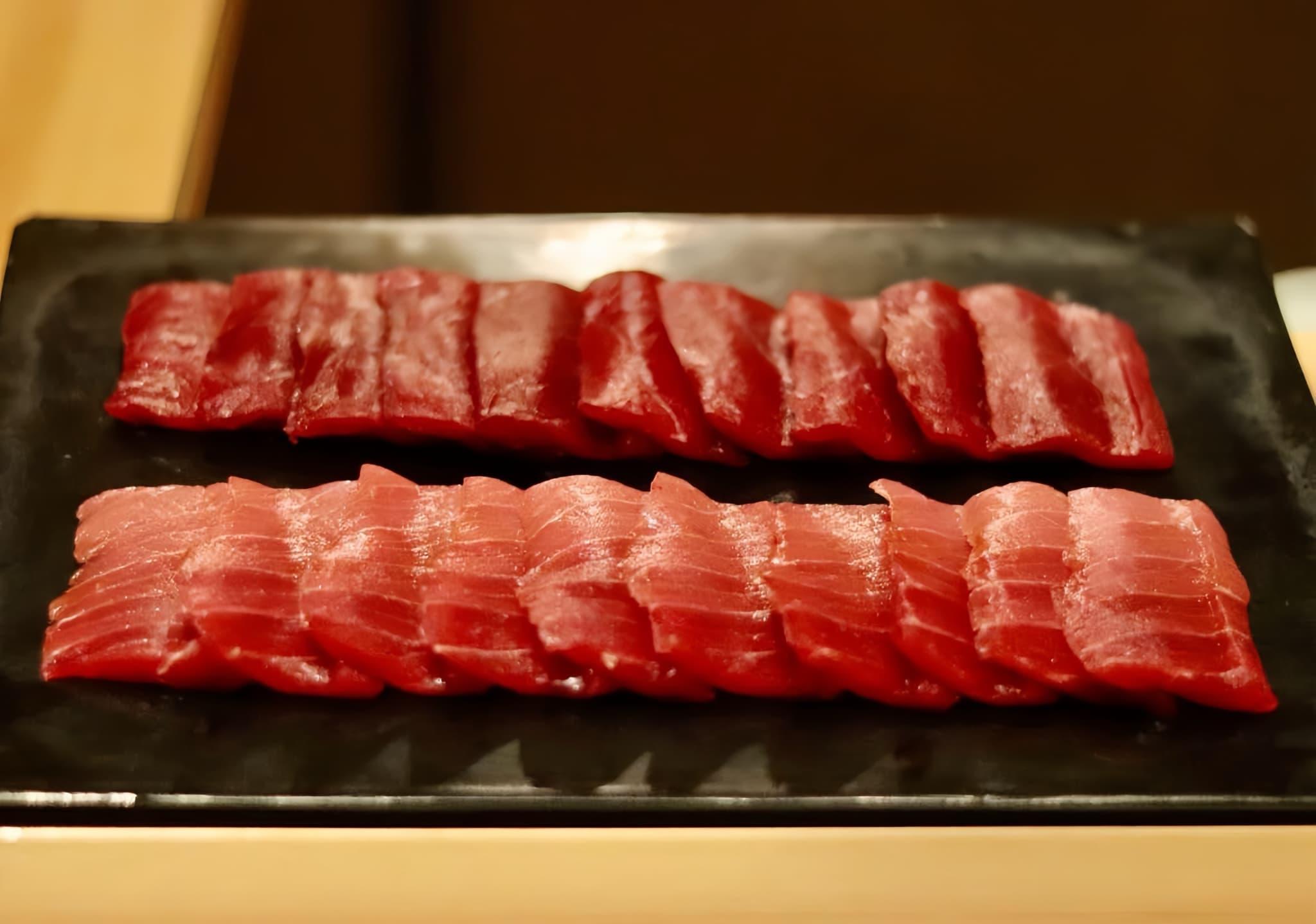
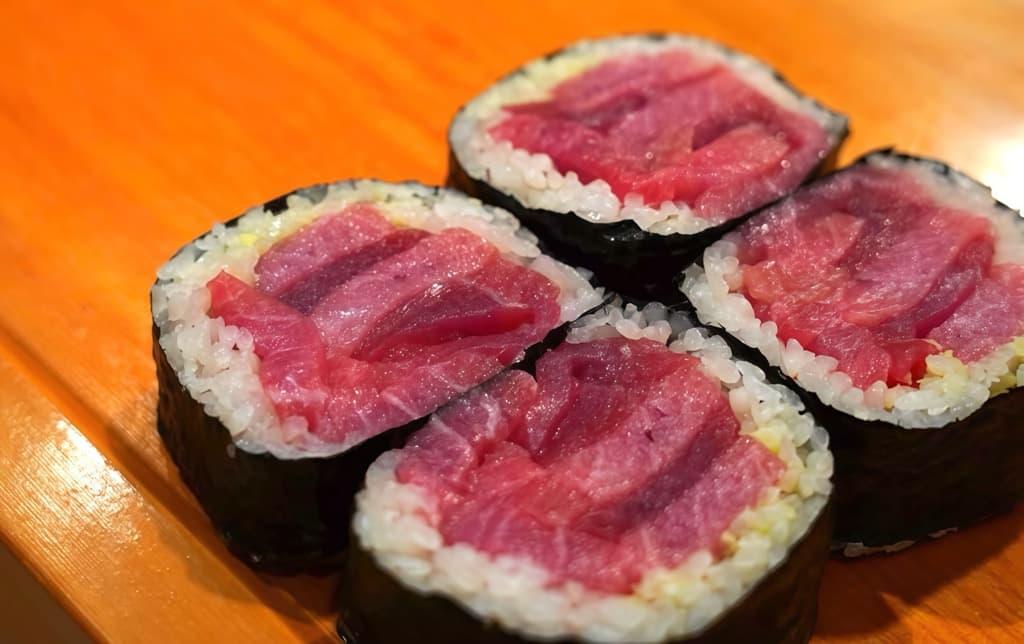
The meal concludes with Igarashi's signature honmaguro roll. Thick slices of bluefin tuna are layered with seasoned shari and crisp nori, creating the boldest expression of tuna in the course. It provides a natural finale, leaving the clean richness of bluefin as the final impression.
Guests can choose between a nigiri-only course or a fuller omakase that includes the opening appetizers, depending on their schedule and appetite. With only six seats available, reservations are recommended, and TableEX can arrange them directly on your behalf.
Overview
| Cuisine | Sushi |
|---|---|
| Area | Shimbashi, Tokyo |
| Chef | Hirokazu Igarashi |
| Background | Jimbocho Tsuruhachi |
| Shari | Medium acidity, Rice vinegar based |
| English support | Limited |
Courses

Lunch
Lunch nigiri course Fri & Sat only.
Booking fee ¥1,000

Dinner
Nigiri only
Booking fee ¥1,000
Dinner
Omakase
Booking fee ¥1,000
Restaurant rules
Cash payments only — credit cards are not accepted.
Restaurant information
| Working Hours | 11:30 - 13:00 17:00 - 22:00 |
|---|---|
| Seats | 11 |
| Payment | Cash |
| Smoking | Not Allowed |
| Alcohol take-in | Not Allowed |
| Phone number | +81 3-6206-6886 |
| Address | 2F, New Shimbashi Building, 2-16-1 Shimbashi, Minato-ku, Tokyo, Japan |
Location map

2026
October
More counters we can secure for you
Picked by the same team — similar style or nearby.