

Jige Tsukiji
Tokyo
Izakaya
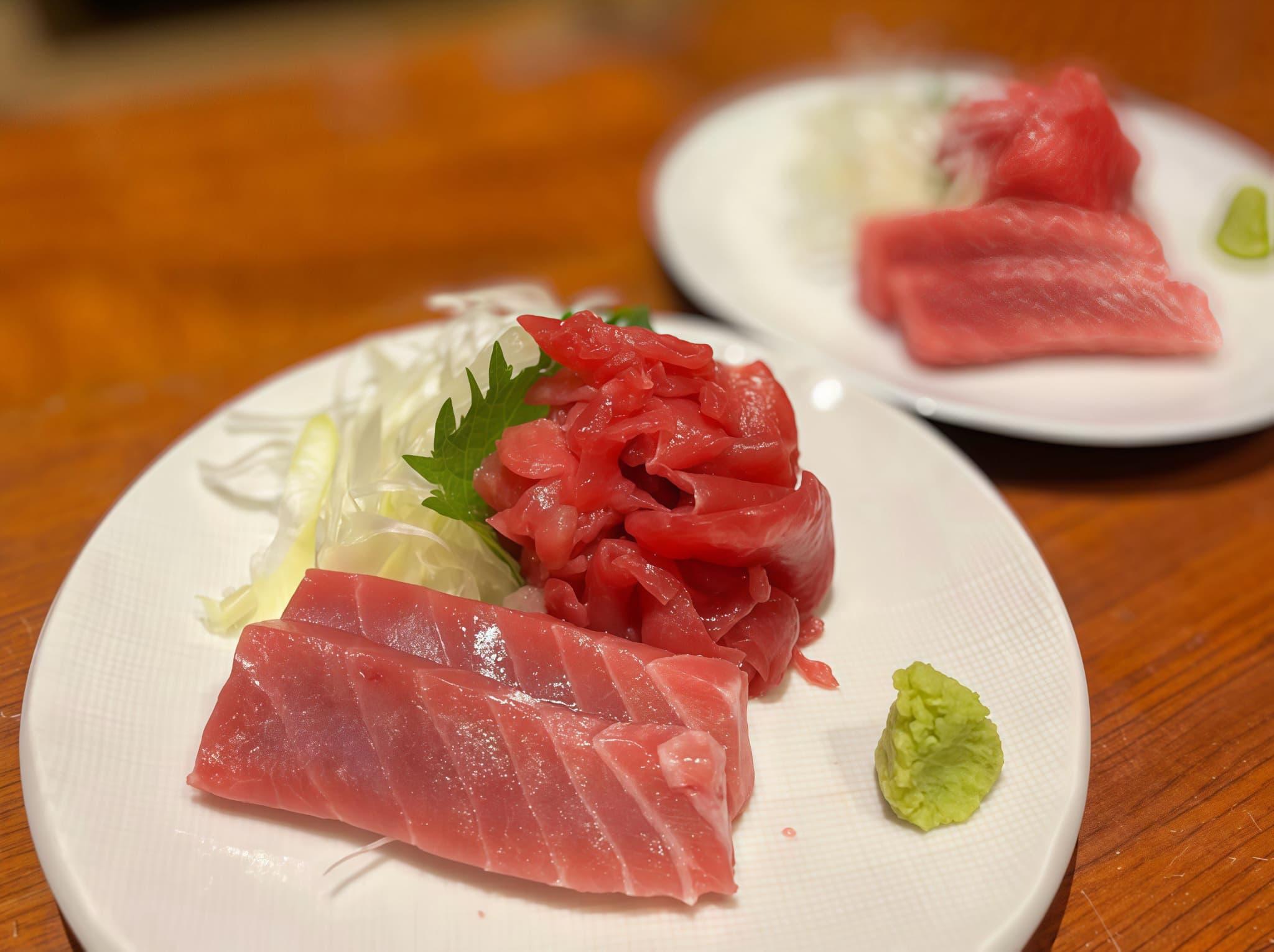
Scraping tuna straight off the bone in Tsukiji.
In a narrow backstreet of Tsukiji, Binchō Charcoal Grill Jige has built its reputation around a part of the tuna that most restaurants never serve. Instead of presenting slices already prepared in the kitchen, the restaurant places an entire honmaguro naka ochi backbone on the table and hands guests a clam shell, inviting them to scrape the meat for themselves.
The experience is unexpectedly satisfying. The meat comes away in uneven ribbons, rich with bluefin fat yet remarkably clean, with a sweetness and faint mineral character that needs nothing more than its natural flavor. Soy sauce feels almost unnecessary.
That signature dish is possible because of the owner's long relationship with Tsukiji's fish wholesalers. After years of working with the market, Jige secured the rare opportunity to purchase tuna backbones directly, something few restaurants are able to do. It has since become the restaurant's defining specialty, attracting both Tokyo regulars and visitors from overseas.
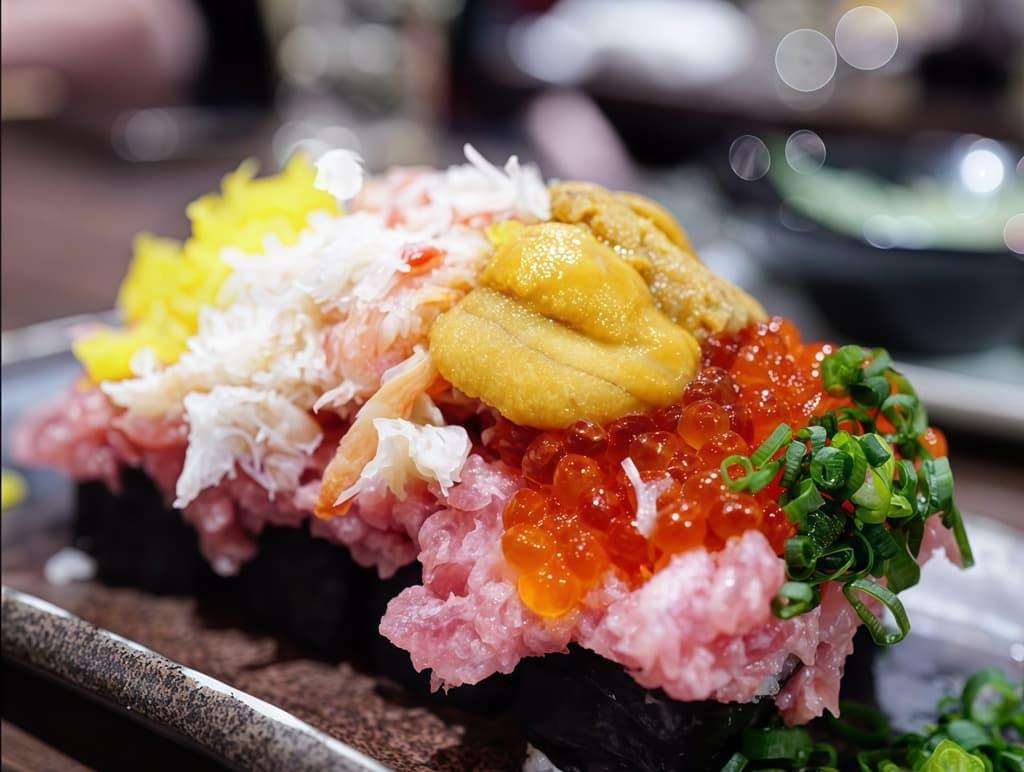
The meal does not end once the bone has been scraped clean. The remaining meat returns to the kitchen and reappears in a different form chosen by the guests. It may become tekka maki, namerō, or a lightly dressed carpaccio. Some preparations are finished over binchotan charcoal, adding a subtle smokiness that transforms the same tuna into an entirely different dish.
The rest of the course follows the same philosophy. Charcoal grilled asparagus, shellfish, and seasonal sashimi arrive before guests are invited to lightly grill selected seafood at the table. Kampachi, octopus, bonito, or salmon each respond differently to the heat, releasing aroma and sweetness without losing their freshness. The octopus with grated daikon and ponzu is particularly memorable, while even dishes such as yakitori and corn fritters demonstrate the kitchen's confident command of charcoal.
Later, the tuna backbone returns once again, this time fully grilled as kama, with crisp skin, melting fat, and grated daikon balancing its richness. Another highlight is the restaurant's charcoal shabu yaki, in which fish such as striped jack, cutlassfish, or octopus are briefly seared by the chef before serving. The result is seafood that remains tender at its core while picking up just enough aroma from the fire.
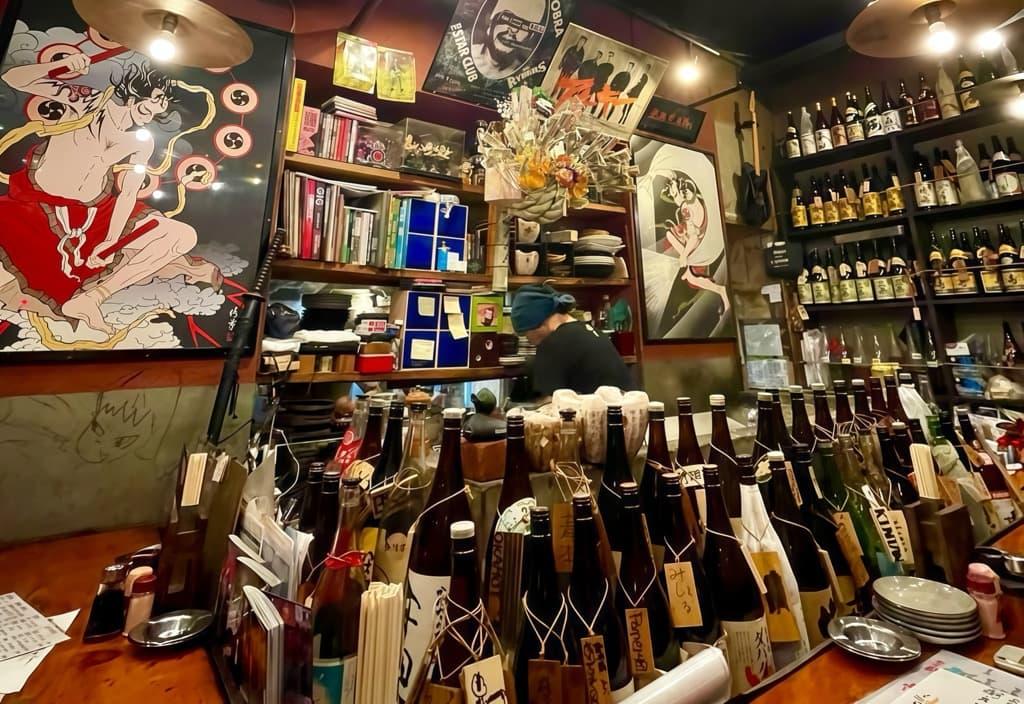
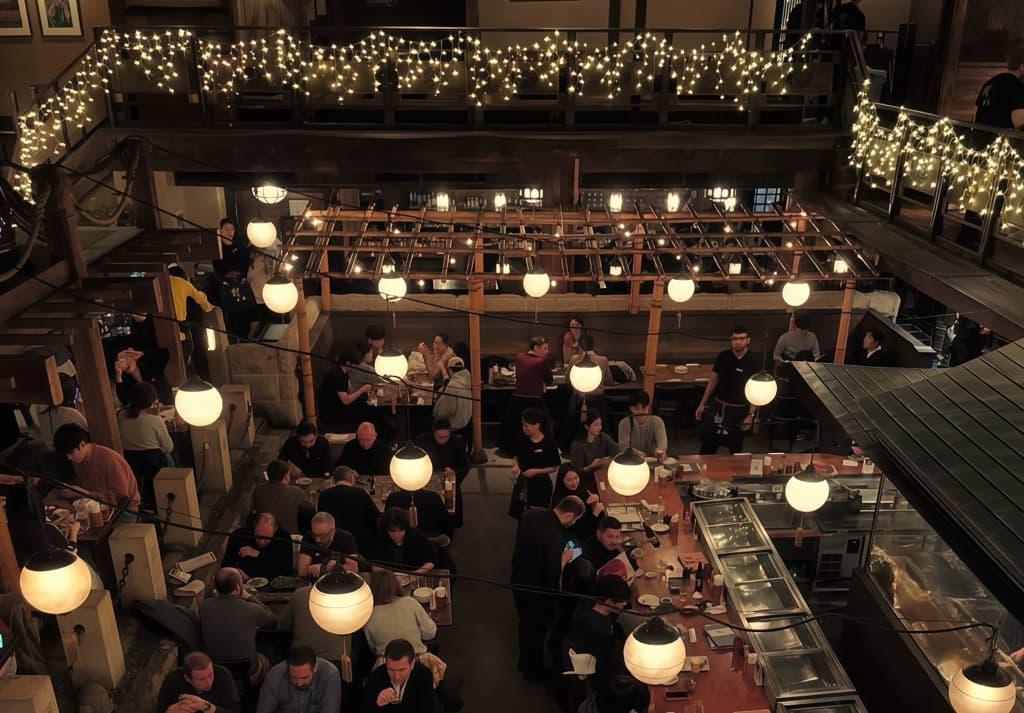
A full course costs around ¥12,000 per person, representing exceptional value considering both the quality of the seafood and the amount of bluefin tuna included. Because each party receives its own tuna backbone, the naka ochi course must be reserved in advance. The restaurant seats around thirty guests at a mix of counter and table seating, and the lively service guides diners through each stage of the meal, from the first scrape of the shell to the final grilled serving.
By the end of the evening, the same bluefin tuna has appeared raw, chopped, rolled, and grilled. Few restaurants build an entire course around a single fish with this much imagination.
Courses

Dinner
Charcoal-Grilled Course (tuna scooping not included)
Booking fee ¥1,000
Dinner
Special Omakase
Booking fee ¥1,000
Restaurant rules
Substitutes are not accepted. The guest who made the reservation must attend in person.
Restaurant information
| Working Hours | 17:00 - 22:00 |
|---|---|
| Seats | 50 |
| Payment | Visa, MasterCard, Diners, American Express, Cash |
| Smoking | Not Allowed |
| Alcohol take-in | Not Allowed |
| Phone number | 03-3248-6332 |
| Address | 2-14-3 Tsukiji, Chuo-ku, Tokyo, Japan |
Location map

2026
October
More counters we can secure for you
Picked by the same team — similar style or nearby.