

Dashin Soan
Tokyo
Soba Udon
Where Serious Soba Is Cooked in Absolute Calm
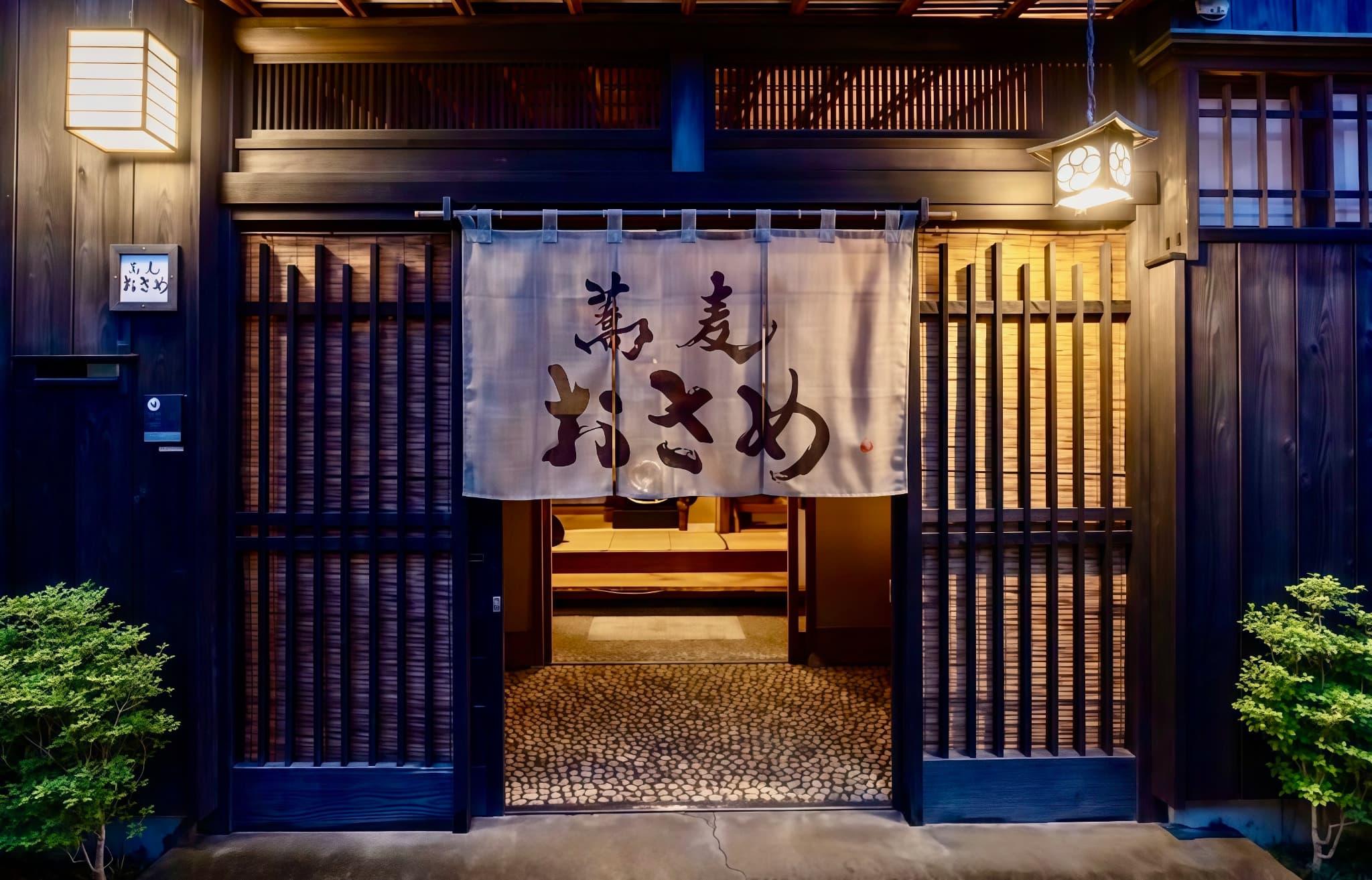
A few minutes from Shimokitazawa, the streets begin to quiet down. Storefronts give way to houses, the road narrows, and eventually a wooden gate appears behind a line of greenery. By the time you walk through the garden to the entrance, the neighborhood already feels far away.
Inside, the ground-floor soba workshop sits behind a glass partition. Throughout the day, staff in white kappogi steadily cut, dust, and arrange freshly made noodles. Watching the process before taking your seat offers a quiet introduction to the meal ahead.
The restaurant's main buckwheat comes from the Hitachi Aki variety grown in Ibaraki, while grains from Saitama, Chiba, and Yamagata are milled in house according to the season and the style of soba being prepared. More than twenty varieties appear on the menu throughout the year, from simple cold soba to more elaborate seasonal creations.
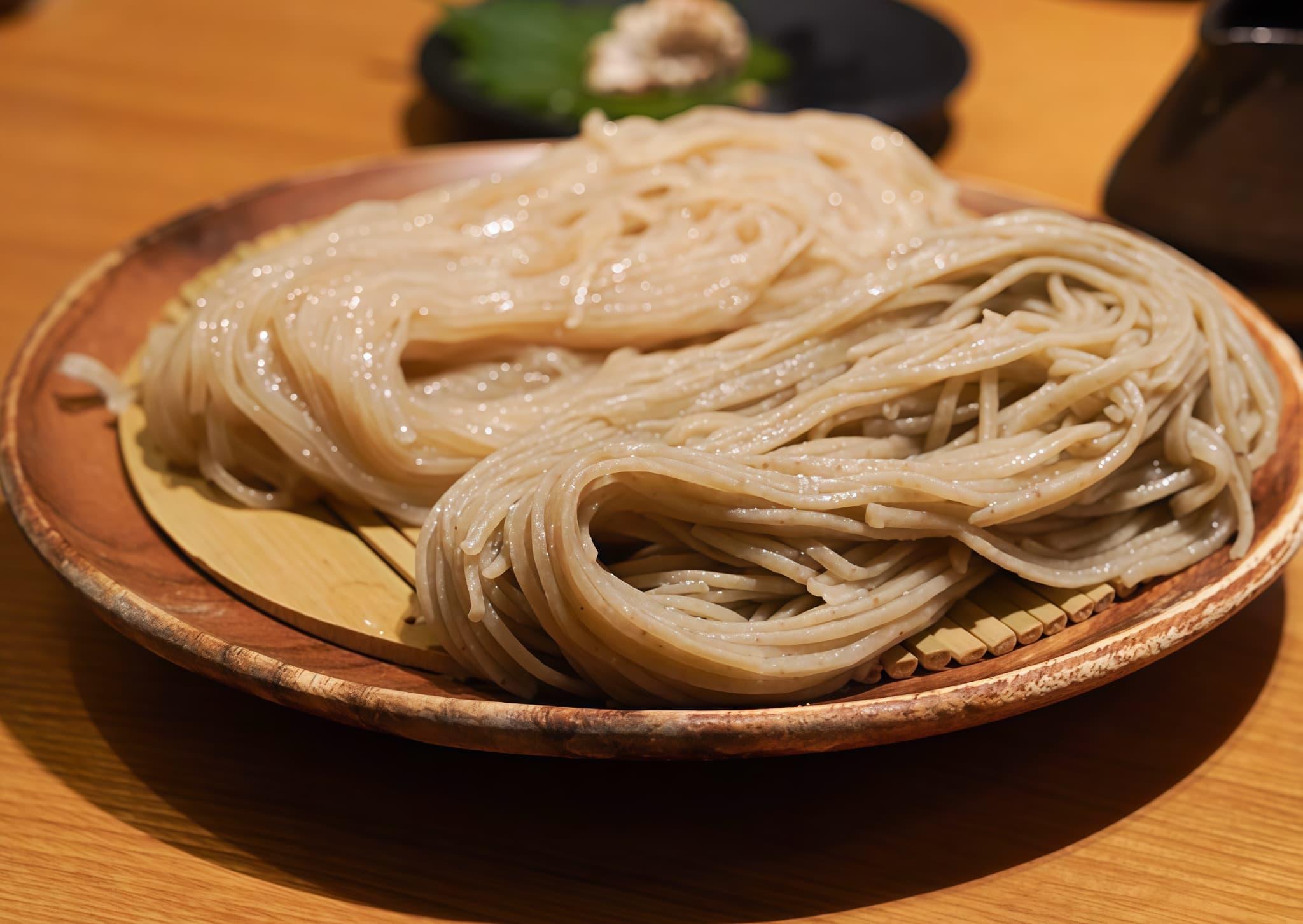
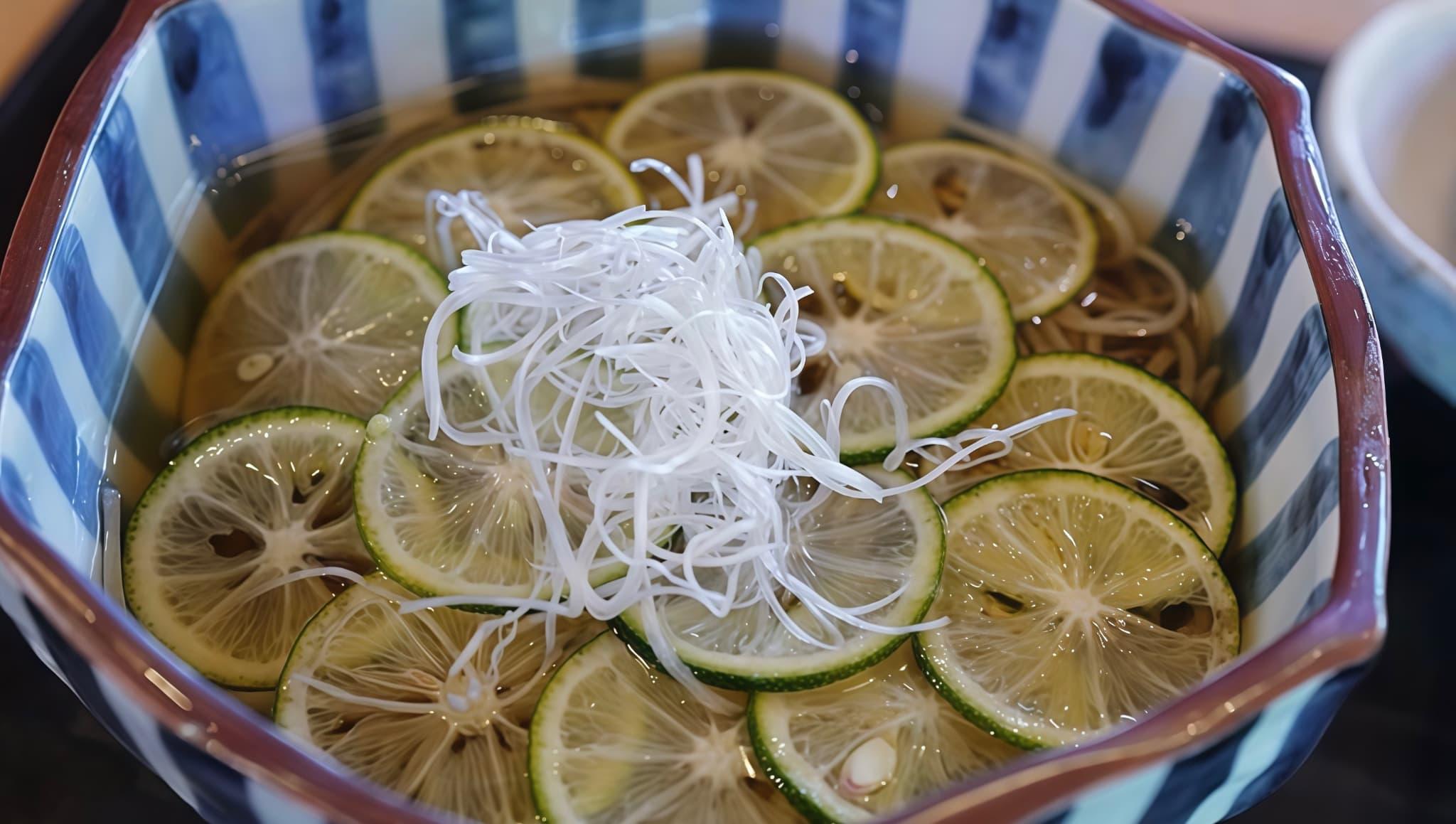
The noodles are milled daily from whole buckwheat. They arrive pale grey with a faint green tint and a gentle aroma that is noticeable even before the dipping sauce is poured. The sauce is intentionally restrained, allowing the fragrance of the buckwheat to remain at the center of each bite.
One seasonal dish, served from August through September, pairs chilled soba with moroheiya and grilled chicken. A clear broth, built gradually from layers of kombu and bonito, carries the noodles without overwhelming them. Moroheiya adds body, grilled chicken contributes a light smokiness, tomato brings gentle acidity, and grilled eggplant slowly enriches the broth as the meal continues.
The restaurant's classic zaru soba offers a simpler expression of the same craftsmanship. The noodles retain their firmness to the final bite, while the freshly milled buckwheat becomes more fragrant with each mouthful. Guests looking for a longer lunch often choose the zaru set accompanied by seasonal side dishes.
For something richer, the kamo soba is equally rewarding. Seared duck and Kujo negi are served in a hot broth finished with black shichimi from Kyoto's Hararyokaku. As the meal progresses, the duck fat gradually melts into the soup, adding greater depth from the first sip to the last.
The meal traditionally concludes with soba yu. The cloudy cooking water is poured into the remaining dipping sauce, creating a warm, mellow broth that many guests slowly finish before leaving the table.
Small seasonal dishes and a carefully chosen sake selection make it easy to build a leisurely meal around the soba. Upstairs, the dining room overlooks the garden, where the changing light through the trees makes the afternoon an especially peaceful time to visit.
Reservations are recommended, particularly for second-floor seating overlooking the garden. TableEX is happy to assist with bookings.
Courses

Lunch
Lunch Omakase
Booking fee ¥1,000

Dinner
Dinner Omakase
Booking fee ¥1,000
Dinner
Dinner Hotpot Omakase
Booking fee ¥1,000
Restaurant rules
Restaurant information
| Working Hours | 11:30 - 21:30 |
|---|---|
| Seats | 50 |
| Payment | Visa |
| Smoking | Not Allowed |
| Alcohol take-in | Not Allowed |
| Phone number | 03-5431-0141 |
| Address | 3-7-14 Daizawa, Setagaya-ku, Tokyo, Japan |
Location map

2026
October
More counters we can secure for you
Picked by the same team — similar style or nearby.