

Unazen
Tokyo
Unagi
An Unagi Shop That Still Feels Like a Neighborhood Secret
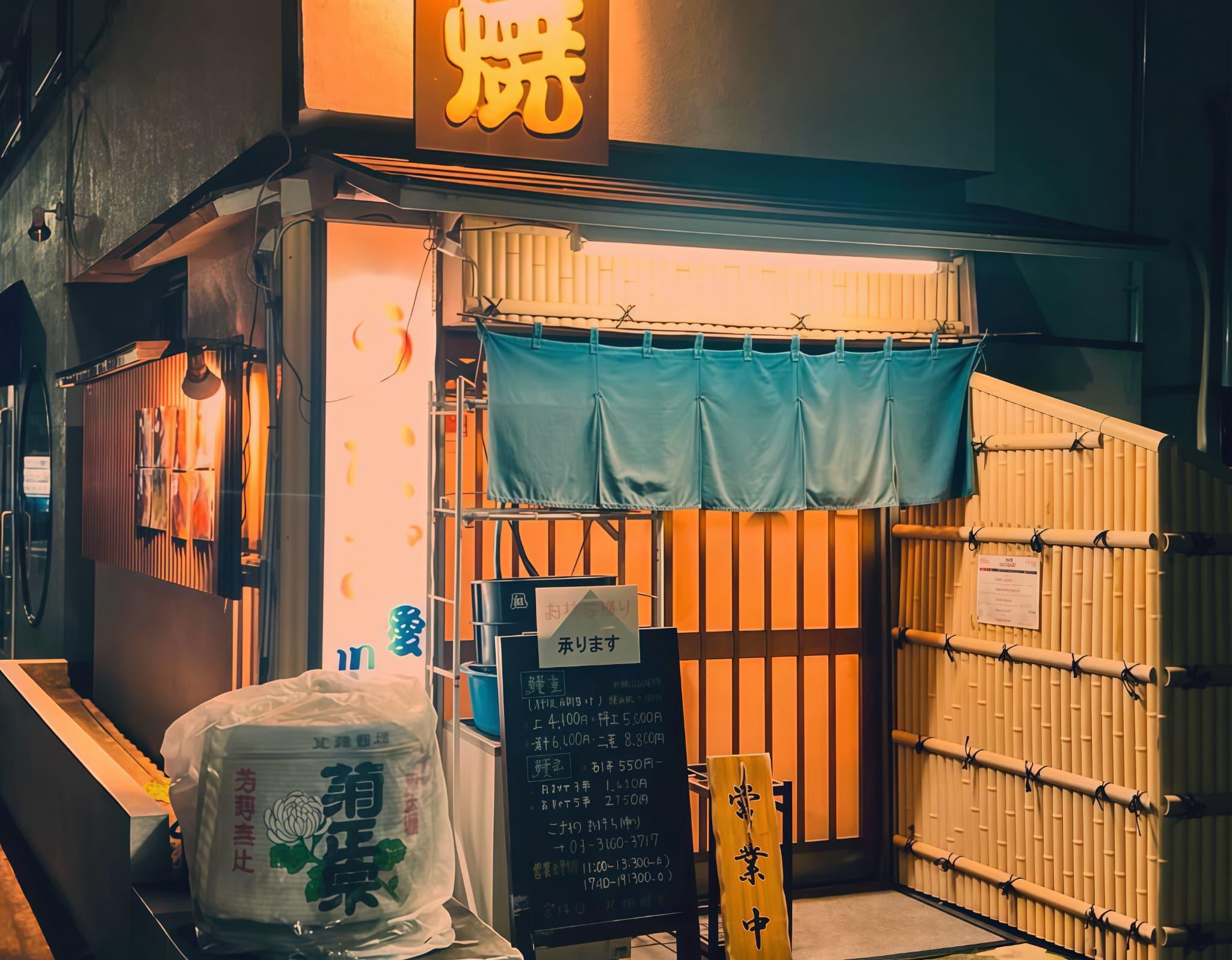
There is nothing fancy about Unazen at first glance. A small counter, a few tables, a warm greeting from the okami in a down to earth tone. Then you notice the head chef moving with quick precision despite his age, thanking every guest and giving a frank estimate of the wait. He trained at Miyagawa in old Shinjuku Junisha, and in 2014 moved here after redevelopment. The shop feels like a neighborhood canteen in the best sense of the phrase.
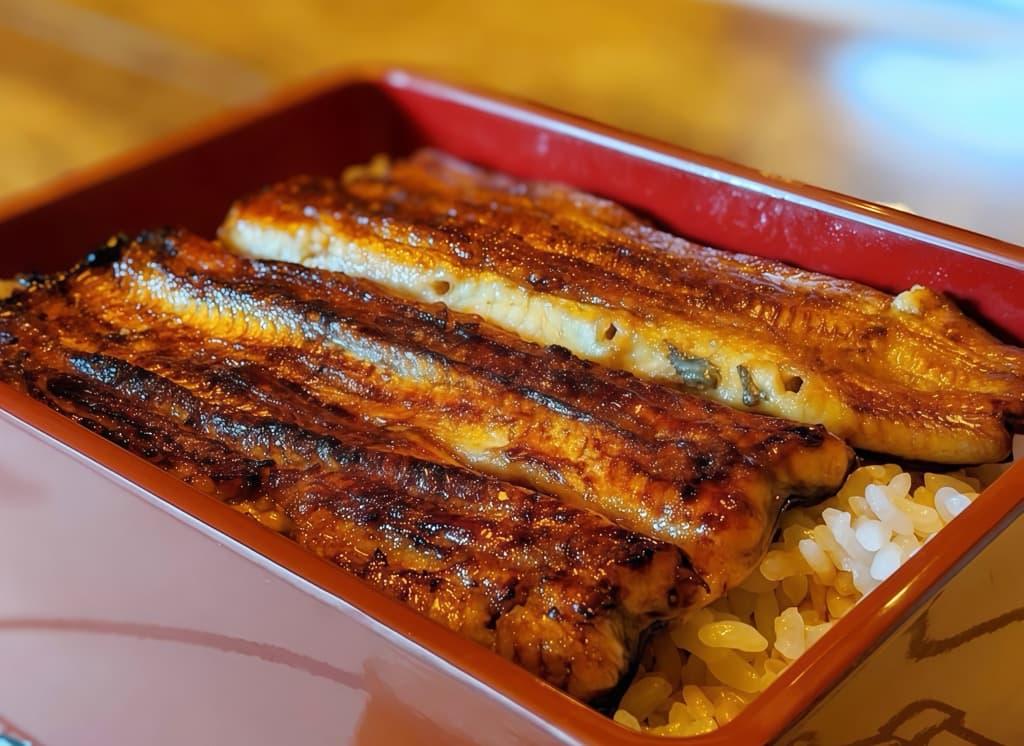
What makes Unazen interesting is the craft choice behind its eel. The heat source is gas, not charcoal, and the steaming is done in a pressure cooker. That combination shapes everything. The flesh is soft but never collapsing. The skin gives a little spring, then turns gently chewy with a faint mochi like bounce. The surface carries a light crisp for an Edo style finish. The flow is shirayaki, a short pressure steam of roughly ten minutes, then a measured glaze over a steady gas flame. Compared with long bamboo steamer methods, this gives a cleaner aroma and a very specific texture that regulars come back for. The tare is dry and soy forward, sweetening kept in check so the fat tastes bright rather than heavy.
If you drink, this place treats you well. Order a beer and two small plates arrive on the house: kabuto simmered with sansho soy, and liver cooked down in miso with that pleasant bittersweet edge. A third treat follows as a skewer of hire maki, eel fin rolled with negi and grilled until crackling. The Asahi middle bottle is about six hundred yen, with a small bottle of Jukusen at five hundred. It is the rare Tokyo eel counter where the first half hour turns into a very happy aperitivo.
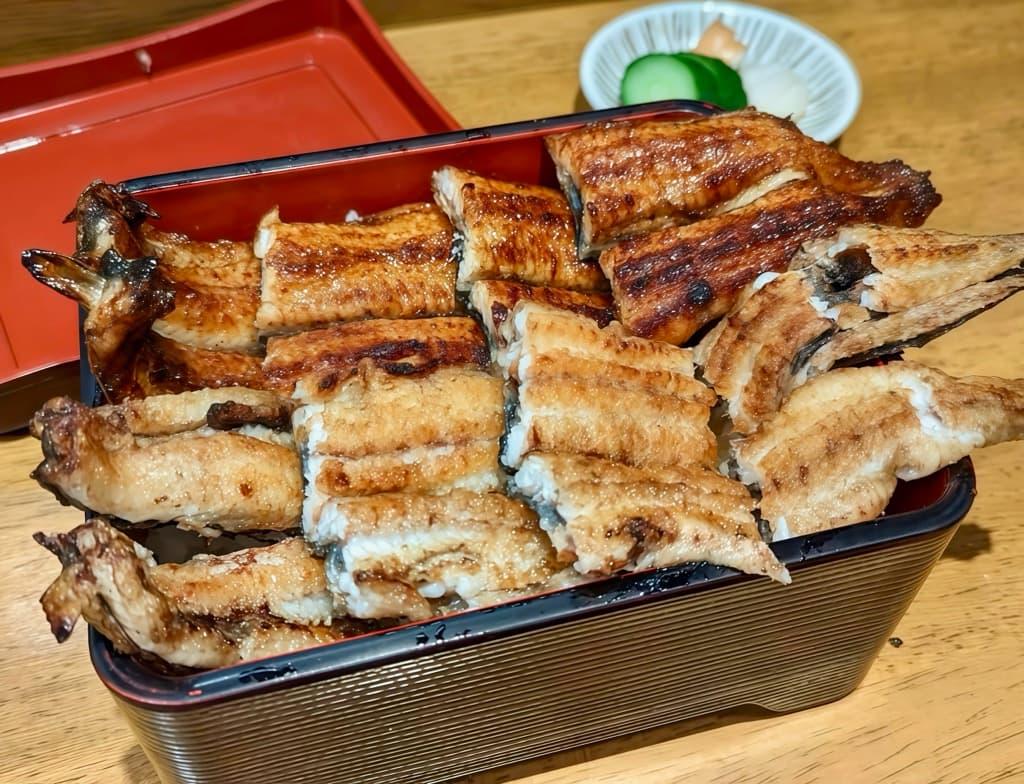
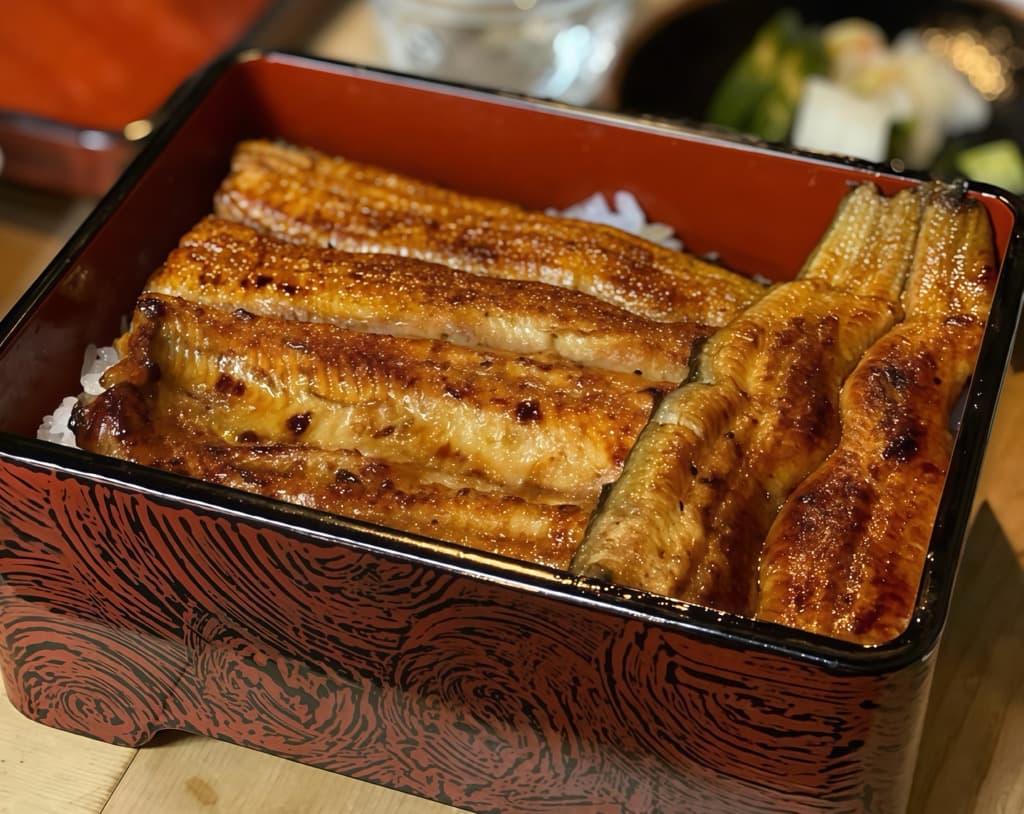
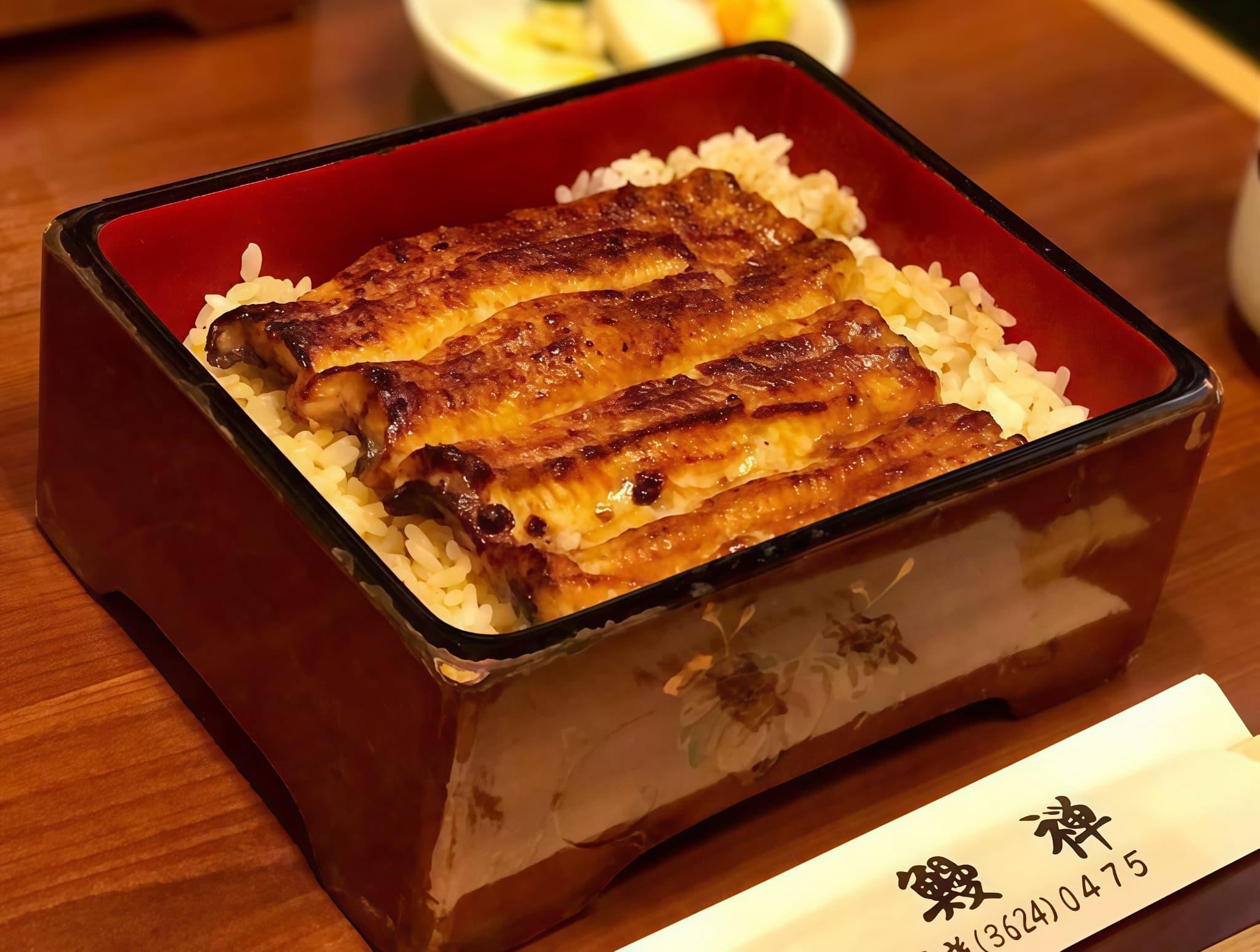
The main event is the unajū. I took the special at four thousand one hundred yen. The box itself is a story, a time worn Wajima lacquer piece once used at Miyagawa in Junisha. Inside, the eel shows the shop’s signature texture. Flesh breaks with a nudge of chopsticks but keeps its fibers. The skin tightens, then yields. The rice is excellent, each grain glossy and distinct with just enough moisture to bind eel fat and tare into one mouthful. It is the kind of cooking that looks simple and is anything but. The chef’s line about steaming is telling. He is not stripping fat, he is making the fat taste good.
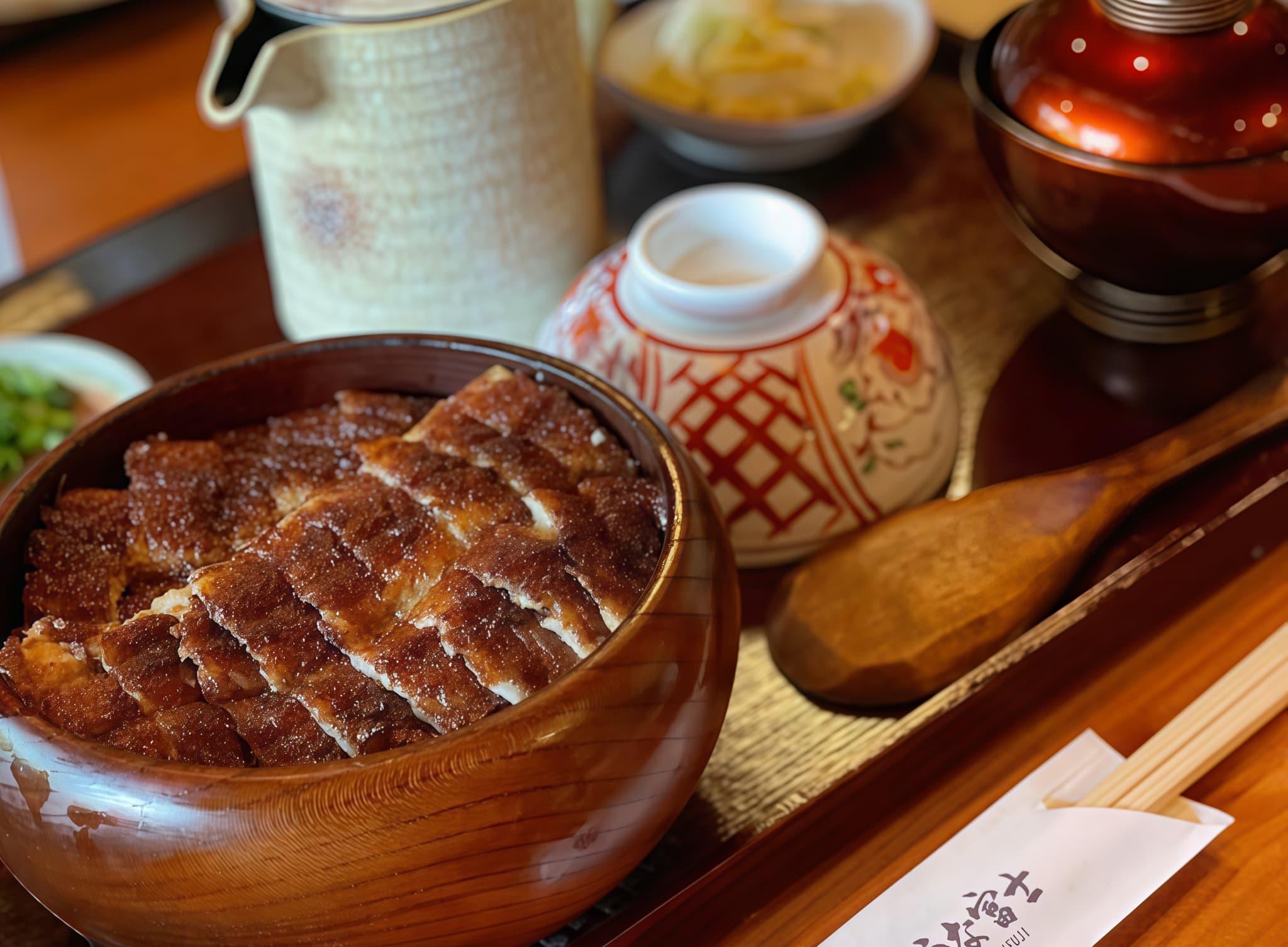
Sides follow the same straight line logic. The kimosui leans on katsuo dashi and comes generously filled with liver, fu, and a slice of kamaboko. The pickles are homely and soothing. The table sansho is lively and aromatic, and actually matters here because the tare is restrained.
Charcoal lovers may miss the smoke and the pushy perfume of binchotan. I usually do as well. Yet Unazen’s gas and pressure approach has its own appeal. The flavor is clear, the texture is intentional, and the whole experience feels very Tokyo east side. Prices are friendly for the quality. If you want a formal temple of unagi, go elsewhere. If you want a heartfelt neighborhood counter where the craft decisions are thoughtful and the hospitality feels human, this is the place.
What makes Unazen interesting is the craft choice behind its eel. The heat source is gas, not charcoal, and the steaming is done in a pressure cooker. That combination shapes everything. The flesh is soft but never collapsing. The skin gives a little spring, then turns gently chewy with a faint mochi like bounce. The surface carries a light crisp for an Edo style finish. The flow is shirayaki, a short pressure steam of roughly ten minutes, then a measured glaze over a steady gas flame. Compared with long bamboo steamer methods, this gives a cleaner aroma and a very specific texture that regulars come back for. The tare is dry and soy forward, sweetening kept in check so the fat tastes bright rather than heavy.
If you drink, this place treats you well. Order a beer and two small plates arrive on the house: kabuto simmered with sansho soy, and liver cooked down in miso with that pleasant bittersweet edge. A third treat follows as a skewer of hire maki, eel fin rolled with negi and grilled until crackling. The Asahi middle bottle is about six hundred yen, with a small bottle of Jukusen at five hundred. It is the rare Tokyo eel counter where the first half hour turns into a very happy aperitivo.
The main event is the unajū. I took the special at four thousand one hundred yen. The box itself is a story, a time worn Wajima lacquer piece once used at Miyagawa in Junisha. Inside, the eel shows the shop’s signature texture. Flesh breaks with a nudge of chopsticks but keeps its fibers. The skin tightens, then yields. The rice is excellent, each grain glossy and distinct with just enough moisture to bind eel fat and tare into one mouthful. It is the kind of cooking that looks simple and is anything but. The chef’s line about steaming is telling. He is not stripping fat, he is making the fat taste good.
Sides follow the same straight line logic. The kimosui leans on katsuo dashi and comes generously filled with liver, fu, and a slice of kamaboko. The pickles are homely and soothing. The table sansho is lively and aromatic, and actually matters here because the tare is restrained.
Charcoal lovers may miss the smoke and the pushy perfume of binchotan. I usually do as well. Yet Unazen’s gas and pressure approach has its own appeal. The flavor is clear, the texture is intentional, and the whole experience feels very Tokyo east side. Prices are friendly for the quality. If you want a formal temple of unagi, go elsewhere. If you want a heartfelt neighborhood counter where the craft decisions are thoughtful and the hospitality feels human, this is the place.
Courses

Dinner
à la carte
Booking fee ¥1,000
JPY5,500〜
(Tax Incl.)
Restaurant rules
Cash payments only — credit cards are not accepted.
Restaurant information
| Working Hours | 11:00 - 16:00 |
|---|---|
| Seats | 22 |
| Payment | Cash |
| Smoking | Not Allowed |
| Alcohol take-in | Not Allowed |
| Phone number | 03-3624-0475 |
| Address | 3-6-18 Azumabashi, Sumida-ku, Tokyo, Japan |
Location map
Request
Instant Reservation
2026
October
M
T
W
T
F
S
S
27
28
29
1
2
3
4
5
6
7
8
9
10
11
12
13
14
15
16
17
18
19
20
21
22
23
24
25
26
27
28
29
30
31
Checking request availability…
Checking request availability…
More counters we can secure for you
Picked by the same team — similar style or nearby.