Sushi Kadowaki
Tokyo
Sushi
Ginza Sushi Built on Direct Fishermen Ties
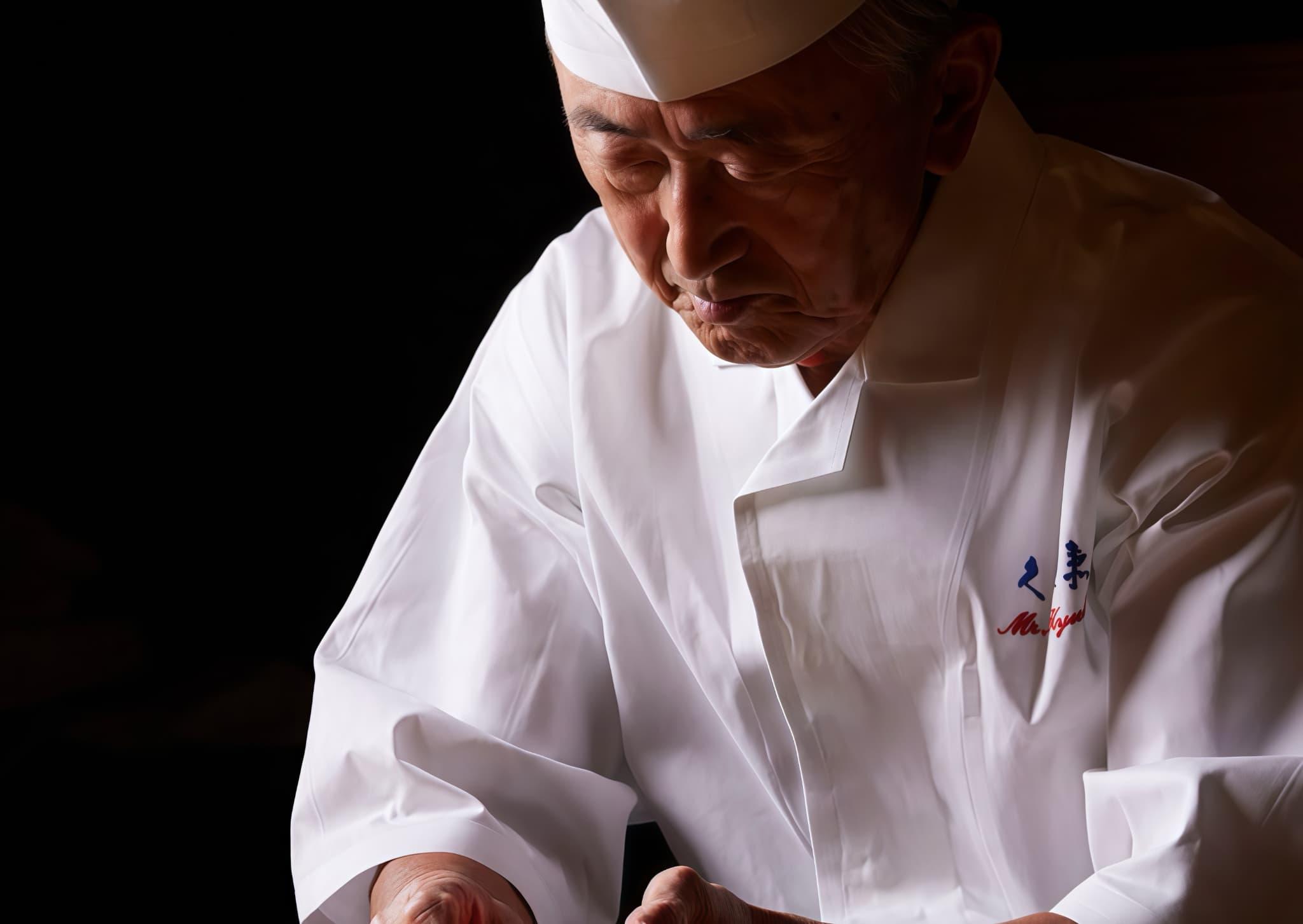
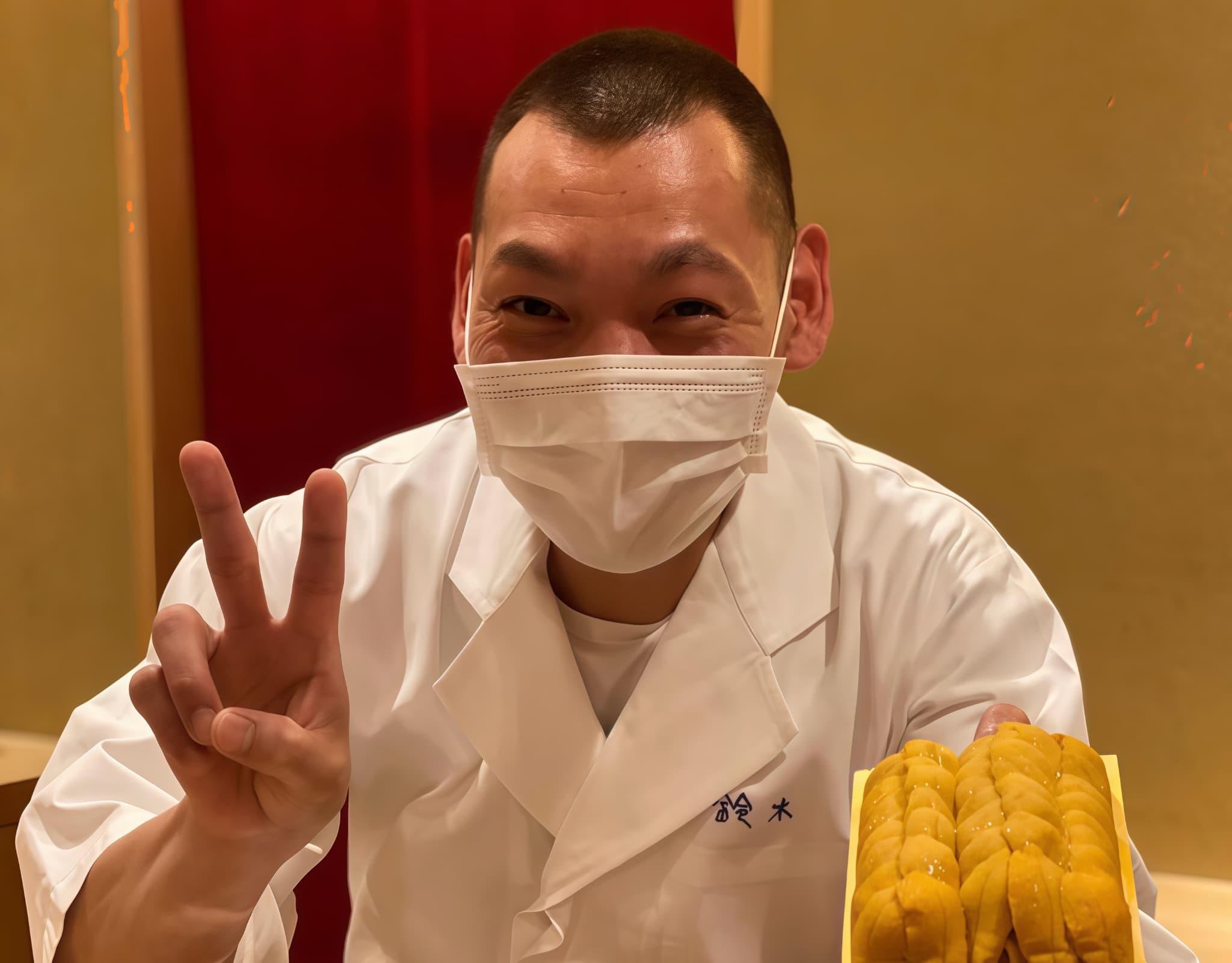
Tucked inside a discreet building in Ginza 7-chome, Sushi Kadowaki represents a rare equilibrium between classical Edomae tradition and a progressive, source-driven philosophy. Chef Takatoshi Kadowaki distinguishes his practice through a radical approach to procurement; rather than relying exclusively on the Toyosu central market, he has built an integrated supply chain with regional brokers. Most notable is his partnership with the Kagoshima-based master supplier, "Jo-nii" (Mr. Azuma), an expert in the Tsumoto-style bleeding technique. This relationship allows Kadowaki to work with raw materials of exceptional structural integrity, positioning the restaurant as a vital destination for those seeking a deep connection between the sea’s origin and the final nigiri.
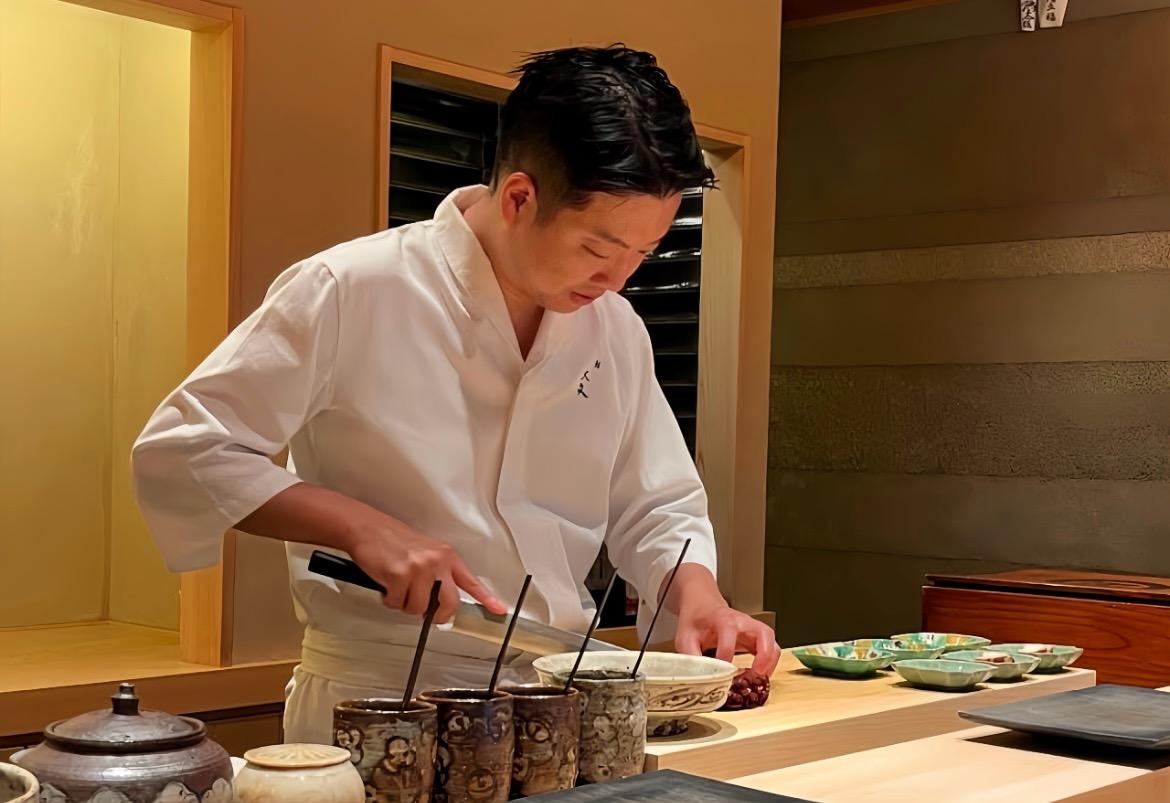
Kadowaki’s technical pedigree is defined by his sophisticated judgment in maturation (aging). He rejects the trend of excessive aging, instead applying restraint to preserve the "vivid sense of life" within each neta. His work is a study in precision—curing, aging, and temperature control are applied not as a formula, but as a response to the specific condition of the day's catch. The physical space channels a quiet, old-world Ginza intimacy, featuring a ten-seat pale hinoki counter. Unusually for the district, the restaurant maintains a flexible start time, prioritizing the guest’s rhythm over rigid operational cycles. The presence of a traditional wooden ice-refrigerator (himuro) behind the counter signals a commitment to gentle, natural temperature management over modern electric refrigeration.
The shari is engineered to be a versatile, harmonious foundation. It utilizes a sophisticated blend of red vinegar (akazu) and rice vinegar (komezu) in precise proportions to achieve a mellow sweetness and a smooth, silky texture. Unlike more aggressive, salt-forward Ginza shari, Kadowaki’s rice is designed to provide a seamless transition from the first piece to the last. The moisture content and temperature are tuned to support the specific fats and proteins of the day’s neta, ensuring that the rice never dominates the palate but instead acts as a thermal and textural conduit for the fish.
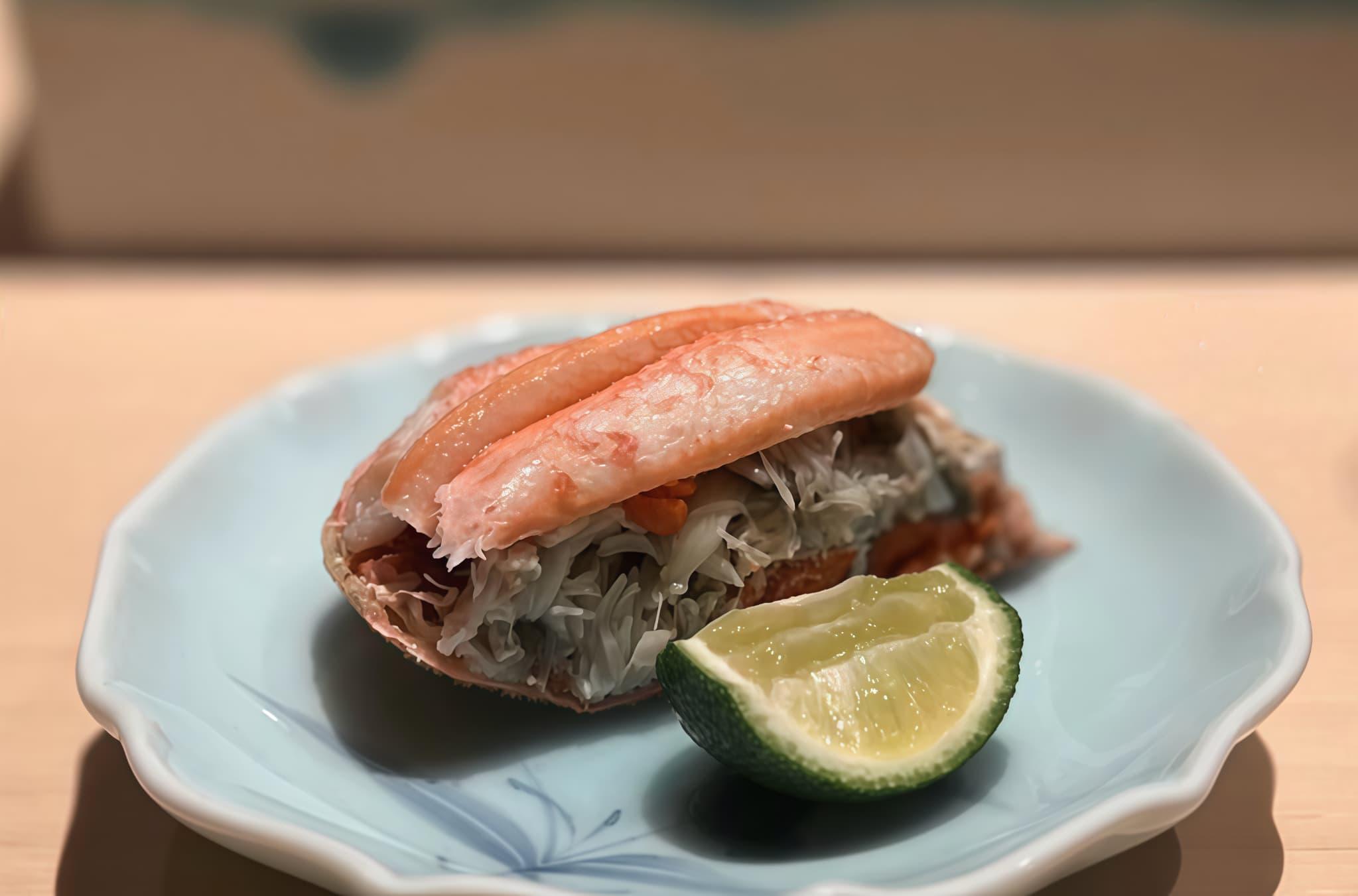
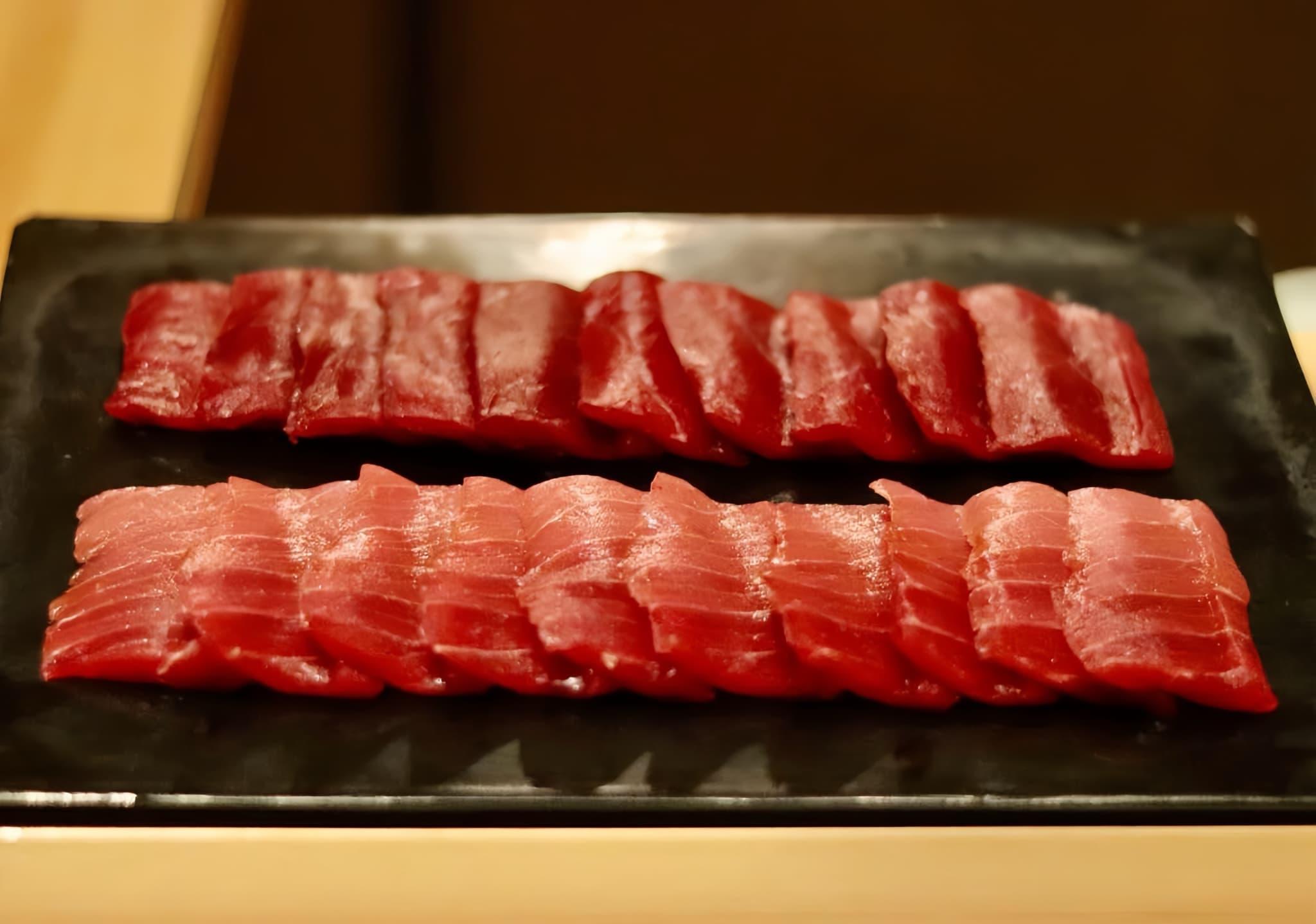
The course progression moves from daring, grounded appetizers to a rhythmic nigiri sequence. Signature small dishes—such as steamed abalone with a liver sauce refined by citrus and butter, or Hokkaido kegani paired with Amakusa purple uni—demonstrate a high level of culinary intent. In the nigiri phase, Kadowaki showcases his range through pieces like Kohada (gizzard shad) prepared as a seasonal roll to manage fat distribution, and Akami (lean tuna) marinated to achieve a firm, clean texture. His intuition is visible in subtle technical choices, such as warming Torigai (cockle) on a hot stone to release its volatile aromatics or omitting traditional tare sauce from Hamaguri (clam) to highlight the shellfish’s natural salinity.
The focus of the experience is the "Tension of Spontaneity." Kadowaki often shares insights from his sourcing trips with the fishermen, reinforcing the idea that the chef is the final link in a long chain of craftsmanship. His signature O-toro—lightly seared with charcoal to balance smoke and fat—exemplifies this mastery of weightlessness. Each piece is an experiment in restraint, focusing on the moment of peak transformation where the ingredient is most expressive.
Sushi Kadowaki is designed for diners who value the invisible work of the supplier and the chef’s ability to "listen" to the ingredient. It is a space for those who appreciate a warm, communicative atmosphere over the sterile theater often found in modern high-end sushi. While it maintains the rigor of Ginza standards, it is ultimately a destination for those seeking the human element of the craft—the connection between fisherman, chef, and guest that defines the true soul of Japanese gastronomy.
Kadowaki’s technical pedigree is defined by his sophisticated judgment in maturation (aging). He rejects the trend of excessive aging, instead applying restraint to preserve the "vivid sense of life" within each neta. His work is a study in precision—curing, aging, and temperature control are applied not as a formula, but as a response to the specific condition of the day's catch. The physical space channels a quiet, old-world Ginza intimacy, featuring a ten-seat pale hinoki counter. Unusually for the district, the restaurant maintains a flexible start time, prioritizing the guest’s rhythm over rigid operational cycles. The presence of a traditional wooden ice-refrigerator (himuro) behind the counter signals a commitment to gentle, natural temperature management over modern electric refrigeration.
The shari is engineered to be a versatile, harmonious foundation. It utilizes a sophisticated blend of red vinegar (akazu) and rice vinegar (komezu) in precise proportions to achieve a mellow sweetness and a smooth, silky texture. Unlike more aggressive, salt-forward Ginza shari, Kadowaki’s rice is designed to provide a seamless transition from the first piece to the last. The moisture content and temperature are tuned to support the specific fats and proteins of the day’s neta, ensuring that the rice never dominates the palate but instead acts as a thermal and textural conduit for the fish.
The course progression moves from daring, grounded appetizers to a rhythmic nigiri sequence. Signature small dishes—such as steamed abalone with a liver sauce refined by citrus and butter, or Hokkaido kegani paired with Amakusa purple uni—demonstrate a high level of culinary intent. In the nigiri phase, Kadowaki showcases his range through pieces like Kohada (gizzard shad) prepared as a seasonal roll to manage fat distribution, and Akami (lean tuna) marinated to achieve a firm, clean texture. His intuition is visible in subtle technical choices, such as warming Torigai (cockle) on a hot stone to release its volatile aromatics or omitting traditional tare sauce from Hamaguri (clam) to highlight the shellfish’s natural salinity.
The focus of the experience is the "Tension of Spontaneity." Kadowaki often shares insights from his sourcing trips with the fishermen, reinforcing the idea that the chef is the final link in a long chain of craftsmanship. His signature O-toro—lightly seared with charcoal to balance smoke and fat—exemplifies this mastery of weightlessness. Each piece is an experiment in restraint, focusing on the moment of peak transformation where the ingredient is most expressive.
Sushi Kadowaki is designed for diners who value the invisible work of the supplier and the chef’s ability to "listen" to the ingredient. It is a space for those who appreciate a warm, communicative atmosphere over the sterile theater often found in modern high-end sushi. While it maintains the rigor of Ginza standards, it is ultimately a destination for those seeking the human element of the craft—the connection between fisherman, chef, and guest that defines the true soul of Japanese gastronomy.
Overview
| Cuisine | Sushi |
|---|---|
| Area | Ginza, Tokyo |
| Chef | Takatoshi Kadowaki |
| Background | Sushi Matsue in Ibaraki |
| Shari | Mild acidity, Red & rice vinegar blend |
| English support | Limited |
Courses
Dinner
Omakase
Booking fee ¥1,000
JPY38,500
(Tax Incl.)
Restaurant rules
Please refrain from wearing strong fragrances, including perfumes, fabric softeners, or scented sprays, when visiting the restaurant. Substitutes are not accepted. The guest who made the reservation must attend in person. Guests with extensive allergies or dislikes that affect two or more dishes in the course may have their reservation treated as a cancellation. Depending on the timing of the notice, the cancellation policy may apply.
Restaurant information
| Seats | 10 |
|---|---|
| Payment | Visa, MasterCard, Diners, American Express, Cash |
| Smoking | Not Allowed |
| Alcohol take-in | Not Allowed |
| Phone number | N/A |
| Address | 6F, ACN Ginza 7 Building, 7-4-6 Ginza, Chuo-ku, Tokyo, Japan Tokyo |
Location map
Request
Instant Reservation
2026
April
M
T
W
T
F
S
S
29
30
1
2
3
4
5
6
7
8
9
10
11
12
13
14
15
16
17
18
19
20
21
22
23
24
25
26
27
28
29
30