

Kyorakutei
Tokyo
Soba Udon
The Soba House Locals Stay All Night For
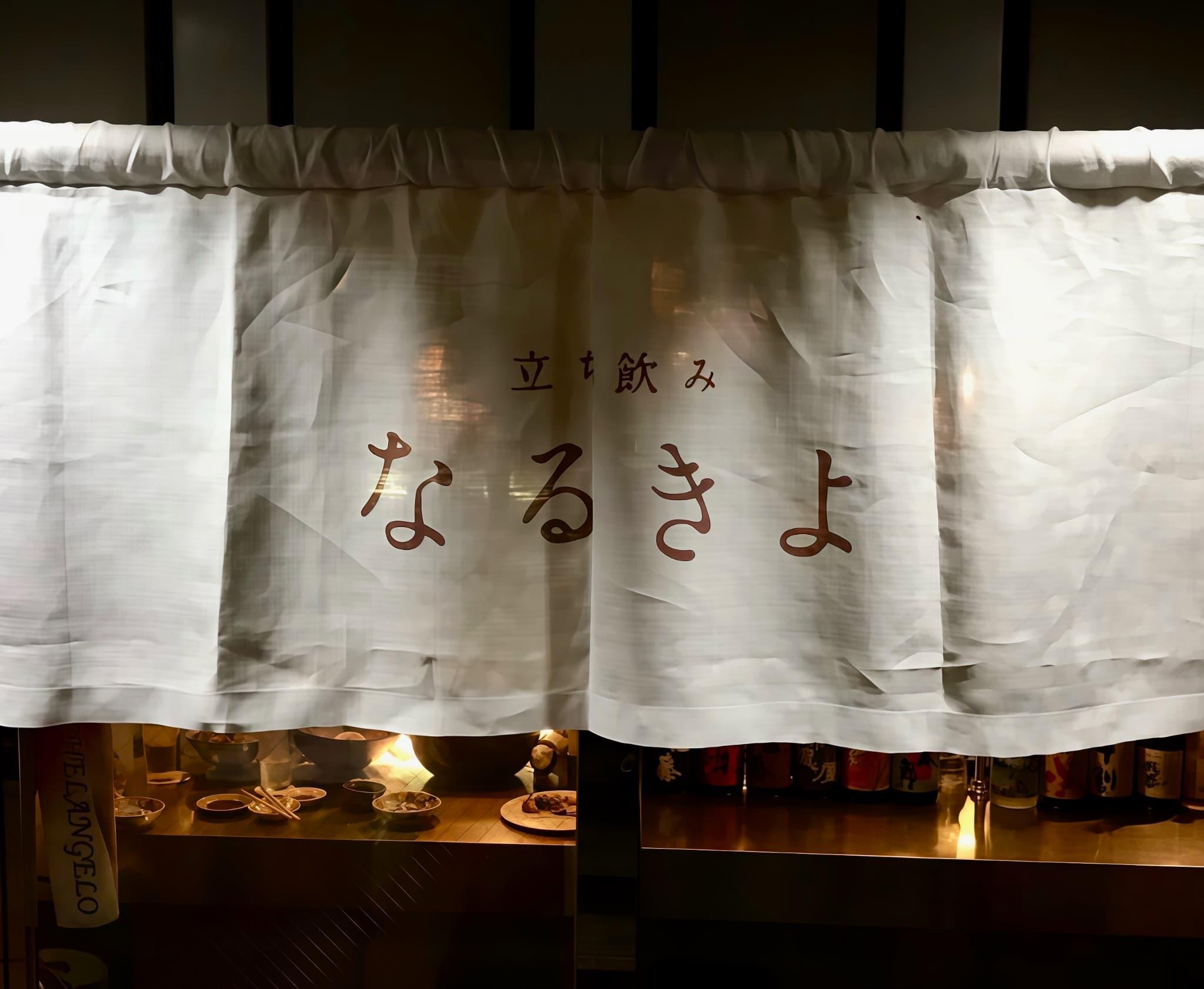
Tucked into the quiet backstreets of Kagurazaka, Kyourakutei blurs the line between soba house and izakaya — a place where one comes not just to eat noodles, but to spend an evening built around them.
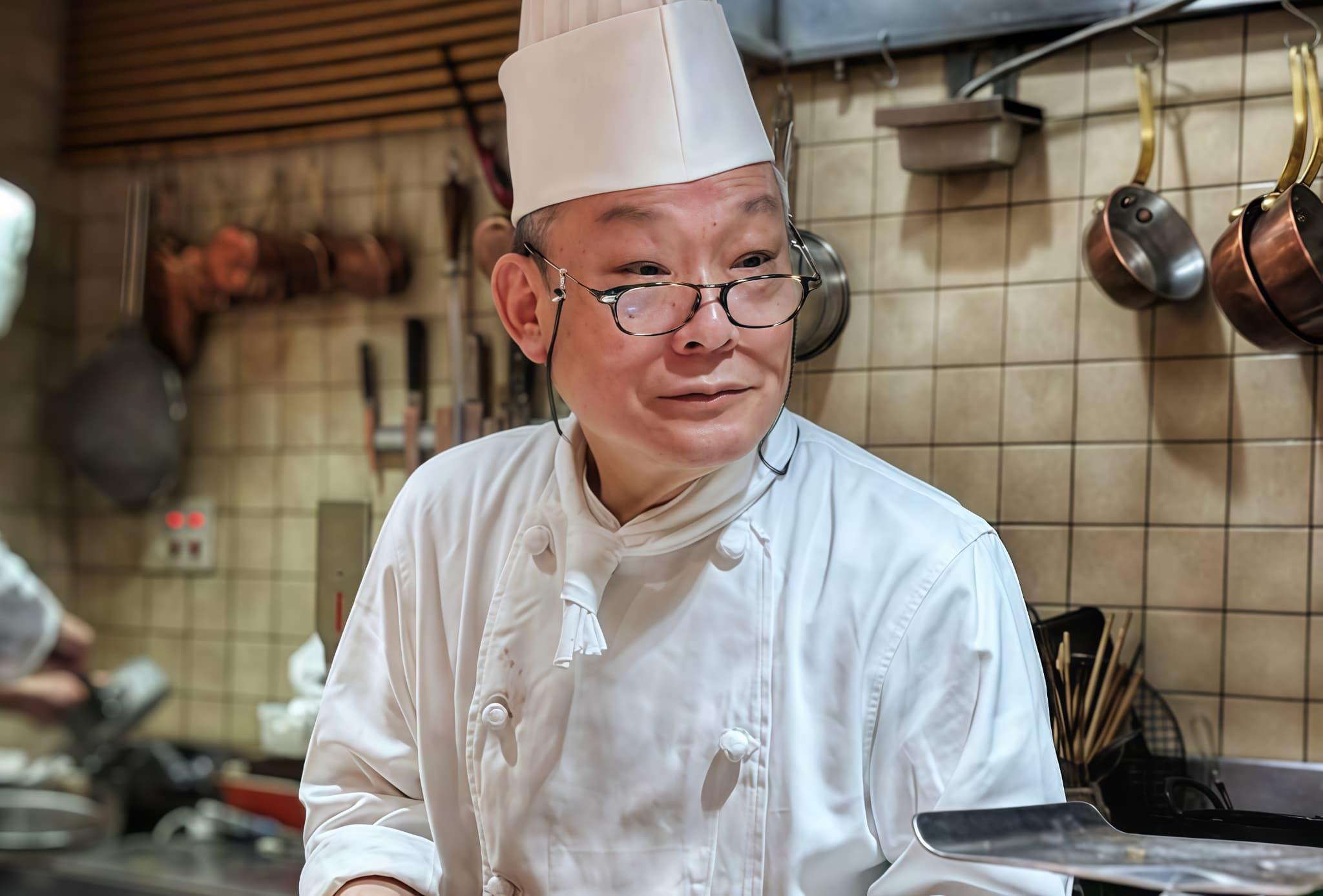
Chef-owner Toshio Sato, born in Aizu, Fukushima, trained at the revered Matsu-o in Jimbocho before opening his own shop. That pedigree shows in the fundamentals: precise knife work, patient rhythm, and the ability to make even the simplest dish hum with balance. Yet his heart remains in Aizu, and much of the restaurant’s warmth comes from that rural sensibility — one that celebrates both craftsmanship and generosity.
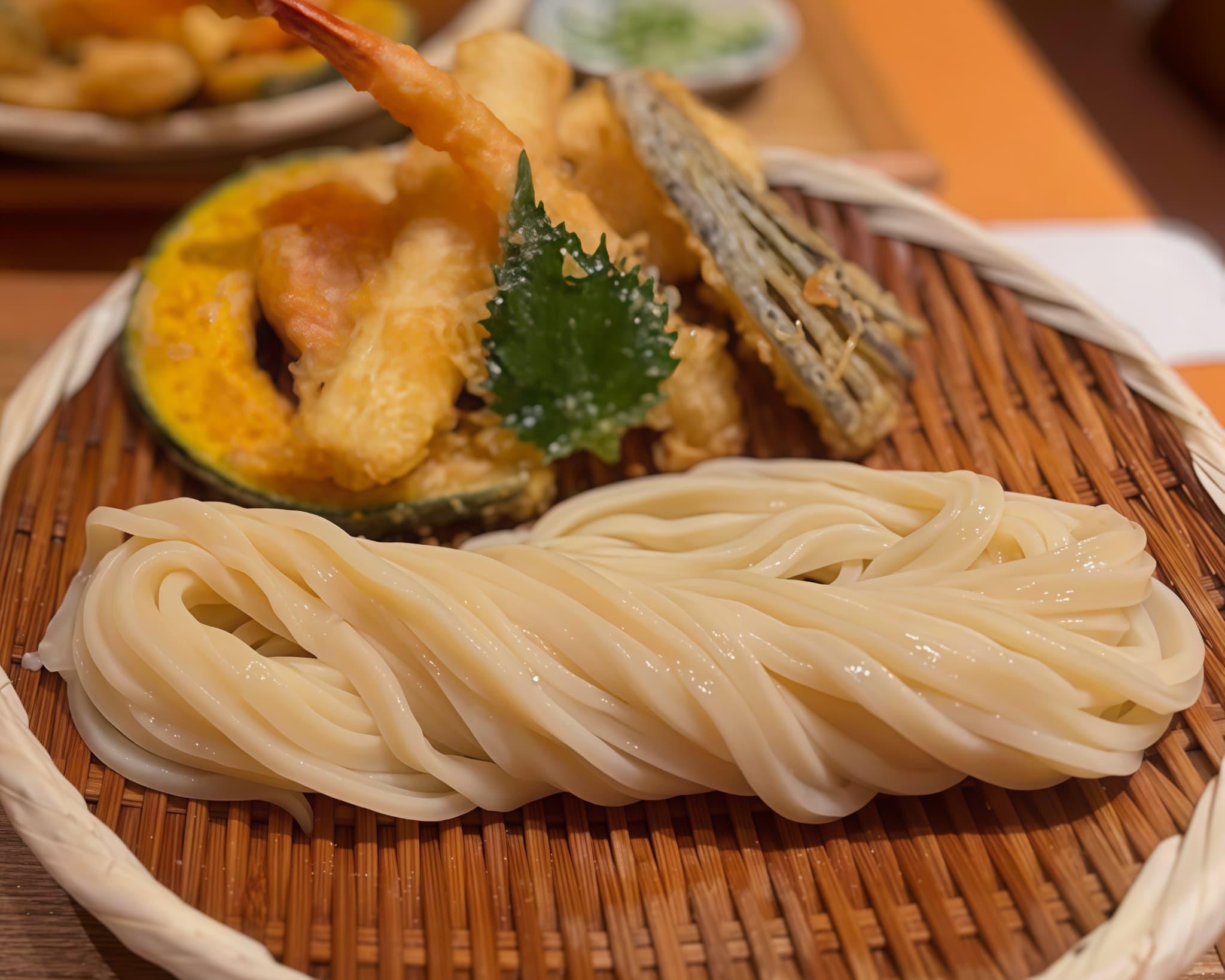
At the entrance, a millstone turns steadily behind glass. Buckwheat is ground daily from Aizu Yanazu-grown soba, known for its round aroma and natural sweetness. The noodles — fine, sharp-edged, and perfectly elastic — are cut and boiled to order. You can choose the classic zaru, the aromatic juwari (100% buckwheat), or the rare, handmade hiyamugi that has become something of a cult favorite for its supple texture and wheat fragrance.
The dipping broth is a study in restraint: Osatsube kombu, Makurazaki katsuobushi, iriko, and dried shiitake layered into a clean, resonant base. Two soy sauces — a three-year-aged Shodoshima shoyu and a pale white shoyu from Aichi — add depth and sheen. Condiments are equally deliberate: wasabi from Yugashima in Izu, Aizu karami daikon, Senju scallions, and the shop’s own Kagurazaka salt, blended with kelp for a soft maritime aroma.
Beyond soba, Kyourakutei is a destination for those who love to eat and drink well. The menu of sakana (small plates) reads like a northern izakaya: kozuyu, the Aizu soul dish of scallop and mountain vegetables in clear broth; Aizu horse sashimi served lean and bright with spicy miso; dojō karaage, crisp fried loach with pure flavor; and the beef tendon stew, a house favorite simmered for hours until rich yet refined. The sake list runs deep with Fukushima labels — Hiroki, Tenmei, Izumigawa, Daiwa Yoshinae — poured by the cup and matched naturally to the dishes.
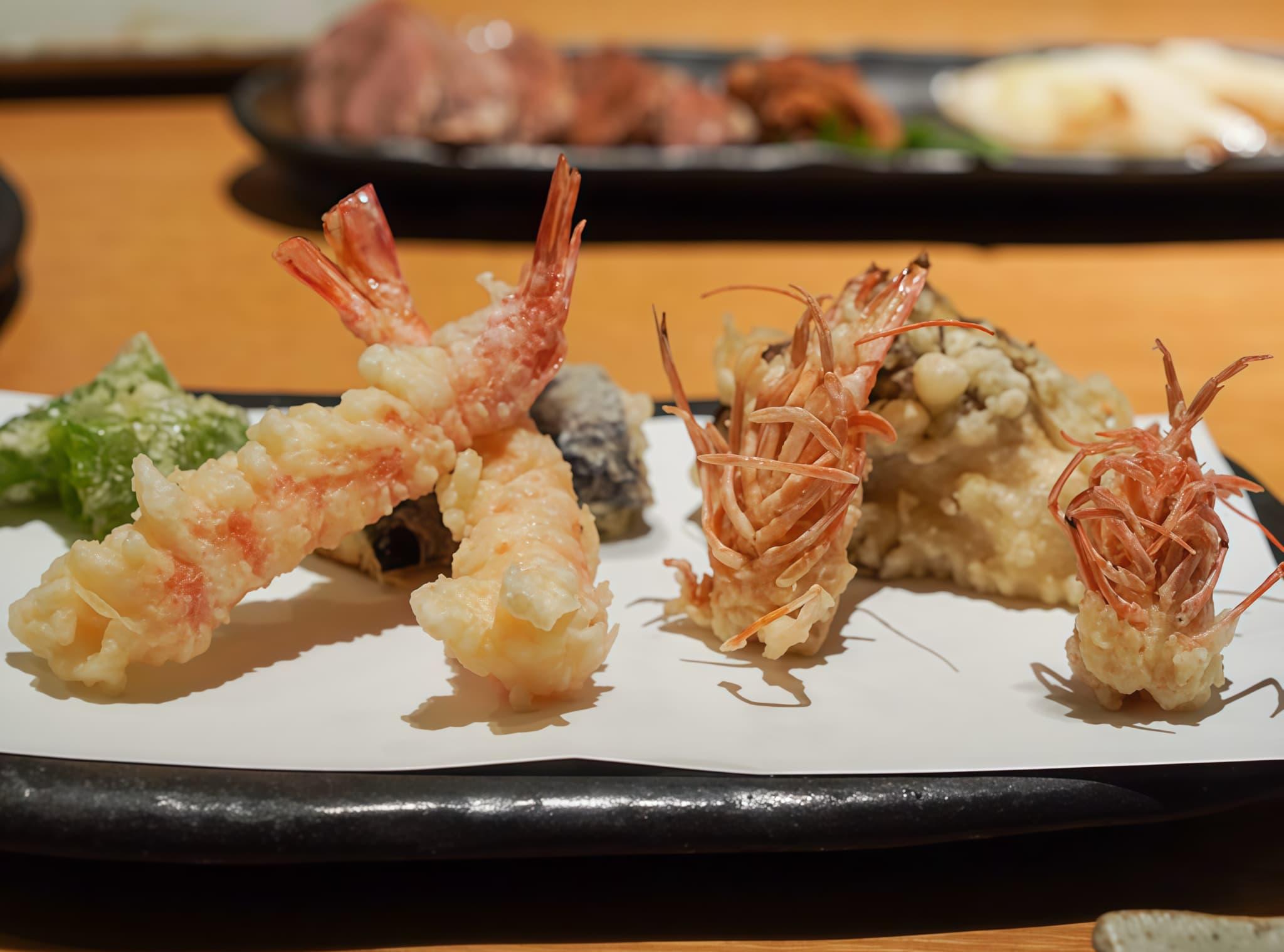
Then there’s the tempura — light, quick, and textbook-perfect. Young ayu, hamo, kabocha, asparagus — all fried with an invisible touch, so crisp it almost hums when bitten. It’s proof that this soba shop can hold its own against Tokyo’s top tempura specialists.
The setting, about thirty seats split between counter and tables, is polished but never formal. Locals slip in after work, order sake and a few plates, then finish with soba and a milky soba-yu to close the night. That rhythm — from drinks to small plates to noodles — is exactly what makes Kyourakutei special. It’s not a soba shop that happens to serve food. It’s a full meal, ending the way all good meals in Japan should: with perfect noodles.
At around ¥10,000 per person with drinks, Kyourakutei stands among Tokyo’s great modern soba houses. Technique, terroir, and hospitality converge here — not for ceremony, but for pleasure.
Chef-owner Toshio Sato, born in Aizu, Fukushima, trained at the revered Matsu-o in Jimbocho before opening his own shop. That pedigree shows in the fundamentals: precise knife work, patient rhythm, and the ability to make even the simplest dish hum with balance. Yet his heart remains in Aizu, and much of the restaurant’s warmth comes from that rural sensibility — one that celebrates both craftsmanship and generosity.
At the entrance, a millstone turns steadily behind glass. Buckwheat is ground daily from Aizu Yanazu-grown soba, known for its round aroma and natural sweetness. The noodles — fine, sharp-edged, and perfectly elastic — are cut and boiled to order. You can choose the classic zaru, the aromatic juwari (100% buckwheat), or the rare, handmade hiyamugi that has become something of a cult favorite for its supple texture and wheat fragrance.
The dipping broth is a study in restraint: Osatsube kombu, Makurazaki katsuobushi, iriko, and dried shiitake layered into a clean, resonant base. Two soy sauces — a three-year-aged Shodoshima shoyu and a pale white shoyu from Aichi — add depth and sheen. Condiments are equally deliberate: wasabi from Yugashima in Izu, Aizu karami daikon, Senju scallions, and the shop’s own Kagurazaka salt, blended with kelp for a soft maritime aroma.
Beyond soba, Kyourakutei is a destination for those who love to eat and drink well. The menu of sakana (small plates) reads like a northern izakaya: kozuyu, the Aizu soul dish of scallop and mountain vegetables in clear broth; Aizu horse sashimi served lean and bright with spicy miso; dojō karaage, crisp fried loach with pure flavor; and the beef tendon stew, a house favorite simmered for hours until rich yet refined. The sake list runs deep with Fukushima labels — Hiroki, Tenmei, Izumigawa, Daiwa Yoshinae — poured by the cup and matched naturally to the dishes.
Then there’s the tempura — light, quick, and textbook-perfect. Young ayu, hamo, kabocha, asparagus — all fried with an invisible touch, so crisp it almost hums when bitten. It’s proof that this soba shop can hold its own against Tokyo’s top tempura specialists.
The setting, about thirty seats split between counter and tables, is polished but never formal. Locals slip in after work, order sake and a few plates, then finish with soba and a milky soba-yu to close the night. That rhythm — from drinks to small plates to noodles — is exactly what makes Kyourakutei special. It’s not a soba shop that happens to serve food. It’s a full meal, ending the way all good meals in Japan should: with perfect noodles.
At around ¥10,000 per person with drinks, Kyourakutei stands among Tokyo’s great modern soba houses. Technique, terroir, and hospitality converge here — not for ceremony, but for pleasure.
Courses
Restaurant rules
Cash payments only — credit cards are not accepted.
Please refrain from wearing strong fragrances, including perfumes, fabric softeners, or scented sprays, when visiting the restaurant.
Substitutes are not accepted. The guest who made the reservation must attend in person.
Please refrain from wearing strong fragrances, including perfumes, fabric softeners, or scented sprays, when visiting the restaurant.
Substitutes are not accepted. The guest who made the reservation must attend in person.
Restaurant information
| Working Hours | 17:00 - 20:00 |
|---|---|
| Seats | 27 |
| Payment | Cash |
| Smoking | Not Allowed |
| Alcohol take-in | Not Allowed |
| Phone number | 03-3269-3233 |
| Address | 3-6 Kagurazaka, Shinjuku-ku, Tokyo, Japan |
Location map
Request
Instant Reservation
2026
October
M
T
W
T
F
S
S
27
28
29
1
2
3
4
5
6
7
8
9
10
11
12
13
14
15
16
17
18
19
20
21
22
23
24
25
26
27
28
29
30
31
Checking request availability…
Checking request availability…
More counters we can secure for you
Picked by the same team — similar style or nearby.