

Sushi Shinosuke
Ishikawa
Sushi
Hokuriku Fish, Edo-Style Discipline
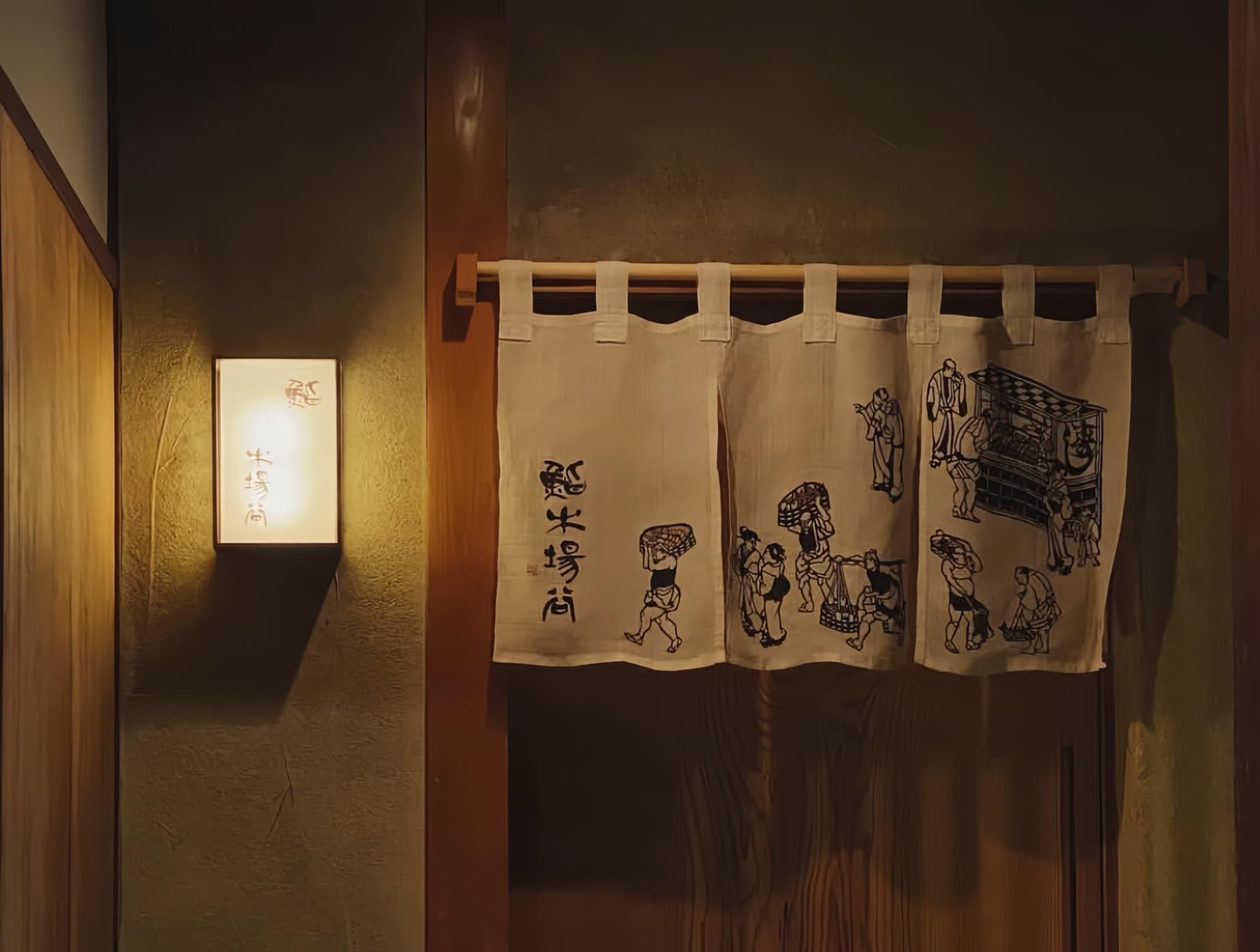
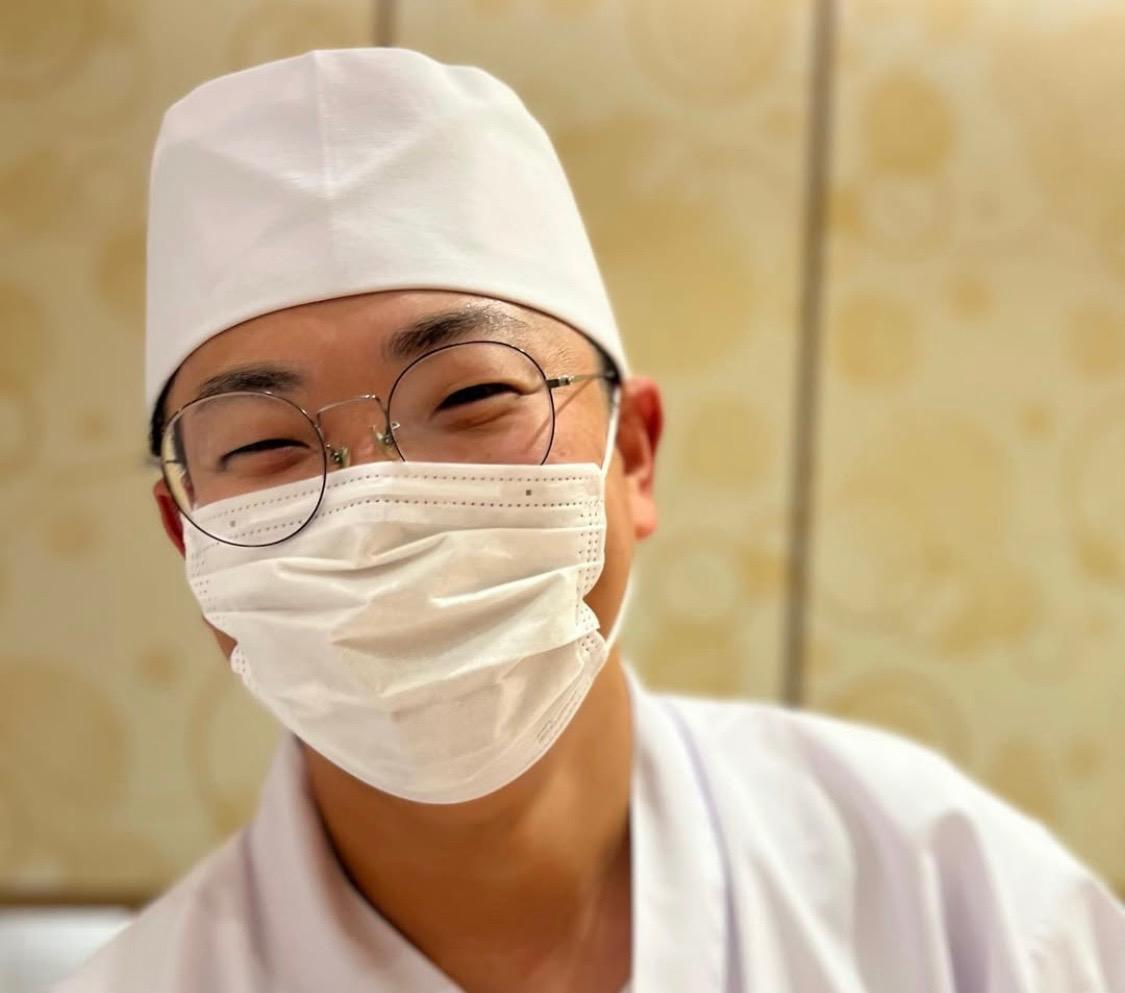
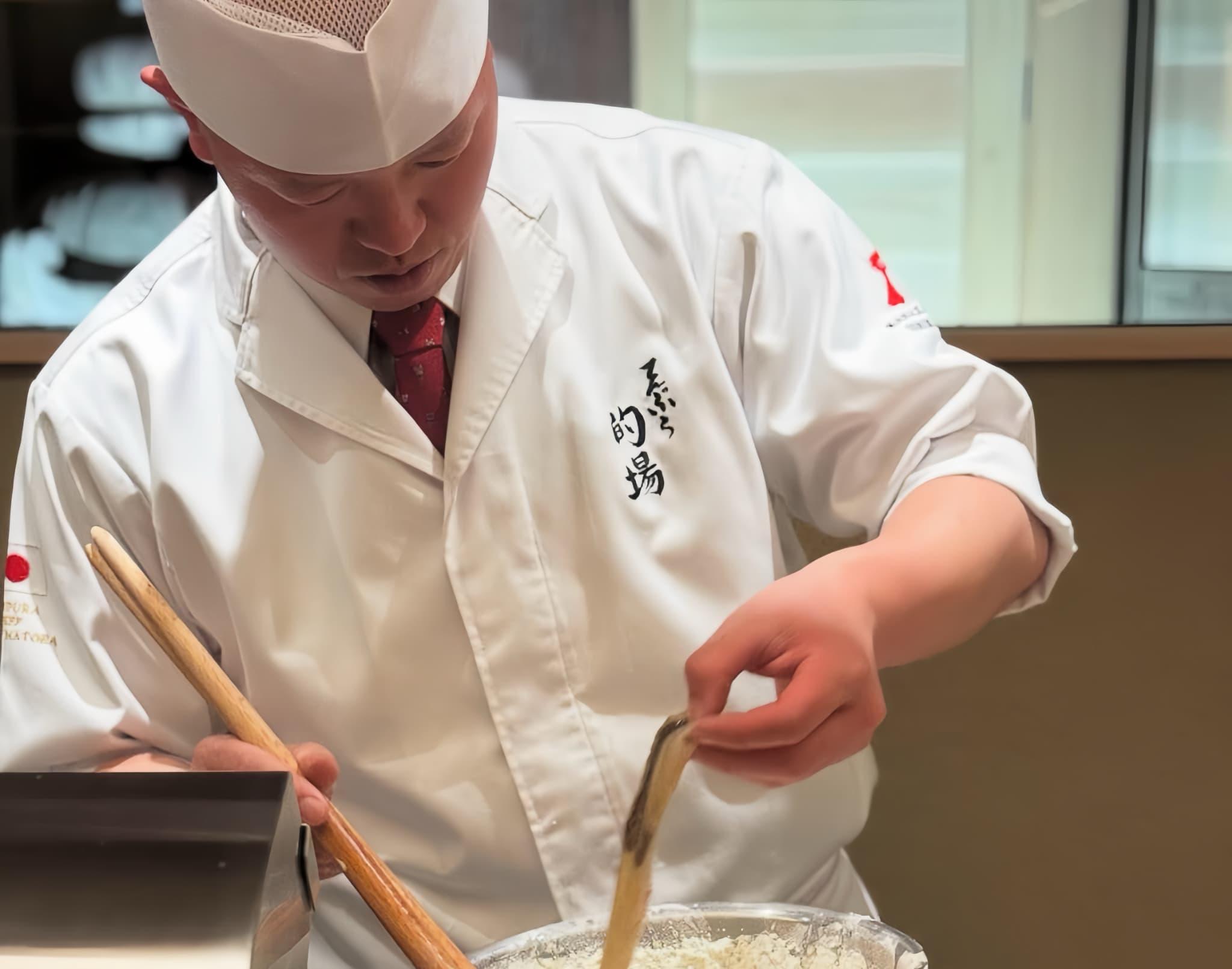
In Kanazawa, a city long regarded as Japan’s hidden capital of seafood, Sushi Shinosuke stands as one of its defining restaurants. Opened over two decades ago by Chef Shinosuke Morita, a direct disciple of the legendary Yasuke Komatsu, this counter represents the continuation of a sacred lineage. The very fact that Morita received the character “助” (suke) from his master’s name is symbolic—an inheritance reserved only for those deemed truly worthy.
Yet twenty years have passed since his independence, and Shinosuke’s reputation now rests firmly on his own merit. In a city where the coastal bounty defines culinary identity, he has carved out a place of quiet authority, where each piece of sushi reflects both heritage and personal evolution.
At the counter, the first impression is unmistakably Kanazawa. The neta—the toppings—are almost exclusively sourced from the Hokuriku coast: manjugai (northern disk clam), buri (yellowtail) from Himi, nodoguro (blackthroat seaperch), akaika (red squid), gasu ebi (glass shrimp), and in season, the beloved kobako-gani (female snow crab). These are the flavors that define the Sea of Japan, and Shinosuke presents them with an elegance that avoids excess.
Before the nigiri begins, the meal opens with small dishes that honor these local treasures: manjugai seared with butter to coax its sweetness, buri served with grated daikon and momiji oroshi to balance the fat, and translucent akaika sashimi that carries a whisper of the sea. Each course feels deliberate—grounded in regional pride yet free from showmanship.
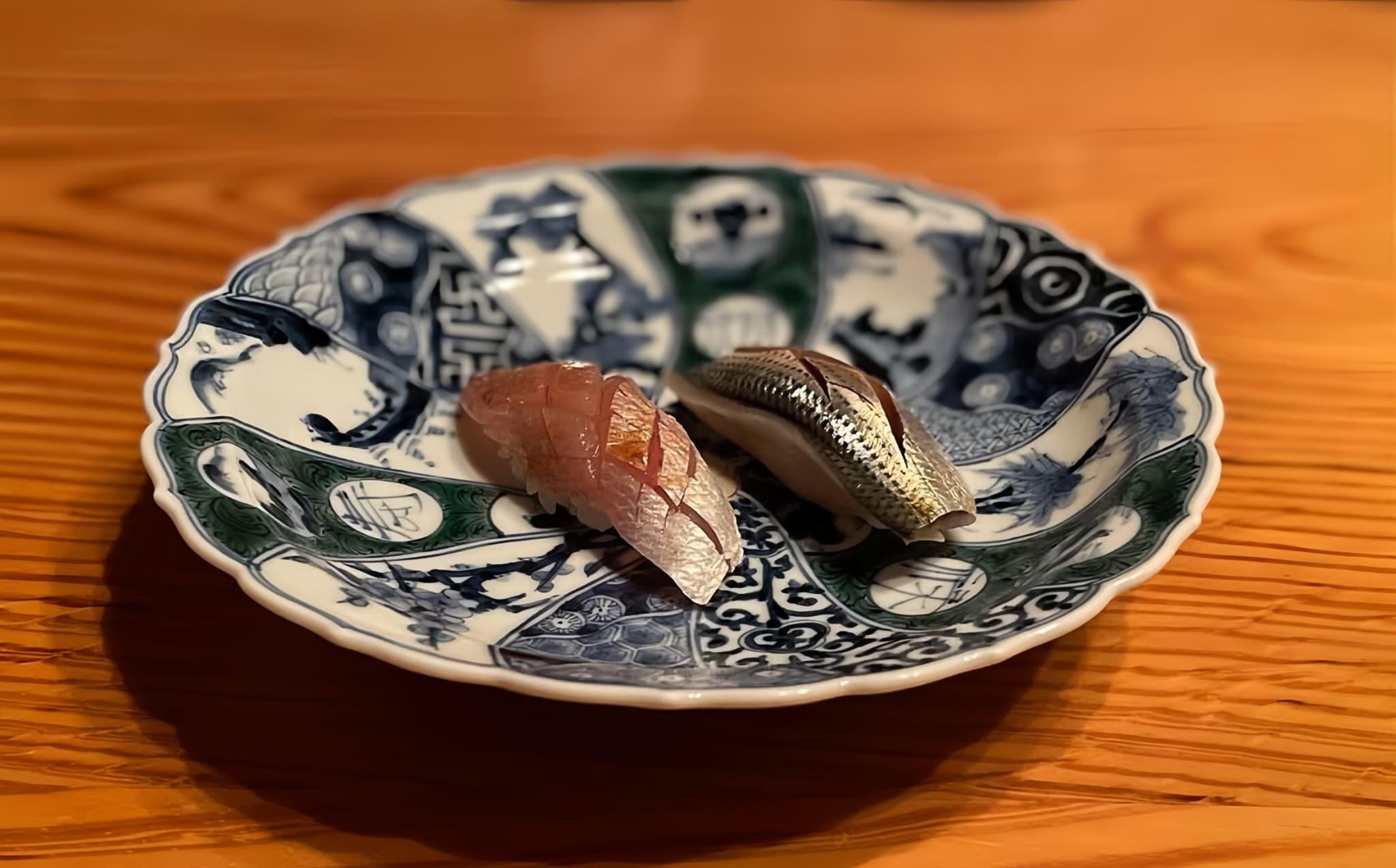
When it comes to sushi, the rice defines the restaurant. The shari here is firm, almost al dente, with a clear grain structure that holds its form until the moment it meets the tongue. It’s seasoned assertively, with vinegar that leans bright rather than mellow. The compact, almost spherical nigiri shape has become something of a signature, giving each piece a sculptural presence. For some, it’s an acquired taste; for others, it’s a revelation—a return to the sharp-edged discipline of true Edomae.
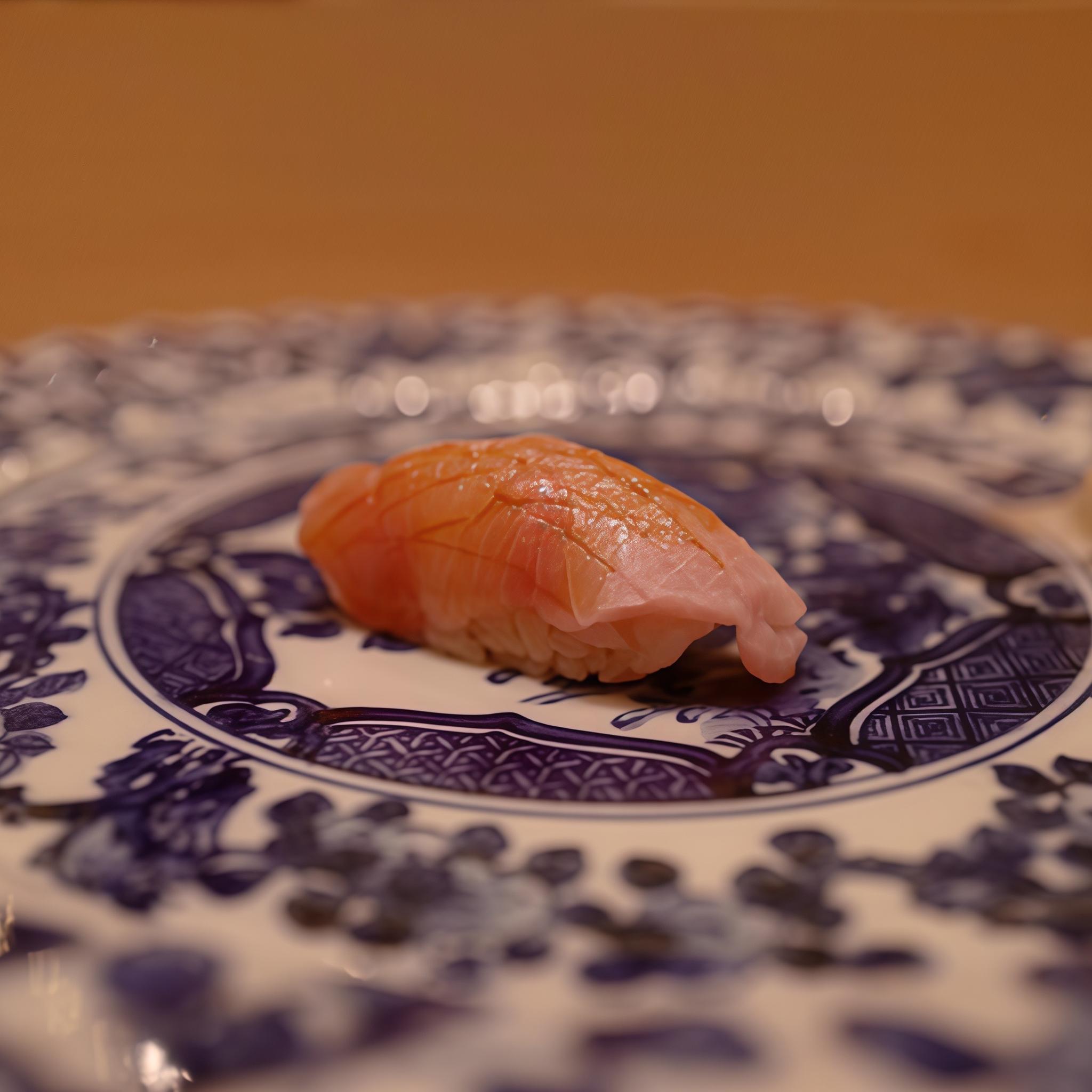
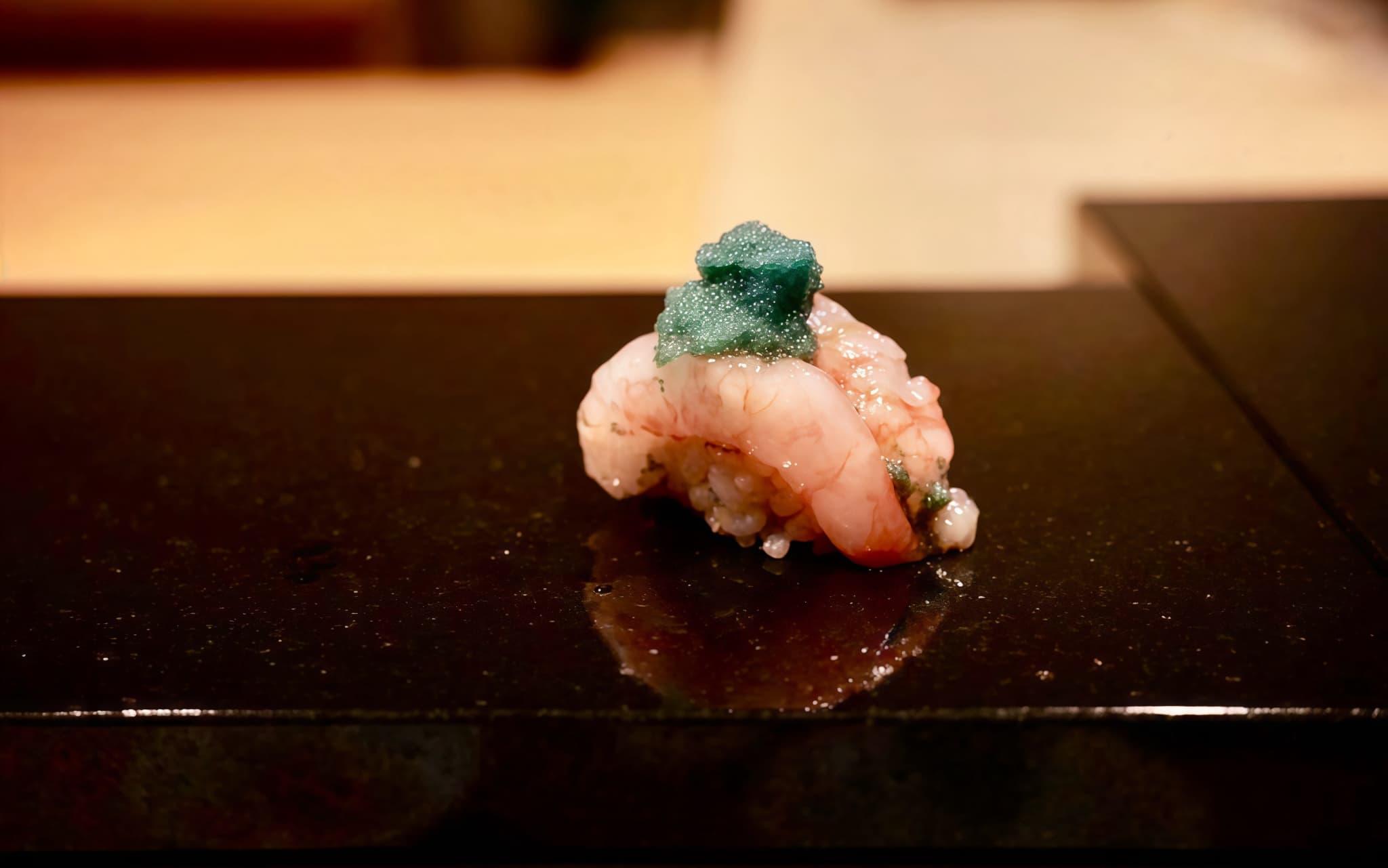
The contrast between this focused rice and the soft, pristine seafood creates a kind of tension that is distinctly Shinosuke. The maguro aburi—lightly seared tuna—is perhaps the emblematic piece. While not from Hokuriku, its inclusion signals Morita’s mastery of sourcing: he selects it not for locality but for quality, balancing loyalty to his region with professional freedom. The tai kobujime (sea bream cured in kelp) is clean and savory, the amaebi sweet and lush, and the bai-gai (whelk) delivers a deep, oceanic chew.
By the time the course reaches its finale—the maguro hand roll and unakyu (grilled eel with cucumber)—one can feel the faint echo of his mentor’s work at Komatsu Yasuke, not in imitation, but in spirit.
Sushi Shinosuke is not the flashiest restaurant in Kanazawa, nor the most avant-garde. Its greatness lies elsewhere—in the uncompromising focus on Hokuriku’s ingredients, the firm structure of its rice, and the quiet conviction of a chef who no longer needs to be defined by his master’s name.
In a city blessed with heavyweights like Otome Sushi and Mekumi, Shinosuke occupies a space of its own: a craftsman’s counter where the essence of Kanazawa’s sea meets the discipline of Edomae tradition.
Yet twenty years have passed since his independence, and Shinosuke’s reputation now rests firmly on his own merit. In a city where the coastal bounty defines culinary identity, he has carved out a place of quiet authority, where each piece of sushi reflects both heritage and personal evolution.
At the counter, the first impression is unmistakably Kanazawa. The neta—the toppings—are almost exclusively sourced from the Hokuriku coast: manjugai (northern disk clam), buri (yellowtail) from Himi, nodoguro (blackthroat seaperch), akaika (red squid), gasu ebi (glass shrimp), and in season, the beloved kobako-gani (female snow crab). These are the flavors that define the Sea of Japan, and Shinosuke presents them with an elegance that avoids excess.
Before the nigiri begins, the meal opens with small dishes that honor these local treasures: manjugai seared with butter to coax its sweetness, buri served with grated daikon and momiji oroshi to balance the fat, and translucent akaika sashimi that carries a whisper of the sea. Each course feels deliberate—grounded in regional pride yet free from showmanship.
When it comes to sushi, the rice defines the restaurant. The shari here is firm, almost al dente, with a clear grain structure that holds its form until the moment it meets the tongue. It’s seasoned assertively, with vinegar that leans bright rather than mellow. The compact, almost spherical nigiri shape has become something of a signature, giving each piece a sculptural presence. For some, it’s an acquired taste; for others, it’s a revelation—a return to the sharp-edged discipline of true Edomae.
The contrast between this focused rice and the soft, pristine seafood creates a kind of tension that is distinctly Shinosuke. The maguro aburi—lightly seared tuna—is perhaps the emblematic piece. While not from Hokuriku, its inclusion signals Morita’s mastery of sourcing: he selects it not for locality but for quality, balancing loyalty to his region with professional freedom. The tai kobujime (sea bream cured in kelp) is clean and savory, the amaebi sweet and lush, and the bai-gai (whelk) delivers a deep, oceanic chew.
By the time the course reaches its finale—the maguro hand roll and unakyu (grilled eel with cucumber)—one can feel the faint echo of his mentor’s work at Komatsu Yasuke, not in imitation, but in spirit.
Sushi Shinosuke is not the flashiest restaurant in Kanazawa, nor the most avant-garde. Its greatness lies elsewhere—in the uncompromising focus on Hokuriku’s ingredients, the firm structure of its rice, and the quiet conviction of a chef who no longer needs to be defined by his master’s name.
In a city blessed with heavyweights like Otome Sushi and Mekumi, Shinosuke occupies a space of its own: a craftsman’s counter where the essence of Kanazawa’s sea meets the discipline of Edomae tradition.
Overview
| Cuisine | Sushi |
|---|---|
| Area | Kanazawa, Ishikawa |
| Chef | Kenshi Maeda |
| Background | Komatsu Yasuke |
| Shari | Mild acidity, Red vinegar |
| English support | Limited |
Courses

Dinner
Omakase
Booking fee ¥1,000
JPY27,500
(Tax Incl.)
Restaurant rules
Please refrain from wearing strong fragrances, including perfumes, fabric softeners, or scented sprays, when visiting the restaurant.
Substitutes are not accepted. The guest who made the reservation must attend in person.
Substitutes are not accepted. The guest who made the reservation must attend in person.
Restaurant information
| Working Hours | 12:00 - 14:30 18:00 - 21:30 |
|---|---|
| Seats | 10 |
| Payment | Visa, MasterCard, Diners, American Express, Cash |
| Smoking | Not Allowed |
| Alcohol take-in | Not Allowed |
| Phone number | 076-216-5280 |
| Address | 3-73 Irie, Kanazawa-shi, Ishikawa, Japan |
Location map
Request
Instant Reservation
2026
October
M
T
W
T
F
S
S
27
28
29
1
2
3
4
5
6
7
8
9
10
11
12
13
14
15
16
17
18
19
20
21
22
23
24
25
26
27
28
29
30
31
Checking request availability…
Checking request availability…
More counters we can secure for you
Picked by the same team — similar style or nearby.