

Ishibashi
Tokyo
Wagyu
Where Tokyo Learned How to Eat Sukiyaki
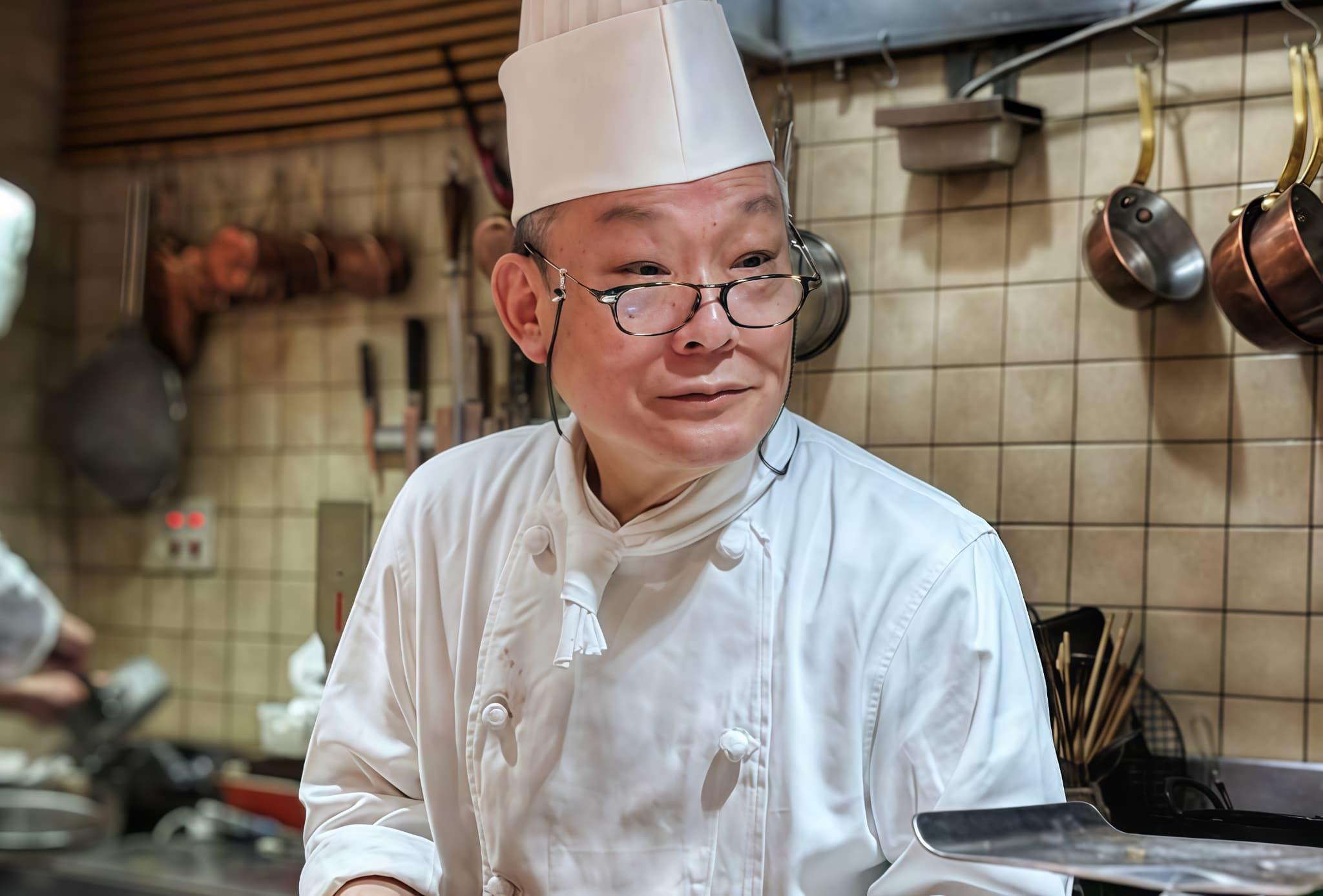
Among Tokyo’s oldest dining institutions, Sukiyakiya Ishibashi in Kanda stands apart for preserving the spirit of Meiji-era hospitality in every detail. Established in 1879 as an extension of the Ishibashi Butcher Shop founded seven years earlier, it has remained a family-run sukiyaki specialist for nearly a century and a half, and continues to hold a Michelin star for fourteen consecutive years.
The experience begins even before the meal itself. The building, rebuilt in 1950 after being destroyed during the Tokyo air raids, is a perfectly kept postwar Japanese home: tatami rooms, wooden alcoves, low lighting, and a calm sense of time standing still. Everything feels deeply rooted, yet nothing feels old-fashioned. The moment you enter, the scent of beef and soy simmering in cast iron quietly signals that this is not nostalgia for show, but tradition still alive.
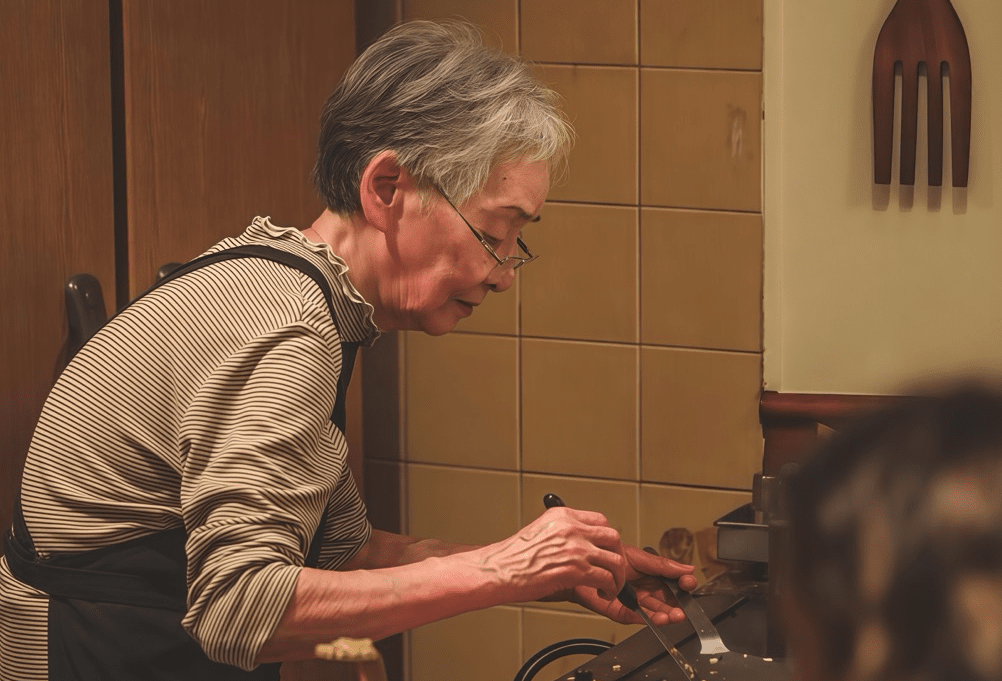
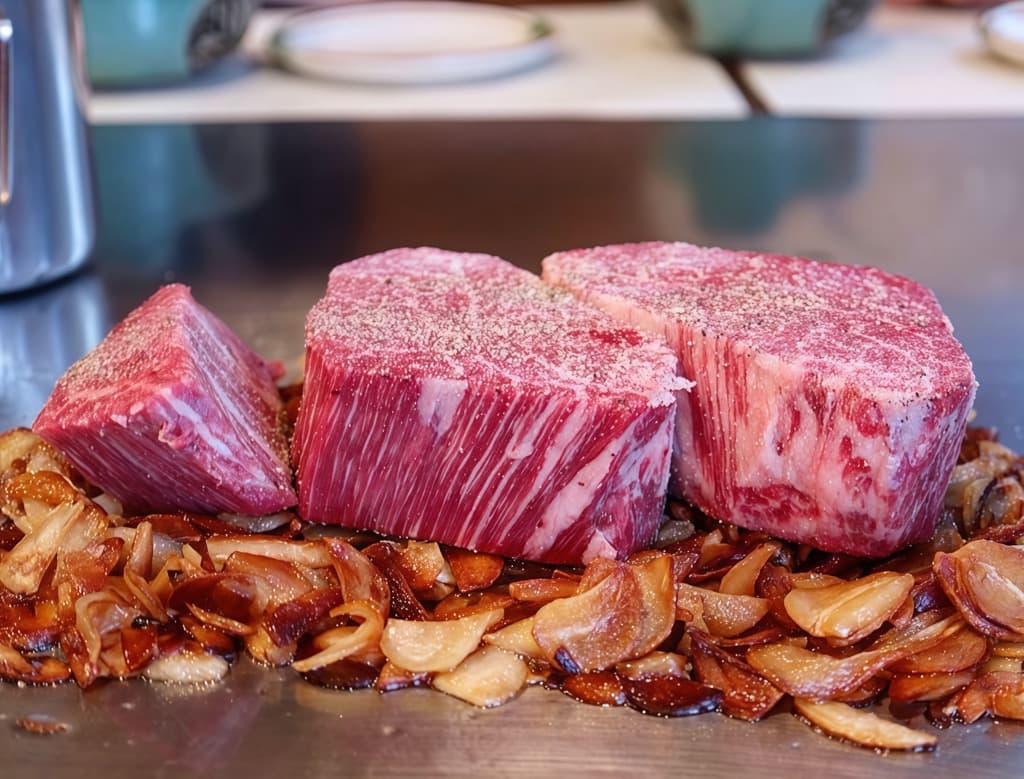
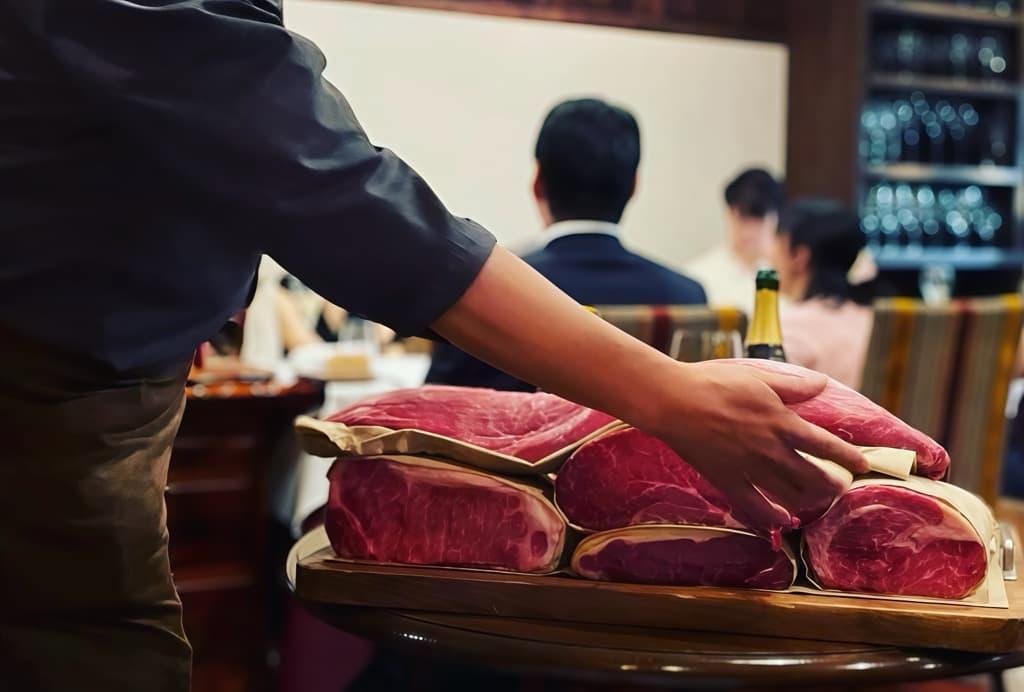
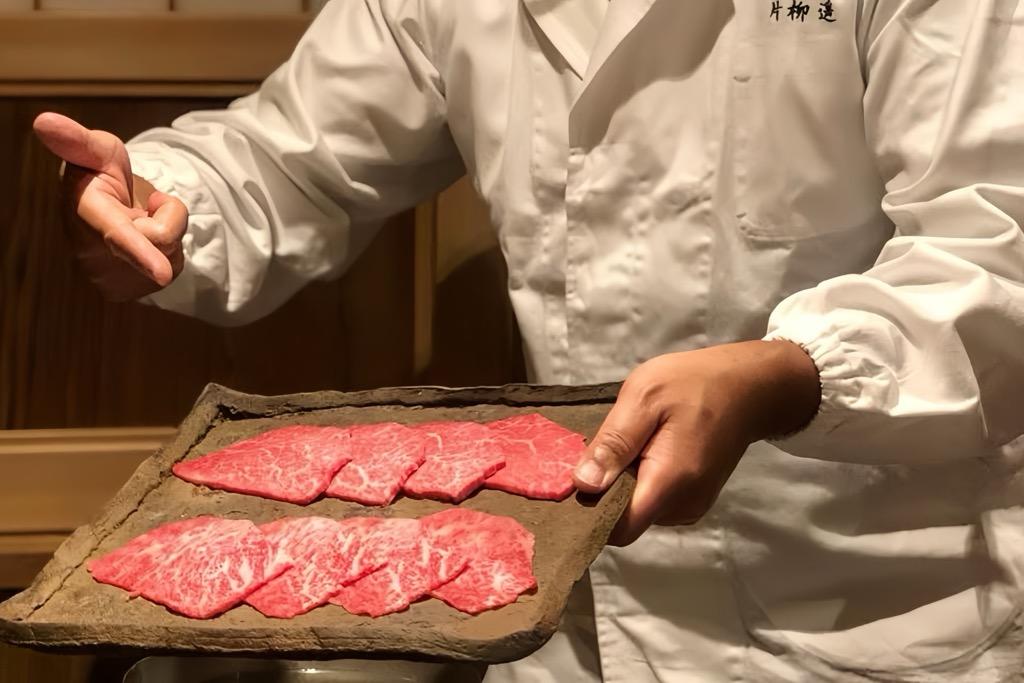
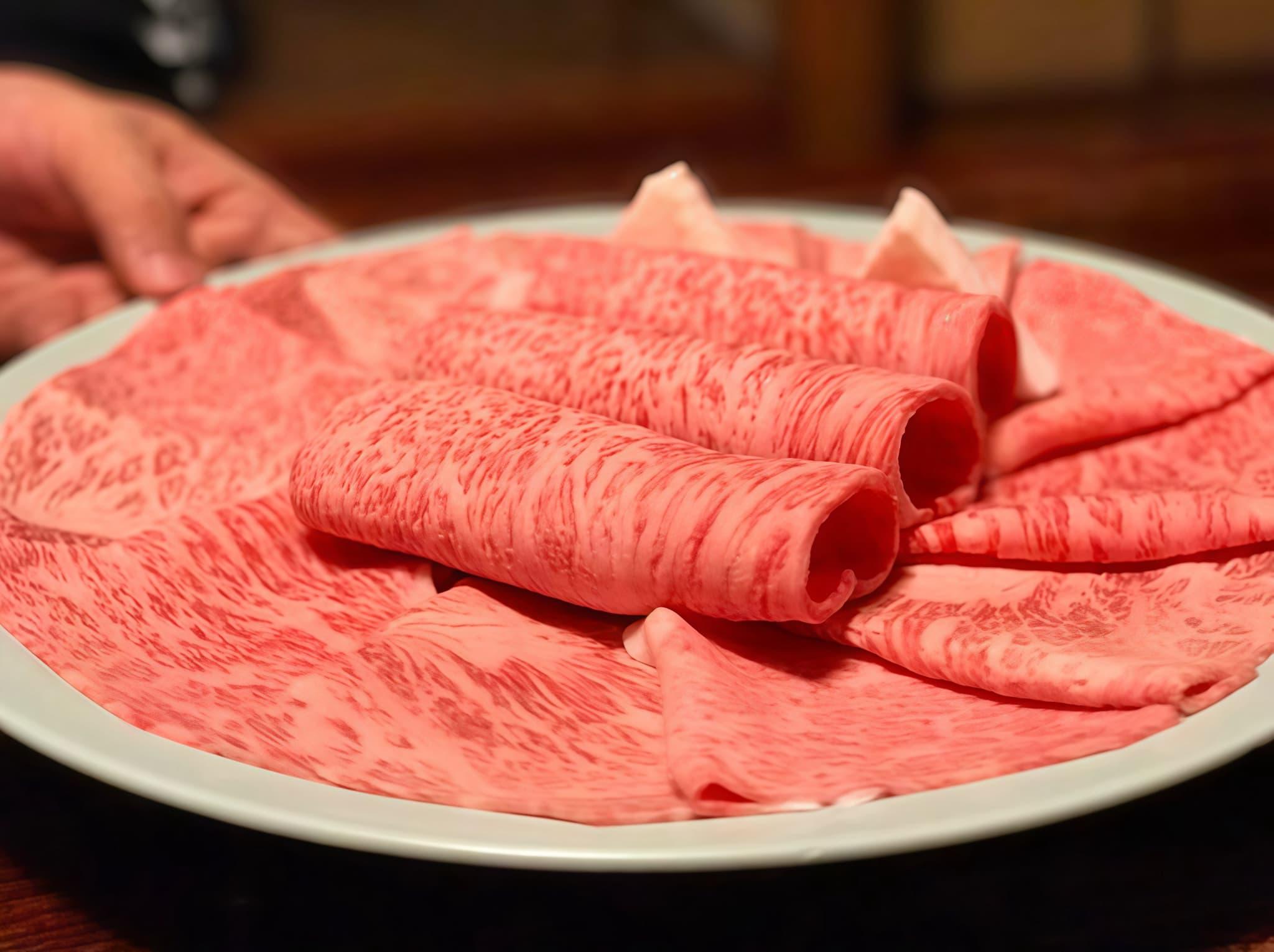
At the heart of Ishibashi’s legacy is its secret sukiyaki sauce, a recipe passed down exclusively through the women of the family. Unchanged since 1879, it blends soy sauce, sugar, and mirin into a sauce that’s gently sweet, deeply aromatic, and designed to bring out the flavor of wagyu rather than overpower it. The beef itself comes directly from the family’s own butcher shop next door, ensuring unmatched quality and consistency. The marbling is delicate and uniform, melting at the lightest touch of heat. Guests can choose between the Roast and Marbled courses, both featuring carefully selected Kuroge wagyu of the highest grade.
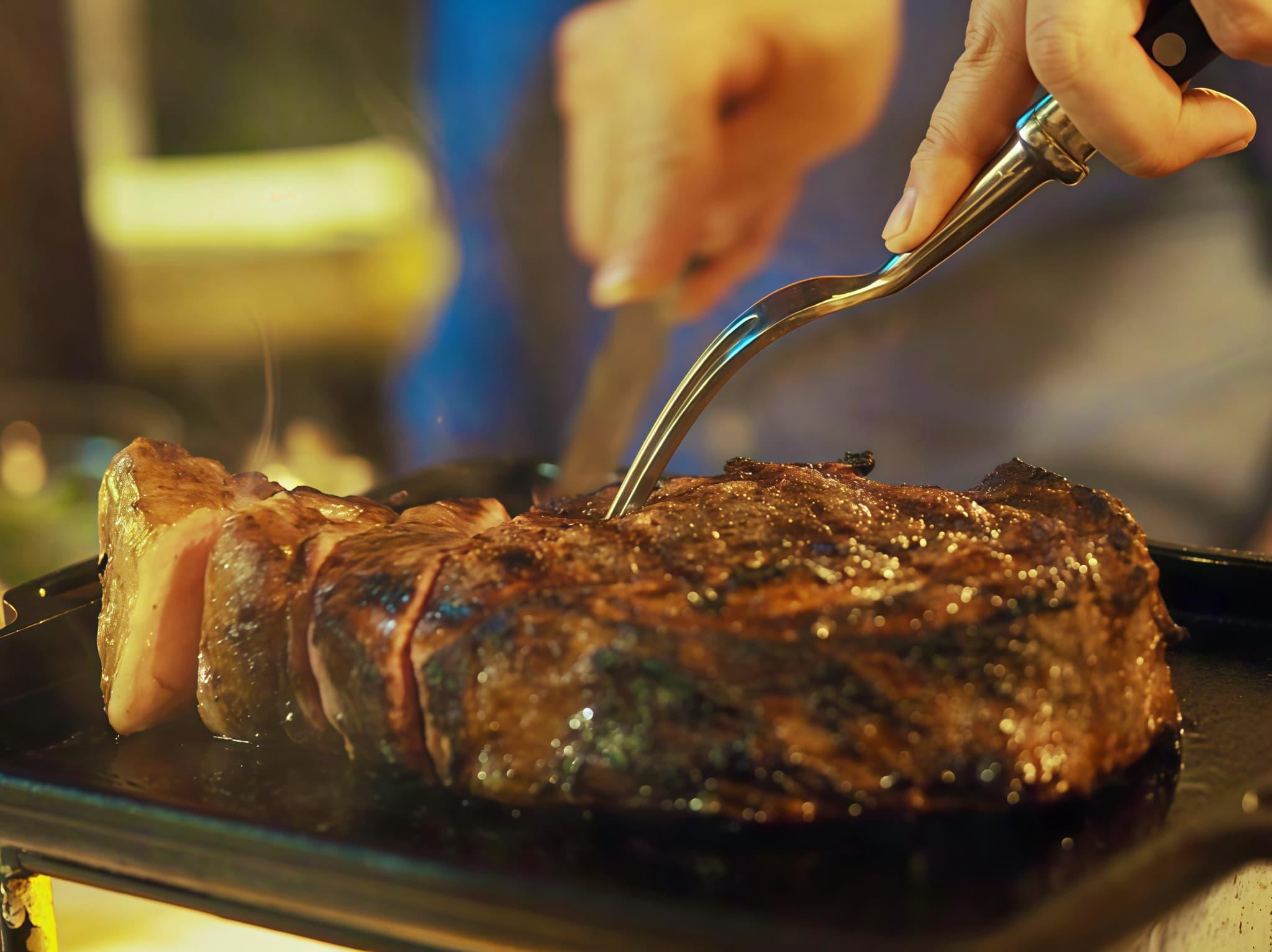
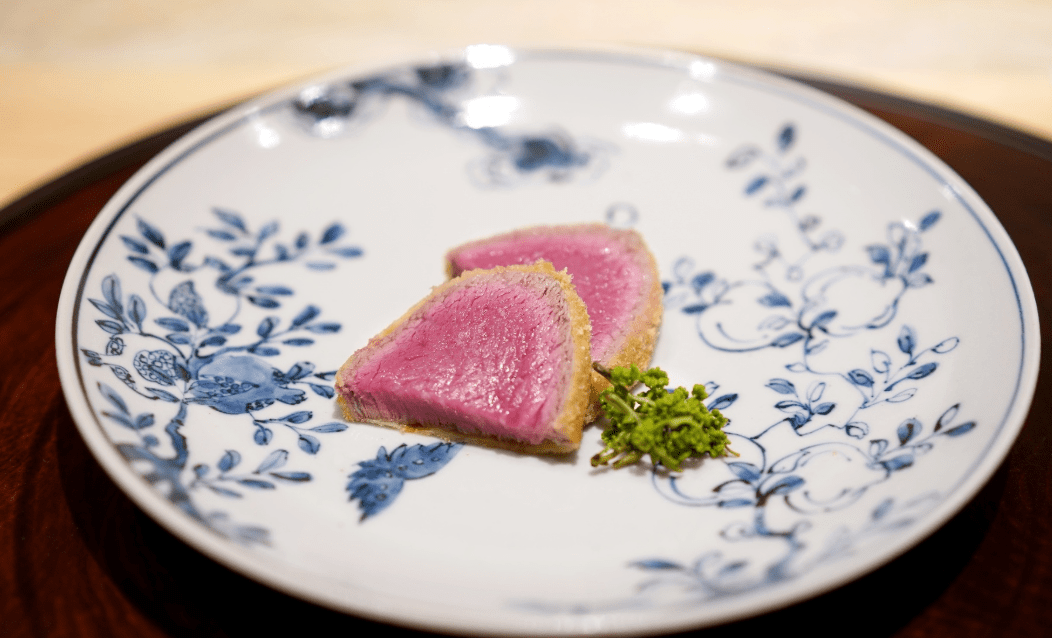
Each slice is cooked tableside by a kimono-clad attendant, whose movements are practiced and elegant. Nothing is rushed, and every element—meat, tofu, shirataki noodles, onion, and greens—is grilled in perfect sequence, each piece served at the ideal moment. The first round begins simply with the beef alone, seared just enough to keep the center faintly rare. Dipped into a fresh egg, it delivers an almost shocking intensity—pure, juicy, and filled with the concentrated flavor of premium wagyu.
The second round brings tofu, shirataki, and negi; the third combines onions, mushrooms, and chrysanthemum greens, where the sweetness of the onion stands out vividly. The fourth returns to a lighter balance of greens and mushrooms. Each stage unfolds like a quiet rhythm, showing how subtle changes in ingredients and timing can completely alter the flavor.
The meal concludes with the restaurant’s signature rice and egg ojiya, cooked directly in the same pan that held the sukiyaki. When the lid is lifted, the egg appears fluffy and trembling, softly dancing in the residual heat. The sauce and beef drippings meld into the egg, creating a deeply aromatic finish—rich, savory, and quietly luxurious. It’s the kind of finale that stays with you long after the meal ends.
Every guest dines in a private tatami room, attended throughout by staff who seem to know what you need before you ask. It’s a place suited as much for quiet conversation as for formal gatherings, and while dinner is served only on weekday evenings, it’s well worth adjusting your schedule for.
In a city obsessed with reinvention, Ishibashi remains content to stay exactly as it is. There’s no flash, no gimmick—just a mastery of sukiyaki carried forward for five generations. To understand the beauty of Japan’s most comforting beef tradition, you start here.
The experience begins even before the meal itself. The building, rebuilt in 1950 after being destroyed during the Tokyo air raids, is a perfectly kept postwar Japanese home: tatami rooms, wooden alcoves, low lighting, and a calm sense of time standing still. Everything feels deeply rooted, yet nothing feels old-fashioned. The moment you enter, the scent of beef and soy simmering in cast iron quietly signals that this is not nostalgia for show, but tradition still alive.
At the heart of Ishibashi’s legacy is its secret sukiyaki sauce, a recipe passed down exclusively through the women of the family. Unchanged since 1879, it blends soy sauce, sugar, and mirin into a sauce that’s gently sweet, deeply aromatic, and designed to bring out the flavor of wagyu rather than overpower it. The beef itself comes directly from the family’s own butcher shop next door, ensuring unmatched quality and consistency. The marbling is delicate and uniform, melting at the lightest touch of heat. Guests can choose between the Roast and Marbled courses, both featuring carefully selected Kuroge wagyu of the highest grade.
Each slice is cooked tableside by a kimono-clad attendant, whose movements are practiced and elegant. Nothing is rushed, and every element—meat, tofu, shirataki noodles, onion, and greens—is grilled in perfect sequence, each piece served at the ideal moment. The first round begins simply with the beef alone, seared just enough to keep the center faintly rare. Dipped into a fresh egg, it delivers an almost shocking intensity—pure, juicy, and filled with the concentrated flavor of premium wagyu.
The second round brings tofu, shirataki, and negi; the third combines onions, mushrooms, and chrysanthemum greens, where the sweetness of the onion stands out vividly. The fourth returns to a lighter balance of greens and mushrooms. Each stage unfolds like a quiet rhythm, showing how subtle changes in ingredients and timing can completely alter the flavor.
The meal concludes with the restaurant’s signature rice and egg ojiya, cooked directly in the same pan that held the sukiyaki. When the lid is lifted, the egg appears fluffy and trembling, softly dancing in the residual heat. The sauce and beef drippings meld into the egg, creating a deeply aromatic finish—rich, savory, and quietly luxurious. It’s the kind of finale that stays with you long after the meal ends.
Every guest dines in a private tatami room, attended throughout by staff who seem to know what you need before you ask. It’s a place suited as much for quiet conversation as for formal gatherings, and while dinner is served only on weekday evenings, it’s well worth adjusting your schedule for.
In a city obsessed with reinvention, Ishibashi remains content to stay exactly as it is. There’s no flash, no gimmick—just a mastery of sukiyaki carried forward for five generations. To understand the beauty of Japan’s most comforting beef tradition, you start here.
Courses

Dinner
Sukiyaki (Sirloin) Course
Booking fee ¥1,000
JPY17,600
(Tax Incl.)
Dinner
Sukiyaki (Marbled Beef) Course
Booking fee ¥1,000
JPY19,800
(Tax Incl.)
Restaurant rules
Substitutes are not accepted. The guest who made the reservation must attend in person.
Restaurant information
| Working Hours | 17:00 - 21:30 |
|---|---|
| Seats | 30 |
| Payment | Visa, MasterCard, Diners, American Express, Cash |
| Smoking | Not Allowed |
| Alcohol take-in | Not Allowed |
| Phone number | 03-3251-3580 |
| Address | 3-6-8 Sotokanda, Chiyoda-ku, Tokyo, Japan |
Location map
Request
Instant Reservation
2026
October
M
T
W
T
F
S
S
27
28
29
1
2
3
4
5
6
7
8
9
10
11
12
13
14
15
16
17
18
19
20
21
22
23
24
25
26
27
28
29
30
31
Checking request availability…
Checking request availability…
More counters we can secure for you
Picked by the same team — similar style or nearby.