

Sushi Fukuzuka
Tokyo
Sushi
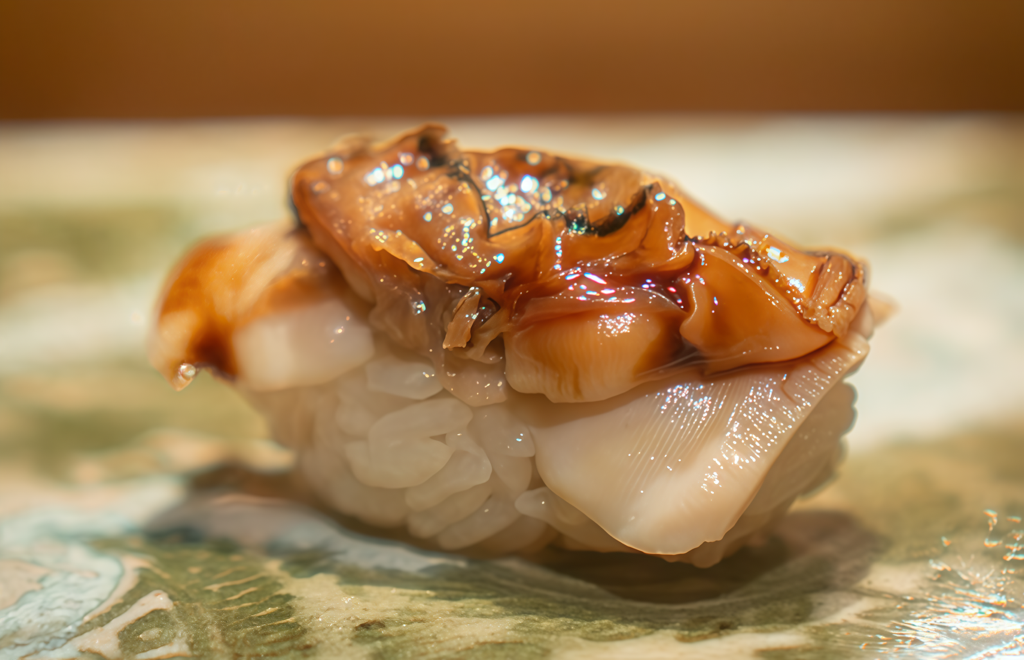
A Sushi Counter Built Like a Laboratory
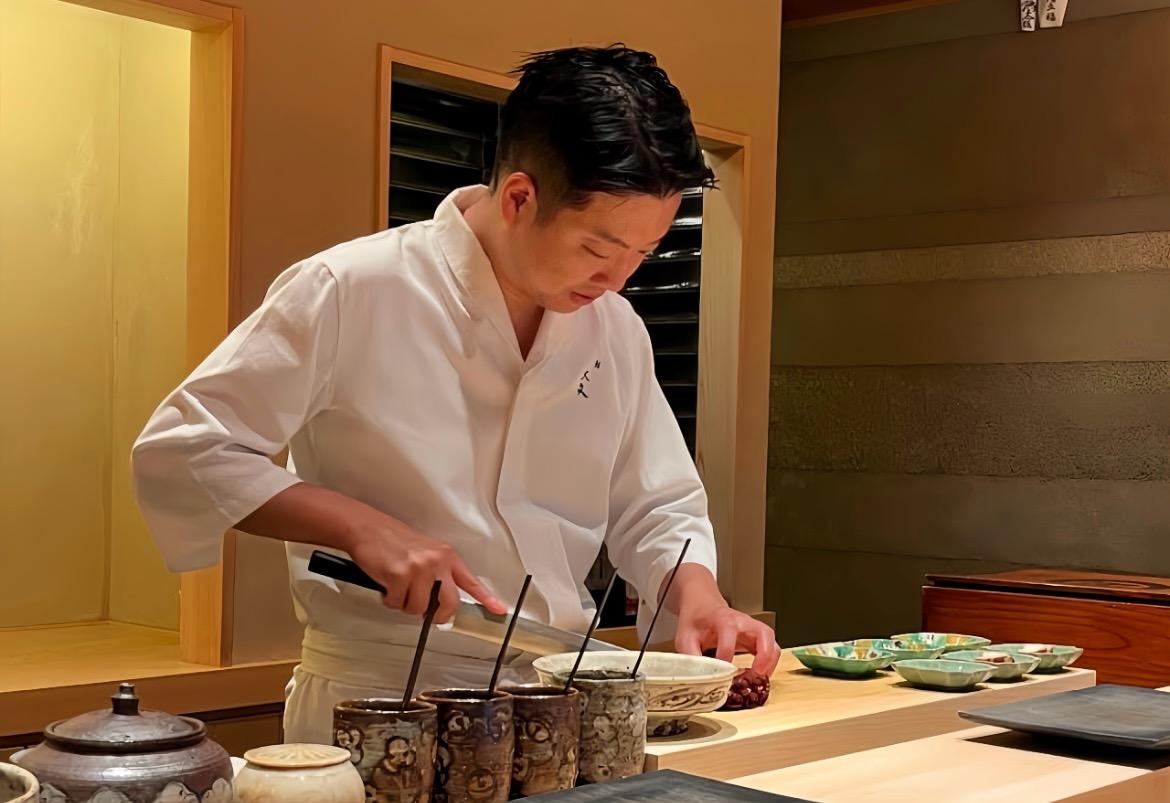
Among the many sushi restaurants in Tokyo, Sushi Fukuzuka in Kagurazaka stands out as one of the most original and technically daring. Often described by devoted regulars as a “sushi laboratory,” it attracts a loyal following of serious sushi enthusiasts who value creativity and precision over flash or fame.
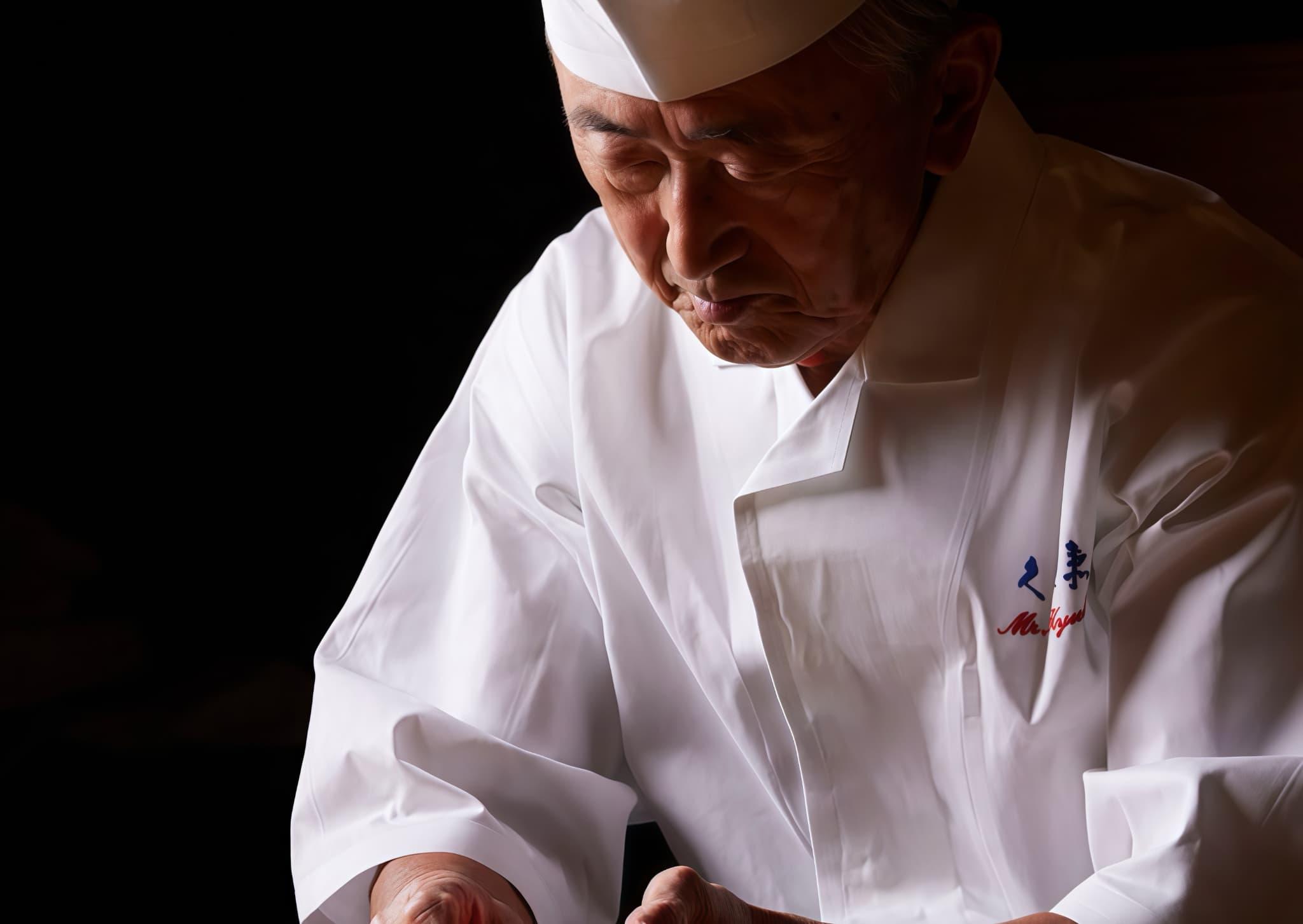
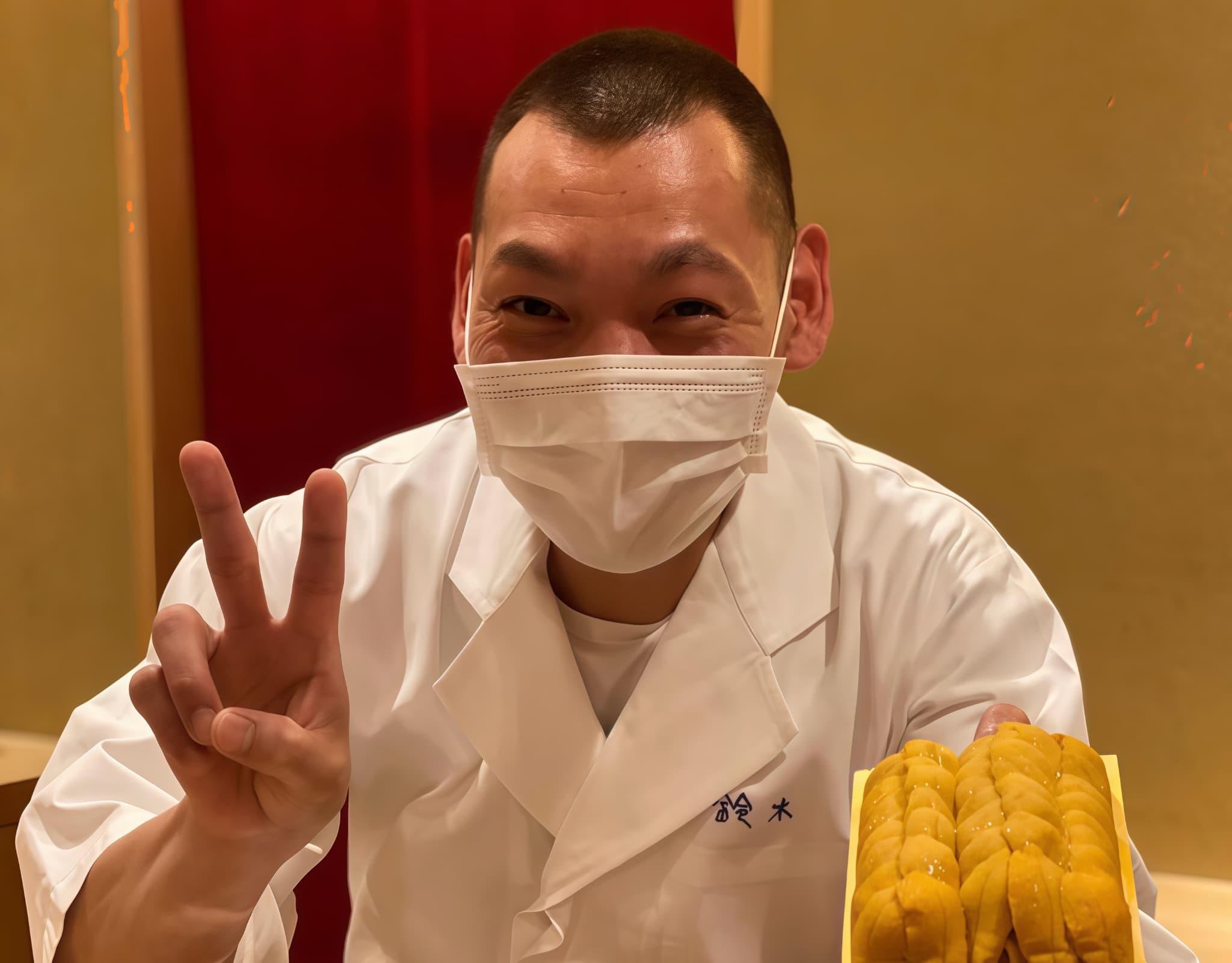
Owner chef Fukuzuka approaches sushi with the mindset of a craftsman-scientist. He doesn’t just adjust the seasoning or temperature—he redefines them. The restaurant uses three different types of shari (sushi rice), each blended from Kyoto’s Iio Jozo vinegars (Fuji, Fuji Premium, and Akazu Premium) to match the characteristics of the neta (the ingredients). Even the wasabi and gari (pickled ginger) are divided into three types, each suited to specific pairings. It sounds obsessive, but in execution it feels natural and quietly logical—an evolved form of Edomae that still respects its roots.
Fukuzuka’s use of high-temperature rice, often around 50°C, is particularly unconventional. Traditional sushi training dictates that shari should be body temperature (around 35°C) after resting. Here, the rice is freshly cut and used hot, allowing the acidity to lift the flavors of fatty fish. It’s a technique once considered radical, but in Fukuzuka’s hands, it works beautifully, melting the fat of tuna or seabass into the rice and creating an immediate, harmonious warmth.
The course changes often but follows a consistent structure of balance and curiosity. A few early tsumami might include Hirota sea urchin from Iwate with a gentle kombu dashi jelly, or Akashi octopus, simply seasoned to preserve its bounce and natural sweetness. His suzuki (sea bass) is dried slightly to concentrate flavor and served with a trio of condiments—wasabi salt, wasabi-iri-zake, and wasabi liver soy—each adding a subtle layer of depth. The botan ebi (spot prawn) from Hokkaido arrives cold and rich, the sweetness unfolding slowly on the palate.
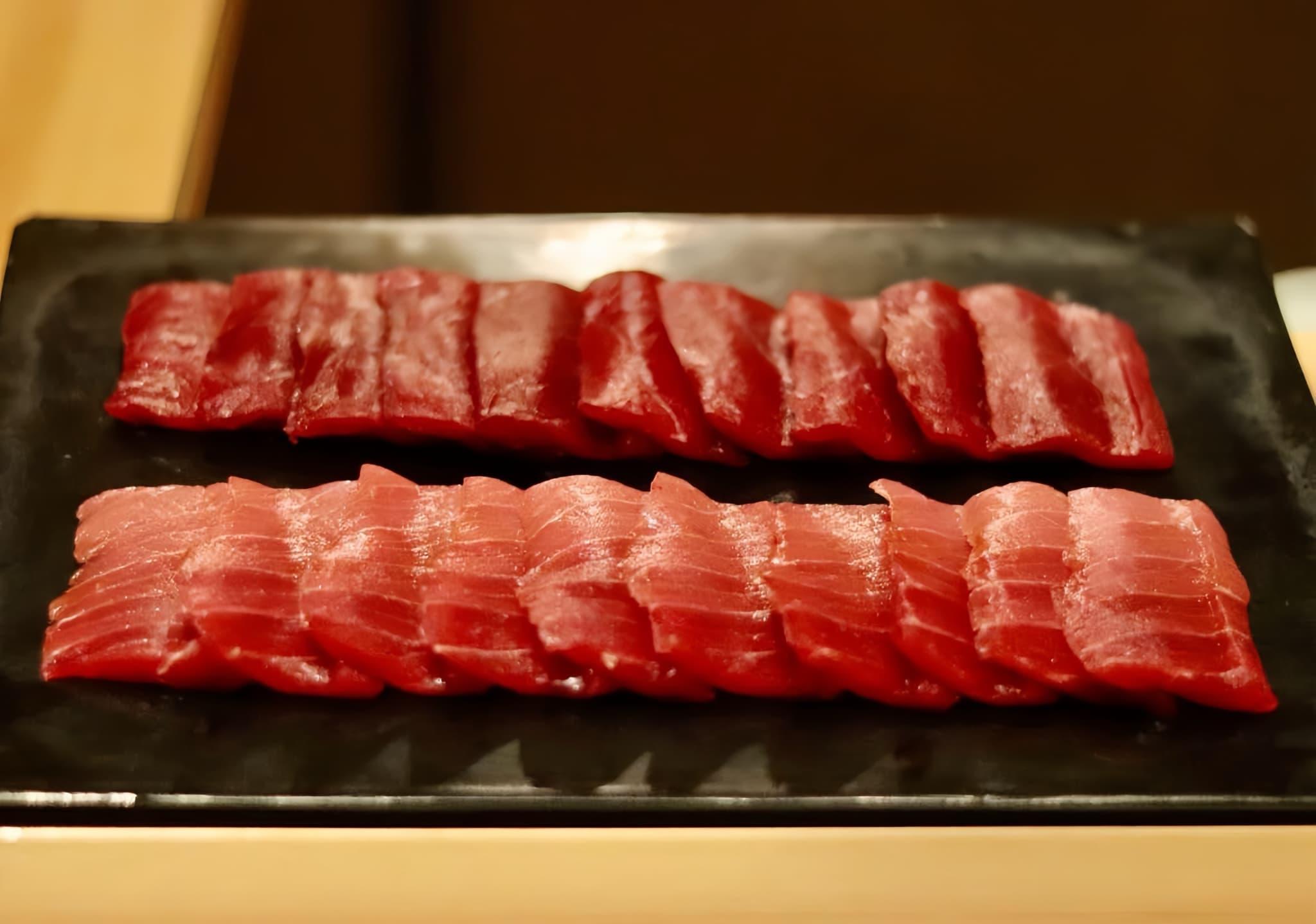
From the nigiri section, kasugodai (young sea bream) and kohada (gizzard shad) show Fukuzuka’s respect for traditional work, while the maguro lineup—meji maguro, akami, chutoro, and ootoro—is a study in temperature control and knife work. The tuna is sourced from Hicho, a trusted Toyosu wholesaler, and served across varying rice temperatures from 40°C to 60°C depending on the cut. Each piece lands with precision: the akami is pure and clean, the chutoro silky, the ootoro luxuriously warm and aromatic.
Even within the classics, there is experimentation. His tamago is a three-layer construction, using eggs from Okukuji shamo, Gunma jidori, and quail. The layers represent different ideas—a traditional omelet, a custard-like modern interpretation, and a sauce-rich third layer that borders on dessert. It’s technical, yes, but also surprisingly satisfying. The dessert course, a charcoal-toasted monaka filled with honey ice cream and roasted peach frozen tableside with liquid nitrogen, is another sign that this is a chef who enjoys challenging the form without losing sight of flavor.
The atmosphere complements the food. The pale wood counter glows softly under restrained lighting, and the dark walls seem to absorb sound. There’s a quiet tension between refinement and experimentation—enough theater to engage you, but never forced. The design feels modern but understated, more “laboratory of craft” than luxury stage.
Fukuzuka’s sushi isn’t for those seeking Instagram perfection or luxury excess. It’s for those who pay attention—to temperature, acidity, texture, and timing. Every detail, from the vinegar ratios to the way each fish meets the rice, feels deliberate and tested. It’s a place where intuition and analysis meet in the most Japanese way possible.
In a city overflowing with sushi counters chasing trends, Sushi Fukuzuka stands apart. Not for its price or prestige, but for the depth of thought behind every bite. It’s one of the few restaurants in Tokyo where the word “modern” doesn’t mean “watered down”—it means a deeper, more curious form of tradition.
Owner chef Fukuzuka approaches sushi with the mindset of a craftsman-scientist. He doesn’t just adjust the seasoning or temperature—he redefines them. The restaurant uses three different types of shari (sushi rice), each blended from Kyoto’s Iio Jozo vinegars (Fuji, Fuji Premium, and Akazu Premium) to match the characteristics of the neta (the ingredients). Even the wasabi and gari (pickled ginger) are divided into three types, each suited to specific pairings. It sounds obsessive, but in execution it feels natural and quietly logical—an evolved form of Edomae that still respects its roots.
Fukuzuka’s use of high-temperature rice, often around 50°C, is particularly unconventional. Traditional sushi training dictates that shari should be body temperature (around 35°C) after resting. Here, the rice is freshly cut and used hot, allowing the acidity to lift the flavors of fatty fish. It’s a technique once considered radical, but in Fukuzuka’s hands, it works beautifully, melting the fat of tuna or seabass into the rice and creating an immediate, harmonious warmth.
The course changes often but follows a consistent structure of balance and curiosity. A few early tsumami might include Hirota sea urchin from Iwate with a gentle kombu dashi jelly, or Akashi octopus, simply seasoned to preserve its bounce and natural sweetness. His suzuki (sea bass) is dried slightly to concentrate flavor and served with a trio of condiments—wasabi salt, wasabi-iri-zake, and wasabi liver soy—each adding a subtle layer of depth. The botan ebi (spot prawn) from Hokkaido arrives cold and rich, the sweetness unfolding slowly on the palate.
From the nigiri section, kasugodai (young sea bream) and kohada (gizzard shad) show Fukuzuka’s respect for traditional work, while the maguro lineup—meji maguro, akami, chutoro, and ootoro—is a study in temperature control and knife work. The tuna is sourced from Hicho, a trusted Toyosu wholesaler, and served across varying rice temperatures from 40°C to 60°C depending on the cut. Each piece lands with precision: the akami is pure and clean, the chutoro silky, the ootoro luxuriously warm and aromatic.
Even within the classics, there is experimentation. His tamago is a three-layer construction, using eggs from Okukuji shamo, Gunma jidori, and quail. The layers represent different ideas—a traditional omelet, a custard-like modern interpretation, and a sauce-rich third layer that borders on dessert. It’s technical, yes, but also surprisingly satisfying. The dessert course, a charcoal-toasted monaka filled with honey ice cream and roasted peach frozen tableside with liquid nitrogen, is another sign that this is a chef who enjoys challenging the form without losing sight of flavor.
The atmosphere complements the food. The pale wood counter glows softly under restrained lighting, and the dark walls seem to absorb sound. There’s a quiet tension between refinement and experimentation—enough theater to engage you, but never forced. The design feels modern but understated, more “laboratory of craft” than luxury stage.
Fukuzuka’s sushi isn’t for those seeking Instagram perfection or luxury excess. It’s for those who pay attention—to temperature, acidity, texture, and timing. Every detail, from the vinegar ratios to the way each fish meets the rice, feels deliberate and tested. It’s a place where intuition and analysis meet in the most Japanese way possible.
In a city overflowing with sushi counters chasing trends, Sushi Fukuzuka stands apart. Not for its price or prestige, but for the depth of thought behind every bite. It’s one of the few restaurants in Tokyo where the word “modern” doesn’t mean “watered down”—it means a deeper, more curious form of tradition.
Overview
| Cuisine | Sushi |
|---|---|
| Area | Kagurazaka, Tokyo |
| Chef | Hironobu Fukuzuka |
| Background | A lesser known sushi restaurant in Tokyo |
| Shari | Medium acidity, Rice vinegar based |
| English support | Limited |
Courses

Dinner
Omakase
Booking fee ¥1,000
JPY38,000
(Tax Incl.)
Restaurant rules
Please refrain from wearing strong fragrances, including perfumes, fabric softeners, or scented sprays, when visiting the restaurant.
Substitutes are not accepted. The guest who made the reservation must attend in person.
Guests with extensive allergies or dislikes that affect two or more dishes in the course may have their reservation treated as a cancellation. Depending on the timing of the notice, the cancellation policy may apply.
Smoking is not permitted during or after the meal, including electronic cigarettes in the restroom.
Substitutes are not accepted. The guest who made the reservation must attend in person.
Guests with extensive allergies or dislikes that affect two or more dishes in the course may have their reservation treated as a cancellation. Depending on the timing of the notice, the cancellation policy may apply.
Smoking is not permitted during or after the meal, including electronic cigarettes in the restroom.
Restaurant information
| Seats | 6 |
|---|---|
| Payment | Visa, MasterCard, Diners, American Express, Cash |
| Smoking | Not Allowed |
| Alcohol take-in | Not Allowed |
| Phone number | 03-5579-2860 |
| Address | 2F, 3-5 Tsukudomachi, Shinjuku-ku, Tokyo, Japan |
Location map
Request
Instant Reservation
2026
October
M
T
W
T
F
S
S
27
28
29
1
2
3
4
5
6
7
8
9
10
11
12
13
14
15
16
17
18
19
20
21
22
23
24
25
26
27
28
29
30
31
Checking request availability…
Checking request availability…
More counters we can secure for you
Picked by the same team — similar style or nearby.