

Ginza Iwa
Tokyo
Sushi
A Kyubey-Bred Counter with a Gentle Touch
In Ginza’s world of serious, high-end sushi, Ginza Iwa feels refreshingly approachable. The atmosphere is calm, the hospitality is warm, and the sushi speaks for itself — precise, beautiful, and deeply satisfying.
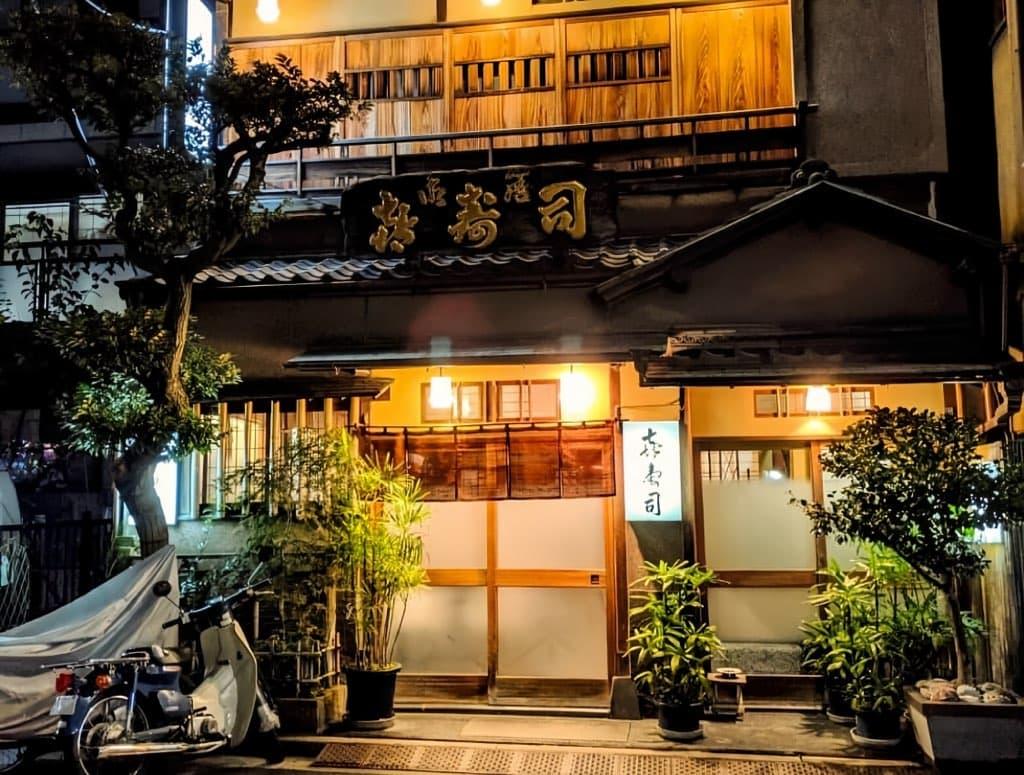
Located on the same street as the Sony Building, this small seven-seat counter opened in 2012 and earned a Michelin star in 2018. The space is simple but refined, with the soft scent of hinoki wood and a sense of quiet focus that runs through the entire meal.
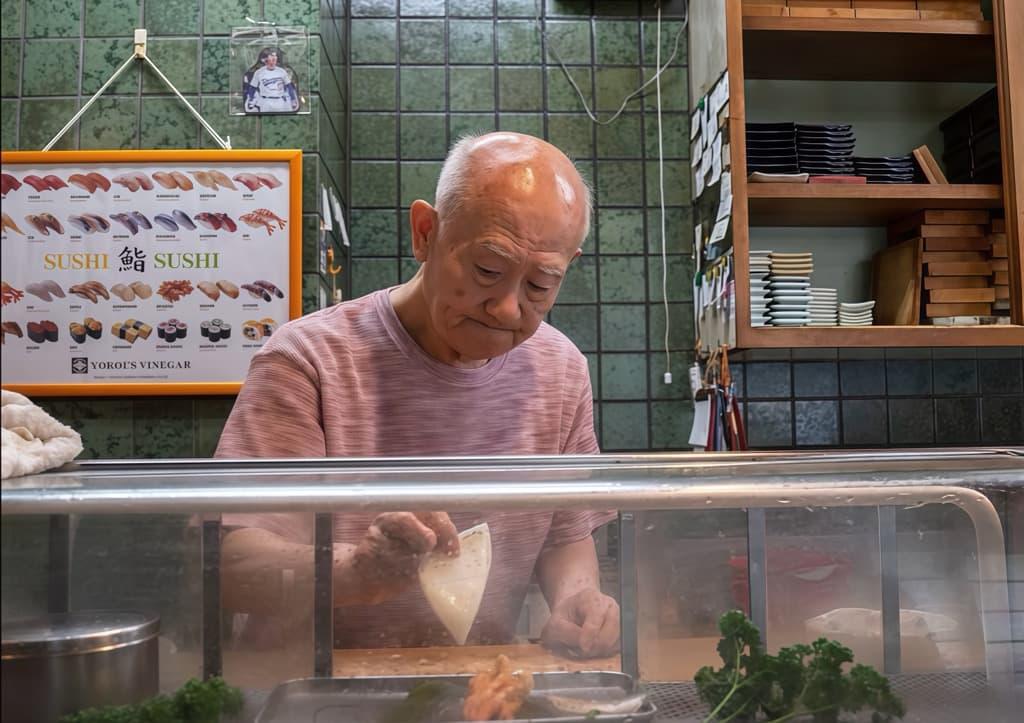
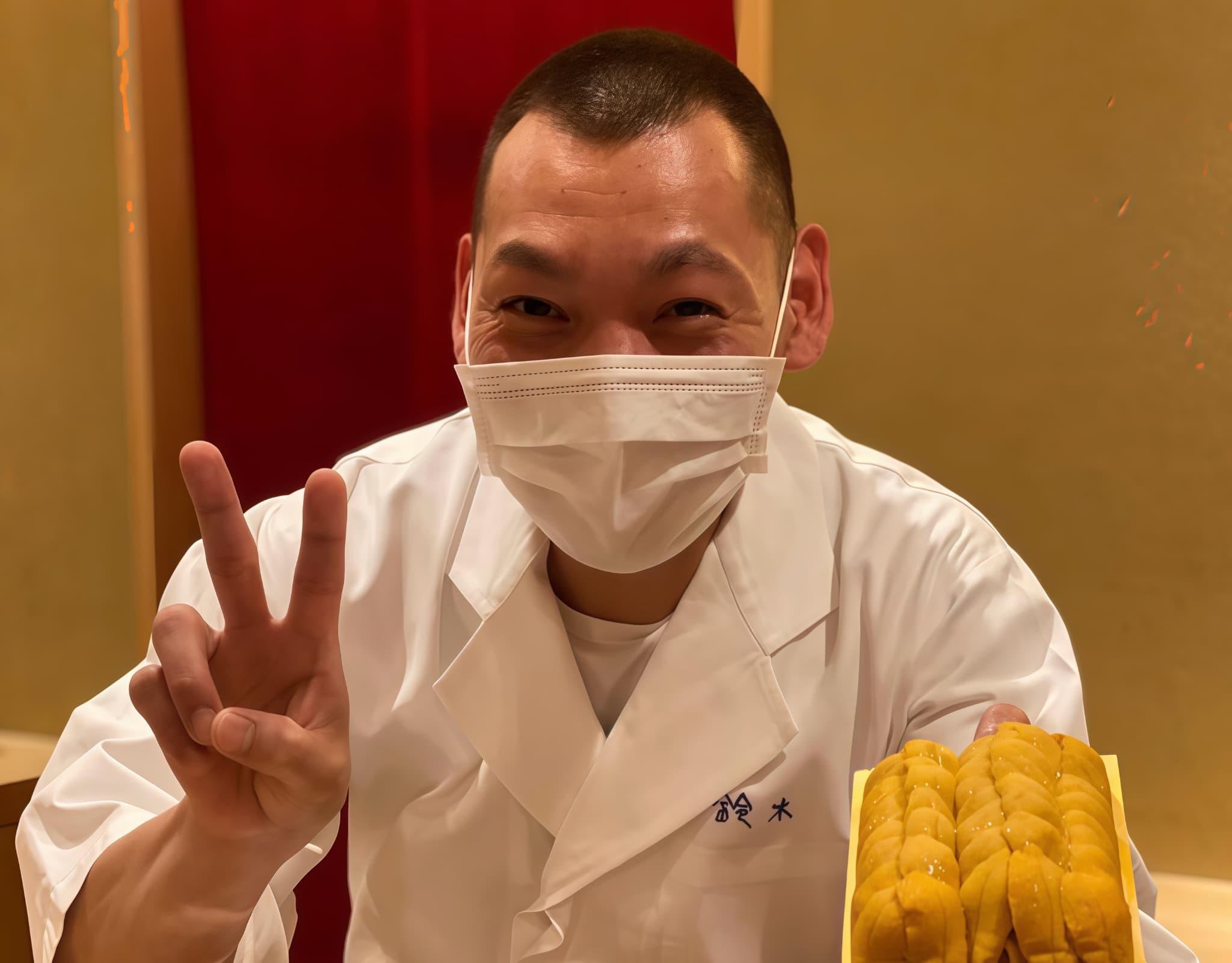
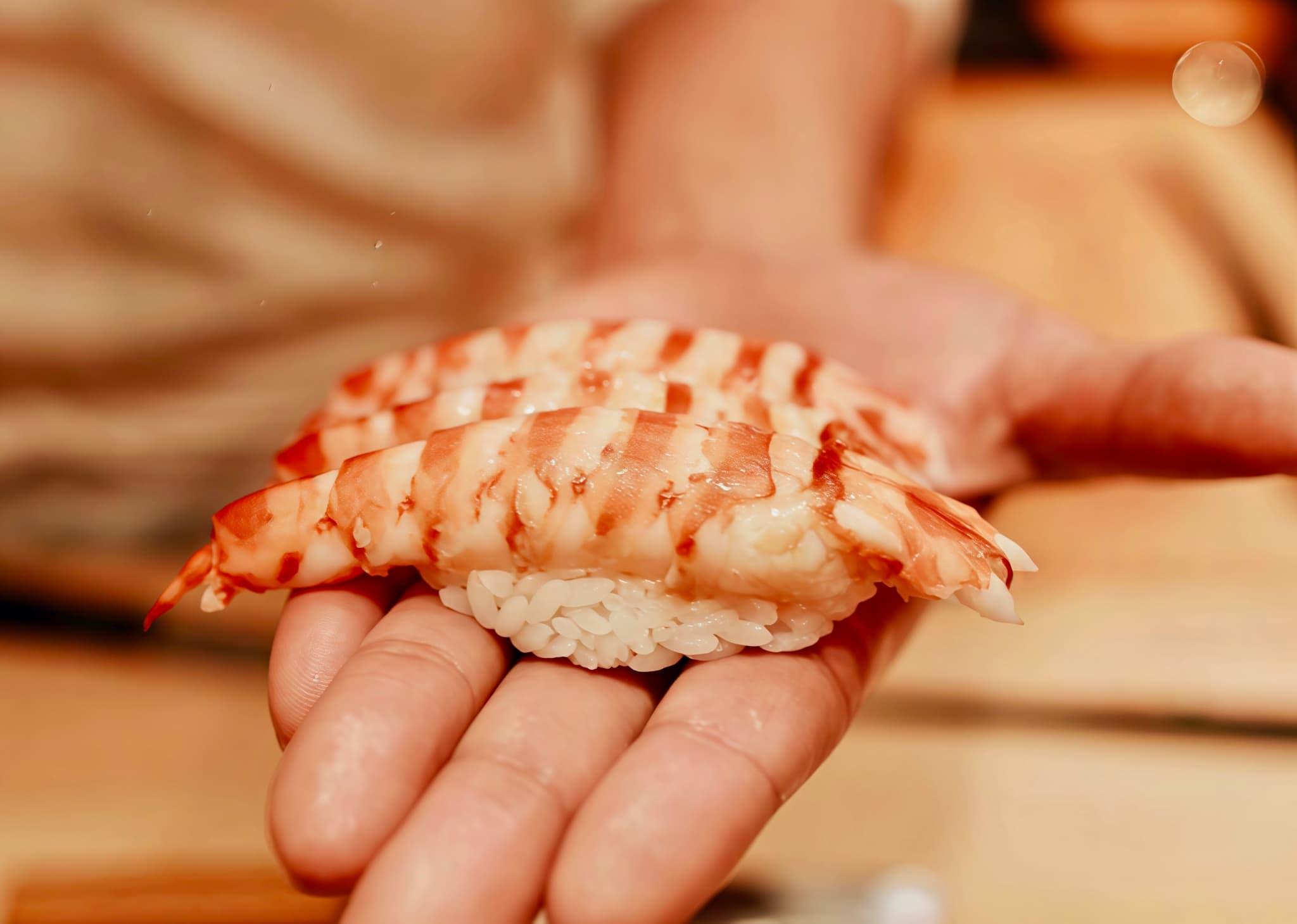
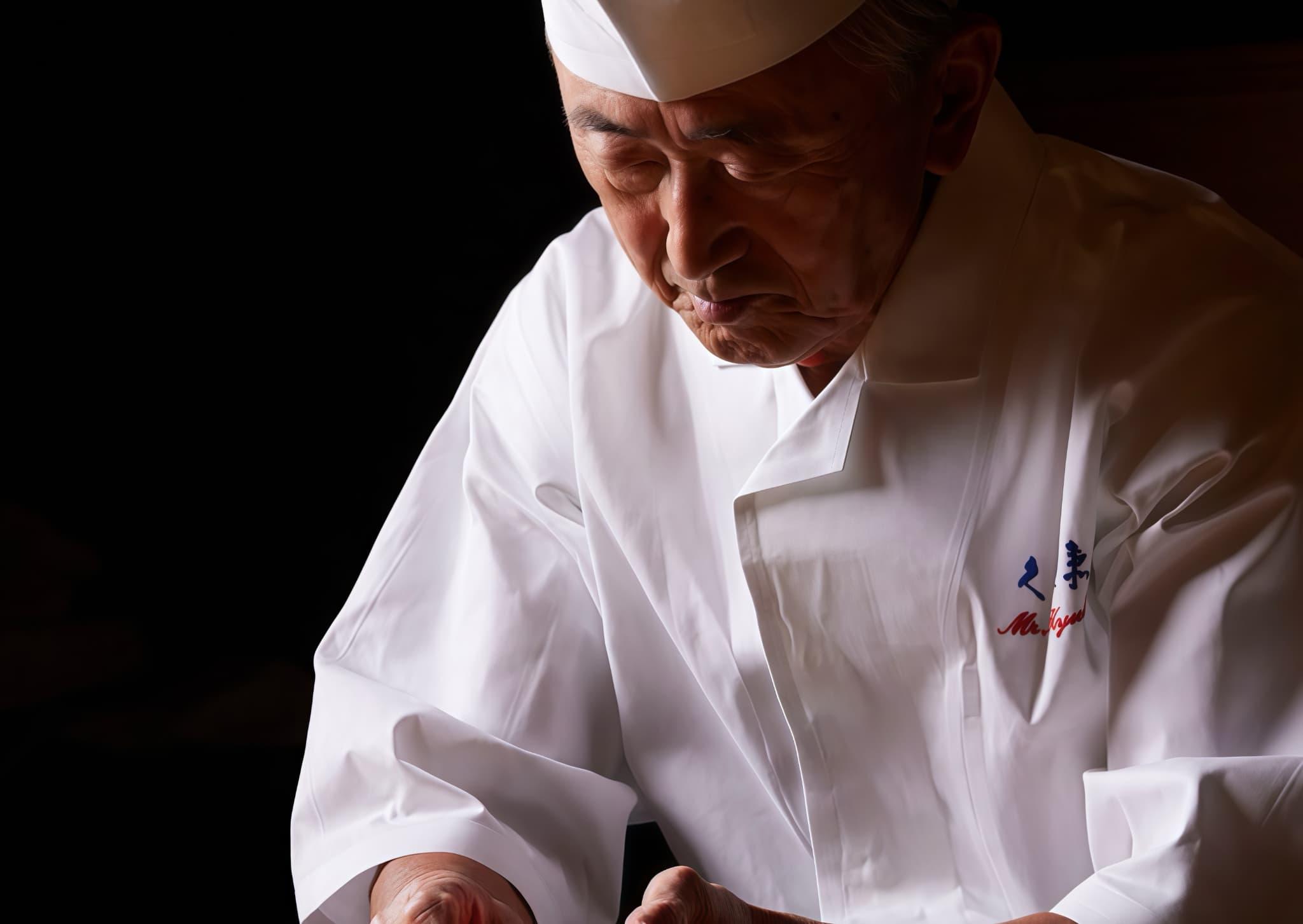
Chef Hisayoshi Iwa, a Tokyo native who trained at Kyubey and later became part of the opening team at Sushi Kanesaka, brings that pedigree to his own style. His nigiri has the elegant, compact shape inherited from Kanesaka — clean lines, perfect balance, nothing excessive.
The shari (sushi rice) is seasoned with three-year-aged red vinegar. It’s neither too soft nor too firm, holding its shape while keeping the grain texture intact. The flavor has just the right touch of salt and acidity, refreshing but never sharp.
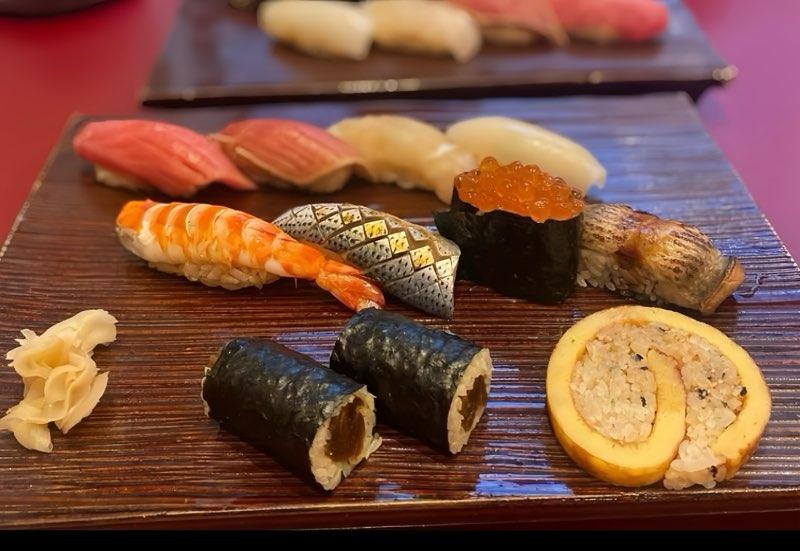
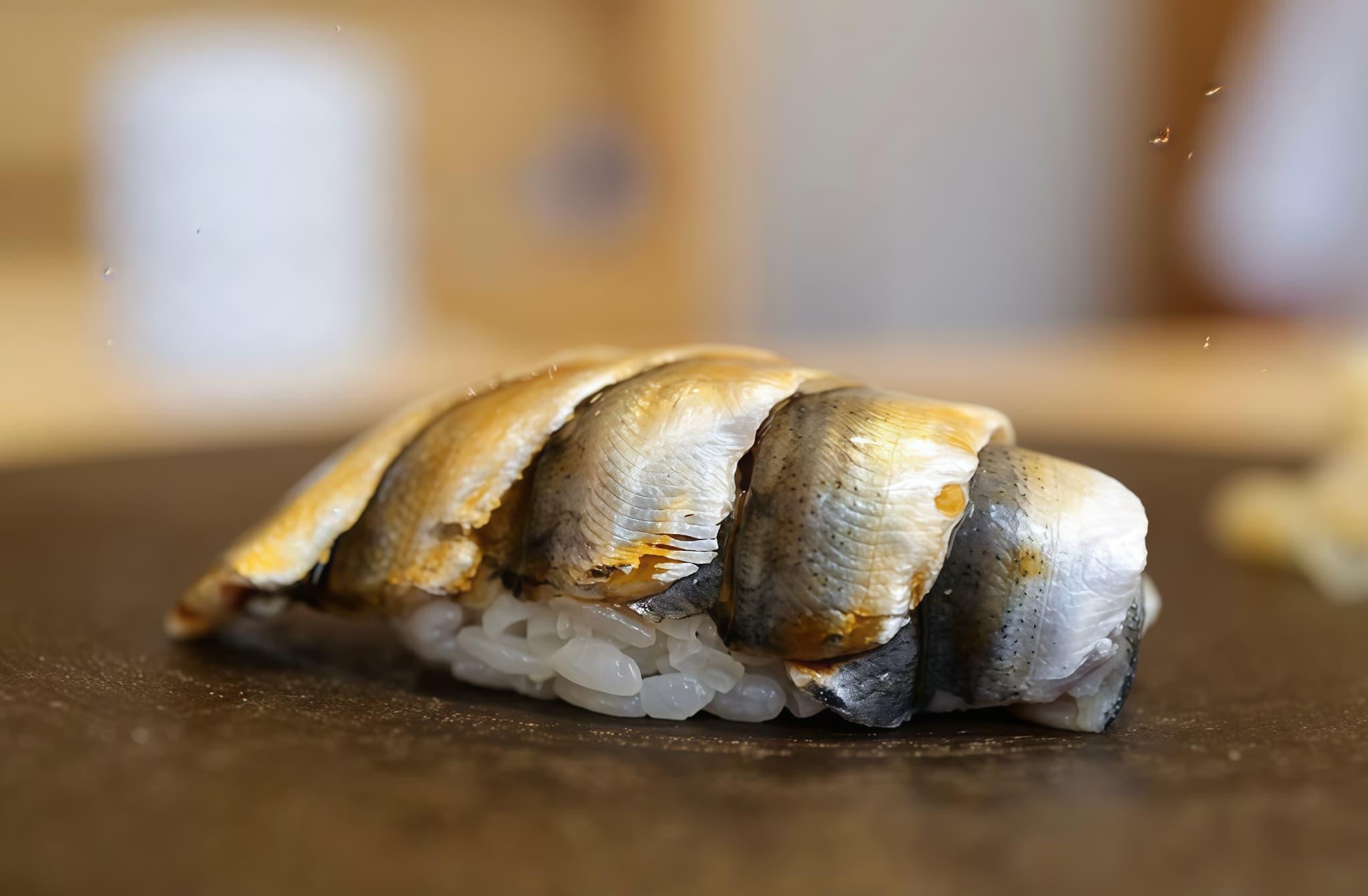
A typical course starts with a few tsumami — maybe crab or steamed abalone — before moving into a smooth progression of nigiri. The Katsuo (skipjack tuna) comes from Kagoshima or Toyama and is served with scallion and ginger for a bright, lively flavor. Awabi (abalone) from Chiba’s Boso coast is tender, served with its own liver sauce. Otoro (fatty tuna) melts into the rice in perfect harmony, while Isaki (grunt fish) aged for three days and Kasugodai (young sea bream) dipped in ginger liquid show Iwa’s subtle sense of contrast and pacing.
Most ingredients come directly from Toyosu, with select shipments from Kyushu and Okinawa. The rice is Koshihikari from Chiba, seasoned with Kohaku vinegar from Yokoi Brewery and Okinawan salt. Soy sauce comes from Higeta, and wasabi from Umegashima in northern Shizuoka — choices made through years of hands-on testing and tasting.
Sake is another highlight. Iwa’s collection focuses on trusted breweries he’s known for years, featuring labels like Nabeshima from Saga and Hatsukame from Shizuoka, alongside rare seasonal bottles. Just tell him your preferences, and he’ll find something that fits the mood perfectly.
Iwa continues to train apprentices with the same care he puts into his sushi. One of them, Tsukasa Haraguchi, recently opened his own counter nearby — proof that Iwa’s quiet dedication is shaping the next generation.
What stays with you after the meal isn’t the prestige or the price — it’s the calm precision and the sense that every detail was cared for.
Overview
| Cuisine | Sushi |
|---|---|
| Area | Ginza, Tokyo |
| Chef | Hisayoshi Iwa |
| Background | Ginza Kyubey, Sushi Kanesaka |
| Shari | Strong acidity, Red vinegar based |
| English support | Available |
Courses

Lunch
Nigiri only
Booking fee ¥1,000
Lunch
Light appetizers and omakase nigiri
Booking fee ¥1,000
Lunch
Full course
Booking fee ¥1,000

Dinner
Light appetizers and omakase nigiri
Booking fee ¥1,000
Dinner
Full course
Booking fee ¥1,000
Restaurant information
| Seats | 7 |
|---|---|
| Payment | Visa, MasterCard, Diners, American Express, Cash |
| Smoking | Not Allowed |
| Alcohol take-in | Not Allowed |
| Phone number | 03-3572-0955 |
| Address | 東京都中央区銀座8-4-4 8-4-4 Ginza, Chuo-ku, Tokyo |
Location map

2026
August
More counters we can secure for you
Picked by the same team — similar style or nearby.