


Tokyo’s New Wave of Yakiniku: 2026 Rising Stars
Last Edit: 2026.04.02
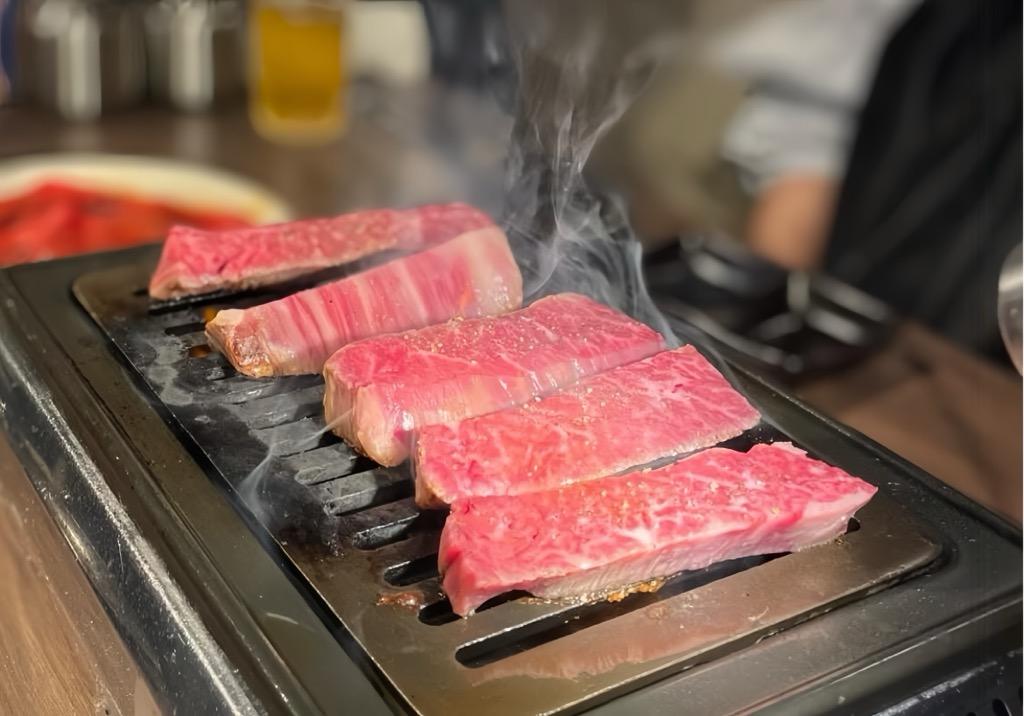
Hello from the TableEX editorial team. We love yakiniku so much that we even study how to grill each cut to perfection at home—never mind that the place fills with smoke, we couldn’t care less (laughs). If you’re choosing where to enjoy yakiniku during your trip to Japan, make sure to check out TableEX for the hottest, most up-to-date recommendations. Our theme this time is Tokyo’s new wave of yakiniku. In recent years, the city’s yakiniku scene has evolved far beyond simply competing over meat quality. While rooted in the tradition of Japanese wagyu grilling, the latest rising stars are making their mark with meticulous cutting techniques, precise grilling, and a relentless focus on sauces and seasonings. Lean cuts and rare parts are sliced for optimal texture, grilled with delicate control to draw out their fullest flavor, and paired with sauces that often start from soy or miso, then build complexity through original blends of aromatic oils and spices. Today, yakiniku is no longer just about “grilling good meat”—it has become a battle of skill and creativity, perfecting each cut to the highest standard. In this article, we introduce a handpicked selection of Tokyo’s most exciting new-generation yakiniku restaurants. From cutting to grilling, sauces to course design, every detail reflects the chef’s philosophy. This is the front line of Tokyo yakiniku—and it’s an experience worth seeking out in person.
1. Yakiniku Ushinoe
In the ever-evolving world of yakiniku, a handful of names have risen to prominence in recent years, and Ushinoe is certainly among the most noteworthy. Owner Katsuhiro Igarashi grew up surrounded by the aroma of sizzling meat at his family’s long-standing yakiniku restaurant, which has been in operation for more than three decades. From the time he was a child, he played with knives and charcoal as naturally as toys, learning the craft at his father’s side. After striking out on his own in 2016, his career followed a steady course—until a single encounter in 2022 changed everything. A visit to one of Tokyo’s elite yakiniku establishments and one unforgettable bite of harami made him realize how far the possibilities of wagyu could reach. That moment drove him to rebuild his supply chain from the ground up and aim for the very top of Japan’s yakiniku world. Today, the transformed Ushinoe is regarded as one of Tokyo’s hidden powerhouses for wagyu. Igarashi’s obsession lies especially with offal, which he procures from Kenjiro Tajima Shoten, a famed purveyor known for exceptional wagyu cuts. Tongue, liver, and harami are all standouts, yet the tripe and cheek meat left the strongest impression on my latest visit. Many restaurants serve good beef but falter in their seasoning; here, the balance between quality and flavor is nothing short of perfection. Though it sits slightly outside the city center, Ushinoe has quickly become a pilgrimage spot for those seeking to experience wagyu at its most honest and inspiring—at prices that remain surprisingly reasonable. It’s only a matter of time before getting a seat here becomes nearly impossible, so make the journey while reservations are still within reach.

2. Yakiniku Kokocchi Honten
Opened in 2023, Yakiniku Kokochi has quickly gained a following among serious meat lovers. Chef Shuntetsu Kimura went independent after 12 years at a respected yakiniku house, bringing with him a deep commitment to traditional, sauce-focused downtown-style barbecue. Kuroge wagyu and fresh offal are sourced through Tokyo’s central meat market and trusted suppliers. Kimura matches each cut with a carefully crafted house sauce, massaging and seasoning to draw out maximum flavor. His top-grade harami needs nothing more than sauce to shine, while the nami karubi gets a richer marinade with garlic and pepper—turning even everyday cuts into something crave-worthy. The rice, cooked daily in a hagama pot, has a natural sweetness that pairs perfectly with the bold sauces and sizzling fat. Salt-grilled options are available, but the real joy here is scooping sauced yakiniku over steaming rice—deeply satisfying and comforting. In an era when yakiniku is becoming increasingly upscale, Kokochi brings things back to their flavorful roots. For those who long for the rich, punchy style of classic yakiniku done with precision, this is a must-visit.
3. Horumon Ko
Just a 30-second walk from JR Ogikubo’s north exit, Horumon Kou is earning a loyal following for its exceptional offal and wagyu, all served in a relaxed, accessible setting. Owner Tokuyama sources directly from the Tokyo Meat Market, including top-grade offal from the highly regarded Tajima Kenji Shoten. The connection wasn’t handed to him—he simply walked into the market with no contacts, driven by pure passion. That sincerity earned him trust, and access to meats typically reserved for high-end Tokyo counters. The standout is the Wagyu Goku Harami, a thick-cut skirt steak with incredible depth of flavor. Skipping vacuum sealing and water chilling, the meat is dry-aged naturally, then pre-seasoned with two salts and sesame oil. Grilled just right, it’s juicy, tender, and intensely satisfying. Beyond the meat, thoughtful sides, warm service, and a polished interior make Horumon Kou more than just a casual yakiniku spot. Its spot on the 2024 Tabelog Yakiniku Tokyo Top 100 list is well deserved. If you’re craving serious meat without the downtown prices or pretension, this is one to bookmark.
4. Ushimatsu
Since opening in 2019, Ushimatsu has risen to the very top of Tokyo’s yakiniku scene—now a go-to for serious meat lovers who once swore by places like Yoroniku or Jumbo. What sets Ushimatsu apart is its extraordinary sourcing. The restaurant has direct ties to elite producers, securing rare wagyu like Tokusen Matsusaka (just 2% of all Matsusaka cattle), as well as top-tier brands such as Mizusawa, Tamura, and Kobe beef. If you’re searching for Japan’s best wagyu in yakiniku form, this is the place. The signature omakase course showcases multiple cuts from a whole wagyu cow. Prepared by a chef trained at the renowned Shimizu, each piece—be it chateaubriand, harami, or tongue—is grilled with precision and intensity. Unlike many old-school Tokyo spots that keep seasonal offerings behind closed doors, Ushimatsu makes premium pairings like matsutake mushrooms and wagyu available to all guests, depending on the season. At around ¥20,000 for the full course, it’s not cheap—but for the level of quality and exclusivity, it offers real value. For those exploring Tokyo’s high-end dining, Ushimatsu belongs on your itinerary.
5. Sumibi Yakinku Horumon Maruha
In Tokyo’s yakiniku world, Maruha quietly delivers some of the finest wagyu in the under-10,000 yen range. Regulars hesitate to spread the word—not out of snobbery, but because they know how hard it’ll be to book once the secret’s out. Top picks include the aburi rosu, a lightly seared loin with delicate marbling and just the right touch of tare, and the thick-cut upper harami, which impresses with its satisfying bite and bold flavor. Liver is always fresh, and rarer cuts like cheek are frequent stars. There’s even a house-made tomato curry, an unexpected but delicious nod to the chef’s French training. Maruha’s cut selection is one of the city’s most extensive. Many sell out early, so it’s smart to arrive on the early side if you’re after the full experience. If you’re looking for true Tokyo-style yakiniku—unpretentious, flavorful, and loved by those in the know—this is one spot that absolutely delivers.
6. Yakiniku Tsujimura
Amid the dense cluster of yakiniku joints in Shinjuku’s so-called Ramen Alley, Yakiniku Tsujimura has emerged as a clear standout. With around 350 competitors in the area, its rapid rise speaks to something special. Tsujimura specializes in the bold, sauce-driven style of downtown yakiniku now making a comeback in Tokyo. The house-made tare is assertive—rich with garlic and black pepper, low on sweetness, and completely addictive. All meat is top-quality kuroge wagyu. Alongside standards like tongue, kalbi, and harami, you’ll find rare cuts like shinshin (round with balanced marbling), hiregeta (a tender cut around the filet), and wagyu tail. Standouts include the red negi tongue piled with green onions, center-cut upper loin, and the deeply flavorful tail—hard to find elsewhere in Shinjuku. With half portions available, diners can easily explore a wide variety of cuts. For serious carnivores tired of touristy options, Tsujimura offers a welcome taste of Tokyo’s yakiniku revival—unfiltered, focused, and full of character.
7. Yakiniku Kappo Note
Ranked number 20 on the “World’s 101 Best Steak Restaurants” list, Nooto has earned global acclaim for its elegant, kappo-style approach to wagyu. Rather than serve large portions, the chef presents each dish in small, thoughtful servings that allow you to appreciate the subtle textures and flavors of Japan’s finest beef. The restaurant uses only Sanriku Kinka Wagyu, a rare and highly prized breed with just 600 heads shipped annually. Its silky texture and deeply savory fat make it one of the most exquisite types of wagyu available. The seasonal tasting menu features wagyu in a wide range of styles—sashimi, monaka, sukiyaki, chawanmushi, even wagyu udon—each dish highlighting a different facet of beef and the surrounding ingredients. It’s less a meal and more a curated journey through the soul of Japanese cuisine. The space is intimate and quietly luxurious, with just eight seats at the counter and a private room for discreet dining. Dishes are presented on antique Edo-period ceramics, adding another layer of refinement to the experience. Wine pairings are available, and halal options can be arranged upon request. For travelers seeking a truly memorable and elegant wagyu experience in Tokyo, Nooto is a must.
8. Yakiniku Horumon Kinju
Akasaka’s Kinju is a favorite among Tokyo’s top sushi chefs after hours—and with good reason. The owner, a former Oriental and Pacific welterweight boxing champion, brings the same discipline and intensity to his yakiniku as he once did to the ring. What makes Kinju stand out is its serious commitment to freshness and hand-cut preparation. Every slice of meat is trimmed with a knife, not a slicer, to match the specific texture and character of each cut. The hormone cuts arrive fresh, never frozen, and deliver a depth of flavor and bounce that outshines standard cuts like rosu or kalbi. Don’t miss the premium nama tan shio, made from the center of the beef tongue, or the special harami, marbled and rich. Both pair beautifully with the house-made salt tare, which enhances the meat’s natural umami without overpowering it. Finish your meal with the Morioka-style cold noodles, based on the owner’s family recipe. Simmered beef and vegetables create a clear, savory broth that could hold its own at any noodle shop. Open until 3 a.m. nightly, Kinju is no longer a hidden secret. Seats are hard to come by without a reservation—so book ahead through TableEX to secure your spot at one of Tokyo’s top late-night yakiniku destinations.
9. Mishuku Toraji
Just a minute from Yutenji Station, Mishuku Toraji is a 30-seat yakiniku counter that has become a pilgrimage site for Tokyo’s serious meat lovers. Selected for Tabelog Yakiniku TOKYO Top 100 four years running since 2021, it remains one of the city’s finest spots for harami and sagari. Everything is grilled over gentle binchōtan charcoal, with an unwavering focus on freshness and precision. The signatures — Tokujo Tan (premium beef tongue), Toraji-yaki (outer harami), and Shio Sagari (inner harami) — express the restaurant’s minimalist philosophy: clean flavor, perfect timing, no excess. The thick-cut tongue from the prized tan-moto section turns golden and crisp outside while staying supple within. The Shio Sagari, vivid wine-red and lightly salted, releases a surge of pure beef umami that defines red-meat pleasure at its peak — the cut that made Toraji famous and sparked Tokyo’s harami boom. Owner-chef Seiichi Sho, who grew up in his family’s yakiniku restaurant, sources fresh wagyu harami and sagari daily, never keeping stock overnight. Supporting dishes — slow-simmered tongue, gyu-suji nikomi, chapchae, and tofu jjigae — show the same quiet discipline. Warm light, soft chatter, and the glow of charcoal complete the mood. At Mishuku Toraji, yakiniku is stripped back to its essence — pure craftsmanship, absolute freshness, and the flavor of fire itself.