


Tokyo’s 13 Up-and-Coming Sushi Counters to Watch in 2026
Last Edit: 2026.04.02
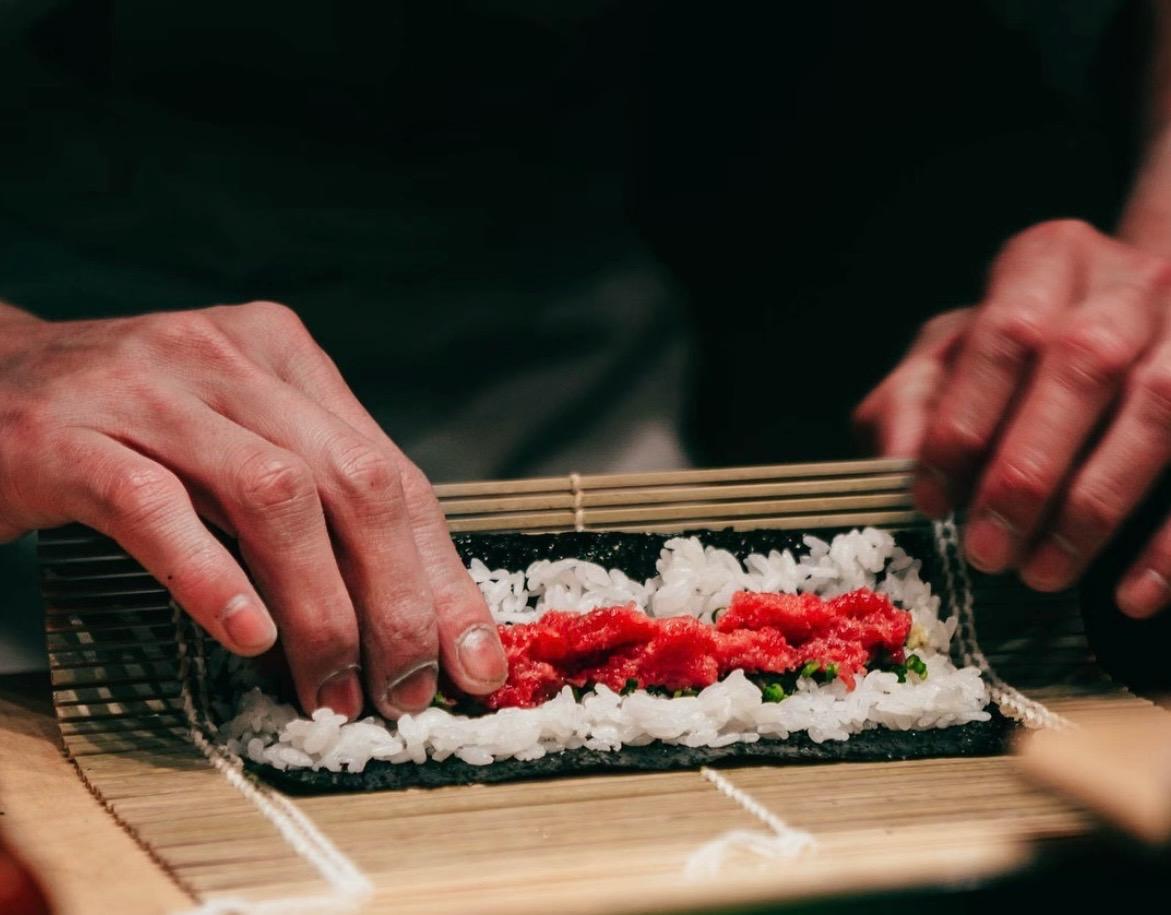
Hello from the TableEX editorial team. We love sushi so much that we’ve ended up devouring specialist books and even studying how to cut fish properly—although, to be fair, we still don’t own a proper sushi knife yet! (laughs) If you’re choosing where to have sushi during your trip to Japan, be sure to take advantage of TableEX’s up-to-date recommendations. This time, our theme is sushi. Out of the countless sushi restaurants, we’re focusing on standout newcomers that have opened recently. Every year, dozens of new sushi shops pop up in Tokyo, but from among them we’ve selected only those with the skill and potential to become future classics—chosen with the discerning eye of true sushi fanatics. When you spot a place that catches your interest, visit it with the mindset of “buying stock early in a future star.” From this very list, the next Sugita, Amamoto, or Arai could well emerge in five or ten years. The level of sushi in Tokyo continues to rise year after year—and the speed of its evolution never fails to amaze us.
1. Sushi Oya
Opened in 2023, Sushi Oya is already making waves in Tokyo’s competitive sushi scene. Chef Yoji Oya trained for nearly a decade at the former three-star Sushi Yoshitake, but his background sets him apart—born in Chicago, raised in Bangkok and Beverly Hills, he brings a worldly touch to Edomae sushi. The otsumami show serious skill: oyster rice with scallion oil and sesame, grilled pen shell with aonori and bonito flakes, six-hour steamed abalone with liver sauce. For the finale, red shari is mixed into the leftover abalone sauce—a rich and satisfying finish. He uses two types of shari, pairing each to the flavor of the neta. His marinated tuna comes from Toyosu’s elite supplier Ishiji, and dishes like squid with white birch sap or anago glazed with herbal syrup show creative flair. Chef Oya is engaging and relaxed, equally skilled with foreign guests and fine knives. Sushi Oya is a rare find—fresh, confident, and quietly original. A standout newcomer in Kagurazaka.

2. Sushi Takaharu
Opened in 2024, Sushi Takaharu is already earning the attention of serious sushi fans in Tokyo. Chef Takaharu Kimeta trained for 11 years at Ginza Kyubey, and it shows. His shari is made with Kohaku red vinegar from Yokoi, and cooked on the firm side—warm, fragrant, and built to support strong neta. His maguro comes from rising supplier Yunoka and is marinated and seared with finesse, bringing out deep, mature flavors. His techniques for simmering and curing are disciplined and precise, honed through years of top-level training. One surprise is the seafood fry: Aji in summer, Kaki or Hotate in winter, paired with a rich Américaine-inspired sauce. It’s bold, hot, and comforting—unexpected for a sushi course, but flawlessly executed. Kimeta once served Obama and Abe at Kyubey. He’s now fluent in English and welcoming to overseas guests. The full omakase is just 18,000 yen. For classic Edomae sushi with serious pedigree, Sushi Takaharu is one of Tokyo’s best new values.
3. Rizaki Nishiazabu
Among Tokyo’s many sushi spots, Sushi Toshizaki stands out for its superb tsumami and remarkable value. Chef Naoki Shiotani trained at the famed Kyoto kaiseki restaurant Kikunoi, and it shows. His appetizers lean toward refined washoku, yet never outshine the nigiri that follows. At just 20,000 yen, the omakase is one of the best deals in town. The quality of the neta rivals that of top Ginza counters. Tuna comes from elite wholesaler Hicho, with rare finds like Budo ebi(grape shrimp)and Kuroawabi(black abalone)making regular appearances. Leave the sake to Shiotani and you may be treated to pours of Aramasa or even Juyondai Ryuugetsu—generously served, with no pretense. With its softly lit counter and Shiotani’s calm presence, Toshizaki offers a quietly impressive sushi experience in the heart of the city. For those seeking serious skill without the stuffy atmosphere, it’s a hidden gem worth knowing.
4. Sushi Yuki
Sushi Yuki is a place where Edomae sushi is practiced in its most focused, undiluted form. Chef Yuki Hayashinouchi, the sole direct apprentice of the late Hachiro Mizutani of Sushi Mizutani, carries forward a lineage that traces back to one of sushi’s highest peaks. Among Tokyo’s sushi chefs, he’s quietly revered as a true artisan—committed, precise, and deeply traditional. The omakase here is all about nigiri—no appetizers, no distractions. What makes it exceptional is the shari: a blend of multiple rice vinegars, sharp yet smooth, salty yet balanced. It doesn’t overpower, but it makes each bite linger with depth and clarity. Hayashinouchi sources his tuna from Yunoka, a rising favorite among new-generation chefs, and his white fish from a Setouchi fisherman known for ikejime expertise. His ingredient choices, like his technique, are thoughtful but unpretentious—refined through experience, not ego. At under 30,000 yen, the value for this level of craftsmanship is remarkable. For anyone exploring Tokyo’s top sushi counters, Sushi Yuki is a must-visit—especially if you want to taste the legacy of Mizutani, alive and evolving.
5. Sano Sushi
Opened in 2023, this sushi counter may be a fresh face on the Tokyo scene, but it’s already turning heads among serious sushi fans. At the helm is Masashi Sano, a chef whose quiet rise began at Tsukiji Aozora Sandaime near Tokyo Station—a spot that went from under the radar to nearly unbookable, purely through the strength of his technique. His new venture continues that trajectory. The sushi here features a bold, clean kick of red vinegar—an unmistakable nod to the classic Edomae style. If you’ve been to places like Shimbashi Shimizu, Tomidokoro, or Sushi Keita, you’ll feel right at home. Despite being a newcomer, this restaurant holds its own against Tokyo’s most established names. The centerpiece, unsurprisingly, is the tuna. Sourced from the revered Fujita Shoten, it reflects not just sourcing power, but mutual respect—Fujita sees Sano as one of the key talents carrying sushi into the future. And judging by the silky texture and balanced richness of the tuna served here, they chose wisely. Bonus: they serve lunch, a rare luxury for sushi of this caliber. With its fresh energy and focus, this place might even appeal to a broader generation than its more traditional counterparts. For fans of red vinegar sushi, it’s already one of Tokyo’s best bets—and only just getting started.
6. Hakozakicho Sumito
Though it only opened in September 2023, Hakozakicho Sumito has already gained a loyal following among serious sushi enthusiasts. Chef Kiyoto Kurokawa trained at the respected Ginza institution Shintaro, then at Nakajo in Yokohama—renowned for sourcing Japan’s finest tuna. From these mentors, he learned both the precision of Edomae technique and the uncompromising importance of ingredient quality. His shari is seasoned with rice vinegar and a subtle touch of red vinegar for aroma. The acidity is firm, creating a clean counterpoint to fatty neta. The tuna, sourced from the famed wholesaler Yamayuki, is superb. Standout neta like Kohada (gizzard shad), Akagai (ark shell), and Shako (mantis shrimp) reflect Kurokawa’s refined skill and sensitivity. Located just five minutes from Suitengumae Station on a quiet street in Hakozakicho, the restaurant feels worlds away from central Tokyo’s bustle. “It’s quieter than I expected,” says Kurokawa, “but it lets people relax and stay longer.” The atmosphere is calm, the clientele discerning, and the experience quietly profound. Hakozakicho Sumito may be new, but it is already a name to remember.
7. Sushi Ikki
Since the departure of Kurosaki, Shibuya had been missing a true sushi standout—until Sushi Ikki arrived. At the helm is Takafumi Kiyonaga, a chef whose journey from a respected neighborhood sushi counter to the heart of Tokyo mirrors his bold culinary style. A former disciple of Kazuki Kurosaki, Kiyonaga brings with him not only skill, but also a clear sense of identity. His omakase begins unconventionally: a bowl of fragrant ichiban dashi, followed by small plates that reflect his kaiseki background. Think grilled sesame tofu or handmade fishcakes with clam—each dish highlighting seasonal vegetables in ways that add freshness and rhythm to the meal. The sequence follows the Sushi Sho style, alternating between tsumami and nigiri for a dynamic pace that keeps you engaged throughout. The shari is a delicate blend of two red vinegars and a touch of rice vinegar, delivering a soft acidity and slightly loose texture that pairs beautifully with each neta. Tuna is sourced from Yamayuki, with kama-toro gently seared to draw out its depth. Unexpected fish like mehikari(greeneye)or fuefukidai(emperor bream)appear with confidence, showing off Kiyonaga’s adventurous eye and sharp palate. While tourist favorites like Sushi Hajime may draw the crowds, Sushi Ikki is where serious sushi lovers go for precision, value, and character. It’s refined without being stiff, personal without being flashy—a rare balance in the middle of Shibuya. If you're looking for a sushi experience that respects tradition while embracing originality, Sushi Ikki is the quiet powerhouse you shouldn't miss.
8. Sushi M
If you're looking for the most luxurious sushi experience in Tokyo, Sushi m is right at the top. Helmed by former NARISAWA head sommelier Yoshinobu Kimura, this unique spot blends the elegance of wine with the depth of sushi in a way few others can. The menu opens with French-inspired appetizers crafted by a classically trained chef. It feels more like a fine dining experience with sushi accents than a typical sushi bar. Behind the counter is Junya Hashimoto, formerly of Sushi Tsuu, whose shari combines two types of red vinegar, sea salt from Christmas Island, and wasanbon sugar for a bold, wine-friendly flavor. His hot charcoal-grilled Nodoguro(blackthroat seaperch)hand roll is just one example of the inventive yet refined style here. Sushi and wine pairings are nothing new in Tokyo, but few restaurants achieve the level of true harmony found at Sushi m. Traditionalists may hesitate, but open-minded diners will find Sushi m both refreshing and essential—a bold new direction for sushi in one of the world's most dynamic food cities.
9. Sushi Tanaka
Still under the radar, Sushi Tanaka is quickly earning a place among Tokyo’s most promising new sushi counters. Chef Ryu Tanaka, born in 1995, trained under Nobu Suetomi before honing his sushi skills at Sushi Risaki. Though young, his calm precision and quiet hospitality reflect the presence of a seasoned pro. Determined to keep his omakase both refined and accessible, Tanaka has made personal sacrifices to maintain value—including minimizing his own salary. It’s this kind of dedication that defines the experience. His shari combines red and rice vinegar, with rice cooked slightly al dente to encourage slow, intentional bites. Remarkably, he even applies two cooking methods to the same rice to fine-tune texture—an obsessive touch sushi fans will appreciate. Despite the reasonable pricing, the neta is high-caliber. Tuna comes from Okecho, one of Toyosu’s top wholesalers, and rare highlights like budo ebi(grape shrimp)and kuroawabi(black abalone)make regular appearances. The sake list is quietly excellent. Leave it to the chef, and you might be handed a pour of Juyondai Ryuugetsu—with no markup, no fuss. Sushi Tanaka isn’t flashy, but it’s driven by purpose, technique, and heart. A true hidden gem—for now.
10. Nihonbashi Kawaguchi
Sushi Kawaguchi, one of TableEX’s standout new discoveries of 2025, has brought a quiet excitement to Nihonbashi, offering diners a rare chance to experience the pure lineage of Sukiyabashi Jiro in a calm, modern setting. Chef Yudai Kawaguchi belongs to the upper echelon of Japan’s sushi world. Over eleven years at Jiro, he mastered every facet of Edomae technique under some of the most exacting mentors in the craft. In March 2025, after receiving formal recognition from Yoshikazu Ono—Jiro’s son and the restaurant’s famously demanding head chef—Kawaguchi finally opened his own counter, marking the beginning of a new chapter in the Jiro legacy. Having spent the last four years directly assisting Jiro Ono, Kawaguchi now expresses his master’s philosophy with exceptional clarity. His sushi feels meditative in its precision: each piece purposeful, composed, and deeply rooted in Jiro’s pursuit of perfection. The shari (sushi rice)—made only with Mizkan’s Shiragiku rice vinegar—is boldly vinegared yet beautifully balanced, anchoring a course that flows with absolute rhythm. From the clean flavors of white fish and squid to the progression through Kohada (gizzard shad), Kuruma ebi (Japanese tiger prawn), maguro (tuna), shellfish, makimono, and finally Anago (conger eel) glazed with lustrous tsume, the meal unfolds like a quiet homage to Edomae tradition perfected by Jiro himself. To experience this level of craftsmanship—executed with such calm focus, and at roughly half the price of the Ginza main store—is a rare privilege for any serious sushi lover visiting Tokyo. Service is overseen by Holly Kawaguchi, the chef’s British wife, whose poised and attentive hospitality completes the experience. Together, the couple bridge cultures with effortless grace, welcoming guests from around the world while keeping the spirit of Edomae sushi entirely intact. In an age where innovation often overshadows heritage, Kawaguchi’s unwavering commitment to the fundamentals feels both refreshing and bold. For diners seeking to understand what true Tokyo-style sushi is all about, Sushi Kawaguchi offers the most direct and inspiring path to that answer. A new Ginza-era disciple has stepped forward—one whose quiet confidence suggests we’re witnessing the next great custodian of the Jiro tradition.
11. Sushi Nishioka
Just a short walk from Takanawa Gateway, Sushi Nishioka has quietly become one of the most talked-about new-wave counters in Tokyo. Chef Yosuke Nishioka, who came to sushi from a background in traditional Japanese cuisine and largely trained himself, is now a name you often hear from chefs and industry people on their days off. Nishioka calls himself a fish obsessive, and it shows. Instead of relying on heavy aging, he pursues “the exact moment each fish performs best,” favoring clarity and immediacy of flavor. He goes out to the fishing grounds himself, boards the boats, and checks how the catch is handled and bled before deciding what to buy. Even small choices, like sometimes using seawater instead of nikiri, come from that pursuit of purity. The otsumami trace this idea clearly: Suzuki with a firm, elastic bite; Kamasu lightly grilled so the skin smells beautifully smoky while the flesh stays juicy; abalone steamed only briefly to keep its aroma; Spanish mackerel with a rare center; fresh ikura without soy, popping with clean flavor; suji-ara enriched with a warm baby-clam broth. When the nigiri starts, the shari (sushi rice) stands out. Recently adjusted cooking gives a softer, quicker break on the palate, tightening the connection between rice and neta. Meichidai shows focused sweetness, thick and boldly seasoned Kohada, tender Sawara, and a giant hokki clam that fully blankets the rice. The quiet climax is the red uni from Yura. Harvested by hand in strong currents and served at peak condition, it is elegant, milky, aromatic, and clearly on a different level from most uni in Tokyo. It is the piece that turns first-time visitors into repeat guests.
12. Mitsui
Mitsui has quickly become one of Tokyo’s most talked-about new counters. Chef Sho Mitsui trained for nine years at Harutaka — one of the purest successors to Sukiyabashi Jiro — before leading the sushi program at Gouryu Kubota’s sister restaurant and opening his own place in 2024. His omakase follows the Jiro lineage but adds his own touches, most notably a rogama charcoal hearth used for pieces like charcoal grilled Nodoguro(blackthroat seaperch)paired with fresh cucumber. The shari is Koshihikari from Nagano, cooked in a hagama pot and seasoned with Shiragiku vinegar, with a slightly softer salt balance than Harutaka. Sourcing is excellent: tuna from Yamayuki, and Aori Ika(bigfin reef squid), Aji(horse mackerel), and Nitarikujira(pilot whale)from Sakanajin, known for top-tier ikejime handling. At 27,500 yen, the value is notably high for Tokyo’s upper tier. A thoughtful sake pairing curated by Mitsui’s wife adds another layer to the experience. The restaurant earned a Michelin Selected Restaurant nod in the 2026 guide, and securing a seat will only get harder from here.
13. Sushi Kobayashi
Opened in October 2025 near Ebisu, Sushi Kobayashi is the long-awaited debut of Chef Ikuya Kobayashi, a top disciple of the legendary Sushi Saito. Having served as head chef for Saito’s two-starred Hong Kong branch and Hanare NANZUKA, Kobayashi brings an elite pedigree to his own eight-seat sanctuary. Supported by his wife’s warm hospitality, the restaurant balances the disciplined tension of world-class sushi with a welcoming, approachable atmosphere. The heart of Kobayashi’s craft is his mellow, expertly balanced shari, which enhances rather than overpowers the fish. The omakase features a generous parade of over 15 nigiri, headlined by a spectacular four-cut tuna sequence from the famed dealer Yamayuki. From signature mackerel stick sushi to delicately cured kasugodai, every piece reflects a flawless dedication to Edomae fundamentals. By blending pinnacle-level technique with modern wine pairings and a sincere vibe, Sushi Kobayashi is destined to become one of Tokyo’s most sought-after counters.
A Smarter Way to Book Your Sushi Journey with Omakase Concierge
As Tokyo’s sushi scene grows more competitive, diners face a familiar problem: prices rise, waitlists grow longer, and the gap between hype and actual quality continues to widen. The truth is that the most rewarding sushi experiences today are often found outside the obvious names — at counters run by dedicated, under-the-radar chefs whose craftsmanship rivals the greats without the pretense or the price tag. Omakase Concierge by TableEX Inside was created for travelers who want to discover these places without guesswork. Instead of sifting through endless lists and contradictory reviews, you share your preferences — date, budget, area, shari style, atmosphere — and a local expert selects the right counter for you. No algorithms. No generic recommendations. Just a seat at a restaurant chosen precisely for you.