


Kaiseki in Kyoto (2026): 20 Restaurants You Can Actually Book
Last Edit: 2026.07.09
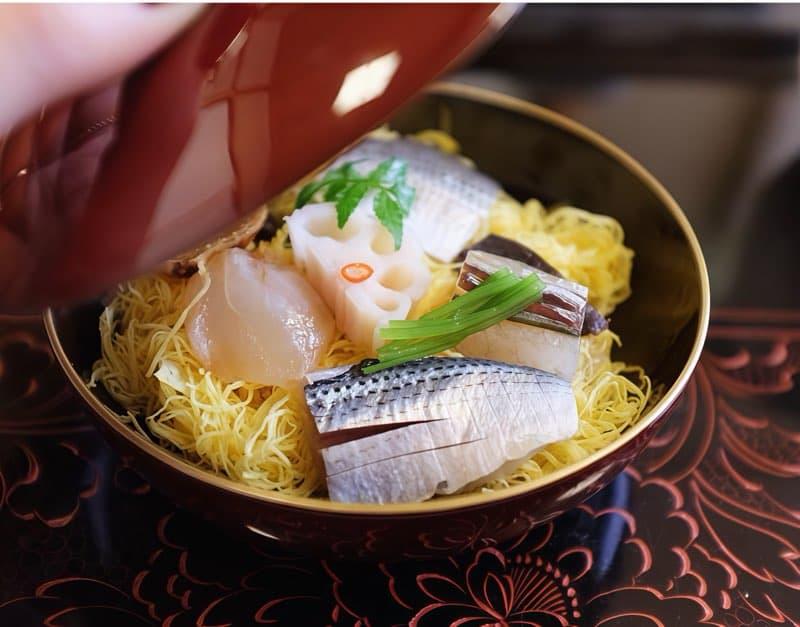
Kyoto has never lacked exceptional gastronomy. In recent years, however, the city’s dining landscape has been clouded by a narrow obsession with "exclusivity." We see it in the endless digital echo chamber: restaurants that are nearly impossible to book, names repeated as status symbols, and counters treated more like trophies than places of genuine nourishment. For some, the conquest of the reservation has eclipsed the grace of the meal itself. This article is written for a different kind of diner. It is for the traveler who seeks the soul of a dish rather than the clout of a brand. It is for those who find more value in the quiet consistency of a master craftsman than in the fleeting shimmer of social media fame. It is for the connoisseur who would rather build a lasting relationship with a restaurant than simply broadcast a single visit to the world. The establishments curated below do not demand heroic feats of booking or insider connections. Instead, they offer something far more precious: technical brilliance, profound sincerity, and the enduring respect of Kyoto’s most discerning locals.
1. Kiyama
Chef Yoshirou Kiyama became head chef at Kyoto Wakuden at 29. When he opened his own restaurant in 2017, he built it around a private well beneath the building. The underground spring water runs through every stage of the meal — the opening broth, the dashi, the final bowl of matcha. You notice it as a kind of silence in the flavor, an absence of the mineral hardness that city water tends to leave behind. The course runs eight to ten dishes. Kiyama shaves katsuobushi at the counter, a practice he introduced early and that other restaurants have since borrowed. The bonito falls in translucent sheets onto the broth, and the dashi that results is cleaner and more immediate than what most kitchens produce from pre-dried stock. Sashimi, grilled courses, and four or five rice preparations follow in sequence. The lunch counter remains one of the more honestly priced seats in Kyoto for the level of cooking involved.

2. Isoyama
Chef Isoyama opened in Pontocho at 28, after training at Gion Maruyama and Oryori Yamada. The room feels like a neighborhood izakaya — relaxed, slightly nostalgic, with music that has no business being in a kaiseki restaurant. The food has every business being there. Fifteen small plates, most of them built around dashi rather than seasoning. Softshell turtle dumplings in sea bream broth. Low-temperature octopus. Abalone porridge that arrives near the end when you think the meal has already made its point. It closes with two rice services and somen noodles. The gap between the room and what comes out of the kitchen is part of what makes it worth finding.
3. Kappo Yamashita
Shigeru Yamashita has been behind this counter since 1983. He is in his late seventies now and still running the kitchen, still pulling fish from the live tank himself. The menu lists nearly a hundred items. Guests order freely, which is the point — this is kappo in the older sense, a place where the meal is assembled by the diner rather than dictated by the house. The kawahagi sashimi comes with the liver whisked into ponzu. It is the dish most people remember. The kitchen also works with wild game — black bear, boar — sourced through a supply network Yamashita has been building for fifty years. Charcoal-grilled bear loin with roasted apple appears on the menu when the season and the supply allow. The saba sushi is light and precisely made. The deep-fried sea bream head is not.
4. Oryori Hayashi
Wataru Hayashi has run this restaurant for over thirty years, near Kawaramachi-Imadegawa. The machiya interior smells faintly of incense. The dashi arrives so lightly salted that first-time guests sometimes wonder if something is missing. It is not. The depth builds slowly, and by the end of the meal it is all you can think about. Hayashi sources tuna exclusively from the Sea of Japan, following trade routes that predate refrigeration. The sashimi reflects this — cured and cut with a precision that has nothing to prove. Kombu tempura appears mid-course, made from the kelp used in curing, which by that point has absorbed enough to become something else entirely. The meal ends with plum dashi chazuke. At the price this restaurant charges, it is one of the harder reservations to justify skipping.
5. Takezaki
Susumu Takezaki spent nineteen years at Kikunoi before opening in the Gosho Minami area. His wife Naoko holds a sake sommelier certification, and the pairing at this restaurant is taken seriously in both directions — the food is built to hold sake, and the sake is chosen to hold the food. The machiya has a tsubo-niwa garden visible from the counter. Courses change with the season: matsutake and hamo in autumn, charcoal-seared sawara in winter. On Sundays the kitchen opens for breakfast — donabe rice, seasonal sashimi, grilled fish — which is rare enough in Kyoto that it functions almost as its own reason to visit. The restaurant seats six or seven. Reservations go through TableEX.
6. Tempura Matsu
The restaurant sits on the bank of the Katsura River in Arashiyama. Reservations are taken by phone only. The second-generation chef trained in French fine dining under the Alain Ducasse group before returning to work within the Japanese tradition — Kitcho and Miyamaso both appear in his background. The combination does not announce itself in the food. It simply shows up in the decisions. Tempura does not lead the meal. It arrives near the end, after house-made karasumi, charcoal-grilled Spanish mackerel, and sashimi have already established the evening's direction. When the tempura does come — koshiabura, morning-harvested bamboo shoots, whatever the season allows — it lands as a conclusion rather than a centerpiece. The ceramics on the table are museum-grade: Kitaoji Rosanjin, Kawai Kanjiro. Eating from them is part of the experience, not a footnote to it.
7. Kokyu
Sho Maeda opened Kokyu in 2015, near Demachiyanagi Station, after training under the chef of Sakurada. The nine-seat counter is behind a blue noren. The cooking follows what Sakurada established — precise dashi, careful fish work, seasoning that stops before it needs to. Sea bass from Awaji, sea bream handled to let the natural sweetness emerge rather than be added to. Goma-dofu made from bracken starch rather than the cornstarch shortcut. Ayu grilled for fragrance first. The hassun changes with Kyoto's micro-seasons, color and texture doing the work that garnish and drama do elsewhere. Kokyu has held a Michelin star since not long after opening. The cooking explains why without requiring the star to make the case.
8. Sojiki Nakahigashi
Hisao Nakahigashi grew up in the Miyamaso lineage and has spent decades building a kitchen around what he gathers himself. Wild herbs, roots, mountain vegetables — collected personally, cooked the same day. The wood-fired okudosan stove sits at the center of the room and at the center of the meal. The course moves through bitterness, aroma, and fermentation. Carp sashimi with spicy daikon and wild citrus. Soups built entirely from vegetable stocks — red daikon produces a depth that most kitchens reach for with fish or meat. The rice arrives in three stages: niebana while it is still half-cooked, then white rice at its peak, then okoge — the crisp crust from the bottom of the pot — with dried sardines and mountain pickles alongside. Nakahigashi holds two Michelin stars. The lunch entry point is lower than the restaurant's reputation might suggest.
9. Mizuno
Takahiro Mizuno spent seventeen years at Gion Sasaki before leading its sister restaurant, Gion Rakumi. He opened Mizuno in August 2023 and earned a Michelin star shortly after. The cooking carries what that training instilled — classical foundations, precise technique — and then departs from it deliberately. Spinach sautéed in a wok. Spring onion blancmange. Spiny lobster broken down at the counter before being transformed. Wagyu and matsutake presented tableside, then cooked into a hot pot. Bread cubes crisped and added to sawani-wan. Crab fried rice to close. The sequence is less a kaiseki progression than a series of strong individual moves. The atmosphere at the counter is loud enough to match them.
10. Sen
Ken Sugisawa was head chef at Muramachi Wakuden before opening Sen in 2018. The training before that includes Kikunoi. The restaurant does not hide this pedigree, but it also does not coast on it. The course is structured for contrast — delicate dishes followed by rich ones, restraint followed by intensity. Suppon, shark fin, and fugu appear not as luxury signals but as ingredients that the kitchen knows how to use. A winter menu might move from white miso soup with tilefish to fried spiny lobster finished with karasumi. The closing section offers more choice than most kaiseki kitchens allow: beef bound with egg, mackerel sushi, several rice and noodle options. Sugisawa seems to think that satisfaction is a legitimate goal for a high-end meal. The food reflects this.
11. Sangencha
Nobuhiko Masuda spent twenty years at Shofukuro before opening in a machiya off Hanamikoji. He is from Shiga Prefecture, and the ingredients reflect this without making a point of it — Biwa lake fish, Omi beef, rice from his family's farm appear in the course alongside the seasonal Kyoto produce that the neighborhood expects. The dashi is the clearest inheritance from Shofukuro: clean, precise, built to carry rather than dominate. The rice service starts with plain unseasoned grains, which sounds like an odd place to begin until you taste what good rice actually is without interference. Funazushi appears as a sake pairing, which is either an acquired taste or an education depending on where you start. The cypress counter looks out onto a courtyard garden. For a Gion address, the price is honest.
12. Gion Sakagawa
Hirokazu Sakagawa trained at Gion Nakagawa and has run this restaurant in the Gion streetscape long enough that it no longer needs introduction among Kyoto regulars. The room is calm. The service does not perform. À la carte ordering is available alongside the omakase course, which is unusual for a Michelin-starred kitchen in this district and accounts for much of the restaurant's loyalty among locals who eat here regularly rather than occasionally. The sea bream sashimi is the dish most worth ordering. The texture is resilient in a way that chilled fish rarely is, and the flavor needs nothing added to it. Tilefish mizore soup, charcoal-grilled pike conger, agedashi Kamo eggplant — the kitchen's heat management is consistent across all of them. The sake selection is curated to match. For a Michelin-starred restaurant in Gion, the pricing sits in a range that makes returning feasible.
13. Miyawaki
Masaya Miyawaki trained under Hiromichi Nagata at Kappo Chihiro and carries that lineage directly into his own kitchen on Aburanokoji-dori. The interior is deliberately composed — wasabi paper walls, a 300-year-old zelkova counter, Danish vintage furniture alongside antique Kyoto ceramics and French glassware. The room does not try to disappear. It participates. The sea bream sashimi with salted kelp comes directly from Chihiro, essentially unchanged. Elsewhere the kitchen moves further — Omi beef cutlets, suppon chawanmushi, twelve courses that alternate between delicate dashi and something considerably more primal. Aged sakes from Kagawa, Miyawaki's home prefecture, run through the beverage program. The collection of ceramics the food arrives on is extensive enough that the vessels become part of what you are paying attention to.
14. Gokomachi Tagawa
Yoshiyuki Tagawa was an engineer before he became a chef. He trained at Gion Maruyama and Yukimura. The sequence shows in how he approaches a course — structured, calibrated, attentive to transition rather than novelty. The restaurant sits near Kyoto City Hall in a renovated machiya, with a horigotatsu counter overlooking an inner garden. Seafood comes directly from Mie Prefecture through personal sourcing routes, including fish delivered by ama divers. The dashi is clean, the grilled fish is handled for moisture control rather than surface color, and the rice finale runs through multiple preparations — plain, seasonal mixed, seafood-based — in a way that feels conclusive rather than padded. Fugu, hamo, and Wagyu appear in the course depending on season. The restaurant is priced at a level that reflects the ingredients without making the reservation feel like a single-use event.
15. Wakasugi
Nobuharu Wakasugi spent fourteen years at Kyoto Wakuden before opening near Kinkaku-ji in a converted textile factory. Each morning he walks to Kyomi Ridge to collect spring water, which goes into the dashi and the clay-pot rice that closes the meal. This is not a detail that appears on the menu. It shows up in the flavor. The vegetable work is where the kitchen distinguishes itself most clearly. Produce comes from Higuchi Farm, and dishes like Kamo eggplant with sea urchin and shira-ae with seasonal fruit reflect a precision with texture that the protein courses don't always match. Amberjack is dry-aged for ten days before service. The dinner menu runs to over forty à la carte options alongside the course, with fifty sake labels available. The price sits below what comparable Gion restaurants charge for less careful cooking.
16. Nijo Minami
Kengo Minami spent twenty-five years at Gion Kawakami before opening in 2023. The interior features wickerwork ceilings and earthen walls, and the cutting board is positioned higher than usual — a deliberate choice that puts the knife work at eye level from the counter. You watch the preparation rather than inferring it. The kitchen's relationship with sea bream runs deep. Minami sources exclusively from Mizuguchi Shoten, a connection that goes back to his apprenticeship, and the fish appears across the course in multiple forms — pristine sashimi, ara-daki cooked low and long in the bones' own liquid. Hamo in summer, tai-kabura in winter, takiawase as a constant anchor between the seasonal dishes. Minami adjusts portion size and pacing to the table without being asked. After twenty-five years reading Kyoto's most demanding regulars, this has become instinct rather than service.
17. Gion Rohan
Daiki Omura spent a decade at Kikunoi before opening Rohan in the Gion district. The format is à la carte, the atmosphere is closer to a good izakaya than a kaiseki counter, and the 2024 Izakaya West 100 Best listing describes the room accurately without describing the food. The saba sandwich — mackerel, daikon pickles, mustard mayo — has become the dish people mention first. It should not work as well as it does. The warm potato salad is finished with funazushi pickling liquid, which adds a fermented depth that most potato salads spend their entire existence unaware of. Charcoal-grilled kinmedai comes with a broth made from the bones. These are not izakaya dishes with kaiseki pretensions. They are dishes that required Kikunoi-level training to get right, served in a room where that training does not announce itself.
18. Yuyu
Tetsuya Shimoda trained at Kyoto Wakuden and opened Yuyu near Kitaoji Station behind a modest lattice door. Eight cypress counter seats. The dinner menu lists roughly forty daily specials rather than a fixed course, which is unusual for a Michelin-starred kitchen and accounts for why regulars return more often than occasion-dining guests. The vegetables come from Takagamine farms, harvested in the morning. Charcoal-seared densuke anago, sashimi sandwiches, potato salad topped with caviar and roast beef — the menu moves between classical Japanese and something that borrows freely without losing discipline. Butter, cream, and global oils appear where they serve the dish rather than where they signal ambition. The rice section alone offers close to ten variations. The beverage program is priced in a way that does not punish drinking well.
19. Kan
Takuya Mase trained at Honke Tankuma and opened Kan as an evolution of the team behind Mirei. Seven counter seats. The menu lists over fifty options and changes with what is available, which means the decision of what to order carries more weight than it does at a fixed-course restaurant. Mase seems comfortable with this — the kitchen can move in multiple directions without losing coherence. Wagyu filet cutlet, seared precisely. Hamaguri clam tempura, light enough that the clam remains the point. Suppon hot pot with the meat enclosed in wonton skins to keep the umami sealed until the moment it opens. Shirako spring rolls. A bowl of ramen that has no business being as good as it is at a restaurant with this pedigree. The price for the volume and quality of what arrives sits in a range that is difficult to find elsewhere in Kyoto at this level.
20. Kashiwai
Kashiwai began as a high-end antique pottery shop near Kitaoji Station. The restaurant grew from it, and the vessels the food arrives on remain central to the experience — the owners curate both. Four counter seats. The kitchen opens at nine in the morning, which makes it the natural first stop before Daitoku-ji rather than an evening commitment. The tsumami sushi takes its visual logic from jo-namagashi — bite-sized, precise, each piece a small formal object. The rice is seasoned with akazu, mellow rather than sharp, built to carry a range of toppings without overpowering them. Nama-fu from Fuka, nama-yuba from Yubacho, shibazuke sushi finished with the kinton wagashi technique that gives the surface a particular texture. The lacquered box the set arrives in looks like a jewelry case. At ¥3,300, it is the least expensive seat on this list and among the most considered.
Closing Thoughts: The True Luxury of Kyoto
Kyoto has enough restaurants chasing the same ten adjectives. The twenty places in this list were chosen because they don't need them. Some have Michelin stars. Some don't. Some are nearly impossible to book and some are not. None of that is the point. The point is that each of them has a chef who has spent years learning to do something specific well, and who is still doing it. That is rarer than it sounds.
Author
LocalTaste LocalTaste has spent more than 37 years traveling and eating, long before social media existed, visiting over 160 cities across four continents and thousands of restaurants. His meals range from tiny holes in the wall in Asia to all ten Michelin three star restaurants in Paris. A decade was devoted just to chasing the perfect xiao long bao. He is not in the food business and does not write elsewhere. His work appears only on TokyoTableTrip and TableEX, as a tribute to Leo Saito’s effort to help international visitors discover the depth of Japanese cuisine. Leo Saito Founder of the Japanese gourmet platform TokyoTableTrip and the reservation service TableEX. He has spent more than 15 years exploring Japan’s finest restaurants, with a focus on sushi, tempura, kaiseki, yakiniku, and tonkatsu. Most recently he launched Omakase Concierge by TableEX, an ambitious service that connects international diners with restaurants selected and booked by real experts rather than algorithms.