


Top Wagyu Restaurants to Visit in Tokyo Right Now
Last Edit: 2026.04.02
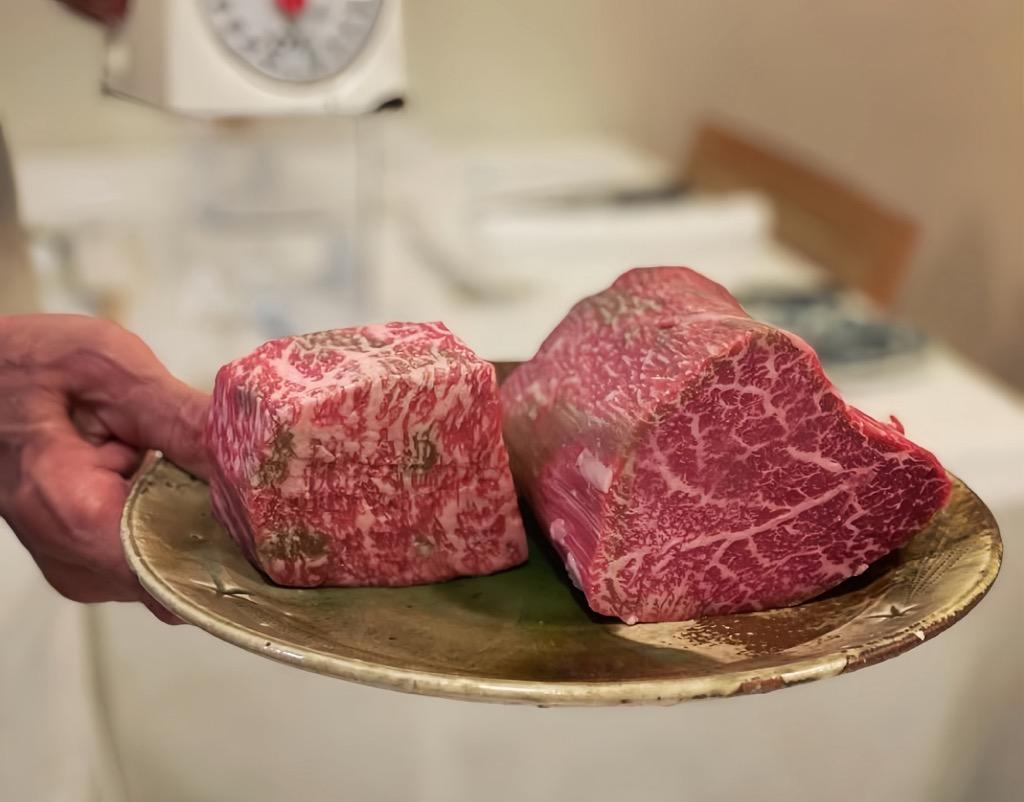
Hello from the TableEX editorial team. This team loves Wagyu so deeply that hearing just the name of a cut instantly brings to mind its ideal cooking temperature. It might sound excessive, but exploring the limits of Wagyu has become something of an obsession. Marbled or lean, breeding or feed — how far can one go in understanding this uniquely Japanese treasure? Driven by that endless question, the search for the ultimate Wagyu dish continues every day. This time’s theme: “Tokyo’s Must-Visit Wagyu Restaurants Right Now.” From teppanyaki and rogama-grilled steak to multi-course wagyu kaiseki, Tokyo’s Wagyu scene is more diverse than ever. Chefs honor traditional methods while experimenting with new heat control techniques and creative approaches, each breathing their own philosophy and aesthetic into this extraordinary ingredient. Some aim for impact with a single unforgettable dish. Others design a course that unfolds like a story told through Wagyu from start to finish. Today, Wagyu cuisine in Tokyo has reached a new level of depth and range — a true renaissance of flavor and craftsmanship. This article highlights the most remarkable restaurants defining that movement across every style. If planning a visit to Tokyo, make room in your journey for one of these extraordinary expressions of Wagyu.
1. Shima Steak
Tucked near Tokyo Station, Shima Steak may not have “steak” in its name, but it’s revered worldwide as a must-visit for serious beef lovers. Chef Manabu Oshima trained in Kyoto at the prestigious Miyako Hotel before refining his skills across Europe. His cuisine blends French technique with an intimate understanding of wagyu. Tokyo’s steak world splits into two main lineages: the charcoal-forward “Arakawa school” (like Gorio and Vitis), and the Kyoto-born “Yutaka school,” known for gently cooked filets. Shima belongs to the latter, but it stands apart—placing equal focus on sirloin and using a rare rotating charcoal grill to ensure perfect, even cooking. The filet is delicately marbled and slow-cooked to draw out umami without drying out. It delivers pure red meat flavor with just the right bite. The sirloin, rich yet clean, strikes a balance of fat and lean that builds in intensity as you eat. Steaks are served with soy sauce, wasabi, and carefully tuned salt—letting the beef and charcoal aroma shine. And then there’s the garlic rice: sautéed garlic, fluffy rice, and pickled greens, finished on a hot griddle. Light, fragrant, and addictive, it’s a dish many can’t leave without. Whether you opt for a full course or à la carte, Shima offers flexibility rarely found today. From consommé and steak to croquettes and beef tongue stew, every dish reflects careful craftsmanship—and a deep respect for the guest’s appetite.

2. Nikuya Tanaka
Among Tokyo’s many wagyu specialists, Nikuya Tanaka stands alone in its sourcing philosophy. Chef-owner Satoru Tanaka, whose family background includes both livestock trading and butchery, is singularly focused on serving only the finest: pure Tajima-line wagyu, including Kobe beef and the near-mythical Tokusan Matsusaka. His goal is to create the world’s most exceptional meat-focused kappo. The omakase menu is a ten-course journey through seasonal ingredients and traditional techniques—all viewed through the lens of wagyu. Highlights include kombu-cured wagyu round, wagyu sashimi with filefish liver, wagyu tempura, and a steak grilled low and slow over charcoal until perfectly tender. At nearly 50,000 yen per person, the experience is undeniably expensive—but for those seeking the absolute peak of Japanese wagyu, Nikuya Tanaka is a destination without peer.
3. Oniku Karyu
Oniku Karyu is one of Tokyo’s most celebrated wagyu-focused kaiseki restaurants, admired by both Japanese gourmets and international food lovers. Chef-owner Haruka Katayanagi trained at three traditional Japanese restaurants before opening Karyu in 2006—long before wagyu kaiseki became the trend it is today. While many now serve wagyu in a kaiseki format, few chefs match Katayanagi’s depth of classical technique. His cuisine blends Japanese tradition with subtle Western influences, resulting in dishes that feel both grounded and inventive. Highlights include a signature wagyu shank stew, slow-braised in a demi-glace of Hatcho miso and tamari; a rare chateaubriand katsu sandwich encased in crisp breading; and sukiyaki-style tenderloin, grilled over charcoal and paired with a silky egg yolk sauce. In autumn, the matsutake mushroom course is a standout. While Yoroniku’s matsutake dinner is famous, Karyu offers a more refined and technique-driven take that’s equally memorable. For anyone looking to experience wagyu through the lens of true Japanese culinary craftsmanship, Oniku Karyu is an ideal place to begin. Chef Katayanagi continues to expand the possibilities of wagyu with vision and precision.
4. Azabudai Nakamura
Azabudai Nakamura has redefined what teppanyaki can be. After years as a quiet favorite in Kagurazaka, the restaurant now takes center stage in Azabudai Hills, Tokyo’s newest luxury district. Chef Masatoshi Nakamura trained at the Imperial Hotel and developed a minimalist cooking style that avoids oils and excess seasoning. Instead, he draws out natural flavors through a method that’s closer to steaming than grilling. His commitment to top-tier ingredients is uncompromising—aged kombu, rare honkarebushi, pristine Azumino wasabi, and organically grown Hitomebore rice are just the beginning. Wagyu from Kawagishi Farm, raised exclusively on rice straw without antibiotics, is a highlight. But Nakamura’s cuisine goes far beyond beef. Expect seasonal stars like bamboo shoots and sansai in spring, ise-ebi and abalone in summer, matsutake in fall, and fugu shirako in winter. Now using a rogama (wood-fired oven) for his signature steak, Nakamura is shifting away from traditional teppan toward something closer to kaiseki. The course begins with small bites and soup, then moves through sashimi, grilled dishes, and wagyu. It’s an elegant progression rooted in Japanese tradition but boldly modern in spirit. For diners seeking a refined, ingredient-driven experience with wagyu as just one part of the story, Azabudai Nakamura is one of the most impressive destinations in Tokyo today.
5. Steak Ichimiya
For serious steak lovers, rogama and Tajima beef are the gold standard—and Steak Ichimiya delivers both at the highest level. Chef Hiroyuki Ichimiya trained under top names like IDEA and VESTA in Ginza, then returned to his Hyogo roots to source wagyu directly from the birthplace of Tajima cattle. Here, the loin cut is a standout. Grilled in a traditional rogama oven, it’s seared to perfection on the outside while staying lusciously pink and tender inside. The rich lean meat and elegant fat melt in perfect harmony. Ichimiya works only with the best: Kobe beef, Sanda beef, Matsusaka beef, and Omi beef, all from top-grade Tajima lines. His precise technique and deep knowledge of the ingredient ensure every bite shows wagyu at its finest. With a well-curated wine list heavy on Burgundy and Bordeaux, Steak Ichimiya is an ideal destination for those seeking a refined and unforgettable wagyu experience in Tokyo.
6. Okazaki
After honing his skills in London and making a name at top Tokyo spots like Innocent Carvery and Sukiyaki Jūniten, chef Mutsumi Okazaki has launched his own venture, Niku Ryori Okazaki. His style blends classical Japanese techniques with a flexible, creative approach that showcases the individuality of each wagyu cut. The omakase begins with skewered wagyu heart, moving through courses like chilled shabu-shabu, wagyu nigiri, and a silky chawanmushi. Then come grilled specialties: kuro-tan (black wagyu tongue), 50-day aged sirloin, and sagari (hanging tender). The meal builds to a climax with chateaubriand steak and donabe-cooked rice made from “Inochi no Ichi,” a rare heirloom grain with exceptional size and sweetness. Okazaki sources his beef from Sakaeya, a leader in aged wagyu, favoring pasture-raised cuts like Hokkaido’s “Jibeef.” The result is clean, elegant wagyu with true depth of flavor. At 18,000 yen, the omakase offers outstanding value. For those eager to discover wagyu beyond brand names, Niku Ryori Okazaki is a hidden gem worth seeking out.
7. Ishibashi
Founded in 1879, Sukiyakiya Ishibashi in Kanda has served sukiyaki for nearly 150 years, preserving the spirit of Meiji-era hospitality. Family-run for five generations, it continues to hold a Michelin star year after year. The setting—a postwar wooden house rebuilt in 1950—feels timeless: tatami rooms, soft light, and the aroma of beef simmering in cast iron. Nothing is staged; it’s living tradition. Its secret sauce, passed down through the women of the family, blends soy, sugar, and mirin into a sweet-savory glaze that highlights the flavor of their own Kuroge wagyu, sourced from the family butcher next door. Each slice is cooked tableside by a kimono-clad attendant. The first bite—simply seared beef dipped in raw egg—is unforgettable. Later rounds add tofu, vegetables, and greens before finishing with the restaurant’s signature ojiya: rice and egg cooked in the same pan, rich with beef drippings. Private tatami rooms, graceful service, and quiet mastery define the experience. In a city chasing trends, Ishibashi endures unchanged—Tokyo’s ultimate sukiyaki classic.
8. Yoyogi Imahan
Among the many offshoots of Tokyo’s legendary Imahan, Yoyogi Imahan stands apart for its singular focus on shabu-shabu. Helmed by Chef Minoru Takaoka, a direct descendant of the Imahan family, this quietly elegant restaurant distills more than a century of tradition into a minimalist expression of wagyu cuisine. Its signature dish—the wagyu tongue shabu-shabu—is said to be the first of its kind in Japan. Only the prized root of the tongue is used, aged for tenderness and depth before being swirled briefly in a clear dashi. Each slice is finished with a touch of artisanal salt from Italy or Vietnam, infused with lemon, plum, garlic, or basil. The combination with crisp tōmyō (pea shoots) adds contrast and balance, turning a humble dish into something profound. Seasonal vegetables, hand-cut kuzukiri, and house-made noodles follow, ending with mikan sorbet and roasted tea. Every element favors restraint over excess, purity over complexity. Yoyogi Imahan accepts guests by reservation only and does not take credit cards—a quiet signal that this is not dining for convenience, but a ritual of simplicity and grace.
9. Steak Tomii
In a modest corner of Asakusa, Steak Tomii has earned a reputation among chefs and meat professionals as one of Tokyo’s truest teppanyaki counters. There is no showmanship here — just a craftsman and a grill. Owner-chef Tsuyoshi Tomizawa trained at Misono, one of Japan’s teppanyaki pioneers. After more than thirty years at the grill, his style is all precision: steady heat, minimal movement, and a focus on letting good beef speak for itself. The three small counters seat around twenty guests, and the polished steel reminds you this is a working chef’s space, not a performance stage. The dish to order is the filet steak. Tomizawa slow-cooks it on a bed of garlic chips, allowing the meat to gently steam rather than sear. The texture becomes remarkably tender — almost buoyant — with a clean, concentrated flavor that lingers. It takes about 40 minutes, so many guests begin with the wagyu hamburg steak, cooked rare and almost airy in texture. Tomizawa doesn’t chase famous wagyu brands. He buys whatever is best that day — Kagoshima, Miyazaki, Nagasaki — and keeps the course around 14,000 yen, exceptional value for this level of craft. The meal ends with garlic rice cooked in the steak’s remaining fat, a simple but perfect close. Quiet, disciplined, and deeply satisfying, Steak Tomii is one of Tokyo’s most convincing answers to where to find genuine teppanyaki.