


Tokyo’s 22 Best Sushi Lunch Spots
Last Edit: 2026.04.02
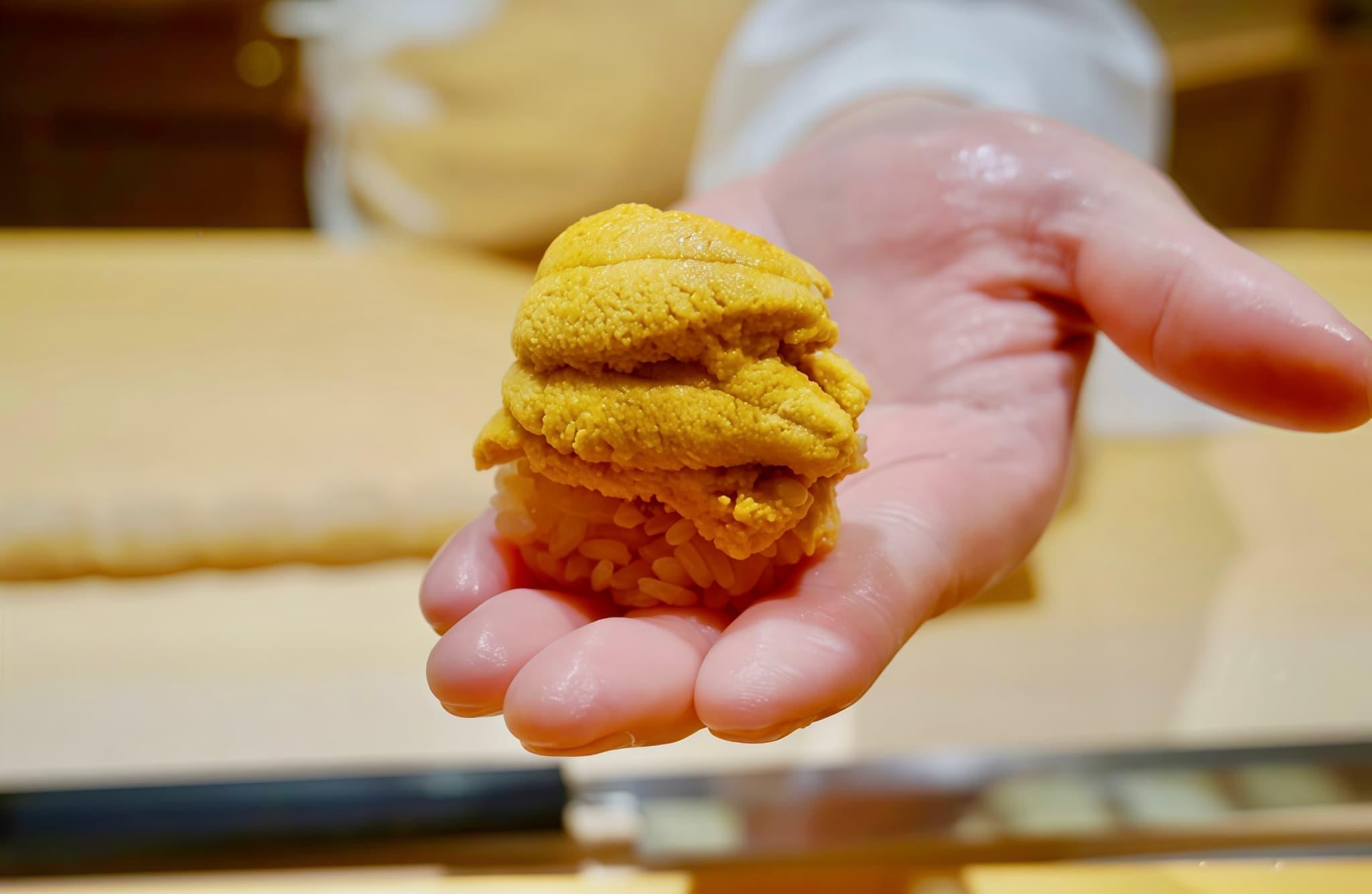
Hello from the TableEX editorial team. Even on an ordinary weekday lunch, the team can’t help but take every single dish a bit too seriously — self-proclaimed world-class seekers of good food. Among all cuisines, sushi stands out as the ultimate form of simplicity, where ingredients and skill are stripped down to their purest essence. That’s why the search for the next unforgettable piece continues quietly, day after day. This time’s theme: “22 Sushi Restaurants Worth Visiting for Lunch in Tokyo.” Choosing the right sushi spot for lunch in Tokyo isn’t as easy as it sounds. A restaurant famous for its dinner service doesn’t always deliver the same experience at midday. The handling of neta (ingredients), the temperature of the shari (sushi rice), the precision of the nigiri — each can subtly shift between day and night. Yet recently, more and more sushi chefs — especially from the younger generation — are putting serious effort into their lunch courses. They treat lunchtime not as a lighter version of dinner, but as another opportunity to express their craft at full strength. This article introduces fifteen restaurants that take lunch as seriously as dinner, serving truly refined sushi from the very first bite. On your next trip to Tokyo, start your culinary journey with sushi at noon — and experience its true essence from the very first piece.
1. Tomidokoro
For Tokyo’s sushi insiders, Tomidokoro is a name spoken with deep respect. Chef Koji Sato, a disciple of Sushi Shin in Nishi-Azabu, opened the restaurant in 2018 at just 31 years old—and quickly earned a following among purists who value classic Edomae technique. Sato’s sushi is rooted in tradition, yet marked by personal nuance. His handling of simmered and vinegared neta is exceptional—Kohada(gizzard shad), even in off-season summer months, is transformed through careful preparation. You’ll also find rare nods to old-school styles, like simmered ika, that are seldom seen today. The shari is seasoned with red vinegar, offering sharp yet refined acidity. Made with Hokkaido-grown rice and cooked in a hagama pot, it separates gently on the tongue and carries a soft natural sweetness. Though the portions are generous, they’re light and balanced—never overwhelming. Sato hand-selects his ingredients daily. While not every item is the priciest on the market, his choices reflect deep thought and intention. Expect a lineup of Edomae staples like Houbou(gurnard)and Amaebi(sweet shrimp), along with the occasional surprise. A recent Shimesaba(vinegared mackerel)was packed with flavor and stayed with us long after the meal. At 25,000 yen for the omakase, Tomidokoro offers outstanding value for the level of technique and care on display. For those seeking honest, no-frills Edomae sushi with soul, this is one of Tokyo’s finest hidden gems.

2. Sushi Taichi
Since opening in 2008, Sushi Taichi has quietly built a devoted following in Ginza for serving some of the most honest and traditional Edomae sushi in the city. It has never sought the limelight or courted foodie trends, yet among true sushi lovers, it’s regarded as a sanctuary—where classic craftsmanship still meets extraordinary value. Chef Taichi Ishikawa was born into a family of sushi artisans. After sharpening his skills at the distinguished Ikkyu, he opened his own counter under his name, hidden away on a quiet Ginza backstreet. Taichi often jokes, “Sushi prices these days are getting out of hand.” True to that belief, his omakase lunch—ten pieces of top-tier sushi—costs just 5,500 yen, a price that borders on unbelievable given the level of precision. Few places in the world offer this kind of quality for so little. His shari (sushi rice) is intentionally firm at the center, almost al dente, with a pronounced acidity drawn from red vinegar. It forms the perfect foundation for his standout Saba (mackerel) from Hachinohe, a deeply fatty fish boasting more than 15% fat content. One bite and most diners can’t help but pause—the harmony of richness and acidity is breathtaking. Over nearly two decades, Taichi has earned a place of quiet honor within Ginza’s elite sushi scene. His work is defined by restraint and devotion to the essentials, elevating humble neta (the ingredients) with impeccable technique: Kohada (gizzard shad) that sings with sharp, clean acidity Hamaguri (clam) showcasing the natural sweetness of shellfish Iwashi (sardine) balanced perfectly between fat and tang Sayori (halfbeak) delicately topped with oboro, that fluffy shrimp paste emblematic of classic Edomae style At many counters, these pieces are treated as fillers; here, each one is treated as art. In an era where young chefs debut with 30,000-yen omakase menus after only a few years behind the counter, Sushi Taichi stands as a quiet rebellion. Despite having the skill to command triple his current prices, Taichi stays faithful to his ideals, refusing to commercialize his craft. That integrity alone commands deep respect. From his small Ginza counter, Chef Taichi continues to share the spirit of true Edomae sushi with grace and humility. For those who love sushi in its purest form, a visit here feels less like a meal and more like a tribute to tradition.
3. Sushi Mizukami
Every apprentice who emerges from Sukiyabashi Jiro seems destined for greatness, and Michinobu Mizukami, the chef-owner of Sushi Mizukami, is no exception. After spending sixteen rigorous years training at both the Honten and Roppongi branches, he launched his own restaurant—carrying forward the precision, discipline, and philosophy imparted by his master. His sushi, executed with quiet perfection, has earned him a place among Tokyo’s most respected mid-generation chefs. Many see him as the natural successor to his senior, Harutaka. The shari (sushi rice) follows the Jiro school’s hallmark: seasoned solely with rice vinegar. Yet Mizukami’s rendition is a touch softer and less salty than that of Jiro or Harutaka, creating a more subtle harmony—particularly effective with white fish. For over two decades, Mizukami has made the trip to the market every single morning, without exception. His sourcing skills are world-class. Tuna comes from Yunoka, one of Toyosu’s most promising maguro wholesalers, while his white fish are supplied by the legendary fisherman Koichi Mura, known for his mastery of ikejime. (It was Mizukami, in fact, who introduced Mura’s fish to top restaurants such as Sushi Obana in Gunma and Hoshino in Shinbashi.) Mizukami’s command of classic preparation—nimono (simmering), shime (curing), and zuké (marinating)—is extraordinary. The Kohada (gizzard shad) and Saba (mackerel), with their supple skin and perfectly balanced seasoning, exemplify his refined touch, merging seamlessly with the acidity of the shari. At a time when many modern sushi counters serve long series of appetizers followed by a brief lineup of nigiri, Sushi Mizukami stays true to Edomae roots. The omakase includes 18 to 20 pieces of sushi, allowing diners to experience the rhythm and progression of flavors as it was meant to be—a pure, sushi-centered performance. Now that Jiro Ono has stepped away from the counter, it’s reassuring to see his philosophy alive in the hands of such capable apprentices. For those seeking to taste the spirit of Jiro without the formality or speed of the famed Ginza main store, Sushi Mizukami offers the ideal experience—authentic, deeply disciplined, and profoundly satisfying.
4. Sushi Keita
Among Tokyo’s red vinegar–driven sushi houses, Sushi Keita already holds an almost legendary status—and remarkably, its chef is still in his thirties. His steady pursuit of perfection, rooted in the fundamentals of classic Edomae technique, speaks to a rare dedication and humility. Each piece here is substantial and expressive: marinated squid, vinegared mackerel, and clam are all prepared with precision that borders on reverence. The flavors are clean, vivid, and deeply satisfying—proof that mastery comes not from novelty, but from discipline. The counter is filled with true sushi devotees rather than casual diners chasing photos, adding to the restaurant’s quiet sense of authenticity. In many ways, Sushi Keita feels like the spiritual heir to Ginza’s Shimizu, a place destined to define the next era of Tokyo’s Edomae tradition. Whether you’re discovering red vinegar sushi for the first time or already well-versed in the city’s top counters, this is a restaurant that will deepen your respect for the craft.
5. Ishimaru
For serious sushi lovers, Sushi Ishimaru is a destination well worth seeking out. At the counter stands Hiroyuki Numazato, an inventive, self-taught chef who honed his craft through relentless practice rather than traditional apprenticeship. In an era when many of Tokyo’s sushi restaurants draw from the same network of suppliers, Numazato’s independent approach has allowed him to forge a style all his own. His shari (sushi rice) is seasoned exclusively with red vinegar, carrying a firm acidity that stays elegant rather than overpowering. Using small, fine-grain rice adds a distinctive texture and clarity to each bite. The seafood selection is equally exceptional—especially the tuna, sourced from Fujita Shoten, a top-tier Toyosu wholesaler known for supplying some of Tokyo’s most prestigious counters. The level of quality here easily rivals restaurants that charge upward of 40,000 yen per person. Located slightly outside the city center in Omiya, Sushi Ishimaru rewards the short journey with an experience that feels both genuine and refreshing. It’s a place that reflects the spirit of craftsmanship over showmanship—a reminder that true Edomae excellence can still be found off the beaten path.
6. Sushi Yuki
Sushi Yuki represents a pure, uncompromising path into the heart of traditional Edomae sushi. Chef Yuki Hayashinouchi is the sole known direct apprentice of the late Hachiro Mizutani, the legendary master of the now-closed Sushi Mizutani—a name once spoken alongside Jiro Ono of Sukiyabashi Jiro. Deeply respected within the sushi community, Hayashinouchi carries forward the quiet dignity and discipline of the true sushi craftsman, a spirit that feels increasingly rare today. Three qualities define Sushi Yuki. The omakase focuses entirely on nigiri, allowing the sequence to unfold in its purest form. The shari plays a leading role, revealing the chef’s mastery in balance and restraint. And finally, there’s a distinctive personal touch in the way that shari is seasoned and shaped. The shari (sushi rice) is seasoned with a blend of several types of rice vinegar, producing a bright acidity tempered by subtle salinity. The flavors evolve gently, intertwining with the umami of the neta (the ingredients) to create a lasting resonance on the palate. For tuna, Hayashinouchi turns to Yunoka, a rising name among Tokyo’s elite maguro suppliers. His white fish come directly from a skilled fisherman in Setouchi, known for masterful ikejime technique. This thoughtful sourcing, paired with an unpretentious approach to presentation, reflects the chef’s quiet confidence and pride in the craft. It’s no surprise that many younger sushi chefs look to him as a mentor figure—a grounded “big brother” within the profession. If he continues on his current trajectory, Sushi Yuki is poised to become one of Tokyo’s defining sushi destinations in the years ahead—much as Harutaka is today. Considering his Jiro-lineage pedigree, being able to enjoy a full omakase here for under 30,000 yen feels almost unreal. For anyone serious about Tokyo’s sushi scene, this is an essential stop.
7. Sano Sushi
A relative newcomer in Tokyo’s sushi world, this restaurant—opened in 2023—has already earned the admiration of serious sushi aficionados for its unwavering consistency and craftsmanship. Chef Masashi Sano, once a little-known figure, first made his name at Tsukiji Aozora Sandaime near Tokyo Station, transforming it into one of the city’s hardest reservations through sheer skill and dedication. Sano’s sushi stands out for its sharp, clean edge of red vinegar, a hallmark shared with the revered Edomae institutions he admires most—Shimbashi Shimizu, Tomidokoro, and Sushi Keita. Though still a young establishment, it confidently holds its own alongside long-established sushi legends across Japan. The restaurant’s pride and centerpiece is tuna, sourced through the respected wholesaler Fujita Shoten. Fujita, who recognizes in Sano both discipline and integrity, regards him as one of the most promising successors of the next generation. One taste confirms why—the tuna is superbly selected, beautifully balanced, and handled with absolute precision. For those in search of red vinegar–based sushi at the highest level, this restaurant deserves a place near the top of Tokyo’s list. The fact that it also serves lunch only adds to its appeal. With its blend of traditional foundation and modern energy, Sano’s counter may well reach a broader audience than even the venerable Shimizu or Tomidokoro. A must-visit for anyone exploring the new wave of Edomae sushi.
8. Sushi Takaharu
Opened in July 2024, Sushi Takaharu has quickly become a name to watch among Tokyo’s sushi devotees. Offering an omakase experience that far outperforms its price, it’s the kind of new counter that seasoned food lovers immediately take notice of. Chef Takaharu Kimeta spent 11 years honing his craft at the legendary Ginza Kyubey, and that pedigree shines through in every dish he serves. His movements behind the counter are calm, assured, and precise—qualities that make it hard to believe this restaurant is still in its first year. One of the most delightful surprises here is Kimeta’s signature seafood fry, a rarity in the sushi world. In summer, you might find Aji (horse mackerel) or Kuruma ebi (Japanese tiger prawn); come winter, perhaps Kaki (oyster) or Hotate (scallop). Each is served piping hot, the creamy interior wrapped in a crisp crust and finished with a rich, house-made sauce inspired by classic Américaine. It’s indulgent yet refined—a dish that’s bound to leave you smiling. Kimeta’s sushi stays true to traditional Edomae principles, with shari (sushi rice) seasoned using Yokoi’s Kohaku red vinegar, a blend of three varieties that adds depth and subtle acidity. The rice is cooked firm and served at body temperature, creating a perfect balance with the neta. His maguro (tuna) comes from Yunoka, a rising star among Tokyo’s top maguro suppliers. Prepared zuke-style—marinated in blocks and lightly seared—it develops a mellow flavor reminiscent of carefully aged tuna. His mastery of marinating, curing, and simmering techniques is impeccable, a clear reflection of his years at Kyubey. It’s no surprise that Kimeta commands respect from even the most experienced sushi aficionados. During his time at Kyubey, he was entrusted with serving President Barack Obama and Prime Minister Shinzo Abe at a diplomatic dinner—a testament to both his technical skill and composure. To welcome overseas guests more comfortably, he also studied English extensively and now speaks fluently, making Sushi Takaharu an especially approachable destination for international diners. Best of all, the omakase course is priced at just 18,000 yen—a remarkable value for sushi of this caliber. For visitors seeking authentic Edo-style sushi at a serious level without the sky-high price tag, Sushi Takaharu is a must-visit.
9. Sushi Suzuki
Opened in 2015, Sushi Suzuki has quietly solidified its place among Ginza’s most respected sushi counters, known for serving consistently superb Edomae sushi with impeccable balance and restraint. Chef Takahisa Suzuki, who spent 12 years training under the esteemed Sushi Aoki, launched his own restaurant at the age of forty—bringing both experience and composure to every detail of his craft. The shari (sushi rice) is seasoned with a gentle touch of red vinegar, offering mild acidity and subtle salinity. Cooked to a precise texture—soft yet cohesive, each grain distinct—it exemplifies Suzuki’s refined approach to rice preparation, where structure and flavor exist in perfect harmony. Suzuki’s neta (the ingredients) selection reflects deep respect for classic Edomae tradition: Kohada (gizzard shad), Kuruma ebi (Japanese tiger prawn), Kobashira (small scallops), and Hamaguri (clam) appear regularly, while premium seasonal additions like Shiro Amadai (tilefish) and Kue (longtooth grouper) showcase his sensitivity to the time of year. In winter, his Saba battera (pressed mackerel sushi) has become a cult favorite—so refined it could stand beside the best versions from Kyoto’s elite kaiseki restaurants, attracting guests who visit for that dish alone. At TableEX, we consider Chef Suzuki to be among Japan’s top ten sushi chefs of his generation. While the price point leans toward the higher end, reservations remain surprisingly manageable—perhaps because the value reveals itself not in quantity but in quiet excellence. The omakase course offers a generous balance of tsumami and nigiri, each piece prepared with precision, patience, and unflinching respect for tradition. Some old-school sushi fans might call the pricing ambitious, but those who appreciate true craftsmanship understand: every yen spent here feels justified. Sushi Suzuki represents modern Ginza sushi at its most polished—an experience defined not by flash or fame, but by mastery.
10. Sushi Arai
Yuichiro Arai, one of Tokyo’s most respected sushi masters and a veteran of both Kyubey and Sushi Sho, opened Sushi Arai in 2015. In less than a decade, it has become a benchmark for top-tier sushi in Japan. Among the talented chefs who helped shape that legacy is Hironori Usui, Arai’s quiet yet indispensable right-hand man since the restaurant’s earliest days. Today, Usui leads his own counter on the same B1 floor where Arai himself once worked for six years after opening. The space retains its understated beauty—wooden plaques displaying the day’s neta (the ingredients) line the walls, while the Kiso hinoki counter radiates a calm dignity reminiscent of Shimbashi Shimizu, a restaurant that deeply influenced Arai in his youth. Like his mentor, Usui trained at Kyubey’s Okura branch, long known as one of the most demanding training grounds in Tokyo. His work reflects that discipline—swift, focused, and remarkably precise. With delicate fish such as Kohada (gizzard shad), Iwashi (sardine), Hamaguri (clam), and Anago (conger eel), Usui displays the technical mastery that defines true Edomae craftsmanship. Many now say his work stands shoulder to shoulder with, if not beyond, his teacher’s. The shari (sushi rice) is cooked firm and seasoned boldly with red vinegar, giving it a vivid, distinctive edge. It pairs beautifully with his domestic bluefin tuna, sourced through Yamayuki, one of Toyosu Market’s most renowned tuna suppliers. The harmony between the tuna’s rich fat and the sharp umami of the vinegar leaves a lasting impression. Arai’s signature creations—such as the Ohagi (minced toro with takuan, or pickled radish) and the ankimo paired with narazuke (pickled watermelon rind)—are faithfully reproduced here with the same precision and care. Usui’s omakase course costs roughly ¥10,000 less than Arai’s upstairs, yet the quality of the neta, including the tuna, remains virtually identical. In an era where other chefs from the Arai group—like Sugaya, Meino, and Takeru—now charge upward of ¥50,000, this represents remarkable value. For those seeking an authentic, high-level sushi experience under ¥40,000, Usui’s counter stands as one of Tokyo’s most compelling choices—serious, soulful, and unmistakably Arai in spirit.
11. Sushi Ishiyama
Opened in 2018, Sushi Ishiyama has quickly earned a reputation as one of Ginza’s most reliable destinations for refined, high-quality sushi. Chef Takao Ishiyama, who trained at two of Tokyo’s most prestigious restaurants—Sushi Kanesaka and Sushi Saito—carries forward the legacy of his mentors with quiet confidence and unwavering discipline. Tall and composed, Ishiyama cuts an elegant figure behind the counter. He speaks little, but his sushi communicates everything—an honest reflection of his character: serious, sincere, and free of pretension. There are no unnecessary flourishes or modern gimmicks here, only pure, focused Edomae craftsmanship expressed through clean flavors and perfect balance. The shari (sushi rice) is seasoned with a blend of rice vinegar and just a touch of red vinegar for color and nuance. Cooked slightly firm to preserve grain definition, it forms the steady foundation of Ishiyama’s work. His movements are deliberate and graceful, shaped by years of training under Kanesaka and Saito. Watching him mold each piece is as captivating as eating it—a performance of precision and calm. The lineup stays true to classic Edo-style: Maguro (tuna), Kohada (gizzard shad), Anago (sea eel), Hamaguri (clam), and Ebi (shrimp), each served at its ideal moment. In winter, his pressed Saba (mackerel) sushi wrapped in white kombu and served with a crisp sheet of nori has become a beloved seasonal signature, eagerly awaited by regulars. In a city where sushi culture runs deep, Sushi Ishiyama distinguishes itself with its combination of elegance, restraint, and pure technical mastery. That it remains absent from the Michelin Guide only underscores the incredible depth of Tokyo’s sushi scene—proof that some of the finest experiences are still those quietly waiting to be discovered.
12. Sushi Ikki
For years after Kurosaki’s relocation, Shibuya had no clear leader in the sushi world. That changed with the arrival of Sushi Ikki—a restaurant that has swiftly become the district’s new benchmark for serious Edomae sushi. Chef Takafumi Kiyonaga, who previously ran a highly regarded neighborhood counter in Tokyo, took inspiration from his mentor Kazuki Kurosaki and boldly brought his craft to the heart of the city. His confidence is well-earned. Trained in traditional Japanese cuisine, Kiyonaga opens his omakase with a refined bowl of ichiban dashi, setting the tone for what’s to come. His menu goes far beyond the expected: clam fishcake, grilled sesame tofu, and seasonal vegetables like summer tomatoes add contrast and rhythm throughout the course. The omakase follows the “Sushi Sho” style, alternating between small dishes and nigiri. The shari (sushi rice) combines two types of red vinegar with a touch of rice vinegar, giving it a soft tang and a loose, airy texture that dissolves gracefully on the palate. Kiyonaga sources his maguro (tuna) from the renowned supplier Yamayuki. The akami is accented with Japanese mustard, while kama-toro is gently seared to release its natural sweetness and depth. His willingness to feature less conventional fish—such as mehikari (greeneye) and fuefukidai (emperor bream)—reveals both curiosity and creativity, marking him as a chef unafraid to innovate within tradition. While Sushi Hajime near Namikibashi may attract travelers, Sushi Ikki delivers an experience on an entirely different level—more nuanced in flavor, more considered in service, and more grounded in craftsmanship. With his elegant technique, thoughtful pacing, and quiet confidence, Takafumi Kiyonaga is quickly emerging as Shibuya’s next great sushi master. For those seeking a sushi experience defined by both personality and precision, Sushi Ikki deserves a place high on your Tokyo list.
13. Ebisu Endo
In Tokyo’s competitive sushi scene, Norifumi Endo of Ebisu Endo has earned a reputation as a true obsessive—a “maniac,” as fellow chefs affectionately call him. The nickname is one of respect, reflecting his relentless pursuit of perfection. After rigorous apprenticeships at two of Japan’s most revered counters—Sushi Mizutani in Ginza and Sushi Saito—Endo has emerged as a chef of remarkable precision and uncompromising standards. His sourcing network is the envy of many. Endo procures Managatsuo (silver pomfret) from Mr. Fujimoto in Ehime, Mehikari (greeneye fish) through Sushi Ito in Fukushima, wild Unagi (eel) from Lake Shinji, and Kampachi (greater amberjack) from Mr. Kushimoto in Wakayama. Every ingredient reflects a story of trust and craftsmanship. His approach is simple yet profound—he enhances each product’s inherent flavor through technique, not embellishment. A perfect example is his Donko shiitake, deep-fried for two hours and then finished over charcoal until the skin crisps and the aroma blooms with irresistible savor. The shari (sushi rice) is cooked slightly firm, allowing each grain to hold its shape. Its gentle acidity and restrained seasoning let the neta (the ingredients) shine naturally. In a creative twist, Endo flips the traditional tuna order—beginning the course with Otoro (fatty tuna) instead of ending with it. “Like yakiniku,” he explains, “the richest cuts are best enjoyed while your palate is fresh.” Before turning to sushi, Endo pursued a professional soccer career in the UK, an experience that not only shaped his discipline but also left him fluent in English. This makes Ebisu Endo one of the few Tokyo sushi restaurants where international guests can converse comfortably and meaningfully with the chef himself. Conveniently located near Shibuya and open for lunch, Ebisu Endo offers an experience that combines technical mastery with personal warmth. For those who want to explore Japan’s finest seafood with both depth and clarity, this is one of Tokyo’s true hidden gems.
14. Sushi Takeru
Opened in 2022, Sushi Takeru has quickly emerged as one of Ginza’s most promising new sushi counters. At the helm is Takeru Watanabe, an elite chef whose résumé includes stints at Sushi Kanesaka, Sushi Arai, and Sushi Ryujiro—a pedigree that places him firmly among Tokyo’s rising generation of sushi masters. For those drawn to the words refined nigiri, high-grade neta, and red vinegar shari, this is a name to remember. The shari (sushi rice) is seasoned primarily with red vinegar and accented by a bold touch of salt. Its flavor balance reflects Watanabe’s mentors—roughly 60% Arai, 20% Ryujiro, with the rest entirely his own. Cooked to a firm texture that loosens gracefully on the palate, the rice forms the perfect foundation for his meticulously handled neta. After more than a decade spent as second-in-command at top-tier establishments, Watanabe’s technique is impeccable—measured, fluid, and precise. The omakase course showcases classic Edomae staples such as Kohada (gizzard shad), Hamaguri (clam), and Kasugo (young sea bream), alongside extraordinary tuna sourced through Yamayuki, one of Tokyo’s most prestigious maguro wholesalers—a connection inherited from his time at Arai. Signature highlights include the indulgent toro-taku roll, which features a luxuriously thick slice of fatty tuna, and his playful kappa roll, where cucumber is minced into a delicate, almost creamy paste. Both have become hits among younger diners and regularly make the rounds on social media. Despite his impressive background, Chef Takeru keeps the atmosphere warm and approachable. While some Ginza counters can feel formal or intimidating, his easygoing personality brings a sense of camaraderie to the room—regulars and newcomers alike share the counter with smiles and laughter. The omakase is priced on the higher side for Ginza, but the quality of ingredients fully justifies it. It’s rare to find this level of craftsmanship delivered with such authenticity and charm. With Sushi Takeru, Ginza gains not just another high-end sushi restaurant, but a fresh and genuine voice in Tokyo’s evolving Edomae scene.
15. Sushi Masashi
Opened in 2020, Sushi Masashi is the creation of Masashi Yamaguchi, a chef whose pedigree speaks for itself. After training under Rei Masuda at Sushi Masuda—one of Tokyo’s most respected successors to the Jiro lineage—Yamaguchi went on to lead the kitchen at its sister restaurant, Sushi Watama, before striking out on his own. His talent was quickly recognized: Sushi Masashi earned a Michelin star in its second year. Yamaguchi builds upon the classical Edomae foundations inherited from the Sukiyabashi Jiro tradition, crafting an omakase that balances elegance with originality. His meal flows gracefully between inventive small plates and refined nigiri, creating a modern yet faithful interpretation of Edomae craftsmanship. Among his signature tsumami, the sukiyaki-style tuna cheek stands out. Gently simmered in a soy-based broth and served with a velvety Okukuji egg yolk, it offers both comfort and depth—an intuitive dish that feels at once luxurious and familiar. This instinct for flavor accessibility without compromise defines Yamaguchi’s style. The shari (sushi rice) is seasoned primarily with rice vinegar, accented by a hint of red vinegar. Rather than relying on an aged blend for intensity, Yamaguchi opts for Kinsho, a younger variety that brings clarity and subtle complexity. His tuna, sourced through the esteemed wholesaler Yamayuki, is consistently pristine—supple texture, balanced aroma, and vivid color all demonstrating exceptional quality. Seasonal neta (the ingredients) include wild eel from Shimane, Shirakamadai (tilefish) from Oita, and Anago (sea eel) from Tsushima. A clever touch appears in his Akagai (ark shell) nigiri, where the crunchy mantle is tucked discreetly inside the clam for an extra layer of texture and surprise. In January 2025, the restaurant relocated to a nearby space with a more serene, focused atmosphere—an evolution that mirrors Yamaguchi’s own quiet refinement. Just a short walk from Omotesando, Sushi Masashi offers a deeply satisfying experience for those seeking a thoughtful, contemporary expression of the Sukiyabashi Jiro legacy.
16. Sushi Oumi
After many years serving as the reliable right-hand man at Sushi Kanesaka, one of Ginza’s most respected counters, veteran chef Hidenosuke Oumi quietly stepped into the spotlight with the opening of his own restaurant in 2020. Hidden away from Ginza’s glitz, Sushi Oumi is a serene retreat where his decades of skill and experience now take center stage. The shari (sushi rice), prepared with red vinegar from Yokoi Brewing, carries gentle acidity and a subtle saltiness. It’s precisely tuned to harmonize with every category of neta (the ingredients)—whether delicate white fish, rich hikari-mono, deep-red maguro, or fragrant nori. Oumi obsesses over temperature, moisture, and even the rice’s maturation, ensuring that each piece achieves a natural balance where rice and fish meet seamlessly. Following the Edomae traditions of his mentor Kanesaka and his senior counterpart at Sushi Saito, Oumi upholds classical technique while introducing small, thoughtful twists of his own. He tops Kohada (gizzard shad) with a veil of white kelp, adds a touch of ume paste to Meichidai (golden threadfin bream), and pairs Katsuo (bonito) with finely chopped shallots. His method of briefly marinating the bonito in soy before lightly smoking it shows both restraint and mastery—an understated move that only a seasoned craftsman could execute with such grace. Affectionately known as “Sanpei” among colleagues and regulars, Oumi brings warmth and ease to the counter. The mood is relaxed yet refined—far from the stiffness that sometimes defines Ginza’s sushi scene. It’s the kind of place where even first-time guests feel at home. After the meal, guests are encouraged to continue the evening upstairs at the hotel’s rooftop bar, a hidden gem perfect for a quiet cocktail and reflection on an unforgettable meal.
17. Kizushi
With a history spanning over a century, Kizushi stands as one of the original pioneers of Edomae sushi, alongside Benten Miyako and Futaba Sushi. Located in a beautifully aged wooden building, the space feels untouched by time—every visit is a step into Tokyo’s culinary past. Now in the hands of the fourth generation, two brothers continue the family tradition. The elder, Kazuhiro Yui, preserves century-old methods without compromise. The shari is seasoned with equal parts red and white vinegar, no sugar, just salt. It’s sharp, clean, and deeply rooted in tradition. Maguro(tuna)and anago(conger eel)are signature neta. Tuna is sourced from Ishitsukasa, with each part treated differently—thick cuts of chiai gishi, thin slices of hileshita shaped in classic kurakake style. Anago, from longtime supplier Yamagoshi, is served at room temperature for a melt-in-the-mouth texture. Rare old-school creations are also a highlight. Tazuna maki layers kohada(gizzard shad)and kuruma ebi(tiger prawn)in a striped roll with oboro and shari. Ika no inro zume features spear squid delicately stuffed with sushi rice, nori, and pickled ginger. Kizushi isn’t just nostalgic—it’s profoundly satisfying. This is sushi with soul, crafted with the wisdom of generations. A must-visit for anyone seeking true Edomae.
18. Nihonbashi Kawaguchi
Among TableEX’s most notable new discoveries for 2025 is Sushi Kawaguchi, located in the heart of Nihonbashi. Owner-chef Yudai Kawaguchi belongs to the elite lineage of Japanese sushi artisans, having spent eleven years in training at the legendary Sukiyabashi Jiro. In March 2025, after receiving formal recognition as a fully qualified chef from Yoshikazu Ono—Jiro’s son and the famously exacting head of the restaurant—he struck out on his own with well-earned confidence. For the past four years, Kawaguchi stood at the side of Jiro Ono himself, mastering every nuance of his master’s craft. Today, his work represents perhaps the truest continuation of the Jiro style anywhere in Japan. From the bold, vinegared shari (sushi rice)—made exclusively with Mizkan’s Shiragiku rice vinegar—to the seamless flow of the meal, everything feels deliberate and balanced. The progression of the course—starting with delicate white fish and squid, moving through Kohada (gizzard shad), Kuruma ebi (Japanese tiger prawn), and maguro (tuna), before finishing with shellfish, makimono, and anago (conger eel)—embodies the essence of Edomae purity perfected by Jiro himself. Each piece, from the cured fish to the silky-sweet anago finished with glossy tsume, carries the quiet intensity of tradition refined over decades. Experiencing this level of craftsmanship in a calm setting—and at roughly half the price of the Ginza flagship—is an extraordinary opportunity for sushi enthusiasts visiting Tokyo. Adding to the charm, Kawaguchi’s wife, Holly, a native of the UK, oversees service with grace and precision. Together, the couple bring an international perspective to the deeply Japanese artistry of Edomae sushi, making the experience accessible yet uncompromising in authenticity. At a time when many chefs experiment with fusion elements, Kawaguchi’s devotion to pure, unaltered Edomae tradition feels almost revolutionary. For diners seeking to understand the roots of Tokyo’s sushi culture, Sushi Kawaguchi offers the most faithful and inspiring introduction. A new counter has quietly entered the stage—one that TableEX can confidently call a future classic for true sushi purists around the world.
19. Ginza Iwa
In Ginza’s world of refined sushi, Ginza Iwa stands out for its calm atmosphere and quietly confident craftsmanship. The seven-seat counter, located near the Sony Building, opened in 2012 and earned a Michelin star in 2018. The space is minimalist yet warm, filled with the scent of hinoki wood and a sense of serene focus. Chef Hisayoshi Iwa, a Tokyo native who trained at Kyubey and later helped launch Sushi Kanesaka, brings that lineage into his own elegant style. His nigiri is compact and balanced—clean lines, precise seasoning, and no unnecessary flourish. The shari (sushi rice), seasoned with three-year-aged red vinegar, has gentle acidity and a perfect balance of firmness and tenderness. The flavor is restrained and refreshing, complementing both delicate white fish and richer neta. A typical course begins with tsumami such as crab or steamed abalone before transitioning to a graceful flow of nigiri: Katsuo (skipjack tuna) from Kagoshima, Awabi (abalone) from Chiba’s Boso coast, and Otoro (fatty tuna) that melts into the rice. Aged Isaki (grunt fish) and Kasugodai (young sea bream) highlight Iwa’s subtle sense of rhythm and temperature. Ingredients are sourced mainly from Toyosu, with select products from Kyushu and Okinawa. Even the details—the Koshihikari rice from Chiba, Kohaku vinegar from Yokoi Brewery, and wasabi from Shizuoka’s Umegashima—reflect Iwa’s exacting standards. His sake list is small but thoughtful, featuring trusted breweries such as Nabeshima and Hatsukame. Simply mention your preference, and he’ll select something perfectly matched. What defines Ginza Iwa isn’t showmanship but calm precision. Every movement feels intentional, every bite quietly memorable—a reminder that true mastery often speaks in whispers.
20. Yoshino Sushi Honten
Founded in 1879, Yoshino Sushi Honten is one of the last living links to Yohei Sushi, the birthplace of Edomae style. First-generation chef Masakichi Yoshino trained directly under Yohei Sushi’s third and fourth heads before opening his own stall at the Nihonbashi fish market. More than 140 years later, the restaurant is still run by the Yoshino family, now in its fifth generation. Yoshino is also credited with introducing toro nigiri at a time when fatty tuna was dismissed as unsuitable for sushi — a small act of rebellion that ultimately reshaped modern sushi. The shari remains unchanged since the founding: red vinegar and salt only, no sugar. Firm, warm, and quietly aromatic with akazu, it breaks lightly on the palate and sets a sharp, classic tone that defines the entire meal. Forming each piece is the near-extinct Edo hand technique honte-gaeshi, requiring subtle rotation and pressure — a method only a handful of chefs still practice. Preparation follows old-school logic: kohada and saba cured decisively to the core, shellfish simmered with precise control, traditional touches like asari gunkan still in rotation. The anago is simmered until tender, lightly seared, and finished with a clean, glossy nitsume. The tamago, made in the kurakake style, closes the course with gentle sweetness and acidity. There is no embellishment, no modern reinterpretation — only the pared-down clarity of Edo craft practiced over generations. Yoshino Sushi Honten stands as a rare surviving benchmark of what authentic, original Edomae sushi truly means.
21. Asakusa Sushisei
Founded in 1891 on Asakusa’s historic Sushiya Street, Sushisei is one of the area’s last counters to carry true Edo-mae technique into the present. The modest entrance leads to a warm, quietly focused second floor where the fourth generation works with a single, beautifully balanced red-vinegar shari cooked in a hagama. Firm, aromatic, and seasoned without sharpness, it anchors the entire meal. Seafood comes directly from Imabari’s renowned fisherman Junichi Fujimoto, whose same-day handling gives the madai, kisu, and shiro-amadai remarkable clarity. Tuna is sourced exclusively from Yamayuki, and each cut is served at a temperature where the fat and red-vinegar rice meet in perfect alignment. The omakase is classic and restrained — kohada with clean acidity, botan ebi with natural sweetness, lightly grilled anago, and pristine uni from Rishiri. Even the miso soup and tamago follow the same disciplined logic. No theatrics, no modern embellishment. Just a living slice of Edo-mae craft, preserved with quiet confidence in the heart of Asakusa.
22. Sushidokoro Suzu
承知いたしました。お示しいただいた「Tomidokoro」のスタイル(簡潔で力強く、職人の魂に焦点を当てたトーン)に合わせて、「寿々(Suzu)」の紹介文をリライトしました。 Sushidokoro Suzu A mere one-minute walk from Tameike-Sanno Station, tucked away in the quiet backstreets of Akasaka, lies Sushidokoro Suzu. Established in 2005, this restaurant has spent nearly two decades as a steadfast bastion of Edomae sushi. The owner-chef, Yoichiro Fujii, is a distinguished alumnus of the legendary Ginza Kyubey, where he spent nine years mastering the pinnacle of Japanese hospitality and craft. Chef Fujii’s technique is often described by regulars as being like an “Iai” master—his movements are swift, precise, and entirely devoid of wasted energy. This speed is not just for show; it ensures the fish remains at its optimal temperature, capturing the peak moment of flavor in every single nigiri. Having originally trained in traditional Washoku (Japanese cuisine) before transitioning to sushi, Fujii possesses a profound understanding of seasonal ingredients that extends far beyond just fish. The most defining characteristic of Suzu is the shari. Chef Fujii is known for cooking his rice to a firm, al dente consistency—arguably some of the firmest in Tokyo. Seasoned with a crisp blend of rice vinegar and a subtle touch of salt, the rice provides a sharp, structural foundation that highlights the natural sweetness of the seafood. It is a sophisticated balance that has made the restaurant a favorite among serious sushi connoisseurs who favor a "defined" bite. The experience begins at the entrance, where guests remove their shoes before stepping onto traditional tatami-mat flooring. The 12-seat L-shaped counter features horigotatsu seating, allowing guests to relax their legs while maintaining the dignified atmosphere of a high-end sushi den. This "living room" warmth, combined with the solemn beauty of the Hinoki cypress counter, creates a rare sense of relaxed luxury that is hard to find in the more rigid environments of Ginza.
Your Sushi Trip, Matched by Locals
Tokyo offers extraordinary sushi—but choosing the right counter can be frustrating. Translation issues, unclear reservation systems, and inconsistent online reviews often lead travelers to restaurants that don’t fit what they truly want. Omakase Concierge by TableEX Inside changes that. Instead of booking blindly, you submit your preferences, and a local expert selects the best possible fit—then handles the reservation on your behalf. It’s the easiest way to discover sushi the way locals enjoy it: with confidence, context, and clarity.